Do You Put a Puppy in a Crate at Night?
The definitive guide to crate training your puppy for a peaceful night's sleep. Learn the best practices, common pitfalls, and how to build a positive crate experience.
Bringing home a new puppy is an exciting time, but it also comes with its fair share of challenges. One of the most common questions new puppy owners ask is: "Do you put a puppy in a crate at night?" The answer is a resounding yes, and this guide will explain exactly why and how to do it effectively.
Crate training is one of the most valuable tools you can use to raise a well-adjusted, happy, and safe dog. It provides your puppy with a den of their own, a place of security and comfort. When done correctly, it becomes a positive experience for both you and your puppy. If you are currently struggling with a crying puppy, you might find our guide on how to get a puppy to stop crying in a kennel extremely helpful.
Understanding the Importance of Crate Training
Crate training is not about confining your dog or punishing them. Instead, it taps into a dog's natural instinct to seek out a safe, enclosed space. In the wild, wolves and other canids create dens for sleeping and raising their young. A crate serves the same purpose for your puppy. It is a place where they can feel secure and relaxed, especially when you are unable to supervise them.
Many new owners worry that they are being cruel by placing their puppy in a crate. However, when used properly, a crate is a positive and comforting space. Think of it as your puppy's personal bedroom—a quiet, comfortable retreat where they can go to rest without being disturbed. It's not just a place for nighttime; it also helps with housebreaking, as most dogs are naturally reluctant to soil their sleeping area.
The Benefits of Crate Training at Night
Putting your puppy in a crate at night offers numerous benefits that contribute to their development and your sanity. Here are some of the key advantages:
- Accelerates Potty Training: Puppies naturally avoid eliminating where they sleep. A crate helps them develop bladder control and teaches them to hold it until you take them outside.
- Ensures Safety: A crate keeps your puppy safe from household hazards while you are asleep. They can't chew on electrical cords or ingest something harmful.
- Prevents Destructive Behavior: By restricting access to your home, a crate prevents puppies from chewing on furniture, shoes, and other personal items while unsupervised.
- Provides a Safe Den: A crate becomes a sanctuary for your puppy. It's a familiar, consistent space that offers comfort and security, which is especially important in a new environment.
- Reduces Separation Anxiety: Establishing a positive crate routine early on can help prevent separation anxiety later in life. Your puppy learns that being alone is okay and that you will always return.
- Makes Travel Easier: A crate-trained dog is much easier to travel with. Whether you're going to the vet or taking a road trip, they will feel comfortable and secure in their crate.
How to Successfully Crate Train Your Puppy at Night
The key to successful crate training is to make it a positive experience. You want your puppy to associate the crate with good things, like treats, toys, and a comfortable place to sleep.
A Step-by-Step Guide
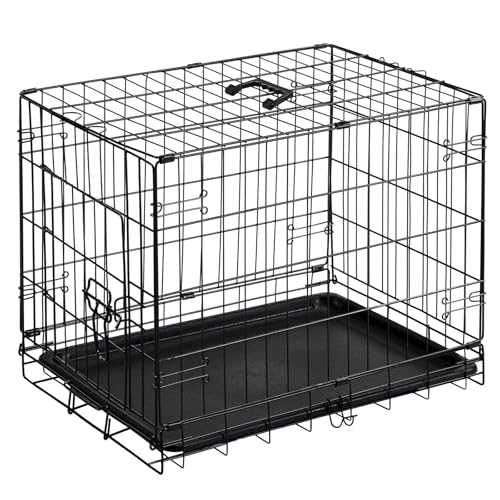
- Choose the Right Crate: It should be large enough for your puppy to stand up, turn around, and lie down comfortably. However, it shouldn't be too big, or your puppy might use one end as a bathroom. If you have a growing puppy, consider using a crate with a divider that you can adjust as they grow.
- Make the Crate Cozy: Add a soft, comfortable bed or blanket. A crate cover can also help make it feel more like a den. You can also place a snuggle puppy with a heartbeat to mimic the feeling of a littermate.
- Introduce the Crate Positively: Let your puppy explore the crate on their own. Leave the door open and place treats or toys inside. Encourage them to go in and out voluntarily. Do not force your puppy into the crate.
- Meal Time in the Crate: Start feeding your puppy their meals inside the crate with the door open. This helps create a strong positive association with the crate.
- Gradually Increase Crate Time: Once your puppy is comfortable entering the crate, start closing the door for short periods while you are present. Reward them for being calm. Gradually increase the duration.
- Introduce Nighttime Crate Use: When you are ready to have your puppy sleep in the crate, place them in it near your bed. This way, they can hear you and feel reassured. You can even try our step-by-step guide on how to train a puppy to sleep in his crate for more detailed advice.

Creating a Nighttime Schedule
Consistency is vital when it comes to crate training. Establishing a nighttime routine will help your puppy understand what is expected of them and settle into a comfortable sleep pattern. A good routine can also help you predict when your puppy needs to go out, which is essential for successful potty training. If you're struggling with nighttime potty breaks, our article on how to know if a puppy needs to pee at night can provide further insight.
- Last Potty Break: Take your puppy out for a final potty break right before bedtime. This is a crucial step to minimize the chances of accidents during the night.
- Bedtime Routine: Create a calming pre-bed routine. This could include a short play session, a gentle walk, or some quiet cuddles. Avoid high-energy activities right before bed.
- Place Your Puppy in the Crate: Once they are relaxed and have gone potty, place your puppy in their crate with a treat or a safe chew toy. Say a command like "bedtime" or "crate" to associate the word with the action.
- Nighttime Potty Breaks: Young puppies will need to go out at least once or twice during the night. Set an alarm to take them out before they start crying. This prevents accidents and reinforces that you will take them out when they need to go.
- Be Quiet and Calm: When you take your puppy out for nighttime potty breaks, be quiet and calm. Don't play or give them too much attention. This helps them understand that nighttime is for sleeping, not playing.
What to Do When Your Puppy Cries in the Crate
It's common for a new puppy to cry or whine in their crate, especially during the first few nights. They are in a new environment, away from their littermates, and may feel lonely or scared. How you respond to this crying is critical for successful crate training.
Important Rule: Never let your puppy out of the crate while they are crying. If you do, you will teach them that crying gets them what they want. Wait for a moment of silence, even if it's just a few seconds, before letting them out. This teaches them that quiet behavior is rewarded.
Here are some strategies to minimize nighttime crying:
- Place the Crate in Your Bedroom: Especially for the first few weeks, keep the crate in your room. Your presence will be comforting and will help your puppy settle down.
- Comfort Items: A soft toy, a blanket that smells like their littermates, or a snuggle puppy with a heartbeat can be incredibly soothing.
- Ignoring the Crying: If you are sure your puppy doesn't need to potty and is just seeking attention, it's best to ignore the crying. This is the hardest part for many owners, but it is a crucial step in teaching them to self-soothe.
- Check for Needs: However, you must differentiate between attention-seeking cries and cries that indicate a genuine need, such as needing to go potty or being in physical distress. A good rule of thumb is to take them out once after a crying session. If they go potty, put them back to bed. If they don't, put them back to bed.
- Consistency is Key: Be consistent in your approach. If you sometimes give in to crying and sometimes don't, your puppy will be confused and will likely try crying even harder. For more help, check out our article on how to stop a 6-week-old puppy from crying.
Common Crate Training Mistakes to Avoid
Even with the best intentions, it's easy to make mistakes during crate training. Being aware of these common pitfalls can help you avoid them and make the process smoother for you and your puppy.
- Using the Crate as a Punishment: The crate should never be used as a time-out or a place of punishment. This will create a negative association and undermine the entire purpose of the crate.
- Leaving Your Puppy in the Crate for Too Long: Young puppies have limited bladder control. Leaving a puppy in a crate for too many hours is not only cruel but can also lead to accidents and a negative association with the crate.
- Forcing Your Puppy into the Crate: You should never force your puppy into the crate. Let them explore it on their own and make it a positive place through treats and toys.
- Inconsistent Routine: As mentioned, consistency is key. An inconsistent routine will confuse your puppy and make it harder for them to learn.
- Giving In to Crying: As tempting as it is to comfort a crying puppy, letting them out while they are crying reinforces the behavior. Stick to the rule of only opening the door when they are calm and quiet.
- Not Making it Comfortable: A hard, cold crate floor is not inviting. Make sure the crate has a comfortable bed or blanket. A crate cover can also help it feel more secure.
Choosing the Right Crate for Your Puppy
Selecting the right crate is an important step in the crate training process. There are several types of crates available, each with its own advantages and disadvantages. If you are looking for a durable and high-quality crate for your puppy, you can browse some excellent options in our dog crates section. Additionally, you might want to consider other related accessories like a dog bed to make the crate even more comfortable.
| Type of Crate | Pros | Cons | Best For | Price Range |
|---|---|---|---|---|
| Wire Crate | Excellent ventilation, foldable for storage, you can see inside, great for training. | Can be drafty, not as visually appealing, some dogs may feel exposed. | Most puppies and dogs, especially for beginners. | $60–$200 |
| Plastic Crate | Enclosed for a secure den feel, airline-approved, very durable. | Less ventilation, heavier than wire crates, not as easily collapsible. | Anxious dogs who like security, or for travel. | $80–$250 |
| Soft-Sided Crate | Lightweight, portable, visually appealing, easy to set up. | Not for heavy chewers or strong dogs, less secure. | Small, well-behaved dogs or for travel. | $50–$150 |
| Furniture-Style Crate | Blends in with home decor, functional as furniture (e.g., end table). | Expensive, heavy, not portable. | Owners looking for a crate that matches their home. | $200–$600+ |
Crate Size and Placement
The crate should be the right size for your puppy. They should be able to stand up, turn around, and lie down comfortably. If the crate is too large, your puppy may see one end as a bathroom and the other as a bedroom. Use a divider to adjust the size as your puppy grows. Place the crate in a quiet area of your home, but also in a place where they can see you, such as your bedroom at night. This provides a sense of security.
Frequently Asked Questions
Ready to Start Crate Training?
Using a crate at night is one of the best decisions you can make for your new puppy. It provides them with a safe, den-like environment that aids in potty training and gives you peace of mind. By following the steps outlined in this guide, you can make crate training a positive and successful experience for both you and your furry friend. Remember, if you ever need a break or your puppy is feeling anxious, a dog calming product like a pheromone diffuser or an anxiety wrap can be a helpful addition to the crate training process. And for comprehensive training guides, be sure to explore our dog training section.