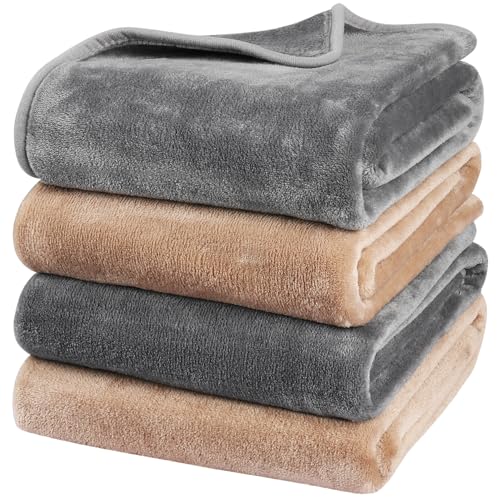
The Ultimate Guide to Dog Blankets for Dogs
Discover how the right blanket can provide warmth, security, and comfort for your canine companion. From material choices to sizing and care, we cover everything you need to make an informed decision.
A dog blanket is more than just a piece of fabric. For your dog, it can be a source of warmth on a chilly night, a comforting familiar scent when you're away, and a cozy spot to call their own. For you, it's a practical way to protect your furniture, reduce shedding mess, and provide your pet with a simple luxury they genuinely appreciate.
But with so many options available — from plush faux fur throws to durable outdoor blankets — choosing the right one can feel overwhelming. This guide will walk you through everything you need to know to select the perfect dog blanket for your furry friend's needs, habits, and personality.
Why Your Dog Needs a Blanket
While a blanket isn't a strict survival necessity, it offers a range of benefits that improve your dog's quality of life and make your home easier to manage. Understanding these benefits helps you choose a blanket that serves a real purpose.
- Warmth and temperature regulation: Short-haired breeds, small dogs, puppies, and senior dogs often struggle to stay warm. A blanket provides an extra layer of insulation, especially during winter or in air-conditioned homes.
- Comfort and security: Dogs are den animals by nature. A blanket can mimic the feeling of a den, offering a sense of security that reduces anxiety. This is especially helpful for dogs with separation anxiety or those adjusting to a new environment.
- Furniture protection: A blanket on your couch or bed acts as a barrier against fur, dirt, drool, and scratches. It's much easier to wash a blanket than to deep-clean upholstery.
- Personal space: Giving your dog their own blanket helps define their personal space. This is useful for teaching boundaries and giving your dog a "safe spot" to retreat to when they need quiet time.
- Crate training aid: Placing a familiar blanket in your dog's crate can make the crate feel more inviting and secure. The familiar scent helps reduce stress during crate training, especially for puppies. Learn more in our crate training guide.
- Travel comfort: A blanket from home can provide familiar comfort during car rides, vet visits, or stays in a boarding facility. It helps reduce stress in unfamiliar environments.
Did You Know?
Dogs rely heavily on scent to feel secure. A blanket that carries your scent or their own familiar smell can be incredibly calming. This is why many behaviorists recommend sending a blanket with your dog to a new environment or using one during stressful events.
Types of Dog Blankets
Dog blankets come in several styles, each designed for different purposes. Here's a breakdown of the most common types and what they're best for.
Everyday Comfort Blanket
A general-purpose blanket for lounging on the couch, bed, or floor. Typically made from soft fleece or cotton. Lightweight and easy to wash. Ideal for most dogs as a primary blanket.
entry-levelWarmth & Thermal Blanket
Designed for cold weather or senior dogs. Made with thicker materials like sherpa, faux fur, or quilted layers. Provides superior insulation. Often used for dogs with arthritis or those who feel the cold.
mid-rangeWaterproof & Outdoor Blanket
Features a waterproof backing or durable, weather-resistant fabric. Great for camping, outdoor events, or protecting car seats. Easy to wipe clean and resistant to dirt and moisture.
mid-tierAnti-Anxiety & Calming Blanket
Often made from ultra-soft, plush materials. Some may be weighted or designed to provide a gentle, swaddling sensation. Best for dogs with anxiety or those who find comfort in burrowing.
premiumChew-Resistant Blanket
Constructed from durable, tightly woven fabrics with reinforced edges. Designed for dogs who like to chew or dig at their bedding. Less likely to tear or fray. A good choice for powerful chewers.
high-endTravel & Crate Blanket
Lightweight, compact, and easy to fold. Often comes with a carry bag or strap. Perfect for placing in crates, car seats, or taking to the vet. Should be durable and machine washable.
budget-friendlyMaterials & Warmth Levels
The material of your dog's blanket determines its warmth, softness, durability, and ease of care. Here's a comparison of common materials to help you match the right one to your dog's needs.
| Material | Warmth | Softness | Durability | Best For |
|---|---|---|---|---|
| Fleece | Moderate | Very High | Moderate | Everyday use, puppies, indoor comfort |
| Sherpa / Faux Fur | High | Very High | Moderate | Cold nights, senior dogs, burrowers |
| Cotton | Low | Moderate | High | Warm climates, dogs with skin sensitivities |
| Microfiber | Moderate | High | High | Durable everyday use, easy to clean |
| Wool | Very High | Moderate | High | Extreme cold, outdoor use, working dogs |
| Quilted / Padded | High | Moderate | Very High | Floor protection, crate liners, heavy use |
Choosing the Right Warmth Level:
Consider your dog's breed, age, and health. Short-haired breeds like Labradors or Whippets often appreciate a warm fleece or sherpa blanket. Double-coated breeds like American Eskimos may prefer a cooler cotton blanket. Senior dogs with arthritis benefit from the extra warmth of a thermal or faux fur blanket.
Sizing & Fit Guide
A blanket that's too small won't provide adequate coverage, while one that's too large can be cumbersome and a tripping hazard. Getting the size right ensures your dog can fully enjoy their blanket.
How to Measure Your Dog
- Length: Measure from the base of the tail to the tip of the nose. Add 6-12 inches to allow for curling up and wrapping.
- Width: Measure the widest part of your dog's body (usually the chest or hips). Add 6-12 inches for comfortable draping.
- Crate size: If the blanket is for a crate, measure the interior floor length and width. Choose a blanket that covers the entire floor with a few inches of overhang on each side.
General Size Guidelines
- Toy breeds (under 10 lbs): Small blanket, approximately 20" x 30".
- Small breeds (10-25 lbs): Medium blanket, approximately 30" x 40".
- Medium breeds (25-50 lbs): Large blanket, approximately 40" x 50".
- Large breeds (50-90 lbs): Extra-large blanket, approximately 50" x 60".
- Giant breeds (over 90 lbs): Jumbo blanket, 60" x 70" or larger.
Pro Tip: If your dog likes to burrow under blankets, choose a size larger than the guidelines suggest. This gives them enough material to dig at, rearrange, and fully cover themselves. For dogs who prefer to lie on top, a blanket that's slightly larger than their body is sufficient.
Safety Considerations
While blankets are generally safe, some precautions are necessary, especially for puppies, chewers, and dogs with certain behavioral tendencies.
- Avoid small parts: Blankets with buttons, zippers, tassels, or appliques can be chewed off and swallowed, leading to choking or intestinal blockage. Choose simple, one-piece designs.
- Check for loose threads: Long threads can wrap around toes or become a strangulation hazard. Inspect blankets regularly and trim any loose threads.
- Supervise chewers: If your dog likes to chew fabric, always supervise them with a new blanket. If they ingest pieces, remove the blanket immediately and consult your vet. Consider a chew-resistant option or provide alternative chew toys.
- Weighted blankets caution: Weighted blankets can provide comfort for some dogs, but they are not suitable for all. Never use a weighted blanket on a dog who cannot easily move out from under it. Consult your vet before using one.
- Temperature regulation: Ensure your dog can move away from the blanket if they get too warm. Overheating is a risk, especially for brachycephalic breeds like French Mastiffs or Shih Tzus.
- No blanket in hot weather: In warm climates or during summer, a heavy blanket can cause heat stress. Use a light cotton blanket or skip the blanket entirely.
Washing & Maintenance
Regular washing keeps your dog's blanket fresh, hygienic, and safe. Dirt, dander, oils, and parasites accumulate quickly, so establishing a cleaning routine is essential.
How Often to Wash
- Weekly: For dogs who shed heavily, drool, or have allergies. Also for dogs who use the blanket daily.
- Biweekly: For average shedders with no skin issues.
- Monthly: For dogs who rarely use the blanket or for outdoor-only blankets.
- Immediately: After accidents, illness, or if the blanket becomes soiled with mud, feces, or vomit.
Washing Tips
- Check the care label: Always follow the manufacturer's instructions. Some materials require gentle cycles or hand washing.
- Shake off loose debris: Before washing, shake the blanket outside to remove hair, dirt, and crumbs.
- Use pet-safe detergent: Avoid harsh chemicals and fragrances that can irritate your dog's skin. Choose a gentle, hypoallergenic detergent.
- Wash separately: Wash dog blankets separately from human laundry to prevent cross-contamination of hair and potential parasites.
- Skip fabric softener: Fabric softener can reduce absorbency and leave a residue that may irritate your dog's skin.
- Dry thoroughly: Ensure the blanket is completely dry before giving it back to your dog. Damp blankets can grow mold and cause skin issues. Tumble dry on low or air dry.
Extend Time Between Washes: Having two or three blankets in rotation means you always have a clean one available while the others are being washed. This is especially helpful for dogs with allergies or those who are prone to accidents.
Blankets for Behavior & Training
Beyond comfort, a dog blanket can be a valuable tool for managing behavior and supporting training efforts. Here's how to use blankets strategically.
- Crate training: Place a blanket in your dog's crate to make it more inviting. The familiar scent and soft texture create a positive association with the crate. This is especially useful for puppies at night.
- Anxiety reduction: A blanket can serve as a "security object" for anxious dogs. During thunderstorms, fireworks, or when you're away, the blanket provides a familiar, comforting presence. Combine with other calming products for best results.
- Place command: Teach your dog to go to their blanket on command. This is a useful "place" cue that gives your dog a job and keeps them calm during meals, guest visits, or other exciting events. Start training with our basic command guides.
- Travel stress reduction: Bring a familiar blanket on car rides or to the vet. The familiar scent helps reduce stress in new or scary environments.
- Destructive chewing redirection: For dogs who chew furniture, providing a designated blanket can help redirect the behavior. However, if your dog is a determined chewer, a chew-resistant blanket or alternative interactive toys may be needed.
Frequently Asked Questions
Ready to Choose the Perfect Blanket?
Now that you understand the types, materials, sizing, and safety considerations, you're ready to find the ideal blanket for your dog. Whether you need a cozy fleece for lounging, a warm sherpa for winter, or a durable outdoor blanket for adventures, the right choice will keep your dog comfortable and happy. Explore our recommended products below to find high-quality options that suit your dog's needs.