The Whippet Dog Breed: A Complete Guide to the Gentle Sighthound
Everything you need to know about the Whippet — temperament, exercise, health, grooming, and whether this elegant, affectionate sighthound is the right companion for your home.
The Whippet is often described as the perfect blend of elegance and athleticism — a dog who can sprint at incredible speeds across a field one moment and curl up quietly on the sofa the next. Originally bred as a working sighthound, the Whippet has evolved into one of the most adaptable and affectionate companion dogs available today. Their moderate size, low-maintenance coat, and gentle nature make them a favorite among families, apartment dwellers, and first-time dog owners alike.
Yet despite their growing popularity, many prospective owners still misunderstand the Whippet. Some assume they need endless exercise because they are sighthounds. Others expect a fragile, high-strung lapdog. The truth lies somewhere in between. This guide covers everything you need to know about the Whippet — from their fascinating history and unique temperament to practical care advice — so you can decide whether this breed belongs in your home.
Quick Breed Snapshot:
• Size: Medium, 18–22 inches tall, 25–40 pounds
• Lifespan: 12–15 years
• Temperament: Gentle, affectionate, quiet, sensitive
• Exercise: Moderate; short bursts of sprinting plus daily walks
• Grooming: Minimal; short, low-maintenance coat
• Good with: Families, seniors, singles, apartments
Origin & History of the Whippet
The Whippet originated in England during the 19th century, developed from a mix of small Greyhounds, terriers, and possibly Italian Greyhounds. Workers in northern England wanted a fast, agile dog that could course rabbits and provide entertainment through rag racing — a sport where dogs chased a cloth lure along a straight track. The result was a dog who was fast enough to compete but small enough to fit into a working-class home and modest budget.
The breed earned the nickname "the poor man's racehorse" because it gave ordinary families a taste of the excitement and prestige associated with Greyhound racing. Whippets were prized for their speed, stamina, and gentle disposition. Over time, their athletic abilities were matched by their appeal as loving companions, and today the Whippet is primarily a cherished family pet rather than a working dog.
If you're exploring other sighthounds or fast, elegant breeds, you might also enjoy learning about the Italian Greyhound, a smaller cousin with a similar build and temperament.
Temperament & Personality
The Whippet's personality is one of its greatest assets. These dogs are famously gentle, quiet, and affectionate. They form deep bonds with their owners and often follow their people from room to room, content just to be nearby. Unlike some high-energy breeds, Whippets have a natural "off switch" — after a good run, they are happy to sleep for hours.
Key Personality Traits
- Affectionate and devoted: Whippets love their families and thrive on companionship. They can suffer from separation anxiety if left alone too often.
- Quiet and calm indoors: They are not excessive barkers and adapt well to apartment living as long as they get their daily exercise.
- Sensitive and gentle: They respond poorly to harsh training methods and loud voices. Positive reinforcement is essential.
- Sociable with other dogs: Whippets generally get along well with other dogs, especially when properly socialized from a young age.
- Prey drive: Like all sighthounds, they will chase small, fast-moving animals. Reliable recall and a secure fence are non-negotiable.
- Good with children: They are patient and gentle, but their slender frame means they do best with older, respectful children.
Whippet Insight: Many owners describe the Whippet as "cat-like" — independent yet affectionate, clean, and content to lounge for hours. If you want a dog who is happy to nap at your feet but can also join you for an exhilarating run, the Whippet is hard to beat.
Because Whippets are so sensitive, they are not the best match for households that rely on punishment-based training. If you're dealing with behavior issues in any breed, understanding dog behavior and using positive behavior modification techniques is far more effective than correction. For severe cases, consulting a professional and knowing when to see a behaviorist can make a world of difference.
Size, Appearance & Coat
The Whippet is a medium-sized sighthound with a streamlined, aerodynamic build. They have a deep chest, long slender legs, a tucked-up abdomen, and a long, tapering tail. Their head is long and narrow with a gentle expression and rose-shaped ears that fold back.
| Attribute | Details |
|---|---|
| Height | 18–22 inches at the shoulder |
| Weight | 25–40 pounds |
| Coat | Short, smooth, fine |
| Colors | Any color or combination; black, white, fawn, brindle, blue, and parti-color are common |
| Grooming Needs | Minimal; weekly brushing |
| Shedding | Moderate |
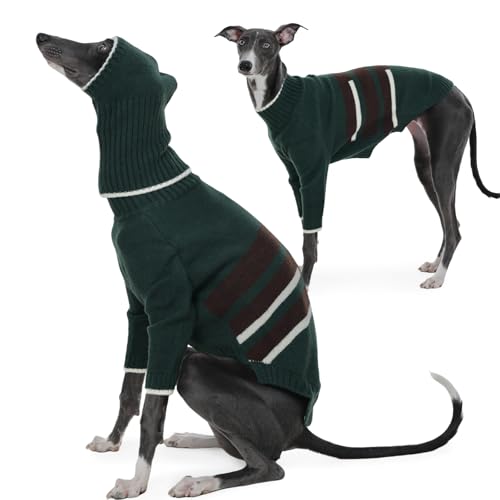
Their short coat means they are not well-suited to extreme cold. In winter, a dog coat is often necessary. If you live in a cold climate, you may want to invest in quality dog clothes to keep your Whippet comfortable during walks.
Exercise & Activity Needs
One of the biggest misconceptions about Whippets is that they need hours of intense exercise every day. In reality, they are sprinters, not endurance athletes. A Whippet's idea of perfect exercise is a short, explosive run followed by a long nap.
A Typical Exercise Routine
- Morning walk: A 20–30 minute walk on a leash to stretch their legs and explore.
- Free run: 20–30 minutes in a securely fenced area where they can sprint at full speed. Never let a Whippet off-leash in an unfenced area — their prey drive and speed make recall unreliable.
- Evening walk: A shorter 15–20 minute walk to end the day.
- Mental stimulation: Puzzle toys, training games, and food-dispensing toys keep their minds engaged. Check out puzzle toys for dogs and interactive dog toys for ideas.
Important Safety Note: A Whippet's recall is never 100% reliable when they spot something worth chasing. Always use a securely fenced area for off-leash running, or a long line for controlled exercise. A GPS tracker can provide peace of mind if your Whippet ever slips away.
Training a Whippet
Whippets are intelligent and willing to learn, but they are also sensitive and independent. They do not respond well to harsh corrections, repetition, or boring drills. Instead, they thrive with short, positive, reward-based training sessions that feel more like play than work.
Training Tips for Whippet Owners
- Use positive reinforcement: Treats, praise, and toys are powerful motivators. Learn more about positive reinforcement.
- Keep sessions short: 5–10 minutes, two or three times a day, is more effective than one long session.
- Start early with socialization: Puppy classes are invaluable. Consider dog and puppy training classes to build confidence and good manners.
- Be patient with recall: This is the hardest command for any sighthound. Practice in enclosed areas and reward generously every time your Whippet comes to you.
- Use a martingale collar or harness: Whippets have narrow heads and can slip out of standard collars. A well-fitted dog harness or martingale collar is safer.
If you're interested in channeling your Whippet's natural athleticism, agility training and lure coursing are excellent outlets. Many Whippets excel in these sports and enjoy the mental and physical challenge.
Grooming & Care
One of the Whippet's most appealing qualities is its low-maintenance coat. Grooming a Whippet takes very little time compared to many other breeds.
Grooming Routine
- Brushing: Once a week with a soft brush or grooming mitt removes loose hair and distributes natural oils.
- Bathing: Every 4–8 weeks, or when needed. Use a gentle dog shampoo to avoid drying out their sensitive skin.
- Nail trimming: Every 3–4 weeks. Use sharp dog nail clippers and be careful not to cut the quick.
- Ear cleaning: Check ears weekly and clean gently when needed.
- Dental care: Brush your Whippet's teeth several times a week with a dog toothbrush and dog-safe toothpaste. Dental disease is common in smaller breeds.
- Paw care: Check paws regularly, especially after running on rough terrain. A good paw protection balm can help keep pads supple.
Cold Weather Tip: Whippets have very little body fat and a thin coat. In cold weather, they appreciate a warm coat and may even enjoy a cozy dog blanket or a heated dog bed to curl up in after a walk.
Health & Lifespan
The Whippet is a generally healthy and robust breed, with a lifespan of 12–15 years. That said, like all breeds, they have some inherited conditions that responsible owners should be aware of.
Common Health Concerns
- Von Willebrand disease: A bleeding disorder that can affect clotting. Reputable breeders screen for this.
- Cardiac issues: Heart murmurs and other cardiac conditions can occur. Regular vet checkups are important.
- Eye problems: Conditions like progressive retinal atrophy (PRA) and cataracts have been reported.
- Anesthesia sensitivity: Whippets, like other sighthounds, can be sensitive to certain anesthetics. Always inform your vet of the breed.
- Skin tears: Their thin skin and low body fat make them prone to cuts and scrapes during rough play or running.
- Hypothyroidism: Can occur and may require medication.
Preventive Care
- Annual vet visits: Wellness exams help catch problems early.
- Vaccinations: Keep core vaccines up to date. Learn about the DHPP vaccine for dogs and DHPP vaccine for puppies.
- Parasite prevention: Use flea, tick, and heartworm prevention year-round. Explore dog flea treatment options.
- Dental care: Regular brushing and professional cleanings prevent dental disease.
- Weight management: Keep your Whippet lean to reduce strain on joints and organs.
If you're considering a Whippet puppy, always choose a responsible breeder who performs health screenings. Our guide on how to find a reputable dog breeder walks you through the process. Also review questions to ask a dog breeder and be aware of red flags of a bad breeder.
Living With a Whippet
Whippets adapt well to a variety of living situations. Their moderate size and quiet nature make them excellent apartment dogs, provided they get their daily exercise. They are also well-suited to homes with yards, as long as the yard is securely fenced.
Is a Whippet Right for You?
- Yes, if you: Want an affectionate, low-maintenance companion who is happy to relax indoors but also enjoys outdoor adventures.
- Yes, if you: Live in an apartment or smaller home and can commit to daily walks and regular off-leash runs.
- Yes, if you: Prefer gentle, positive training methods and want a sensitive, devoted dog.
- No, if you: Want a dog who can be off-leash in open areas without a fence. Whippets chase first and ask questions later.
- No, if you: Are away from home for very long hours. Whippets are social and can develop separation anxiety.
- No, if you: Want a dog who thrives in extreme cold. Whippets need protection from low temperatures.
For families with young children, it's important to teach kids how to interact gently with dogs. Whippets are patient, but their slender build means they can be injured by rough handling. If you're considering other gentle, family-friendly breeds, you might also explore cute dog breeds or healthiest dog breeds for comparison.
Whippet vs Greyhound vs Italian Greyhound
Because all three are sighthounds with similar looks, they are often confused. Here's how they compare:
| Breed | Height | Weight | Temperament | Exercise Needs |
|---|---|---|---|---|
| Whippet | 18–22 in | 25–40 lbs | Gentle, affectionate, adaptable | Moderate |
| Greyhound | 26–30 in | 60–70 lbs | Calm, gentle, laid-back | Moderate (sprint then rest) |
| Italian Greyhound | 13–15 in | 7–14 lbs | Affectionate, sensitive, playful | Low to moderate |
If you're interested in the smallest of the three, our guide to the Italian Greyhound covers their unique needs in detail. Whippets sit comfortably in the middle — smaller and more adaptable than a Greyhound, but more robust and less fragile than an Italian Greyhound.
Frequently Asked Questions
Final Thoughts on the Whippet
The Whippet is a wonderful choice for owners who want a dog that is equal parts athlete and couch companion. They are gentle, affectionate, and adaptable — happy in an apartment or a house, as long as they get their daily run and plenty of love. If you're ready to welcome a Whippet into your home, start by finding a responsible breeder and preparing your home for a new puppy. With the right care, a Whippet will reward you with years of quiet companionship and joyful bursts of speed.