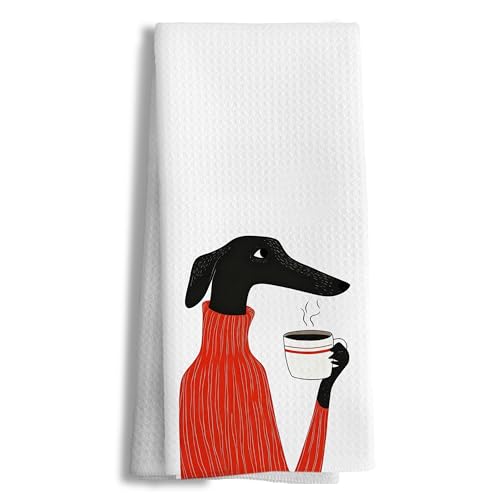
The Italian Greyhound: A Complete Breed Guide
Discover the elegant, affectionate, and surprisingly athletic Italian Greyhound. Learn about their unique personality, care requirements, health needs, and whether this charming sighthound is the perfect addition to your family.
The Italian Greyhound, affectionately known as the "Iggy," is a breed that captures hearts with its delicate beauty and loving nature. Despite their name, they are not miniature Greyhounds but a distinct, ancient breed that has been cherished as a companion for centuries. If you are researching this breed, you likely appreciate their elegant appearance and are curious about their unique needs. This guide provides a comprehensive, honest look at what it truly means to share your life with an Italian Greyhound.
From their need for warmth and comfort to their surprising bursts of speed, the Italian Greyhound is a study in contrasts. They are one of the small dog breeds that don't shed much, making them a tidy companion. This guide will walk you through every aspect of their care, helping you decide if this sensitive and loving sighthound is the right fit for your home.
Origins & History
The Italian Greyhound's history is long and storied, dating back over 2,000 years to ancient civilizations. Evidence of small sighthound-like dogs has been found in Egypt, Greece, and the Roman Empire. They were treasured by nobility and royalty across Europe, particularly in Italy during the Renaissance, which is how they acquired their name. These dogs were bred not for hunting large game, but for companionship and to hunt small vermin. Their journey from royal courts to modern living rooms has not changed their fundamental desire to be a cherished family member.
Temperament & Personality
The Italian Greyhound is a true companion dog. They form deep, intense bonds with their owners and thrive on human affection. They are sensitive, intelligent, and often described as cat-like in their grace and independence. However, this sensitivity means they do not respond well to harsh training or loud, chaotic environments. Understanding their gentle nature is the key to a happy relationship.
Affectionate & Needy
Iggies are velcro dogs. They want to be with you, on you, or under a blanket next to you. They are not suited for homes where they will be left alone for long hours. Their need for companionship is one of their most defining traits.
Sensitive & Intelligent
They are smart and can learn quickly, but their sensitive nature means they shut down with punishment. Positive reinforcement is the only effective training method. They are attuned to their owner's emotions and can be easily upset by tension.
Quiet & Polite
Italian Greyhounds are generally quiet dogs, barking only when necessary. They are polite and clean, often grooming themselves like cats. This makes them well-suited for apartment living, provided their exercise needs are met.
Playful & Athletic
Despite their couch-potato tendencies, they have a playful side. They love to run in short, explosive bursts and enjoy chasing toys. They are graceful and agile, and their playful antics are a joy to watch.
Size, Appearance & Traits
The Italian Greyhound is the smallest of the sighthound family. Their appearance is one of refined elegance, with a slender, fine-boned body, a long, narrow head, and large, expressive eyes. Their coat is short, smooth, and glossy, coming in a wide variety of colors including grey, fawn, cream, red, blue, black, and parti-color.
| Trait | Description |
|---|---|
| Height | 13 to 15 inches at the shoulder |
| Weight | 7 to 14 pounds |
| Coat | Short, smooth, glossy, low-shedding |
| Color | Grey, fawn, cream, red, blue, black, parti-color |
| Lifespan | 12 to 15 years |
| Group | Toy Group (AKC) |
Exercise & Activity Needs
Contrary to what their racing ancestors might suggest, Italian Greyhounds do not need intense, long-distance exercise. They are sprinters, built for short bursts of incredible speed. Their exercise needs are moderate. A daily walk of 30-45 minutes is usually sufficient, complemented by the opportunity to run free in a securely fenced area a few times a week.
Important Safety Note:
Because of their fragile bones and high prey drive, Italian Greyhounds should NEVER be off-leash in an unfenced area. They can spot a squirrel from a block away and take off at speeds up to 25 mph, ignoring all commands. A secure, tall fence is essential. For more tips on safe outdoor activities, see our guide on daily exercise requirements for dogs.
Training & Socialization
Training an Italian Greyhound requires patience, consistency, and a gentle hand. They are intelligent but can be stubborn and are easily offended by harsh corrections. Positive reinforcement methods, using treats, praise, and play, are incredibly effective. Short, frequent training sessions work best to keep their attention.
Key Training Areas
- Potty Training: This can be the most challenging part of owning an Iggy. Their small bladders and dislike of cold or wet weather can lead to accidents. A strict schedule, crate training, and high-value rewards for going outside are essential. Patience is key.
- Recall: Teaching a reliable recall is a matter of safety, though it should never be trusted in an unfenced area. Practice in a safe, enclosed space with high-value treats and gradually increase distractions.
- Crate Training: A crate is a wonderful tool for potty training and provides a safe, den-like space for your Iggy when you can't supervise them. It also helps prevent separation anxiety, to which they are prone.
- Socialization: Gentle, positive exposure to different people, places, and sounds from a young age helps them become well-adjusted adults. Avoid overwhelming them, as they are naturally reserved with strangers.
If you are considering enrolling in a formal class, look for puppy training classes that use positive reinforcement methods. The dog training section of our site has more resources on building a strong bond through training.
Grooming & Care
One of the joys of owning an Italian Greyhound is their minimal grooming needs. Their short, smooth coat is easy to care for and sheds very little. A weekly rub-down with a soft cloth or a rubber grooming mitt is usually enough to keep their coat shiny and remove loose hair. They only need a bath occasionally, using a mild dog shampoo.
However, some care tasks are non-negotiable:
- Nail Trimming: Their delicate paws need regular nail trims every 2-4 weeks. Long nails can cause gait problems and discomfort.
- Dental Care: Italian Greyhounds are notorious for dental issues. Daily tooth brushing with a dog toothbrush and dog-specific toothpaste is crucial to prevent periodontal disease.
- Ear Cleaning: Check their ears weekly and clean them gently with a vet-approved ear cleaner to prevent infections.
- Warmth: Because they have very little body fat and a thin coat, they get cold easily. They will need a warm dog sweater or coat in cold weather and love to burrow under blankets indoors. A cozy dog bed is a must.
Health Concerns & Prevention
Italian Greyhounds are generally a healthy breed, but like all purebreds, they are predisposed to certain conditions. Being aware of these can help you provide the best preventive care. Working with a responsible breeder who performs health testing is the first step. You can learn more in our guide on genetic testing for dog breeds.
- Leg Fractures: Due to their fine, slender bones, Iggies are prone to fractures, especially in the legs. This is often the result of jumping from high places or rough play. It's a serious and costly concern.
- Dental Disease: As mentioned, this is extremely common. Regular dental care, including professional cleanings by a vet, is vital. You can find more information in our article on dog dental cleaning.
- Patellar Luxation: A condition where the kneecap slips out of place. It can cause lameness and may require surgery in severe cases.
- Progressive Retinal Atrophy (PRA): A genetic eye disease that leads to blindness. Reputable breeders screen for this condition.
- Anesthesia Sensitivity: The breed is known to be sensitive to certain anesthetics. Your vet should be aware of this breed-specific concern.
Regular veterinary checkups, a balanced diet, and joint supplements like dog vitamins can support their overall health and longevity.
Living with an Italian Greyhound
An Italian Greyhound is more than just a pet; they are a family member who wants to be involved in everything you do. They are adaptable to apartment living as long as their exercise needs are met, and they are not suited for homes where they will be left alone for extended periods. They are best suited for individuals, couples, or families with older, respectful children who can handle them gently.
Their prey drive means they may not be the best choice for homes with very small pets like hamsters or birds. However, they can coexist peacefully with cats if introduced properly.
Pros & Cons of Owning an Italian Greyhound
Pros
- Affectionate and loving companions
- Low shedding and minimal grooming needs
- Quiet and well-suited for apartments
- Clean and often self-grooming
- Playful and entertaining
Cons
- Fragile bones prone to fractures
- Challenging to potty train
- Prone to separation anxiety
- Sensitive to cold weather
- Significant dental care needs
Frequently Asked Questions
Is an Italian Greyhound Right for You?
The Italian Greyhound is a wonderful breed for the right person. If you are looking for a loving, clean, and quiet companion who will be your shadow, and you are willing to accommodate their sensitivity to cold, their fragile bones, and their potential for separation anxiety, you will be rewarded with a deeply devoted friend. They are not a breed for those who want a rough-and-tumble playmate or who are away from home for long hours. If you feel you can provide the gentle, warm, and attentive home they need, the Italian Greyhound may be your perfect match. Explore our dog breeds section for more breed guides.