Flea and Tick Medicine That Doesn't Cause Seizures
If your dog has a seizure history, choosing the right flea and tick preventive is critical. This guide explains which ingredients are considered safe, which to avoid, and how to protect your dog without triggering neurological episodes.
Flea and tick prevention is essential for every dog, but for dogs with a history of seizures or epilepsy, the choice of product becomes far more complicated. The last thing any owner wants is to trigger a seizure while trying to protect their dog from parasites. Unfortunately, not all flea and tick medications are equally safe for seizure-prone dogs, and some popular products carry explicit warnings about neurological reactions.
This guide will help you understand which flea and tick medicines are considered safer for dogs with seizures, which ingredients to avoid, and how to work with your veterinarian to build a prevention plan that protects your dog without compromising their neurological health. If you are specifically looking for flea and tick medicine for dogs with seizures, this resource will give you the detailed, evidence-based information you need.
Why Seizure Risk Matters in Flea and Tick Prevention
Seizures in dogs can be caused by a variety of factors, including genetics, brain tumors, metabolic disorders, and toxin exposure. Some flea and tick medications contain active ingredients that lower the seizure threshold, meaning they make it easier for a dog's brain to enter a seizure state. For dogs with a known seizure history, this risk is significantly higher.
The FDA has issued warnings about certain classes of flea and tick products, particularly the isoxazoline class, which includes some of the most popular chewable preventives on the market. While these products are generally safe for the vast majority of dogs, they can cause neurological adverse reactions in a small percentage of animals, especially those with a prior history of seizures.
Key Point: The risk of a seizure from flea and tick medication is not the same for every dog. A dog with no seizure history may never have a problem with any product. A dog with epilepsy or a genetic predisposition to seizures faces a much higher risk and requires careful product selection.
Safe Ingredients for Seizure-Prone Dogs
While no medication is 100% risk-free, certain flea and tick ingredients have a long history of safe use in seizure-prone dogs. These are the options most veterinarians reach for when treating a dog with a known seizure disorder.
Fipronil
A topical insecticide that kills fleas and ticks by disrupting their nervous system. It has been used for decades with a strong safety record. Fipronil is the active ingredient in many spot-on treatments and is generally considered safe for dogs with seizures. It is available in both entry-level and mid-range products.
Widely AvailableS-Methoprene
An insect growth regulator that prevents flea eggs and larvae from developing. It does not affect the nervous system of mammals and is considered very safe. Often combined with fipronil for comprehensive flea control. This is a common ingredient in mid-tier topical products.
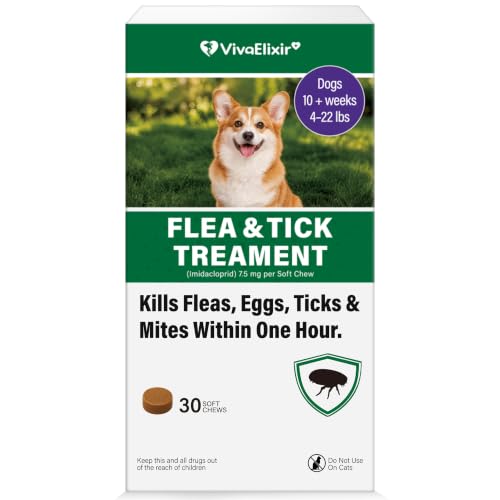
Mid-RangeImidacloprid
A topical insecticide that kills fleas by blocking nerve impulses in insects. It has low toxicity for mammals and is not associated with an increased risk of seizures. Often combined with permethrin for tick control, but permethrin should be avoided in seizure-prone dogs. Imidacloprid alone is a safer choice.
Mid-RangePyriproxyfen
Another insect growth regulator that stops flea eggs from hatching. It is very safe for dogs and is often used in combination with adulticides like fipronil or imidacloprid. No seizure risk has been associated with this ingredient.
Entry-Level to Mid-RangeThese ingredients are available in various forms, including topical spot-ons, sprays, and shampoos. For dogs with seizures, topical products are often preferred because they bypass the digestive system and are absorbed more slowly into the bloodstream. If you are looking for flea and tick prevention for dogs with seizures, these ingredients should be at the top of your list to discuss with your vet.
Ingredients and Products to Avoid
Some flea and tick ingredients carry a higher risk of neurological side effects and should be avoided in dogs with a seizure history unless your veterinarian specifically recommends otherwise.
- Isoxazoline class drugs (fluralaner, afoxolaner, sarolaner, lotilaner): These are the active ingredients in many popular chewable preventives. The FDA requires a warning about neurological reactions, including seizures. They should be avoided in seizure-prone dogs.
- Permethrin: A synthetic pyrethroid that can cause tremors, seizures, and even death in sensitive dogs. It is especially dangerous for cats, but dogs with seizure disorders should also avoid it. Many "tick and flea" spot-ons for dogs contain permethrin.
- Amitraz: Used in some flea collars and tick treatments, amitraz can cause sedation, lethargy, and seizures, especially in dogs with pre-existing neurological conditions. Avoid collars containing amitraz.
- High-concentration essential oils (tea tree, eucalyptus, citrus, peppermint): While often marketed as "natural," these oils can be toxic to dogs and lower the seizure threshold. Never apply undiluted essential oils to your dog.
- Organophosphates and carbamates: Older classes of insecticides that are rarely used today but may still appear in some products. They are highly toxic and can cause seizures.
Warning: Always read the label of any flea and tick product before applying it to your dog. If you see any of the ingredients above and your dog has a seizure history, do not use the product without consulting your veterinarian first.
The Isoxazoline Controversy: What You Need to Know
Isoxazolines are a relatively new class of flea and tick medications that have become extremely popular due to their convenience (chewable tablets) and long-lasting effects. However, they have also been the subject of significant controversy regarding neurological side effects.
The FDA first issued a warning about isoxazolines in 2018 after receiving reports of neurological adverse events, including seizures, ataxia (loss of coordination), and muscle tremors. The warning applies to all products in this class, including those containing fluralaner, afoxolaner, sarolaner, and lotilaner.
What the Data Shows
The vast majority of dogs who take isoxazoline medications experience no neurological side effects. The reported reactions are rare, and in many cases, the dogs affected had a prior history of seizures or other neurological conditions.
However, the FDA's warning is significant because it indicates a potential causal link between these drugs and seizure activity in susceptible dogs. For dogs with a known seizure disorder, the risk-benefit calculation often tips in favor of choosing a different class of medication.
What This Means for You:
If your dog has never had a seizure, an isoxazoline product may still be a safe and convenient option. But if your dog has a seizure history, the FDA warning suggests that these products should be used with caution — or avoided altogether in favor of safer alternatives.
If you are specifically searching for a flea and tick medicine that doesn't cause seizures, isoxazoline products are not your best first choice. Discuss non-isoxazoline alternatives with your vet.
Topical vs Oral: Which Is Safer for Seizure-Prone Dogs?
When choosing flea and tick prevention for a dog with seizures, the route of administration matters. Topical products and oral products differ in how they enter the bloodstream and how they interact with the nervous system.
| Feature | Topical Spot-On | Oral Chewable |
|---|---|---|
| Absorption | Through skin, slow release | Through digestive tract, rapid |
| Seizure Risk | Lower for most ingredients | Higher with isoxazolines |
| Ease of Application | Requires parting fur, can be messy | Easy, especially for picky dogs |
| Water Resistance | Varies by product, often good | Unaffected by bathing |
| Best for Seizure Dogs | Usually preferred | Only if vet recommends |
For most dogs with a seizure history, topical products containing fipronil, imidacloprid, or S-methoprene are the safer choice. They are applied to the skin and absorbed slowly, reducing the peak concentration in the bloodstream and the potential for neurological side effects. Oral chewables, especially those containing isoxazolines, deliver the drug more rapidly and are more likely to cross the blood-brain barrier.
If your dog is difficult to treat topically, or if you have concerns about application, discuss oral options with your vet. There may be non-isoxazoline oral products available, though they are less common. For a deeper look at prescription-free options, see our guide on flea and tick medicine for dogs without vet prescription.
Natural and Alternative Options
Some owners of seizure-prone dogs prefer to explore natural or alternative flea and tick prevention methods. While these can be part of a comprehensive strategy, it is important to understand their limitations and risks.
- Diatomaceous earth (food grade): A fine powder made from fossilized algae that can kill fleas by damaging their exoskeleton. It is safe for dogs when used correctly, but it must be kept dry to be effective. It does not kill ticks effectively.
- Flea combs: Regular combing can physically remove fleas and flea dirt from your dog's coat. This is a useful supplement but not a standalone solution, especially in areas with heavy flea populations.
- Frequent bathing: Bathing with a gentle dog shampoo can drown fleas and remove eggs and dirt. However, it does not provide lasting protection. Use a flea and tick shampoo for dogs with sensitive skin if your dog has skin issues.
- Yard and home management: Keeping your yard clear of leaf litter, vacuuming frequently, and washing pet bedding in hot water can reduce flea populations in your environment. This is essential even when using medication.
- Essential oils — use with extreme caution: Some essential oils like cedarwood and lavender are sometimes recommended, but many are toxic to dogs and can lower the seizure threshold. Never use essential oils on a seizure-prone dog without veterinary approval.
Important: Natural does not mean safe. Many "natural" flea products contain ingredients that are harmful to dogs, especially those with neurological conditions. Always consult your veterinarian before using any natural remedy on a dog with a seizure history.
Working With Your Veterinarian
If your dog has seizures, you should never choose a flea and tick preventive on your own. Your veterinarian has the knowledge and experience to recommend the safest option based on your dog's specific seizure history, current medications, and overall health.
Questions to Ask Your Vet
- Given my dog's seizure history, which flea and tick ingredients are safest?
- Are there any products that could interact with my dog's anti-seizure medication?
- Should I use a topical or oral preventive?
- What signs of an adverse reaction should I watch for?
- If my dog has a seizure after treatment, what should I do?
- Are there any non-drug options that might work for my dog?
Your vet may also recommend adjusting your dog's anti-seizure medication if a change in flea and tick prevention is necessary. Never change your dog's medication without veterinary guidance.
If you are also concerned about heartworm prevention, many products combine flea, tick, and heartworm protection. Read our guide on flea and tick and heartworm medicine for dogs for more information.
What to Do If a Seizure Occurs After Flea Treatment
If your dog has a seizure shortly after receiving flea or tick medication, treat it as a medical emergency. Even if the seizure is brief, it could be a sign of a serious adverse reaction.
- Stay calm and keep your dog safe. Do not try to restrain your dog during a seizure. Move furniture or objects that could cause injury, and keep your hands away from your dog's mouth.
- Time the seizure. Note how long it lasts. If it lasts more than 2-3 minutes, or if your dog has multiple seizures in a row, it is a life-threatening emergency.
- Call your veterinarian or emergency clinic immediately. Describe the product used, the time of application, and the seizure symptoms. Follow their instructions.
- Do not give another dose. Even if the seizure stops, do not reapply the same product. Your vet will need to determine a new prevention plan.
- Keep a record. Write down the product name, active ingredients, lot number, and the date and time of application. This information will help your vet identify the cause and report the reaction if necessary.
Emergency Alert: If your dog has a seizure that lasts longer than 3 minutes, or has more than one seizure in 24 hours, seek emergency veterinary care immediately. Prolonged seizures can cause brain damage and are potentially fatal.
Frequently Asked Questions
Bottom Line:
Choosing flea and tick medicine for a dog with seizures requires careful consideration and veterinary guidance. Topical products containing fipronil, S-methoprene, or imidacloprid are generally considered the safest options. Avoid isoxazoline chewables, permethrin, amitraz, and high-concentration essential oils. Work closely with your veterinarian to develop a prevention plan that keeps your dog parasite-free without compromising their neurological health. With the right product and professional guidance, you can protect your dog from fleas and ticks while minimizing the risk of seizures.