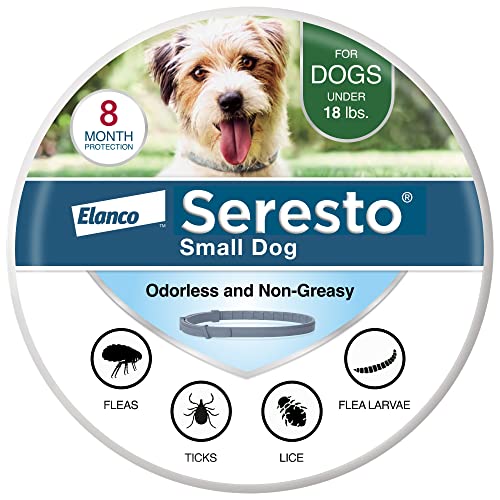
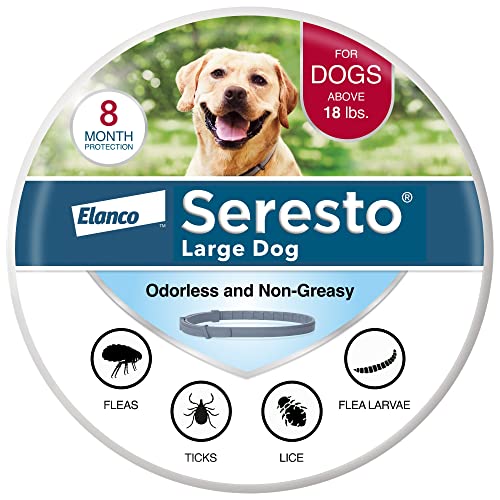
Flea Collars for Dogs: Complete Guide to Protection & Safety
Everything you need to know about choosing, using, and maximizing the effectiveness of flea collars for your dog — from how they work to safety considerations and expert recommendations.
Fleas are more than just a nuisance — they cause intense itching, skin infections, allergic reactions, and can transmit tapeworms to your dog. A single flea can lay hundreds of eggs in your home, creating an infestation that takes weeks or months to eliminate. For dog owners seeking a convenient, long-lasting flea prevention method, flea collars offer an appealing solution: put it on once and forget about it for months.
But are flea collars actually effective? Are they safe for all dogs? And how do they compare to spot-on treatments and oral medications? This guide answers those questions and more, helping you make an informed decision about whether a flea collar is right for your dog. Whether you are dealing with an active infestation or looking for preventive protection, understanding how flea collars work is the first step toward effective flea control. For a broader overview of parasite prevention, see our guide on flea and tick preventative for dogs.
How Flea Collars Work
Flea collars are not just ordinary collars soaked in chemicals. They are designed to slowly release active ingredients that spread across your dog's skin and coat, providing continuous protection against fleas and sometimes ticks and mosquitoes.
The Mechanism of Action
Most flea collars work through one of two primary mechanisms:
- Insecticide release: The collar contains an insecticide (such as tetrachlorvinphos, propoxur, or deltamethrin) that migrates along the hair follicles and spreads across the skin. When a flea comes into contact with the treated skin or hair, it absorbs the chemical and dies. This is called a "contact kill" mechanism.
- Insect growth regulator (IGR) release: Some collars contain IGRs like methoprene or pyriproxyfen, which don't kill adult fleas directly but prevent flea eggs and larvae from developing into adults. This breaks the flea life cycle and stops infestations from growing.
- Repellent action: Certain collars, particularly those containing amitraz or flumethrin, repel ticks and mosquitoes before they bite, reducing the risk of disease transmission.
Key Point: Flea collars work best as part of an integrated flea control program. They kill fleas on your dog, but they don't treat your home or yard. If you have an active infestation, you'll need to treat the environment as well — washing bedding, vacuuming thoroughly, and possibly using premise sprays or powders. For comprehensive flea treatment guidance, see our article on flea treatment for dogs.
How Quickly Do They Work?
Flea collars don't provide instant relief. After putting on a new collar, it typically takes 24-48 hours for the active ingredients to distribute across your dog's body. Full protection may take up to a week. During this initial period, your dog may still be vulnerable to fleas. If your dog already has fleas, a collar alone may not provide fast enough relief — you may need a faster-acting treatment like a flea pill that kills fleas instantly or a flea shampoo to get the infestation under control.
Types of Flea Collars
Not all flea collars are created equal. They vary significantly in active ingredients, duration of protection, safety profile, and effectiveness. Understanding these differences is essential for choosing the right product for your dog.
Insecticide-Only Collars
These are the most common and affordable type. They contain a single insecticide that kills adult fleas on contact. Entry-level collars may last 1-3 months, while mid-range versions can last 4-6 months. They do not kill flea eggs or larvae, so they won't break the life cycle on their own. Best for dogs with mild flea exposure or as a supplemental preventive.
Entry-Level to Mid-RangeIGR-Combination Collars
These collars combine an adulticide with an insect growth regulator (IGR). The adulticide kills adult fleas, while the IGR prevents eggs and larvae from developing. This dual action helps break the flea life cycle more effectively. They typically last 4-8 months and are ideal for dogs in areas with high flea populations or those with a history of infestations.
Mid-Range to PremiumRepellent & Multi-Parasite Collars
These premium collars contain ingredients like amitraz, flumethrin, or imidacloprid that not only kill fleas but also repel and kill ticks, mosquitoes, and sometimes lice. They provide broader protection and are ideal for dogs who spend time in wooded or tick-infested areas. Duration varies from 6 to 12 months depending on the product. They are the most expensive option.
Premium to LuxuryNatural & Herbal Collars
These collars use plant-based ingredients like essential oils (citronella, eucalyptus, peppermint, cedarwood) instead of synthetic chemicals. They are marketed as safer for sensitive dogs, but their effectiveness is generally lower and shorter-lasting. They may repel fleas but rarely kill them. Best for dogs with chemical sensitivities or as a mild deterrent in low-risk environments.
Budget-Friendly to Mid-RangeHow to Choose the Right Flea Collar
With so many options available, selecting the right flea collar can feel overwhelming. Use these criteria to narrow down your choices and find the best fit for your dog's needs.
Key Factors to Consider
- Age and weight of your dog: Most flea collars are only approved for dogs over a certain age (often 12 weeks) and weight (often 5 pounds). Puppies are more sensitive to chemicals, so never use an adult collar on a puppy. For puppies, look for products specifically labeled as safe for their age group. If your puppy is too young for a collar, consider a flea and tick shampoo for puppies under 12 weeks as a temporary alternative.
- Active ingredients: Check the label for the active ingredients and their concentrations. Some dogs may be sensitive to certain chemicals. If your dog has seizures or a history of neurological issues, avoid collars containing tetrachlorvinphos or propoxur. Look for safer alternatives like flea and tick medicine for dogs with seizures.
- Duration of protection: Decide how long you want the collar to last. If you prefer a set-it-and-forget-it approach, a premium collar that lasts 8 months may be more convenient than a budget collar that needs replacing every 3 months. Factor in the cost per month of protection.
- Parasite coverage: Determine whether you need protection against fleas only, or also ticks and mosquitoes. If you live in a tick-heavy area or travel with your dog to wooded regions, choose a collar with proven tick repellent properties. For comprehensive protection, consider pairing with a flea and tick and heartworm medicine for dogs.
- Water resistance: If your dog swims or gets bathed frequently, look for a water-resistant collar. Some collars lose effectiveness when wet, while others are designed to remain effective even after exposure to water. Always check the label for water resistance claims.
- Safety features: Look for collars with safety release mechanisms or breakaway buckles to prevent choking if the collar gets caught on something. This is especially important for dogs who play roughly or spend time in fenced yards. Also, check for any precautionary statements about use around children or other pets.
Pro Tip: Before committing to a flea collar, read customer reviews and consult your veterinarian. What works well for one dog may not work for another. Your vet can recommend specific brands or active ingredients based on your dog's health status, lifestyle, and local parasite risks. If you're unsure whether a collar is enough, ask about combining it with other preventive measures like flea and tick chewables.
Effectiveness & Limitations
Flea collars are not a magic bullet. Their effectiveness depends on the product, the severity of the infestation, and how consistently they are used. Understanding their limitations helps you set realistic expectations and integrate them properly into a broader flea control strategy.
What Flea Collars Do Well
- Convenience: Once applied, a flea collar provides continuous protection without the need for monthly applications. This is ideal for owners who struggle to remember regular treatments.
- Long-lasting protection: Premium collars can protect for 6-12 months, making them a cost-effective option when calculated on a per-month basis.
- Kills adult fleas: Most collars effectively kill adult fleas that come into contact with the treated coat, reducing the flea population on your dog.
- Breaks the life cycle: Collars containing IGRs prevent eggs and larvae from developing, helping to stop infestations from worsening.
- Repels ticks and mosquitoes: Some collars offer additional protection against other parasites, reducing the risk of tick-borne diseases.
Limitations to Be Aware Of
- Not instantaneous: Flea collars take time to distribute active ingredients across the body. They are not a quick fix for an active infestation. You may need a faster-acting treatment like a flea pill that kills fleas instantly to get immediate relief.
- Limited environmental control: Flea collars treat your dog, not your home or yard. If your home is infested with fleas, collars alone won't solve the problem. You must also treat the environment through vacuuming, washing bedding, and potentially using premise sprays.
- Reduced effectiveness over time: The active ingredients in flea collars diminish over time. Even if the collar looks intact, it may no longer be releasing enough chemical to be effective. Always replace according to the manufacturer's schedule.
- Potential for chemical resistance: In some areas, flea populations have developed resistance to certain insecticides used in collars. If you notice fleas surviving despite proper collar use, switch to a different active ingredient or consider alternative treatments.
- Not suitable for all dogs: Some dogs may be allergic or sensitive to the chemicals in flea collars, experiencing skin irritation or more serious reactions. Puppies, senior dogs, and dogs with certain health conditions may not be good candidates for collars.
- Variable effectiveness: Studies show that flea collar effectiveness varies widely. Some products perform well in independent tests, while others fail to deliver promised protection. Research before buying.
Safety Considerations
Flea collars contain pesticides, and like any pesticide, they must be used responsibly. While serious adverse reactions are rare, they do occur. Understanding the risks and taking precautions can help keep your dog safe.
Potential Risks and Side Effects
- Skin irritation: Some dogs develop redness, itching, or hair loss at the site where the collar contacts the skin. This is usually mild and resolves after removing the collar.
- Allergic reactions: More severe reactions can include hives, swelling, difficulty breathing, or vomiting. If you notice any of these signs, remove the collar immediately and contact your veterinarian.
- Neurological symptoms: In rare cases, dogs may experience tremors, seizures, or ataxia (loss of coordination) from flea collar chemicals. Dogs with pre-existing seizure disorders are at higher risk. If your dog has seizures, discuss safer alternatives with your vet, such as flea and tick medicine that doesn't cause seizures.
- Toxicity from ingestion: If your dog chews on or swallows a flea collar, it can cause poisoning. Signs include vomiting, diarrhea, drooling, lethargy, and neurological symptoms. Contact your vet or pet poison control immediately.
- Risk to children and other pets: Some flea collar ingredients, particularly tetrachlorvinphos, have been linked to health concerns in humans, especially children. Wash your hands after handling the collar, and keep children from playing with it.
Important Safety Note: Never use a flea collar on a dog that is sick, pregnant, nursing, or under 12 weeks old unless specifically approved by your veterinarian. Never use multiple flea products simultaneously without veterinary guidance, as the combined chemicals can cause toxicity. If your dog has sensitive skin, look for products formulated for sensitive dogs, such as flea and tick shampoo for dogs with sensitive skin or consult your vet about best flea and tick treatment for dogs with sensitive skin.
How to Minimize Risks
- Buy from reputable brands and authorized retailers. Counterfeit or expired products may contain harmful substances or ineffective ingredients.
- Follow the instructions exactly. Do not cut the collar to fit — this can release too much chemical at once. Choose the correct size for your dog's neck.
- Monitor your dog for the first few days after applying a new collar. Watch for any signs of irritation or adverse reactions.
- Wash your hands thoroughly after handling the collar, especially before eating or touching your face.
- Store unused collars in their original packaging, away from children and pets.
- Remove the collar if your dog develops any reaction, and consult your vet before using it again.
Proper Usage & Maintenance
Getting the most out of a flea collar requires proper application and maintenance. Follow these guidelines to ensure maximum effectiveness and safety.
Step-by-Step Application
- Choose the right size: Flea collars come in different sizes for different neck circumferences. Measure your dog's neck and select the appropriate size. A collar that is too tight can cause discomfort and skin irritation; one that is too loose may not provide effective coverage and can be a choking hazard.
- Fit it properly: You should be able to fit two fingers between the collar and your dog's neck. The collar should be snug but not tight. If your dog has a thick coat, you may need to part the fur to ensure the collar makes contact with the skin.
- Trim the excess: After fitting, cut off any excess length, leaving about two inches. Do not cut the buckle or the active ingredient strip. Dispose of the trimmed piece safely, away from children and pets.
- Monitor for reactions: For the first 24-48 hours, watch your dog for signs of irritation, lethargy, or other adverse effects. If you notice anything unusual, remove the collar and contact your vet.
- Replace on schedule: Mark your calendar for the replacement date. Even if the collar looks fine, its effectiveness diminishes over time. Do not wait until you see fleas again to replace it.
Maximizing Effectiveness
- Combine with environmental control: Flea collars treat your dog, but fleas in your home and yard can reinfest your pet. Vacuum frequently, wash bedding in hot water, and treat your yard if necessary. For heavy infestations, consider a flea and tick and mosquito prevention for dogs program that addresses all life stages.
- Don't bathe immediately after applying: Wait at least 48 hours after putting on a new collar before bathing your dog. Bathing too soon can wash away the active ingredients before they've had time to distribute. Some collars are water-resistant, but even those may lose some effectiveness if soaked immediately.
- Use a flea comb regularly: Even with a collar, check your dog weekly with a flea comb. This helps you catch any fleas early and monitor whether the collar is working. Pay special attention to the neck, back, and tail base — common flea hangouts.
- Watch for signs of flea infestation: If your dog continues to scratch, has visible fleas, or shows signs of flea allergy dermatitis (red, irritated skin, hair loss), the collar may not be sufficient. You may need to switch to a different product or combine with other treatments. If you're struggling with persistent fleas, see our article on I can't get rid of fleas on my dog for additional strategies.
When to Remove a Flea Collar
There are times when you should temporarily remove a flea collar:
- If your dog develops any skin irritation, redness, or hair loss at the collar site.
- If your dog shows signs of systemic reaction such as vomiting, diarrhea, lethargy, or neurological symptoms.
- Before surgery or certain medical procedures, as some chemicals may interact with anesthesia.
- If your dog is scheduled for a vet visit where a different flea treatment will be applied.
- If your dog will be swimming in a lake or pool where the chemicals could leach into the water (for non-water-resistant collars).
Flea Collars vs Other Treatments
Flea collars are just one option in a crowded market of flea control products. How do they stack up against spot-on treatments, oral medications, and shampoos?
| Treatment Type | Speed of Kill | Duration | Pros | Cons |
|---|---|---|---|---|
| Flea Collars | 24-48 hours | 1-12 months | Convenient, long-lasting, no monthly application | Variable effectiveness, slower kill, chemical sensitivity risk |
| Spot-On Treatments | 12-24 hours | 1 month | Fast-acting, effective, easy to apply | Monthly application, can leave greasy residue, not for all dogs |
| Oral Medications | 30 min - 4 hours | 1-3 months | Fastest kill, no residue, effective | Requires ingestion, some dogs refuse pills, prescription often needed |
| Flea Shampoos | Immediate | 1-7 days | Instant relief, kills fleas on contact | Short-lasting, requires bathing, not preventive |
| Flea Sprays | Immediate | 1-3 days | Fast-acting, good for targeted areas | Short-lasting, requires application, can be stressful for dogs |
When choosing between these options, consider your dog's lifestyle, health status, and your own preferences. Many owners combine treatments for maximum protection — for example, using a flea collar for continuous prevention and a flea pill for instant kill during peak flea season. Always consult your vet before combining treatments.
Which Is Right for You? If you want convenience and long-lasting protection with minimal effort, a flea collar is a solid choice. If you need fast relief for an active infestation, an oral medication or shampoo may be better. If your dog has sensitive skin or seizures, consult your vet about the safest option — possibly a flea and tick chewable or a topical treatment formulated for sensitive dogs.
Frequently Asked Questions
Bottom Line: Flea collars for dogs offer a convenient, long-lasting option for flea prevention when chosen and used correctly. They are not a one-size-fits-all solution, and their effectiveness varies by product and individual dog. For the best results, use a high-quality collar that matches your dog's age, weight, and health status, and combine it with environmental flea control and regular veterinary checkups. If you're unsure which product is right for your dog, consult your vet. With the right approach, you can keep your dog flea-free and comfortable year-round. For a complete flea control strategy, explore our related guides on flea treatment for dogs and flea prevention for dogs.