Flea Treatment for Dogs: The Complete Guide
Everything you need to know about eliminating fleas from your dog, choosing the right flea treatment, and preventing reinfestation — from fast-acting oral pills to long-term preventive solutions.
Fleas are more than just an itchy nuisance — they are a serious health threat to your dog. These tiny parasites can cause flea allergy dermatitis, transmit tapeworms, and in severe infestations, cause anemia that can be life-threatening for puppies and small dogs. A single female flea can lay up to 50 eggs per day, meaning a small problem can become a full-blown household infestation in a matter of weeks.
The good news? Modern flea treatments are highly effective when used correctly. This guide walks you through every option available — from fast-acting oral flea pills to long-term preventive treatments — so you can make an informed decision for your dog's health.
Understanding Dog Fleas
To effectively eliminate fleas, you need to understand their life cycle. Only about 5% of a flea infestation consists of adult fleas living on your dog. The other 95% — eggs, larvae, and pupae — live in your home and yard. This is why treating only your dog is rarely enough to solve the problem.
The Four Stages of the Flea Life Cycle
- Eggs: A female flea lays 20-50 eggs per day on your dog's skin. These eggs quickly fall off into bedding, carpets, and furniture. They hatch within 1-10 days depending on temperature and humidity.
- Larvae: After hatching, larvae burrow into dark, protected areas like carpet fibers, cracks in flooring, and pet bedding. They feed on organic debris (including adult flea feces) for 5-18 days before spinning a cocoon.
- Pupae: The cocoon stage is the most resistant to treatment. Pupae can survive for months in favorable conditions and emerge as adults when they detect warmth, vibration, or carbon dioxide from a host.
- Adults: Adult fleas live on your dog, feed on blood, and begin laying eggs within 24-48 hours. They can live 2-3 months on a host. This is the stage most treatments target, which is why repeated treatment is necessary.
Why This Matters: Because 95% of the flea population is in the environment, effective flea control requires treating both your dog AND your home. Missing either half means fleas will keep coming back.
Signs Your Dog Has Fleas
Not all dogs react to fleas the same way. Some dogs are intensely itchy and show obvious signs, while others barely scratch despite carrying a significant flea load. Here's what to look for:
- Intense scratching and biting: Especially around the tail base, hindquarters, neck, and ears. This is the most common sign, caused by flea saliva triggering an allergic reaction.
- Flea dirt: Small black specks on your dog's skin that look like pepper. Place a speck on a damp paper towel — if it turns reddish-brown, it's flea feces (digested blood).
- Live fleas: Fast-moving tiny insects, about the size of a sesame seed. Part the fur around the tail base and armpits — this is where fleas prefer to congregate.
- Hair loss: Excessive scratching and biting can lead to patches of missing fur, particularly on the lower back and tail base.
- Hot spots and raw skin: Self-trauma from scratching can create open sores that risk secondary bacterial infections.
- Restlessness and irritability: Flea bites are painful — affected dogs often seem agitated, anxious, or unable to settle.
- Anemia: In severe infestations, especially in puppies or small dogs, pale gums and lethargy indicate blood loss from flea feeding.
Quick Test: Stand your dog on a white towel or paper towel and brush their coat vigorously. If you see tiny black specks fall onto the white surface, your dog has flea dirt. Even if you don't see live fleas, flea dirt means fleas are present.
Types of Flea Treatment for Dogs
Modern flea treatments fall into several categories, each with different advantages and ideal use cases. Understanding these options helps you choose the right product for your dog's specific situation.
Oral Flea Pills
The fastest-acting option. Oral medications like spinosad or nitenpyram start killing fleas within 30 minutes to 4 hours. Ideal for dogs with active infestations or those who dislike topical treatments. Some are combined with heartworm prevention for broader protection. Requires a veterinary prescription.
Premium — fast-actingTopical Spot-On Treatments
Applied between the shoulder blades, these monthly treatments spread through the skin's oil layer and kill fleas on contact. Popular brands offer protection lasting 30 days. Waterproof options exist for dogs who swim. Requires careful application to avoid gaps in coverage.
Mid-range — popular choiceFlea Collars
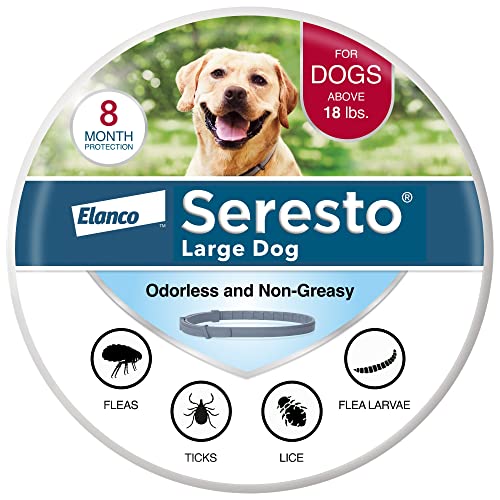
Offer continuous protection for 6-8 months depending on the product. Modern veterinary-grade collars are far more effective than old-fashioned collars. Ideal for dogs with busy owners who want a low-maintenance option. Effectiveness can diminish if the collar gets wet frequently.
Budget-friendly — long-lastingFlea Sprays and Shampoos
Best for immediate relief and as part of a multi-step approach. Flea shampoos kill fleas on contact during the bath. Sprays offer residual protection but require thorough application. Excellent as an adjunct to other treatments, not a standalone long-term solution.
Entry-level — immediate useCombination Products
Treat multiple parasites in one product — often fleas, ticks, and heartworm in a single chewable or topical. Convenient for owners who prefer minimal applications. May be more expensive than single-purpose products but offer comprehensive protection.
Premium — all-in-onePrescription vs. OTC
Prescription treatments typically contain newer, more effective active ingredients and are backed by clinical testing. Over-the-counter options vary widely in efficacy. Some OTC products use older chemicals that fleas have developed resistance to. Always consult your vet first.
Varies by productFast Relief: What to Do When Your Dog Has Fleas Right Now
If your dog is currently suffering from a flea infestation, you need a plan that provides immediate relief while also addressing the long-term problem. Here's a step-by-step approach:
- Give an oral flea pill for instant kill: If your dog is old enough (usually 8-14 weeks depending on the product) and in good health, an oral flea pill provides the fastest relief, killing adult fleas within hours. This stops the itching and prevents further egg-laying immediately.
- Bathe your dog with flea shampoo: A flea shampoo bath physically removes fleas and flea dirt from your dog's coat. Use lukewarm water and work the shampoo into a lather, leaving it on for the recommended time. This is especially important for puppies too young for some medications.
- Use a flea comb: After bathing, comb through your dog's coat with a fine-toothed flea comb, dipping it in soapy water after each stroke to drown captured fleas. Focus on the tail base, neck, and armpits.
- Treat the environment immediately: Vacuum all carpets, rugs, furniture, and your car. Pay special attention to areas where your dog rests. Discard the vacuum bag immediately in an outdoor bin. Wash all pet bedding in hot water.
- Start a long-term preventive: Once the immediate crisis is under control, begin a monthly preventive treatment to prevent reinfestation. Choose a product that suits your dog's lifestyle and your preferences — topical, oral, or collar.
- Treat all pets in the household: Fleas don't discriminate — if you have multiple dogs or cats, every pet needs treatment. Fleas from untreated pets will quickly reinfest treated ones.
Important: If your dog has a severe infestation, shows signs of anemia (pale gums, weakness, lethargy), or has sensitive skin with severe reactions, contact your veterinarian immediately. Severe flea infestations can be life-threatening, especially for puppies and senior dogs.
Flea Treatment Comparison
Use this comparison table to understand how different treatment types stack up against each other:
| Treatment Type | Speed of Kill | Duration | Waterproof | Best For |
|---|---|---|---|---|
| Oral Flea Pills | 30 min – 4 hours | 24 hours – 1 month | Yes | Active infestations, fast relief |
| Topical Spot-On | 12 – 24 hours | 30 days | Varies by brand | Monthly maintenance |
| Flea Collars | 24 – 48 hours | 6 – 8 months | Some are | Low-maintenance prevention |
| Flea Shampoo | Immediate (during bath) | No residual | N/A | Immediate relief, puppies |
| Flea Sprays | Contact | Days – weeks | Varies | Adjunct treatment, bedding |
| Combination Chews | 30 min – 4 hours | 1 – 3 months | Yes | Comprehensive parasite control |
For dogs with sensitive skin or allergies to topical products, an oral flea and tick treatment may be more suitable. Conversely, if you prefer not to give oral medications, a quality topical product is an excellent choice.
Treating Your Home and Environment
As mentioned earlier, 95% of fleas live off your dog. Failing to treat the environment means fleas will continue to hatch and reinfest your dog within days. Here's how to break the cycle:
Indoor Treatment
- Vacuum thoroughly: Vacuum all floors, carpets, rugs, upholstered furniture, and crevices. The vibration and warmth of the vacuum encourage pupae to emerge as adults, where they can be killed by your flea treatment. Vacuum every 2-3 days for at least 2-3 weeks. Dispose of the vacuum bag immediately in an outdoor bin.
- Wash all bedding: Wash your dog's bedding, your own bedding, and any blankets or throws your dog uses in hot water (at least 140°F/60°C). This kills all flea life stages.
- Use a household flea spray: Choose a product that contains an insect growth regulator (IGR) to prevent larvae from developing into adults. Treat all areas where your dog spends time — under furniture, along baseboards, and in cracks. Ventilate the area and keep pets away during application.
- Consider a flea fogger: For severe infestations, a flea fogger or bomb can treat an entire room. Follow instructions carefully, remove food and dishes, and vacate the premises for the recommended time. Foggers don't penetrate carpets deeply, so vacuuming is still essential.
- Repeat treatment: Because the flea life cycle is 3-4 weeks, you must repeat environmental treatment after 2-3 weeks to kill newly emerged fleas. Consistent treatment is the key to elimination.
Outdoor Treatment
- Keep your lawn short: Fleas prefer tall grass and shaded areas. Mowing regularly reduces harborage sites.
- Remove debris: Rake up leaves, grass clippings, and other organic matter where fleas and larvae can hide.
- Treat kennels and dog runs: If your dog spends time in a kennel or outdoor run, treat the area with a pet-safe insecticide. Wash bedding regularly and allow the area to dry thoroughly.
- Discourage wildlife: Opossums, raccoons, and stray cats can introduce fleas to your yard. Secure garbage cans and avoid leaving pet food outdoors.
- Use nematodes: Beneficial nematodes (microscopic worms) can be applied to lawns to kill flea larvae. This is a natural, eco-friendly option for outdoor flea control.
Natural and Home Remedies
Some owners prefer to try natural approaches before or alongside conventional treatments. While natural remedies are generally less effective than veterinary medications, they can be useful adjuncts for mild cases or for owners who prefer a holistic approach.
Remedies That May Help
- Flea combing: Daily combing with a fine-toothed flea comb physically removes fleas. Dip the comb in soapy water after each stroke. Best for dogs with short coats and minor flea problems.
- Diatomaceous earth (food grade): Sprinkle on carpets and bedding, leave for 24-48 hours, then vacuum. It dehydrates flea larvae. Must be food grade — pool-grade DE is dangerous. Can irritate respiratory tracts, so use caution.
- Apple cider vinegar: Adding a small amount to your dog's water or using a diluted spray on the coat may make the skin less appealing to fleas. Evidence is anecdotal, but it is safe for most dogs.
- Lemon spray: Simmer sliced lemons in water, strain, and use as a spray on your dog's coat. Citric acid can repel fleas. Store in the refrigerator and use within a few days.
- Flea-repelling plants: Plant lavender, chrysanthemums, and marigolds around your yard to naturally repel fleas. The effect is limited but harmless.
⚠️ Important Safety Warning:
Never use essential oils on dogs without veterinary approval. Many essential oils — including tea tree, peppermint, eucalyptus, and citrus — are toxic to dogs. Cats are even more sensitive. Symptoms of essential oil toxicity include vomiting, lethargy, difficulty walking, and seizures.
Do not use dog flea products on cats. Permethrin, a common ingredient in dog flea treatments, is highly toxic and often fatal to cats.
Home remedies are not a substitute for veterinary care. For moderate to severe infestations, or for dogs with flea allergy dermatitis, prescription treatments are the safest and most effective option.
If you're looking for a gentle option for a dog with sensitive skin, a homemade flea shampoo made with mild soap and oatmeal can provide relief without harsh chemicals. A home remedy to kill ticks and fleas can be useful for mild cases but should not replace a proven preventive for dogs with active flea exposure.
Year-Round Flea Prevention
The most effective flea treatment is prevention. Once you've eliminated an active infestation, keeping your dog on a consistent preventive regimen is essential to prevent reinfestation — especially if you live in a warm climate where fleas thrive year-round.
Choosing the Right Preventive
Consider these factors when selecting a preventive:
- Your dog's lifestyle: Does your dog swim or get bathed frequently? Choose a waterproof product. Is your dog outdoors often? A product with rapid kill speed is important.
- Your dog's health: Some products are not suitable for puppies under a certain age or weight, pregnant or nursing dogs, or dogs with certain health conditions. Always consult your vet.
- Other pets in the home: If you have cats, ensure any product you use on your dog is not toxic to cats. Some dog products can be dangerous for cats even through contact.
- Your preferences: Do you prefer oral medications (no residue, waterproof) or topical treatments (no pill administration)? Collars offer convenience if you remember to replace them on schedule.
- Geographic location: If you live in a region with cold winters, fleas may die off outdoors. But indoor heating and wildlife can keep fleas alive year-round. Many vets recommend year-round prevention regardless of climate.
Pro Tip: Mark your calendar for monthly preventive doses. If you have trouble remembering, set a recurring reminder on your phone. Missing a dose — even by a few days — can leave your dog vulnerable to reinfestation. If you're using a 3-monthly flea, tick, and worm treatment, mark the calendar for every 12 weeks.
Some owners combine products for maximum protection. A flea, tick, and heartworm chewable offers comprehensive parasite control in one convenient dose. Others prefer to use a flea-only product alongside a separate heartworm preventive. Discuss the best combination for your dog with your veterinarian.
Common Flea Treatment Mistakes
These errors are surprisingly common — and they can make the difference between a flea-free home and a never-ending battle:
- Treating only the dog, not the environment. As we've emphasized, 95% of fleas are in the environment. Treating only your dog guarantees reinfestation within days.
- Using the wrong product for your dog's weight. Flea medications are dosed by weight. Applying a product for a large dog on a small dog can cause serious side effects. Always weigh your dog accurately and use the correct size product.
- Skipping doses or applying late. Flea preventives have a limited window of effectiveness. Missing a dose or applying late creates a gap in protection, allowing fleas to re-establish.
- Bathing immediately after applying topical treatment. Most topical flea treatments need 24-48 hours to spread through the skin's oil layer. Bathing too soon washes away the medication before it can work. Wait at least 48 hours before bathing (or use a waterproof product).
- Using dog products on cats. This is a potentially fatal mistake. Many dog flea products contain permethrin, which is highly toxic to cats. Always use species-specific products.
- Stopping treatment too soon. Flea pupae can survive for months in the environment. Stopping treatment after seeing no live fleas may allow hidden pupae to emerge and restart the infestation. Continue treatment for at least 3 months after the last sign of fleas.
- Not treating all pets simultaneously. Fleas move easily between pets. Treat every dog and cat in the household at the same time to prevent reinfestation.
- Using expired or improperly stored products. Expired medications may lose potency. Store flea products at room temperature and check expiration dates before use.
If you've tried multiple treatments and still can't get rid of fleas, our guide on what to do when you can't get rid of fleas offers additional troubleshooting strategies. And if you've found just one flea but no more, our article on finding one flea on your dog helps you assess whether it's an isolated incident or the start of an infestation.
Frequently Asked Questions
Bottom Line
Effective flea treatment requires a two-pronged approach: kill the fleas on your dog and eliminate the flea life stages in your environment. For active infestations, start with a fast-acting oral flea pill or flea shampoo for immediate relief, then begin a monthly preventive to stop reinfestation. Treat your home thoroughly — vacuum, wash bedding, and use a household flea spray — and treat all pets in the household simultaneously. When in doubt, consult your veterinarian for the safest and most effective product for your dog's age, weight, and health status. With consistency and the right products, you can win the battle against fleas and keep your dog comfortable year-round.