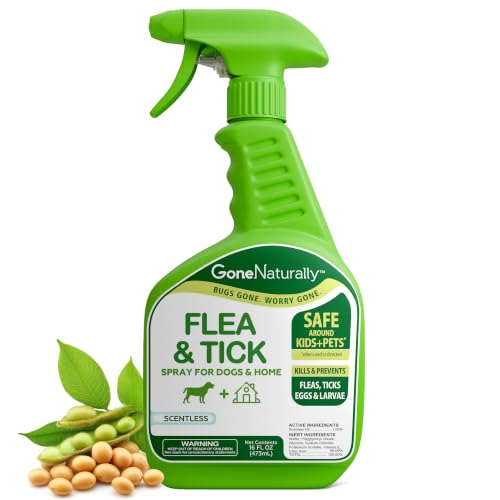
Home Remedies to Kill Ticks and Fleas on Dogs
Discover safe, natural, and effective home remedies to eliminate fleas and ticks from your dog — plus when home treatment is enough and when you need a vet.
Fleas and ticks are more than just a nuisance — they are disease carriers that can seriously harm your dog's health. A single flea can lay up to 50 eggs per day, and ticks can transmit Lyme disease, ehrlichiosis, and other dangerous infections. If you are dealing with an infestation, you want fast, effective solutions that won't break the bank or expose your dog to harsh chemicals.
Home remedies can be remarkably effective when used correctly — but not all DIY solutions are safe. Some popular internet remedies are outright dangerous for dogs. This guide separates proven, safe home treatments from risky myths, so you can make informed decisions for your dog's health.
Important Note: Home remedies are best for mild infestations or as supplemental support alongside proven flea and tick prevention. For severe infestations, persistent problems, or if your dog shows signs of illness, consult your veterinarian. If you need reliable, vet-approved options, explore our guide to flea and tick preventatives for dogs.
Understanding the Flea & Tick Threat
Before treating your dog, it helps to understand what you're up against. Fleas and ticks have different life cycles and behaviors, which means the treatment approach must address both the adult parasites on your dog and the eggs, larvae, and pupae in your environment.
Flea Life Cycle
Only about 5% of a flea infestation is visible on your dog. The other 95% exists in your home and yard as eggs, larvae, and pupae. This is why treating only the dog is never enough — you must treat the environment simultaneously.
- Eggs: Laid on the dog, fall off into bedding and carpets. Hatch within 2-14 days.
- Larvae: Hide in dark crevices, feeding on organic matter. Develop in 5-18 days.
- Pupae: Protected by a tough cocoon resistant to most treatments. Can survive up to a year.
- Adults: Emerge when they detect warmth and movement, jumping onto your dog to feed.
Tick Behavior
Ticks wait in tall grass and brush — a behavior called questing — with their front legs outstretched to grab passing hosts. Once on your dog, they find a warm, protected spot to attach and feed slowly over several days.
- Attachment: Ticks often hide in ears, between toes, under collars, and around the tail base.
- Disease transmission: Most infections occur after 24-48 hours of attachment.
- Engorgement: Ticks swell dramatically as they feed, becoming easier to spot over time.
- Environment: Ticks do not infest homes the way fleas do — they live outdoors in vegetation.
Why Home Remedies Alone Often Fail: Most DIY treatments kill only adult parasites on your dog at the moment of application. Within days, new fleas emerge from your carpet and new ticks attach during walks. Sustainable control requires combining home treatment with proven prevention. If you are unsure which prevention suits your dog, read our breakdown of the safest and most effective flea and tick treatments for dogs.
Fastest Home Remedies That Actually Work
When your dog is itching and you can see fleas crawling, you need something that works now. These remedies are ranked by how quickly they provide relief.
Dish Soap Flea Bath
Fill a tub with warm water and add a few drops of mild dish soap. Submerge your dog up to the neck for 5-10 minutes. The soap breaks surface tension, drowning fleas quickly. Rinse thoroughly and comb out dead fleas. Repeat every 2-3 days during an infestation.
Entry-level • FastestFine-Tooth Flea Comb
Run a fine-tooth flea comb through your dog's coat, dipping the comb into soapy water after each pass to drown captured fleas. Focus on the back, tail base, and belly. This is not a standalone cure but an excellent way to monitor and remove adult fleas daily.
Entry-level • Daily useDiatomaceous Earth
Food-grade diatomaceous earth (DE) dehydrates fleas and their larvae on contact. Dust it lightly on carpets, bedding, and hard floors — never directly on your dog's face. Let it sit 24-48 hours, then vacuum thoroughly. Reapply after rain or vacuuming. Wear a mask during application.
Mid-tier • Effective on larvaeSalt Water Dip
A concentrated salt water solution can kill fleas on contact. Mix 1 cup of salt into a gallon of warm water, sponge onto your dog's coat (avoiding the face and eyes), let sit 5 minutes, then rinse thoroughly. Salt can dry out skin, so follow with a moisturizing rinse and use sparingly.
Budget-friendly • Moderate speedLemon Citrus Spray
Simmer sliced lemons in water for 10 minutes, strain, and cool. Spray onto your dog's coat (avoiding eyes) as a repellent. The scent and citric acid repel fleas, though it kills only on direct contact. Do not use on cats — citrus is toxic to them.
Affordable • RepellentApple Cider Vinegar Rinse
Dilute equal parts ACV and water, spray onto your dog's coat, and massage into the fur. ACV may help balance skin pH and soothe irritation, but it does not kill fleas or ticks reliably. Never apply undiluted — it can burn skin. Use as a repellent supplement, not a cure.
Budget-friendly • SupplementalFor a full comparison of home remedies versus commercial products, see our guide to the best things to get rid of fleas on a dog. If your dog has sensitive skin, our article on the best flea and tick treatment for dogs with sensitive skin is essential reading before trying any new product.
Safe Tick Removal at Home
Finding a tick on your dog is stressful, but prompt, correct removal dramatically reduces the risk of disease transmission. Do not panic, and do not attempt any of the "old wives' tales" like burning the tick or applying petroleum jelly — these methods can cause the tick to regurgitate dangerous pathogens into your dog.
Step-by-Step Tick Removal
- Gather supplies: Fine-tipped tweezers, gloves, antiseptic, and a small sealed container. If you have a tick removal tool, even better — these are designed to remove ticks without squeezing.
- Part the fur around the tick and expose the entire body. Do not apply anything to the tick before removal.
- Grasp the tick as close to the skin as possible with the tweezers. Do not grab the swollen abdomen.
- Pull straight up with steady, even pressure. Do not twist or jerk — this can break off the mouthparts.
- Check for remaining mouthparts. If any remain in the skin, try to remove them with clean tweezers. If you cannot, leave them — they usually work their way out and rarely cause problems.
- Clean the bite area with antiseptic and wash your hands thoroughly.
- Save the tick in a sealed container labeled with the date. If your dog develops symptoms like fever, lethargy, or joint pain, your vet can test the tick for pathogens.
Aftercare: Monitor the bite site for 2-4 weeks. Watch for redness, swelling, or signs of illness such as lethargy, loss of appetite, or lameness. Contact your vet if anything seems off. Keeping a tick removal log helps you track potential exposure. A dog first aid kit with tick removal tools makes this process much easier during hikes or travel.
DIY Sprays, Powders & Dips
Homemade sprays and powders give you more control over ingredients and cost. However, always test on a small patch of skin first, and never use essential oils without veterinary approval — many are toxic to dogs.
Homemade Flea & Tick Spray Recipe
A gentle, dog-safe spray for mild cases:
- 1 cup water (distilled or filtered)
- 1 cup apple cider vinegar (diluted — never use undiluted on skin)
- A few drops of dog-safe essential oil such as lavender or cedarwood (optional, only if your vet approves)
- A splash of mild Castile soap (helps the spray adhere)
Mix in a spray bottle, shake well, and mist lightly over your dog's coat, avoiding the face and eyes. Do not saturate. Store in the refrigerator for up to a week. This spray repels fleas and ticks but does not kill all life stages — combine with environmental treatment.
Toxic Essentials to Avoid: Tea tree oil, eucalyptus, peppermint, wintergreen, citrus oil, cinnamon, and clove oil are all toxic to dogs, especially in concentrated forms. Even "natural" essential oils can cause vomiting, seizures, and liver damage. Never use these on your dog, and never use any essential oil on puppies, pregnant dogs, or cats in the household.
If your dog has sensitive skin or a history of reactions, read our guide to homemade flea shampoo for dogs with sensitive skin before attempting any DIY treatment. For more options, our article on good over-the-counter flea treatment for dogs reviews vet-approved alternatives.
Treating Your Home & Yard
If you don't treat the environment, you'll never win the battle against fleas. Adult fleas on your dog represent only a tiny fraction of the infestation. Here's how to break the life cycle at every stage.
Indoor Treatment
- Vacuum everything daily during an infestation — carpets, furniture, baseboards, and under beds. Vacuuming removes eggs, larvae, and pupae, and stimulates fleas to emerge from cocoons where they can be killed. Seal and dispose of vacuum bags immediately.
- Wash all bedding in hot water — your dog's bed, blankets, and your own bedding if your dog sleeps with you. Use the hottest cycle possible and dry on high heat.
- Apply food-grade diatomaceous earth to carpets and crevices. Let it sit 24-48 hours, then vacuum. Reapply weekly until the infestation is resolved.
- Steam clean carpets and upholstery. The heat kills all life stages, including pupae that resist most treatments.
- Treat your yard by keeping grass short, removing leaf litter, and applying beneficial nematodes (available at garden centers) which prey on flea larvae in the soil.
Outdoor Tick Control
- Create a tick-safe zone: Clear tall grass and brush around your home's perimeter and keep a gravel or woodchip barrier between your lawn and wooded areas.
- Keep lawns mowed and remove leaf litter where ticks shelter.
- Check your dog after every outdoor excursion — especially after walks in tall grass or wooded areas.
- Use tick tubes (cardboard tubes stuffed with permethrin-treated cotton) in your yard to reduce tick populations on rodents, the primary tick hosts.
For comprehensive protection, read our guide on flea and tick preventative for dogs and dog flea treatment. If the infestation feels overwhelming, our article on I can't get rid of fleas on my dog walks through advanced strategies.
Dangerous Remedies to Avoid
The internet is full of "natural" remedies that are anything but safe. These common suggestions can harm or even kill your dog.
- Garlic and onion: Both are toxic to dogs and can cause life-threatening anemia. Garlic is sometimes suggested as a natural flea repellent — do not use it.
- Essential oils: As noted above, tea tree, eucalyptus, peppermint, and many other oils are toxic. Even diffusers can harm pets. Avoid entirely unless a vet explicitly recommends a specific diluted formula.
- Dish soap left on the coat: While a dish soap bath is safe when rinsed thoroughly, leaving soap on the coat dries out the skin and causes irritation. Always rinse completely.
- Diatomaceous earth directly on the dog's face: DE is safe for most dogs when used properly, but inhaling the dust can irritate lungs. Never apply to the face, and use a mask during application.
- Petroleum jelly or oil on ticks: This is dangerous — it can cause the tick to regurgitate pathogens into your dog's bloodstream. Remove ticks mechanically instead.
- Burning ticks with a match or hot needle: This can seriously burn your dog and does not safely remove the tick. Use tweezers.
- Over-the-counter flea products for dogs used on cats: Many dog flea products contain permethrin, which is highly toxic — and often fatal — to cats. Never use dog products on cats.
Signs of Poisoning: If your dog shows vomiting, diarrhea, excessive drooling, lethargy, tremors, or seizures after any home treatment, contact your vet or an animal poison control hotline immediately. Have the product label or ingredient list ready.
Prevention After Treatment
Once you've treated the active infestation, the goal shifts to preventing re-infestation. Fleas and ticks are persistent — a single untreated week can restart the entire cycle.
- Use proven prevention year-round: Monthly oral or topical products prescribed by your vet are the most reliable defense. Home remedies alone cannot match their efficacy. If you prefer to avoid a vet visit, read our guide to flea and tick medicine for dogs without vet prescription — but note that veterinary guidance is still recommended.
- Check your dog daily: Run a flea comb through the coat and do a tick check after every outdoor adventure. Pay attention to ears, armpits, toes, and the tail base.
- Keep your home clean: Vacuum weekly and wash dog bedding regularly even when there's no active infestation.
- Maintain your yard: Short grass, no leaf litter, and a tick-safe perimeter significantly reduce exposure.
- Monitor for symptoms: Watch for excessive scratching, hair loss, lethargy, or lameness — early detection makes treatment much easier.
For a permanent solution, consider combining home remedies with a veterinary-grade product. Our article on flea and tick chewables for dogs without a vet prescription reviews convenient chewable options, while our guide to the best over-the-counter flea and tick treatment for dogs compares popular choices. If you've found just one flea and aren't sure what to do, our piece on I found one flea on my dog but no more will help you assess the situation.
When Home Remedies Aren't Enough
Home remedies have their place, but there are times when veterinary intervention is essential. Delaying proper treatment can allow a minor infestation to become a major health crisis.
- Severe infestations: If your dog is covered in fleas, lethargic, or anemic (pale gums), you need veterinary care immediately. Severe flea infestations can be life-threatening, especially in puppies and small dogs.
- Tick-borne illness symptoms: Fever, lameness, swollen joints, loss of appetite, or unexplained bruising after a tick bite warrant immediate vet attention. Lyme disease and other tick-borne illnesses require antibiotics.
- Skin infections: Excessive scratching can lead to secondary bacterial infections requiring antibiotics. Red, inflamed, or oozing skin needs professional treatment.
- Puppies and pregnant dogs: Many home remedies are too harsh for puppies and pregnant or nursing dogs. Veterinary guidance is essential for safe treatment.
- Persistent infestations: If you've treated for weeks with no improvement, a vet can recommend prescription-strength products and advise on environmental control.
Cost-Saving Tip: Pet insurance can help cover unexpected vet bills from parasite-related illnesses. Enrolling while your dog is young and healthy gives the best coverage. Also, many vet clinics offer wellness plans that spread preventive care costs over monthly payments. For more money-saving strategies, see our guide to flea pills that kill fleas instantly.
Frequently Asked Questions
The Bottom Line on Home Remedies
Home remedies can provide fast relief and supplement your flea and tick control strategy, but they are not a substitute for proven prevention. The most effective approach combines gentle, dog-safe home treatments for immediate relief with veterinary-grade preventatives for long-term protection. Always prioritize your dog's safety — when in doubt about a remedy's safety, consult your vet before trying it. Your dog depends on you for protection against these persistent parasites.