Good Over the Counter Flea Treatment for Dogs
Finding an effective flea treatment without a prescription can feel overwhelming. This guide breaks down the active ingredients that actually work, how to choose safely, and what veterinarians recommend for OTC flea control.
Fleas are more than a nuisance—they cause intense itching, transmit tapeworms, and can even cause life-threatening anemia in small or young dogs. While prescription flea medications are often the most reliable option, many pet owners look for a good over the counter flea treatment for dogs that is accessible, affordable, and effective without a vet visit.
The good news is that effective OTC options exist. The key is understanding which active ingredients have proven track records, how to apply them correctly, and when an over-the-counter product is simply not enough. This guide gives you the knowledge to make an informed decision for your dog's health.
Why OTC Flea Treatment Matters
Fleas reproduce at an alarming rate. A single female flea can lay dozens of eggs per day, and those eggs fall off your dog into bedding, carpets, and cracks in the floor. By the time you notice itching, you may already have an environmental infestation that requires weeks of consistent treatment to resolve.
Over-the-counter flea products give dog owners immediate access to treatment without the time and cost of a veterinary appointment. For dogs in good health with no special risk factors, a well-chosen OTC product can be a practical part of a comprehensive flea treatment plan. The CDC and veterinary parasitology experts recommend year-round flea prevention for all dogs, regardless of climate or season.
Key Point: OTC flea treatments are not inherently inferior to prescription products. Some OTC options use the same active ingredients found in prescription medications. The difference often comes down to regulation, breadth of parasite coverage, and veterinary oversight—not necessarily efficacy against fleas.
Types of OTC Flea Products for Dogs
Over-the-counter flea control comes in several formats, each with distinct advantages and limitations. Understanding these differences helps you match the product to your dog's lifestyle and your treatment goals.
Topical Spot-On Treatments
Liquid applied between the shoulder blades. Active ingredients spread across the skin and coat to kill fleas on contact. Many are waterproof after drying.
Best for: dogs that tolerate application; ongoing preventionOral Tablets & Chews
Systemic medication that enters the bloodstream. Fleas die after biting. Fast-acting options can start killing fleas within 30 minutes.
Best for: fast knockdown; dogs that swim or bathe frequentlyFlea Collars
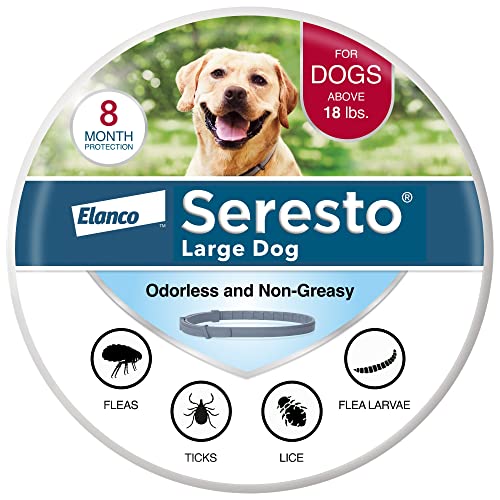
Release active ingredients over months. The Seresto collar is the only OTC collar widely recognized as effective by veterinarians.
Best for: long-lasting convenience; dogs that cannot take oral medsShampoos & Sprays
Kill adult fleas on contact during application but provide no residual protection. Useful for immediate relief during an active infestation.
Best for: quick relief; part of a multi-step treatment planFor dogs with sensitive skin or those that react poorly to topical products, an oral flea treatment without a vet prescription may be a better fit. Conversely, dogs with gastrointestinal sensitivities often do better with topical flea medicine without a vet prescription.
Active Ingredients That Actually Work
Not all OTC flea products are created equal. The difference between an effective product and a waste of money often comes down to the active ingredient. Here are the ingredients with the strongest evidence behind them:
- Fipronil: Found in Frontline products. Kills adult fleas and ticks by disrupting their nervous system. Works on contact and provides residual protection for about a month. One of the most widely used and studied OTC flea ingredients.
- Imidacloprid: The active ingredient in Advantage II. Kills adult fleas, larvae, and eggs. Also treats lice. Fragrance-free and waterproof. Does not protect against ticks, so it must be paired with a tick preventive if needed.
- Nitenpyram: The active ingredient in Capstar. Oral tablet that starts killing adult fleas within 30 minutes. Excellent for fast knockdown during an active infestation, but it has no residual effect—it clears from the body within 24 hours.
- Fluralaner / Afoxolaner: Found in some oral chewables. These are isoxazoline-class drugs that provide long-lasting flea and tick control. While some are prescription-only, OTC formulations exist in certain markets. They are highly effective but require careful dosing by weight.
- Pyriproxyfen / Methoprene: Insect growth regulators (IGRs) that prevent flea eggs and larvae from developing into adults. Often combined with adulticides in topical products for a dual-action approach.
Ingredients to Avoid:
• Permethrin: Highly toxic to cats. If you have cats in your home, avoid any dog product containing permethrin.
• Hartz-brand products: Multiple veterinary sources have documented a long history of adverse reactions and safety concerns with this brand. Avoid them entirely.
• Unlabeled combination products: Never mix flea products unless a veterinarian confirms the combination is safe. Overlapping active ingredients can increase toxicity risk.
OTC vs Prescription Flea Treatment: What's the Real Difference?
Veterinarians generally prefer prescription flea medications for several reasons: they are more tightly regulated, often cover a broader spectrum of parasites (including heartworm and ticks), and have undergone rigorous FDA approval processes. However, this does not mean OTC products are ineffective.
| Factor | OTC Flea Treatment | Prescription Flea Treatment |
|---|---|---|
| Access | No vet visit required | Requires veterinary authorization |
| Parasite Coverage | Usually fleas only (some include ticks) | Often fleas, ticks, heartworm, and intestinal parasites |
| Regulation | EPA-regulated (varies by product) | FDA-approved |
| Efficacy Speed | Varies; some fast-acting orals available | Generally consistent and rapid |
| Best Use Case | Prevention in healthy dogs; fast knockdown during infestation | Dogs with complex health needs; broad-spectrum protection |
If you are looking for a broad-spectrum OTC option that also covers ticks, products containing fipronil are your best bet. For dogs with sensitive skin, explore gentler flea and tick treatments for sensitive skin.
Safety Rules You Must Follow
OTC flea products are medications. Treating them casually can put your dog at risk. These rules are non-negotiable:
- Check the weight and age range. Never use a product on a dog below the minimum weight or age listed on the label. Puppies and toy breeds are especially vulnerable to overdose.
- Never use dog products on cats. Permethrin and some other dog-safe ingredients are lethal to cats. Keep species-specific products strictly separated.
- Read the entire label before applying. Pay attention to warnings about swimming, bathing, and interactions with other medications.
- Do not combine products without veterinary approval. Using a topical and an oral flea product together can expose your dog to dangerous levels of active ingredients.
- Monitor for adverse reactions. Watch for vomiting, diarrhea, lethargy, excessive drooling, or skin irritation at the application site. Contact your vet if these occur.
- Avoid products with questionable safety records. Stick to established brands with transparent ingredient lists and veterinary backing.
Special Populations: Pregnant, nursing, elderly, and epileptic dogs require extra caution with any flea medication. The chewable flea and tick options without a vet prescription may not be appropriate for dogs with seizure histories. Always consult a veterinarian before starting a new medication in these cases.
How to Choose the Right OTC Flea Treatment
The "best" product depends entirely on your dog's individual circumstances. Use these questions to narrow your options:
- Does your dog swim or get bathed frequently? Oral treatments are unaffected by water. Topical treatments vary—some are waterproof after drying, others are not. Choose accordingly.
- Is your dog currently infested, or are you preventing future fleas? For an active infestation, a fast-acting oral product like nitenpyram provides rapid relief. For prevention, a monthly topical or long-lasting collar may be more practical.
- Do you have cats in the home? Avoid permethrin-containing products entirely. Choose a fipronil or imidacloprid product that is safe for use in a multi-pet household when used correctly.
- Does your dog have skin sensitivities? Oral products bypass the skin entirely. If your dog reacts to topical applications, an oral flea pill that kills fleas instantly may be the better choice.
- What is your budget? OTC products range from budget-friendly single-ingredient options to premium multi-action formulas. Entry-level products can be effective for simple flea prevention; premium options often add tick coverage or longer duration.
- How does your dog react to handling? Some dogs tolerate spot-on applications easily; others become stressed. Collars or oral chews may reduce handling stress.
If you are unsure where to start, the best approach to getting rid of fleas on a dog often combines a fast-acting adulticide with a longer-term preventive and thorough environmental treatment.
Treating the Environment: The Step Most Owners Skip
No flea product—OTC or prescription—can eliminate an infestation if the environment is not treated. Adult fleas on your dog represent only about 5% of the total flea population. The remaining 95% exists as eggs, larvae, and pupae in your home and yard.
A comprehensive flea control plan includes:
- Vacuum thoroughly and frequently. Focus on carpets, rugs, under furniture, and along baseboards. Vacuuming removes eggs and larvae and stimulates pupae to emerge, making them vulnerable to treatment. Dispose of the vacuum bag or empty the canister outside immediately.
- Wash bedding in hot water. Your dog's bedding, your bedding, and any washable pet items should be laundered weekly during an infestation.
- Treat your yard. Keep grass short, remove debris, and discourage wildlife that carries fleas. Focus on shady areas where fleas thrive.
- Consider environmental sprays or powders. Products containing insect growth regulators can prevent eggs from developing. Follow label instructions carefully and keep pets away during application.
- Be patient. Breaking the flea life cycle takes time. Even with perfect treatment, you may see fleas for several weeks as pupae emerge from the environment.
If fleas persist despite consistent treatment, you may need to escalate to a stronger flea and tick preventative or consult your veterinarian about whether a prescription product is necessary.
Frequently Asked Questions
The Bottom Line
A good over the counter flea treatment can be an effective, accessible part of your dog's parasite prevention plan. Focus on products with proven active ingredients like fipronil, imidacloprid, or nitenpyram, follow all safety guidelines, and remember that treating the environment is just as important as treating your dog. If your dog has health issues, is very young or elderly, or if OTC products fail to resolve the problem, consult your veterinarian—they can help you find the right solution.