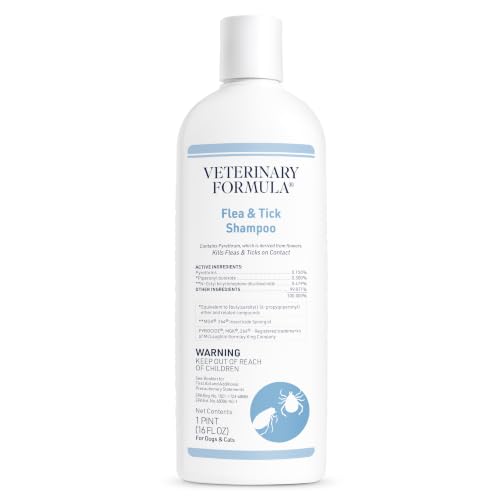
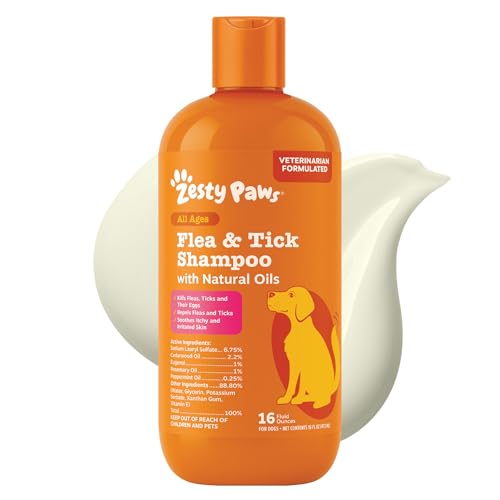
Flea Shampoo for Dogs: The Complete Guide
Everything you need to know about choosing, using, and maximizing the effectiveness of flea shampoo for your dog — from ingredient safety to step-by-step application.
Fleas are more than just an itchy nuisance — they can cause serious skin infections, transmit tapeworms, and even trigger life-threatening anemia in severe infestations. If your dog is scratching excessively, losing hair, or you've spotted tiny dark specks in their coat, you need a reliable flea treatment plan.
Flea shampoo for dogs is one of the most accessible and immediate ways to kill adult fleas on contact. It provides fast relief and is easy to use at home. But not all flea shampoos are created equal, and using the wrong one — or using it incorrectly — can harm your dog or leave you with a flea problem that never goes away.
This guide covers everything you need to know about flea shampoo for dogs, including how it works, what ingredients to look for, safety precautions, and how it fits into a complete flea control strategy. Whether you're dealing with an active infestation or looking for a preventive option, you'll find the information you need here.
What Is Flea Shampoo?
Flea shampoo is a specially formulated cleaning product that contains active ingredients designed to kill fleas on contact. Unlike regular dog shampoo, flea shampoos include insecticides or natural flea-killing agents that penetrate the flea's exoskeleton and disrupt its nervous system.
Most flea shampoos work quickly — typically killing adult fleas within minutes of application. However, they do not provide lasting protection. Once rinsed off, the active ingredients are gone, and your dog is vulnerable to reinfestation immediately. This is why flea shampoo is best used as part of a comprehensive flea control plan that includes monthly preventatives and environmental treatment.
Important to Understand:
Flea shampoo kills adult fleas on your dog at the moment of use. It does NOT kill flea eggs, larvae, or pupae in your home, and it does NOT prevent new fleas from jumping on your dog after the bath. For complete control, you need to treat your home, yard, and use an ongoing flea preventative.
How Flea Shampoo Works
Understanding the mechanism of flea shampoo helps you use it more effectively and set realistic expectations.
When you apply flea shampoo, the active ingredients come into direct contact with fleas on your dog's coat and skin. These ingredients work in different ways depending on their chemical class:
- Neurotoxins (pyrethrins, permethrin): These compounds attack the flea's nervous system, causing paralysis and death. They work quickly but have no residual effect once rinsed off. Pyrethrins are derived from chrysanthemum flowers and are generally considered safe for dogs when used as directed. Permethrin is a synthetic version that is more potent but toxic to cats.
- Insect growth regulators (IGRs): Some flea shampoos contain ingredients like methoprene that disrupt the flea life cycle by preventing eggs and larvae from developing into adults. These are less common in shampoos because they need prolonged contact to work.
- Natural ingredients (essential oils, citrus extracts): Ingredients like cedarwood oil, peppermint oil, eucalyptus, and d-limonene have flea-repelling and killing properties. They are gentler but often less effective than synthetic options, especially for severe infestations.
- Degreasers and surfactants: The soap base itself helps by stripping the protective wax coating from fleas, causing them to drown or dehydrate. This mechanical action complements the chemical ingredients.
The key limitation of all flea shampoos is contact time. The shampoo must remain on your dog's coat for the full duration specified on the label — typically 5 to 10 minutes — to be effective. Rinsing too quickly means fleas may survive.
Key Ingredients to Know
The ingredient list on a flea shampoo label tells you everything about its effectiveness, safety, and appropriate use. Here are the most common active ingredients you'll encounter:
| Ingredient | Type | Speed of Action | Best For | Caution |
|---|---|---|---|---|
| Pyrethrin | Natural insecticide | Fast (minutes) | Most dogs, including puppies over 12 weeks | Can cause allergic reactions in sensitive dogs |
| Permethrin | Synthetic pyrethroid | Very fast | Severe infestations | Toxic to cats; avoid in homes with cats |
| Carbaryl | Carbamate insecticide | Fast | Adult dogs | Can be toxic if ingested; not for puppies |
| D-Limonene | Citrus extract | Moderate | Mild infestations, sensitive dogs | Can irritate skin; not for cats |
| Essential Oils | Natural repellents | Slow | Prevention, mild cases | Some oils are toxic to dogs; check with vet |
| Methoprene (IGR) | Insect growth regulator | Slow (days) | Breaking flea life cycle | Does not kill adult fleas |
When reading labels, look for the active ingredient percentage. Higher concentrations are not always better — they may increase the risk of adverse reactions without significantly improving efficacy. Always follow the dosage and application instructions specific to your dog's size and age.
Types of Flea Shampoo
Flea shampoos come in several formulations, each suited to different needs and situations. Understanding the differences helps you make an informed choice.
Medicated Flea Shampoo
Contains active insecticidal ingredients like pyrethrins or permethrin. Fast-acting and effective for active infestations. Requires careful reading of age and weight restrictions. Best for dogs over 12 weeks with no skin sensitivities.
Mid-range to premiumNatural Flea Shampoo
Uses essential oils, citrus extracts, and plant-based ingredients. Gentler on skin and coat. Ideal for dogs with sensitive skin or owners preferring natural products. May require more frequent use and is less effective for severe infestations.
Entry-level to mid-rangeFlea & Tick Shampoo
Combines flea-killing ingredients with tick treatment. Offers broader protection in one application. Especially useful for dogs in wooded areas or tick-prone regions. Same safety precautions apply.
Mid-range to premiumSoothing & Medicated Shampoo
Formulated for dogs with flea allergy dermatitis or sensitive skin. Contains oatmeal, aloe, or hydrocortisone to calm irritation while killing fleas. Best for dogs experiencing severe itching or skin damage from fleas.
PremiumPuppy-Specific Flea Shampoo
Gentler formula designed for puppies over 12 weeks. Lower concentration of active ingredients. Always check the minimum age on the label. For younger puppies, consult your veterinarian before using any flea product.
Mid-rangePrescription Flea Shampoo
Available through veterinarians for dogs with severe infestations, skin infections, or health conditions. May contain stronger active ingredients or combine flea treatment with antibacterial/antifungal properties. Requires veterinary guidance.
PremiumHow to Choose the Right Flea Shampoo
With so many options available, selecting the right flea shampoo for your dog requires considering several factors. Here's what to evaluate:
- Your dog's age: Puppies under 12 weeks should not use most flea shampoos. Check the minimum age on the label. For younger puppies, use a gentle puppy shampoo and manual flea removal (combing) until they're old enough for medicated products. See our guide on flea and tick shampoo for puppies under 12 weeks for safe alternatives.
- Your dog's health status: Dogs with seizures, heart conditions, or allergies may react badly to certain ingredients. If your dog has seizures, avoid shampoos containing pyrethrins or permethrin. Read our article on flea and tick medicine for dogs with seizures for safer options.
- Skin sensitivity: Dogs with sensitive skin or existing skin conditions need gentle, soothing formulas. Look for oatmeal-based or hypoallergenic shampoos. Our guide on flea and tick shampoo for dogs with sensitive skin has specific recommendations.
- Severity of infestation: For heavy infestations, a medicated shampoo with pyrethrins or permethrin is most effective. For mild cases or prevention, natural formulas may suffice.
- Presence of cats in the home: Permethrin is highly toxic to cats. If you have cats, choose a pyrethrin-based shampoo or a natural alternative, and keep your dog separated from cats until fully dry.
- Additional needs: If your dog also has ticks, choose a flea and tick shampoo. If they have skin infections, a medicated formula with antibacterial properties may be beneficial.
Pro Tip: Before committing to a full bottle, test a small amount of shampoo on a small patch of your dog's skin. Wait 24 hours to check for any adverse reaction. This is especially important for dogs with known allergies or sensitive skin.
Step-by-Step Application Guide
Using flea shampoo correctly is essential for both effectiveness and safety. Follow these steps for the best results:
- Prepare your workspace: Bathe your dog in a well-ventilated area. Gather all supplies beforehand: shampoo, towels, a cup or pitcher for rinsing, and a flea comb. Wear gloves if you have sensitive skin.
- Brush your dog first: Use a flea comb to remove loose hair, debris, and some adult fleas before bathing. This reduces the flea load and makes the shampoo more effective. Dip the comb in soapy water after each stroke to drown captured fleas.
- Wet your dog thoroughly: Use warm (not hot) water to wet your dog from neck to tail. Avoid getting water in the ears and eyes. A spray attachment or pitcher works better than a showerhead for nervous dogs.
- Apply the shampoo: Read the label for the correct amount based on your dog's weight. Apply the shampoo starting at the neck and working backward. Avoid the face — use a washcloth with a small amount of shampoo for the face and ears. Lather well.
- Leave it on for the full contact time: This is the most critical step. Most flea shampoos require 5-10 minutes of contact time to kill fleas. Use a timer. During this time, keep your dog calm and prevent them from licking the shampoo.
- Rinse thoroughly: Rinse with warm water until no suds remain. Any residual shampoo can irritate the skin. Use a cup or pitcher for controlled rinsing.
- Check for remaining fleas: After rinsing, use a flea comb to check for any surviving fleas. If you find live fleas, you may need to repeat the process or use a different product.
- Dry your dog: Towel dry thoroughly. Keep your dog warm and away from drafts until completely dry. If your dog has a thick coat, a dog-specific blow dryer on a low heat setting can help.
- Treat the environment: While your dog is drying, wash their bedding, vacuum carpets and furniture, and treat your yard if necessary. Flea shampoo only kills fleas on your dog — not in your home.
How Often Can You Use Flea Shampoo?
Most flea shampoos should not be used more than once every 7-14 days. Overuse can strip natural oils from your dog's skin, causing dryness, itching, and increased vulnerability to skin infections. If you need more frequent flea control, combine shampoo with a monthly preventative. See our guide on flea prevention for dogs for comprehensive strategies.
Safety Precautions
Flea shampoos contain pesticides, and even natural ingredients can cause reactions. Taking proper precautions protects your dog and your family.
- Never use dog flea shampoo on cats: Many ingredients safe for dogs, especially permethrin, are highly toxic to cats and can be fatal. Keep dogs treated with flea shampoo away from cats until completely dry.
- Do not use on puppies under the minimum age: Most flea shampoos are only safe for puppies over 12 weeks. For younger puppies, use gentle puppy shampoo and manual flea removal. Consult your vet for safe options.
- Avoid contact with eyes, ears, and mouth: Use a washcloth to clean the face, and rinse carefully to prevent shampoo from entering sensitive areas.
- Do not use on sick, elderly, or debilitated dogs: Dogs with compromised health may be more susceptible to adverse effects. Consult your veterinarian before use.
- Watch for adverse reactions: Signs of a reaction include excessive drooling, vomiting, diarrhea, lethargy, tremors, excessive scratching, redness, or swelling. If you notice any of these, rinse your dog thoroughly with plain water and contact your veterinarian immediately.
- Store safely: Keep flea shampoo out of reach of children and pets. Store in a cool, dry place away from food and water bowls.
- Do not mix products: Never combine flea shampoo with other topical flea treatments on the same day. This can lead to overdose and serious reactions. Wait at least 48 hours between different flea products unless directed by your vet.
Emergency Note: If you suspect your dog is having a severe reaction to flea shampoo — difficulty breathing, collapse, seizures, or extreme lethargy — seek emergency veterinary care immediately. Do not wait to see if symptoms improve.
Flea Shampoo vs Other Flea Treatments
Flea shampoo is just one tool in the flea control arsenal. Understanding how it compares to other options helps you build the most effective strategy for your dog.
| Treatment Type | Kills Adult Fleas | Duration of Protection | Best Use Case |
|---|---|---|---|
| Flea Shampoo | Yes, on contact | None (rinses off) | Immediate relief during active infestation |
| Oral Flea Pills | Yes, systemically | 24 hours to 1 month depending on product | Fast-acting, lasting protection; good for dogs that swim |
| Topical Spot-On | Yes | 1 month typically | Monthly prevention and treatment |
| Flea Collars | Yes, slowly | Up to 8 months depending on product | Convenient, long-lasting prevention |
| Flea Sprays | Yes, on contact | Minimal | Targeted treatment for specific areas |
| Home & Yard Treatment | Yes, in environment | Varies by product | Breaking the flea life cycle in your home |
The most effective flea control strategy combines immediate treatments like shampoo with ongoing prevention. For dogs with sensitive skin or seizures, alternative options like flea and tick medicine for dogs with seizures may be necessary. If you prefer chewable options, see our guide on flea and tick chewables for dogs without a vet prescription.
For dogs that react poorly to traditional flea products, there are flea and tick medicines that don't cause seizures available. And for complete protection, consider flea and tick and heartworm medicine for dogs that covers multiple parasites in one product.
Common Mistakes to Avoid
Even experienced dog owners make mistakes when using flea shampoo. Avoiding these common errors improves outcomes and protects your dog's health.
- Rinsing too soon: The most common mistake. Flea shampoo needs 5-10 minutes of contact time to work. Rinsing immediately after lathering means fleas survive. Set a timer.
- Using too much shampoo: More is not better. Follow the weight-based dosage on the label. Overuse increases the risk of skin irritation and adverse reactions without improving efficacy.
- Skipping environmental treatment: Flea shampoo only kills fleas on your dog. The eggs, larvae, and pupae in your home will reinfest your dog within days. Always treat bedding, carpets, and yard.
- Using dog shampoo on cats: Never use dog flea shampoo on cats. Many ingredients safe for dogs are lethal to cats. Keep dogs away from cats until completely dry.
- Bathing too frequently: Using flea shampoo more than once every 7-14 days dries out your dog's skin and can cause secondary infections. Use a monthly preventative for ongoing protection.
- Not checking with a vet first: If your dog has health conditions, is on medication, or is very young or old, consult your veterinarian before using any flea shampoo.
- Ignoring the flea life cycle: Adult fleas are only 5% of the flea population. The other 95% (eggs, larvae, pupae) are in your environment. Shampoo alone will never solve a flea problem.
- Mixing products incorrectly: Using flea shampoo and then applying a topical flea treatment on the same day can cause overdose. Wait at least 48 hours.
Frequently Asked Questions
Putting It All Together
Flea shampoo is an excellent tool for immediate flea relief, but it's just one part of a complete flea control strategy. The most effective approach combines flea shampoo for quick knockdown of adult fleas, a monthly preventative for ongoing protection, and environmental treatment to break the flea life cycle in your home and yard. Always choose products appropriate for your dog's age, health status, and skin sensitivity. When in doubt, consult your veterinarian — they can recommend the safest and most effective products for your specific dog. With the right approach, you can keep your dog flea-free and comfortable year-round.