Flea and Tick Shampoo for Puppies Under 12 Weeks
Everything you need to know about safely bathing your young puppy to remove fleas and ticks — without risking their delicate health.
Bringing home a puppy is an exciting time, but discovering fleas or ticks on your new furry family member can be alarming. Puppies under 12 weeks are especially vulnerable because their immune systems, skin barrier, and detoxification pathways are still developing. Many flea and tick products that are safe for adult dogs can be dangerous — even fatal — for young puppies.
This guide will walk you through exactly how to safely use flea and tick shampoo on puppies under 12 weeks, what ingredients to avoid, and when it's better to use alternative methods. By the end, you'll feel confident in protecting your puppy without compromising their health.
Why Young Puppies Need Special Care
Puppies under 12 weeks are not just small adult dogs. Their bodies process chemicals differently. Their skin is thinner and more permeable, their liver and kidneys are still maturing, and their nervous systems are highly sensitive to neurotoxins. This means that a product labeled "safe for dogs" may not be safe for a puppy.
Fleas and ticks themselves pose serious health risks — fleas can cause anemia, tapeworms, and flea allergy dermatitis, while ticks transmit diseases like Lyme disease and ehrlichiosis. So you can't simply ignore the problem. The key is to choose the right product and method for your puppy's age and size.
Important: Always consult your veterinarian before using any flea or tick product on a puppy under 12 weeks. Your vet knows your puppy's health history and can recommend the safest option.
If you're looking for broader information on flea and tick prevention for dogs of all ages, our guide on flea and tick preventative for dogs covers the full range of options. For puppies specifically, you may also want to read about flea treatment for dogs puppies.
Safe vs. Dangerous Ingredients
Not all flea shampoos are created equal. The ingredients that kill fleas and ticks are pesticides, and some are far gentler than others. Here's what you need to know before you buy.
Ingredients to Avoid
- Permethrin and other pyrethroids: Highly toxic to puppies. Can cause tremors, seizures, and death. Often found in dog flea products but should never be used on young puppies.
- Amitraz: Used in some tick shampoos and collars. Can cause sedation, lethargy, and cardiovascular problems in puppies.
- Organophosphates: Older class of insecticides that affect the nervous system. Banned in many countries but still present in some products.
- High concentrations of essential oils: Tea tree, eucalyptus, peppermint, citrus, and clove oils can cause skin burns, drooling, vomiting, and neurological symptoms in puppies.
- Alcohol and harsh detergents: Dry out and irritate a puppy's delicate skin, making them more susceptible to infection.
Safer Ingredients
- Oatmeal and aloe vera: Soothing ingredients that help calm irritated skin without harsh chemicals.
- Chamomile and calendula: Gentle botanical extracts with anti-inflammatory properties.
- Diatomaceous earth (food grade): Sometimes used in gentle flea powders and shampoos; physically damages flea exoskeletons without systemic toxicity.
- Mild, puppy-specific surfactants: Gentle cleansers that lift dirt and debris without stripping natural oils.
- Vet-recommended active ingredients: Some veterinarians may recommend shampoos containing very low concentrations of safe insecticides for puppies over 8 weeks, but only under professional guidance.
Pro Tip: Look for shampoos specifically labeled for puppies or young dogs. If the label says "for dogs over 12 weeks" or "not for use on puppies under X weeks," respect that warning. It's there for a reason.
If your puppy has sensitive skin, our article on flea and tick shampoo for dogs with sensitive skin offers additional guidance that can apply to young puppies as well.
How to Bathe a Puppy for Fleas
Bathing a puppy is not just about applying shampoo — it's about doing it safely, efficiently, and with minimal stress for your puppy. Here's a step-by-step approach.
- Prepare everything first: Gather your puppy-safe shampoo, towels, a cup for rinsing, and a comb. Fill a sink or tub with lukewarm water — never hot. Have a towel ready to wrap your puppy immediately after.
- Brush your puppy: Before bathing, use a fine-tooth flea comb to remove as many adult fleas and eggs as possible. Dip the comb in soapy water after each pass to drown the fleas.
- Wet your puppy thoroughly: Using a cup or gentle spray, wet your puppy from the neck down, avoiding the eyes, ears, and nose. Use lukewarm water only.
- Apply shampoo: Pour a small amount of puppy-safe flea shampoo into your hands and lather gently. Work it into the coat, starting at the neck (to prevent fleas from fleeing to the head) and moving down the body. Avoid the face — use a damp cloth for the face if needed.
- Let it sit: Follow the product label for contact time. Most gentle shampoos need 3-5 minutes to be effective. Don't leave it on longer than directed.
- Rinse thoroughly: Rinse with lukewarm water until no suds remain. Shampoo residue can irritate skin and cause itching. This step is critical — take your time.
- Dry your puppy: Wrap your puppy in a towel and pat dry. Keep them warm — puppies lose body heat quickly when wet. You can use a hair dryer on the lowest heat setting, but keep it moving and at a distance.
For more general bathing tips, including how often to bathe and what tools to use, see our guide on dog bath and dog shampoo.
After-Bath Care: Check your puppy for any remaining fleas or ticks with a fine-tooth comb. Give plenty of praise and a small treat to make the experience positive. If you see signs of skin irritation, discontinue use and call your vet.
Alternatives for Puppies Under 8 Weeks
For puppies younger than 8 weeks, most flea shampoos are not recommended. Their bodies are simply too small and vulnerable. Instead, use these safe alternatives:
- Manual removal: Use a fine-tooth flea comb dipped in soapy water. Comb your puppy daily, focusing on the neck, belly, and base of the tail.
- Warm water bath: A plain warm water bath can drown fleas without any chemicals. Use a gentle puppy shampoo only if necessary.
- Flea combing and vacuuming: Vacuum your home thoroughly, including carpets, furniture, and cracks. Dispose of the vacuum bag immediately. Wash bedding in hot water.
- Environmental control: Treat your home with pet-safe flea treatments, but keep your puppy away from treated areas until dry.
For more detail on managing fleas in very young puppies, see flea and tick shampoo for puppies 6 weeks old. You may also find helpful information in flea treatment for dogs puppies.
If you're dealing with a flea infestation in your home, our guide on best thing to get rid of fleas on a dog covers both on-pet and environmental strategies.
Choosing the Right Shampoo
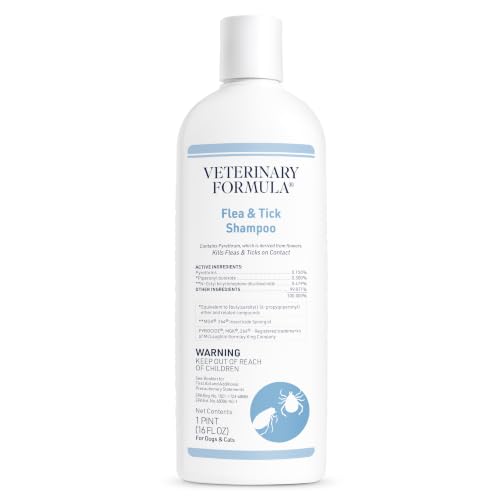
When selecting a flea and tick shampoo for your puppy under 12 weeks, keep these criteria in mind:
Vet-Approved Puppy Shampoos
These are specifically formulated for young puppies and have undergone safety testing. They often use gentle, natural ingredients and avoid harsh pesticides. Look for labels that explicitly state "safe for puppies" and mention a minimum age.
PremiumOatmeal-Based Flea Shampoos
Oatmeal soothes irritated skin while mild flea-killing ingredients (like low-concentration natural extracts) help control fleas. These are a good middle ground for puppies over 8 weeks with sensitive skin.
Mid-rangeNatural/Herbal Shampoos
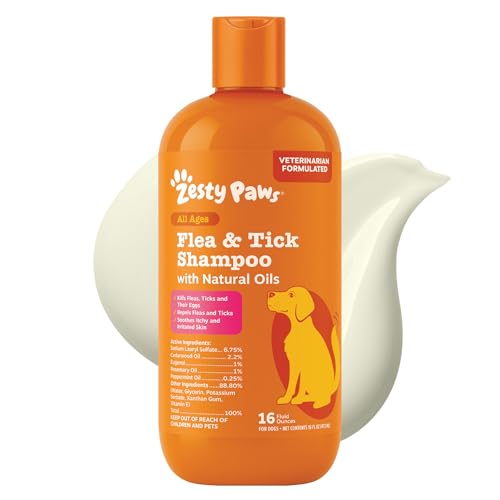
These rely on ingredients like neem, cedarwood, or diatomaceous earth. They are gentler but may be less effective on heavy infestations. Always check that essential oils are safe for puppies — many are not.
Entry-levelMedicated Shampoos
Prescribed by veterinarians for puppies with severe infestations or skin infections. These contain active ingredients at controlled concentrations and should only be used under professional supervision.
Top-tier| Feature | Vet-Approved | Oatmeal-Based | Natural/Herbal | Medicated |
|---|---|---|---|---|
| Safety for puppies under 12 weeks | High (if labeled) | Moderate (8+ weeks) | Variable | Vet supervision required |
| Effectiveness against fleas | High | Moderate | Low to Moderate | Very High |
| Effectiveness against ticks | Moderate to High | Low | Low | High |
| Skin soothing | Moderate | High | Moderate | Low |
| Best for | General puppy use | Sensitive skin | Mild infestations | Severe cases |
If you're looking for a broader selection of flea treatments, including options without a vet prescription, see flea and tick medicine for dogs without vet prescription and flea and tick preventative for dogs.
Common Mistakes to Avoid
Even well-meaning owners can make mistakes that put their puppy at risk. Here are the most common pitfalls:
- Using adult flea shampoo on a puppy: This is the most dangerous mistake. Adult products often contain permethrin or other toxins that can kill a puppy. Always use a puppy-specific product.
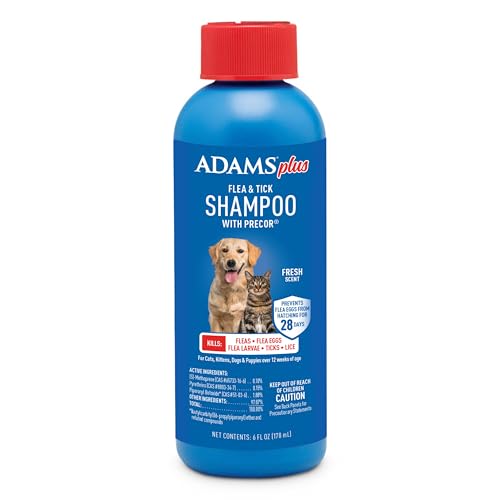
- Not checking the age recommendation: Some products are labeled for puppies over 12 weeks, others over 8 weeks. Never use a product on a younger puppy than the label allows.
- Over-bathing: Bathing too frequently strips natural oils and damages the skin barrier. Stick to once every 7-10 days at most, and only when needed.
- Leaving shampoo on too long: More contact time does not mean better results. It can cause chemical burns or toxicity. Follow the label exactly.
- Not rinsing thoroughly: Shampoo residue causes itching and irritation. Rinse until the water runs completely clear.
- Using essential oils without research: Many essential oils are toxic to puppies. Never assume "natural" means safe.
- Skipping the vet consult: Your veterinarian can recommend the safest product for your puppy's specific age, weight, and health status.
Remember: Flea and tick shampoo is a temporary solution. It kills fleas on contact but does not provide lasting protection. For ongoing prevention, you'll need a veterinarian-recommended flea and tick preventative appropriate for your puppy's age. See our guide on flea and tick preventative for dogs for more information.
Frequently Asked Questions
Final Thoughts
Flea and tick shampoo can be a safe and effective tool for puppies under 12 weeks — but only when you choose the right product and use it correctly. Always prioritize gentle, puppy-specific formulas, consult your veterinarian, and never rush the process. If you're looking for long-term prevention, our guide on flea and tick preventative for dogs will help you plan the next steps. With careful attention, you can keep your puppy comfortable and flea-free without compromising their health.