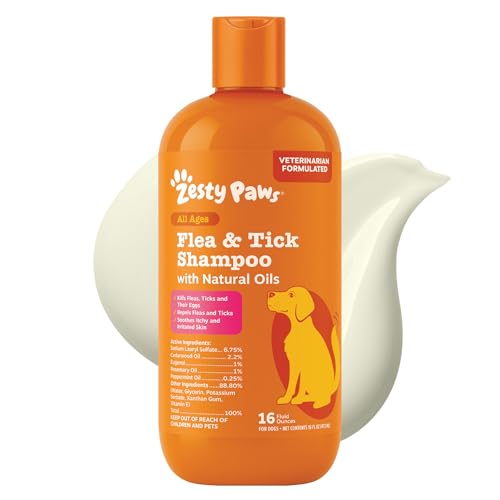
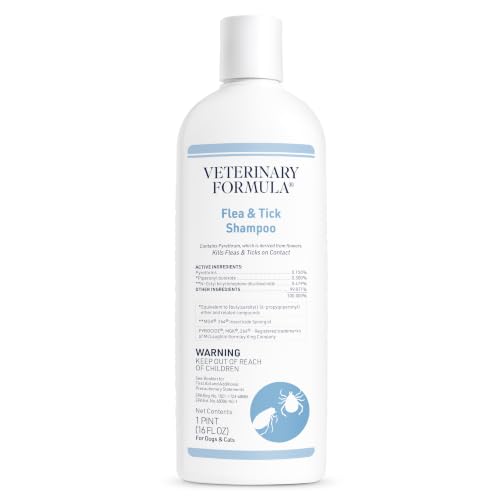
Flea and Tick Shampoo for Dogs with Sensitive Skin
Finding a flea and tick shampoo that effectively kills parasites without irritating your dog's delicate skin requires careful selection. This guide helps you choose gentle, safe, and effective options.
If your dog has sensitive skin, using a standard flea and tick shampoo can turn a simple bath into a painful, itchy ordeal. Harsh chemicals, synthetic fragrances, and high concentrations of active ingredients often cause redness, flaking, and excessive scratching—making an already uncomfortable flea problem even worse.
But you don't have to choose between killing parasites and protecting your dog's skin. The right flea and tick shampoo for dogs with sensitive skin uses gentle, hypoallergenic formulas that soothe irritation while still eliminating fleas, ticks, and their eggs. This guide will walk you through everything you need to know to make an informed choice.
Why Sensitive Skin Needs Special Care
Dogs with sensitive skin have a compromised skin barrier, which makes them more vulnerable to irritation from external products. Their skin may react to ingredients that would be perfectly safe for other dogs, leading to conditions like contact dermatitis, hot spots, and secondary bacterial infections.
Common signs of sensitive skin in dogs include:
- Frequent scratching, licking, or chewing at the skin
- Redness, rash, or hives after grooming or bathing
- Dry, flaky, or scabby patches
- Thinning hair or bald spots
- Foul odor or greasy coat
- Head shaking or ear infections after baths
If your dog shows any of these signs, a standard flea shampoo may be too harsh. You need a formula specifically designed to be gentle on sensitive skin while still providing effective parasite control. For dogs with severe sensitivities, you may also want to explore flea and tick medicine for dogs with seizures or other vet-recommended alternatives.
Important: Sensitive skin is not the same as allergic skin disease. If your dog has been diagnosed with allergies or a skin condition, consult your veterinarian before using any over-the-counter flea product.
Key Ingredients to Look For
A high-quality flea and tick shampoo for sensitive skin should contain two types of ingredients: effective parasiticides and soothing agents. Here's what to look for:
Gentle Parasiticides
- Oatmeal: While not a pesticide itself, colloidal oatmeal soothes irritated skin and helps relieve itching caused by flea bites. It's a must-have in any sensitive skin formula.
- Neem Oil: A natural insecticide that disrupts flea and tick life cycles. It's gentle on skin and also has antibacterial and antifungal properties.
- Diatomaceous Earth: A fine powder that dehydrates fleas and ticks. When suspended in a shampoo, it provides mechanical pest control without harsh chemicals.
- Citrus Extracts (diluted): Limonene and linalool from citrus peels can kill fleas, but must be properly diluted to avoid irritation. Look for formulas specifically designed for sensitive skin.
- Pyrethrins (low concentration): Derived from chrysanthemums, these are among the gentlest chemical parasiticides. However, some dogs are still sensitive, so patch test first.
Soothing and Healing Agents
- Aloe Vera: Moisturizes, reduces inflammation, and promotes healing of damaged skin. Ensure it's free of aloin, which can be toxic if ingested.
- Chamomile: Calms irritation and redness. Gentle enough for even the most sensitive dogs.
- Calendula: An herbal extract that soothes skin and supports tissue repair.
- Vitamin E: An antioxidant that nourishes the skin and coat, helping to repair the skin barrier.
- Colloidal Silver: Natural antibacterial and antifungal agent that helps prevent secondary infections.
- pH-Balanced Formula: Dogs have a skin pH of around 6.5-7.5, so look for shampoos specifically formulated for dogs—not humans.
Ingredients to Avoid
Just as important as what you put in is what you keep out. Avoid these ingredients in any flea and tick shampoo for dogs with sensitive skin:
- High-concentration Permethrin: While effective, it's a common irritant and can be toxic to dogs if not properly diluted. Spot-on products often contain higher concentrations than shampoos.
- Artificial Fragrances: Synthetic perfumes are a leading cause of allergic contact dermatitis in dogs.
- Artificial Colors (Dyes): Completely unnecessary and often trigger skin reactions.
- Sulfates (SLS/SLES): Harsh detergents that strip natural oils and damage the skin barrier.
- Parabens: Preservatives that can cause allergic reactions and endocrine disruption.
- Undiluted Essential Oils: Tea tree, eucalyptus, citrus, and peppermint oils can be toxic or irritating if not properly diluted. Some are outright dangerous for dogs.
- Alcohol: Dries out the skin and causes stinging on irritated areas.
- Formaldehyde: A known carcinogen and irritant, sometimes used as a preservative.
Pro Tip: Always read the ingredient list—not just the front label. "Natural" doesn't always mean safe. If you're unsure about an ingredient, look it up on a veterinary toxicology database or ask your vet.
Types of Flea & Tick Shampoos
Not all flea and tick shampoos are created equal. Here's a breakdown of the main types available and how they suit sensitive skin:
Oatmeal-Based Shampoos
These use colloidal oatmeal as the primary soothing agent, combined with mild parasiticides like neem or low-dose pyrethrins. They're excellent for dogs with dry, itchy, or irritated skin. Best for maintenance and mild infestations.
Mid-rangeHypoallergenic Formulas
Specially designed for dogs with known allergies or extremely reactive skin. They contain no fragrances, dyes, or harsh chemicals. Often use natural enzymes or diatomaceous earth for pest control. Gentle enough for frequent use.
PremiumMedicated Shampoos
Prescription or vet-recommended formulas that treat both parasites and secondary skin infections. They may contain antibiotics, antifungals, or corticosteroids. Best for severe cases with open sores or infections.
Top-tierNatural & Organic Shampoos
Use plant-based ingredients like neem, cedarwood, and citrus. Free from synthetic chemicals. Effectiveness varies—some work well, others less so. Always verify the product is safe for dogs and properly diluted.
Entry-level to mid-rangeFor dogs with sensitive skin, hypoallergenic and oatmeal-based formulas are usually the safest starting points. If you're dealing with a severe infestation, you may need to combine a gentle shampoo with a vet-recommended flea and tick preventative for dogs for ongoing control.
How to Bathe a Sensitive Dog
Even the gentlest shampoo can cause irritation if applied incorrectly. Follow these steps to minimize discomfort and maximize effectiveness:
- Brush first: Remove loose hair, tangles, and any visible fleas or ticks before wetting your dog. This makes the shampoo more effective and reduces the amount of product needed.
- Use lukewarm water: Hot water strips oils and irritates skin. Test the temperature on your wrist—it should feel comfortably warm, not hot.
- Dilute the shampoo: Most flea shampoos are concentrated. Dilute according to the label in a cup or bottle before applying. This ensures even distribution and reduces the risk of concentrated irritants touching the skin.
- Apply gently: Massage the diluted shampoo into the coat, working from the neck down. Avoid the eyes, ears, and mouth. Use a washcloth for the face if needed.
- Leave on for the recommended time: Usually 5-10 minutes. This allows the active ingredients to work. Don't exceed the recommended time—it won't be more effective and may cause irritation.
- Rinse thoroughly: Residual shampoo is a common cause of skin irritation. Rinse until the water runs completely clear, then rinse once more.
- Dry gently: Pat dry with a towel, then use a low-heat blow dryer if your dog tolerates it. Keep the dryer moving and at a safe distance to avoid burns.
- Monitor for reactions: Watch for excessive scratching, redness, or lethargy in the 24 hours after bathing. If you see signs of a reaction, rinse again with plain water and contact your vet.
Frequency: Don't bathe more often than recommended. Over-bathing strips natural oils and can make sensitive skin worse. For most gentle shampoos, every 2-4 weeks is sufficient. If you're dealing with an active infestation, your vet may recommend a more frequent schedule initially.
Product Comparison at a Glance
Here's a quick comparison of the main types of flea and tick shampoos to help you decide which is right for your sensitive dog:
| Type | Best For | Key Ingredients | Gentleness | Effectiveness |
|---|---|---|---|---|
| Oatmeal-Based | Mild itching, dry skin | Colloidal oatmeal, neem | High | Moderate |
| Hypoallergenic | Severe sensitivities, allergies | Diatomaceous earth, aloe | Very High | Moderate |
| Medicated | Infections, severe infestations | Antibiotics, antifungals | Low to Moderate | High |
| Natural/Organic | Prevention, mild cases | Neem, cedarwood, citrus | High | Variable |
Remember that effectiveness also depends on proper application, the severity of the infestation, and your dog's environment. For ongoing protection, consider combining shampoo treatments with other methods like flea and tick chewables for dogs without a vet prescription or flea collars for dogs.
When to See a Veterinarian
While gentle flea and tick shampoos are safe for most dogs, some situations require professional veterinary care:
- Severe skin reactions: If your dog develops hives, swelling, difficulty breathing, or extreme redness after using a shampoo, seek emergency care immediately.
- Open sores or infections: If your dog has scratched to the point of bleeding or has pus-filled sores, a vet can prescribe appropriate treatment.
- Persistent infestation: If fleas or ticks keep coming back despite regular shampooing, you may need a more comprehensive treatment plan.
- Underlying health conditions: Dogs with seizures, liver disease, or compromised immune systems may need special formulas. See our guide on flea and tick medicine for dogs with seizures.
- Puppies under 12 weeks: Very young puppies have different safety considerations. Check our recommendations for flea and tick shampoo for puppies under 12 weeks.
Your veterinarian can also help you choose the best long-term prevention strategy, which may include prescription medications, environmental control, and regular grooming.
Frequently Asked Questions
Bottom Line
Choosing the right flea and tick shampoo for a dog with sensitive skin means prioritizing gentleness without sacrificing effectiveness. Look for soothing ingredients like oatmeal and aloe, avoid harsh chemicals, and always patch test. If you're unsure or your dog's skin is severely irritated, consult your veterinarian—they can recommend the safest option for your specific situation. With the right product and proper bathing technique, you can keep your dog pest-free and comfortable.