Flea Treatment for Dogs & Puppies: The Complete Guide
Fleas are more than a nuisance — they cause itching, allergic reactions, and can transmit dangerous diseases. This guide will help you choose the right flea treatment for your dog or puppy, ensuring their health and comfort.
Fleas are a year-round problem in many climates, and once they infest your home, they can be incredibly difficult to eliminate. A single female flea can lay up to 50 eggs per day, leading to a rapid infestation. Protecting your dog with an effective flea treatment is not just about comfort — it's about preventing secondary health issues like flea allergy dermatitis, tapeworms, and anemia, especially in puppies.
With so many products on the market, it's easy to feel overwhelmed. This guide breaks down the different types of flea treatments, what's safe for puppies, and how to make an informed decision. Whether you're looking for a simple topical solution or an oral chewable, we've got you covered.
Types of Flea Treatments for Dogs
Flea treatments come in several forms, each with its own advantages and disadvantages. Understanding the differences will help you choose the best option for your dog's lifestyle and your preferences.
Topical Spot-On Treatments
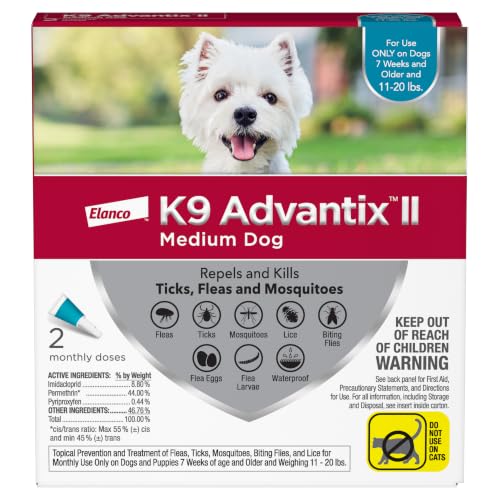
Liquid applied to the skin between the shoulder blades. Kills fleas on contact and provides lasting protection, typically for a month. Some formulas also repel ticks and mosquitoes. Effective and easy to apply, but can leave a greasy spot and may not be ideal for dogs with sensitive skin.
mid-range to premiumOral Chewables & Tablets
Flavored tablets or chewables that dogs eat. They work systemically, meaning fleas die after biting your dog. Fast-acting and not affected by swimming or bathing. Excellent for dogs with skin sensitivities. Some require a prescription, while others are available over the counter.
mid-range to premiumFlea Collars
Collars that release active ingredients over time. Provide long-lasting protection (up to 6-8 months). Convenient and affordable. However, they may not be as effective as other methods, especially in severe infestations, and can cause skin irritation in some dogs.
budget-friendly to mid-rangeFlea Shampoos
Kill fleas on contact during bath time. Good for immediate relief and for puppies too young for other treatments. However, they offer no lasting protection, so they are not a standalone solution. Best used in conjunction with a monthly preventive.
budget-friendlyFlea Sprays
Can be applied directly to the dog or to the environment. Some provide residual protection. Useful for treating bedding and carpets. Requires careful application to avoid inhalation and can be stressful for some dogs.
budget-friendly to mid-rangeCombination Products
Treat fleas, ticks, and heartworms in one product. Convenient and cost-effective if your dog needs all three. Available as chewables, topicals, or injections. Requires a vet prescription in many cases.
premiumFlea Treatment for Puppies
Puppies are more vulnerable to flea infestations and the chemicals used to treat them. Their immune systems are still developing, and their body weight is much lower, making them susceptible to overdose. Always consult your veterinarian before using any flea product on a puppy under 12 weeks of age.
Important Age Guidelines:
• Under 4 weeks: No chemical flea treatments. Use a flea comb and warm water only.
• 4–8 weeks: Some gentle flea shampoos may be used, but check with your vet first. Manual removal is still safest.
• 8–12 weeks: Certain topical treatments and chewables may be safe, depending on the product and your puppy's weight. Always follow the label.
• Over 12 weeks: Most flea treatments are safe, but always check the minimum weight and age requirements on the package.
Safe Options for Young Puppies
For puppies under 8 weeks old, the safest approach is a combination of:
- Flea combing: Use a fine-toothed flea comb daily to remove adult fleas and eggs. Dip the comb in soapy water to drown the fleas.
- Warm bath: A gentle bath with mild puppy shampoo can help drown fleas. Avoid getting water in the ears and dry thoroughly.
- Environmental control: Wash bedding in hot water and vacuum frequently to reduce flea eggs and larvae in the environment.
For puppies between 8 and 12 weeks, your vet may recommend a gentle topical treatment or a flea shampoo specifically formulated for puppies, such as a flea and tick shampoo for puppies 6 weeks old or a shampoo for puppies under 12 weeks. Always read the label carefully and never use a product intended for adult dogs on a puppy.
Pro Tip: If you have a puppy and an adult dog, treat both at the same time to prevent reinfestation. But never use the same product on both unless the label explicitly states it is safe for puppies.
Product Comparison: Which Type Is Right for You?
The table below summarizes the key differences between the main types of flea treatments.
| Product Type | Speed of Action | Duration | Best For | Considerations |
|---|---|---|---|---|
| Topical Spot-On | Fast (kills on contact) | Monthly | Most dogs, easy application | Can be greasy, not for sensitive skin |
| Oral Chewables | Very fast (within hours) | Monthly | Dogs with skin issues, swimmers | Requires ingestion, some need prescription |
| Flea Collars | Slow release | 6–8 months | Budget-conscious owners | Less effective in severe infestations |
| Flea Shampoos | Immediate | None (contact only) | Puppies, immediate relief | No residual protection |
| Combination Products | Varies | Monthly | Dogs needing multiple protections | Higher cost, may require prescription |
How to Choose the Right Flea Treatment
Selecting the best flea treatment for your dog involves several factors. Consider these points before making a purchase:
- Your Dog's Age and Weight: This is the most critical factor. Puppies need gentler products. Always check the minimum age and weight on the label. For adult dogs, choose a product appropriate for their size.
- Lifestyle: If your dog swims frequently or gets bathed often, oral treatments are a better choice because they aren't washed off. If you have a multi-pet household, choose a product that treats all pets to prevent reinfestation.
- Health Conditions: Dogs with seizures, sensitive skin, or other health issues may need special formulations. For example, if your dog has seizures, look for a flea and tick medicine for dogs with seizures that is safe. If your dog has sensitive skin, an oral product might be preferable.
- Prescription vs. Over-the-Counter: Many effective products are available without a prescription, such as flea and tick medicine without vet prescription. However, some of the most potent options require a vet visit. Discuss with your vet which is best for your situation.
- Ease of Application: Consider what you and your dog will tolerate. Some dogs hate the smell of topicals, while others will happily eat a chewable. Collars are convenient but may not be suitable for dogs who scratch at their necks.
If you're looking for a comprehensive solution that also protects against ticks and heartworms, a flea, tick, and heartworm prevention chewable might be the most convenient option. For those who prefer a monthly all-in-one, there are flea, tick, and worm treatments for dogs available.
Safety and Side Effects
While flea treatments are generally safe when used as directed, side effects can occur. Mild reactions include itching, redness, or hair loss at the application site for topicals, or vomiting and diarrhea for oral products. Serious reactions are rare but can include seizures, difficulty breathing, or severe allergic reactions.
When to Call Your Vet:
• If your dog experiences vomiting, diarrhea, or lethargy after taking an oral flea treatment.
• If your dog shows signs of an allergic reaction, such as facial swelling, hives, or difficulty breathing.
• If your dog has a seizure or neurological symptoms after applying a topical product.
• If you accidentally apply the wrong product or dose.
Special Considerations for Dogs with Seizures
Some flea medications, particularly those containing certain active ingredients, can lower the seizure threshold in dogs with epilepsy. If your dog has a history of seizures, it's crucial to choose a product that is known to be safe. Look for flea and tick medicine that doesn't cause seizures or consult your vet about prevention options for dogs with seizures. Never use a product without veterinary approval if your dog has a seizure disorder.
Prevention and Home Care
Treating your dog is only part of the battle. Fleas spend about 5% of their life on the host and 95% in the environment (eggs, larvae, and pupae in carpets, bedding, and cracks). To fully eliminate fleas, you must also treat your home and yard.
- Wash Bedding Weekly: Wash your dog's bedding, as well as your own, in hot water to kill flea eggs and larvae.
- Vacuum Frequently: Vacuum carpets, rugs, and furniture daily. Immediately dispose of the vacuum bag or empty the canister outside.
- Treat the Yard: Keep your lawn mowed and remove debris. You can use pet-safe yard sprays or diatomaceous earth to deter fleas.
- Use a Flea Comb: Regularly comb your dog, especially after walks, to catch fleas early.
- Maintain Year-Round Protection: Fleas can survive indoors during winter. Keep your dog on a year-round flea preventive to avoid infestations.
If you already have an infestation, you may need to use a flea shampoo for dogs to kill adult fleas on your pet, followed by a monthly preventive. For severe infestations, consider a flea pill for dogs that kills fleas instantly to get the situation under control quickly.
Frequently Asked Questions
Final Thoughts
Choosing the right flea treatment for your dog or puppy is a decision that requires careful consideration of their age, weight, health, and lifestyle. Always prioritize safety, and when in doubt, consult your veterinarian. With the right product and consistent use, you can keep your furry friend flea-free and happy. Remember, prevention is always easier and more affordable than dealing with a full-blown infestation.