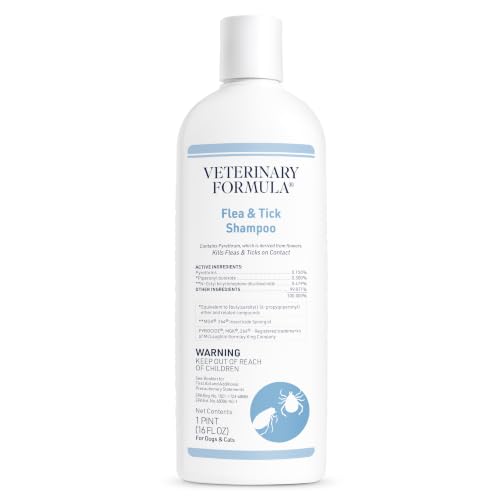
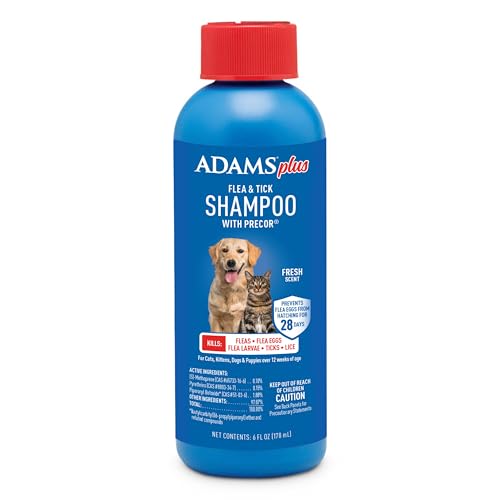
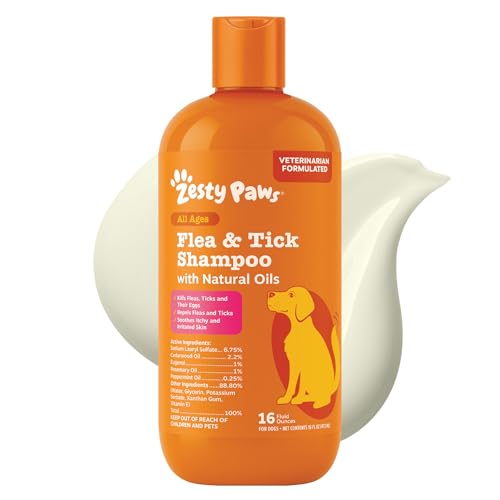
Flea and Tick Shampoo for Puppies 6 Weeks Old
Your 6-week-old puppy is in a critical developmental window. Before you reach for any flea and tick shampoo, you need to know which products are safe, which are dangerous, and what actually works for a puppy this young.
Finding fleas on a 6-week-old puppy is stressful. Your instinct is to grab the first flea and tick shampoo you can find and give the puppy a bath. But at this age, your puppy's skin is thin, their liver is still developing, and their body weight is so low that even small amounts of chemicals can cause serious harm. The wrong product can cause neurological damage, chemical burns, or worse.
This guide explains exactly what is safe for a 6-week-old puppy, what to avoid, and how to eliminate fleas without putting your puppy at risk. Whether you are dealing with a mild infestation or a severe one, you will learn the vet-recommended approach for puppies this young. If you are also looking for flea and tick shampoo for puppies under 12 weeks, that guide covers the next stage of development.
Why Flea and Tick Shampoo Is Risky at 6 Weeks
A 6-week-old puppy is not just a small adult dog. Their body systems are still forming, and their ability to process chemicals is dramatically different from an older puppy or adult dog.
The Three Key Risks:
1. Skin barrier is underdeveloped. A puppy's skin is thinner and more permeable than an adult's. Chemicals that would stay on the surface of an adult dog can be absorbed into the bloodstream much faster in a 6-week-old.
2. Liver and kidneys are immature. These organs are responsible for breaking down and eliminating toxins. At 6 weeks, they are not fully functional, so chemicals stay in the puppy's system longer and at higher concentrations.
3. Small body weight amplifies dosage. A 6-week-old puppy may weigh only 2–5 pounds. The same amount of active ingredient that is safe for a 20-pound dog can be an overdose for a puppy this small.
Most flea and tick shampoos contain active ingredients like permethrin, pyrethrins, or organophosphates. These are neurotoxins designed to kill insects. In young puppies, they can cause tremors, seizures, excessive drooling, and in severe cases, death. Even "natural" shampoos with essential oils like tea tree, peppermint, or citrus can cause toxicity in puppies this young.
The safest approach for a 6-week-old puppy is to avoid medicated flea shampoos entirely unless a veterinarian specifically prescribes one for your puppy's situation. Instead, use mechanical removal and gentle bathing with a puppy-safe shampoo. If you are dealing with a more general flea treatment for dogs and puppies situation, always prioritize age-appropriate methods.
Safe Options for 6-Week-Old Puppies
You have several safe tools available to manage fleas on a 6-week-old puppy without exposing them to harsh chemicals.
1. Flea Comb + Warm Water Bath
The most effective and safest method for a puppy this young is a two-step process. First, bathe the puppy in warm water with a mild, tear-free puppy shampoo. The water alone will drown many adult fleas. Then, while the coat is still wet, use a fine-tooth flea comb to comb through the fur from head to tail. Dip the comb in soapy water after each stroke to kill the fleas you remove. Focus on the neck, behind the ears, around the tail base, and between the legs — these are flea hotspots.
2. Gentle Puppy Shampoo (No Medication)
A mild, soap-free puppy shampoo — the kind used for routine bathing — is safe for a 6-week-old. It will not kill flea eggs or prevent new fleas, but it removes adult fleas and flea dirt, and it soothes irritated skin. Look for shampoos labeled for puppies and free of essential oils, dyes, and harsh detergents. Oatmeal-based formulas are excellent for calming flea-bite dermatitis.
3. Dawn Dish Soap (Emergency Use Only)
Original blue Dawn dish soap is sometimes used in emergency situations to kill adult fleas on very young puppies. It strips the protective oils from the flea's exoskeleton and drowns them. However, it also strips the puppy's natural skin oils, which can lead to dryness and itching. If you use Dawn, dilute it heavily with water, avoid the eyes and ears, and follow with a puppy-safe conditioner. Do not use it as a regular preventive.
4. Warm Water and Manual Removal
For a light infestation, simply bathing the puppy in warm water and manually removing fleas with your fingers or a comb may be enough. Fleas cannot swim, so they will float to the surface or cling to the fur where you can remove them. This method is completely chemical-free and safe for a 6-week-old.
Important: No over-the-counter flea and tick shampoo should be used on a 6-week-old puppy without explicit veterinary approval. Even products labeled "for puppies" often specify a minimum age of 8 or 12 weeks. Always read the label and verify with your vet. If you need a product for an older puppy or adult dog, see our guide to flea and tick shampoo for dogs with sensitive skin.
Ingredients to Avoid Completely
When you are shopping for any product to use on or around your 6-week-old puppy, these ingredients should be an absolute no:
- Permethrin and pyrethrins: Common in flea shampoos and spot-on treatments. Highly toxic to puppies under 12 weeks. Can cause tremors, seizures, and death.
- Organophosphates (e.g., malathion, diazinon): Found in some older flea dips and shampoos. Extremely dangerous for young puppies.
- Essential oils (tea tree, peppermint, eucalyptus, citrus, clove, lavender): Often marketed as "natural" flea repellents. They are not safe for puppies this young and can cause poisoning even in small amounts.
- DEET: Found in some insect repellents. Never use on dogs, especially puppies.
- Fipronil and imidacloprid: Common in spot-on treatments. Not labeled for use on puppies under 8–12 weeks. Do not use on a 6-week-old.
- Ivermectin: Found in some heartworm preventives. Not safe for young puppies without veterinary supervision.
- Artificial fragrances and dyes: Can irritate a puppy's delicate skin and respiratory system. Choose fragrance-free, dye-free products.
If a product label says "do not use on puppies under 12 weeks" or "consult a veterinarian before use on young puppies," take that warning seriously. It is there for a reason. For a broader look at safe flea control for puppies, see our flea prevention for dogs guide.
How to Bathe a 6-Week-Old Puppy Safely
Bathing a young puppy requires care. Here is the step-by-step method that is safe and effective for flea removal:
- Prepare everything first. Gather your puppy-safe shampoo, a cup for rinsing, several towels, a flea comb, and a bowl of soapy water for dunking the comb. Work in a warm room with no drafts.
- Use lukewarm water. Test the water on your inner wrist. It should feel comfortably warm, not hot. Hot water can burn a puppy's skin and cause overheating.
- Wet the puppy thoroughly. Use a cup to pour water over the body, avoiding the eyes, ears, and nose. Do not use a spray nozzle — the sound and pressure can frighten a young puppy.
- Apply a small amount of shampoo. Use only a pea-sized amount of mild puppy shampoo. Lather gently with your hands, working from the neck down. Avoid the face entirely; use a damp washcloth for the face if needed.
- Let the shampoo sit for 2–3 minutes. This gives it time to drown fleas. Do not leave the puppy unattended in the water.
- Rinse thoroughly. Any shampoo left on the skin can cause irritation. Rinse until the water runs completely clear.
- Comb through the wet coat. While the puppy is still wet, use the flea comb to remove fleas and flea dirt. Dip the comb in soapy water after each pass to kill the fleas.
- Dry immediately and completely. Wrap the puppy in a warm towel and pat dry. Use a second dry towel if needed. Keep the puppy in a warm room until fully dry. A chilled puppy can become ill quickly.
- Reward and calm. Give the puppy a treat and quiet attention. Bathing can be stressful at this age, so keep the experience positive.
Do not bathe a 6-week-old puppy more than once every 5–7 days unless your vet advises otherwise. Over-bathing strips natural oils and can cause dry, itchy skin.
Treating the Environment
Fleas spend only about 5% of their life on your dog. The other 95% — eggs, larvae, and pupae — are in your home and yard. If you only treat the puppy, the fleas will come back within days. Environmental control is just as important as treating the puppy.
- Wash all bedding in hot water. Wash the puppy's bedding, blankets, and any fabric toys in hot water (at least 140°F) and dry on high heat. This kills all life stages of the flea.
- Vacuum thoroughly and often. Vacuum carpets, rugs, furniture, and cracks in the floor. The vibration stimulates flea pupae to emerge, and the vacuum removes eggs, larvae, and adult fleas. Dispose of the vacuum bag immediately in an outdoor trash bin.
- Steam clean carpets and upholstery. Steam kills all flea life stages without chemicals. This is especially important in areas where the puppy spends most of their time.
- Keep the yard clear. Fleas thrive in shady, moist areas with organic debris. Mow the lawn regularly, remove leaf piles, and discourage wildlife like raccoons and opossums that carry fleas.
- Treat other pets. If you have other dogs or cats, they must be on flea prevention too. Otherwise, they will reintroduce fleas to the puppy. Use only age-appropriate products for each pet.
For more comprehensive flea control strategies for dogs of all ages, see our guide to flea treatment for dogs and flea and tick preventative for dogs.
When to Call Your Vet
A 6-week-old puppy with fleas can deteriorate quickly. Fleas feed on blood, and a small puppy does not have much blood to spare. Call your veterinarian immediately if you notice any of these signs:
- Pale gums or tongue: This is a sign of anemia, which can be life-threatening for a young puppy.
- Lethargy or weakness: A puppy that is unusually tired, reluctant to move, or unable to stand needs urgent care.
- Not eating or nursing: A puppy that stops eating is at risk of hypoglycemia and dehydration.
- Cold body temperature: A puppy that feels cold to the touch needs immediate warming and veterinary attention.
- Seizures, tremors, or excessive drooling: These are signs of toxicity from flea products. Rinse the puppy immediately and call your vet or an animal poison control center.
- Severe skin irritation or open sores: Flea bites can cause severe dermatitis in young puppies, leading to infection.
Your vet can recommend a safe flea treatment plan for your puppy's specific age, weight, and health status. In some cases, a veterinarian may prescribe a very gentle, puppy-safe product or a manual removal protocol. Never use an adult product on a 6-week-old puppy, even in a reduced dose. If your puppy has a seizure history, be especially cautious — see our guide to flea and tick medicine for dogs with seizures for more information.
When Can You Use Real Flea Shampoo?
Most veterinary dermatologists recommend waiting until a puppy is at least 8 to 12 weeks old before using a medicated flea and tick shampoo. Some gentle puppy-specific flea shampoos are labeled for use from 8 weeks, but you should always confirm with your veterinarian first.
At 12 weeks, many puppies can safely use a wider range of flea products, including some shampoos, spot-on treatments, and oral preventives. However, age alone is not the only factor. Weight, health status, and breed sensitivity also matter. For example, some herding breeds (like Collies and Australian Shepherds) have a genetic mutation that makes them sensitive to certain drugs, including ivermectin and some flea products. If you have a herding breed, talk to your vet about safe options.
For a complete timeline of flea and tick product safety by age, see our guide to flea and tick shampoo for puppies under 12 weeks.
Frequently Asked Questions
The Bottom Line
For a 6-week-old puppy, the safest flea control plan is gentle bathing with a mild puppy shampoo, thorough flea combing, and aggressive environmental cleaning. Do not use medicated flea and tick shampoos unless your veterinarian specifically approves one for your puppy. If you are looking for preventive options for an older puppy or adult dog, explore our guides to flea and tick preventative for dogs and flea and tick and heartworm medicine for dogs. When in doubt, call your vet — it is always better to ask than to risk your puppy's health.