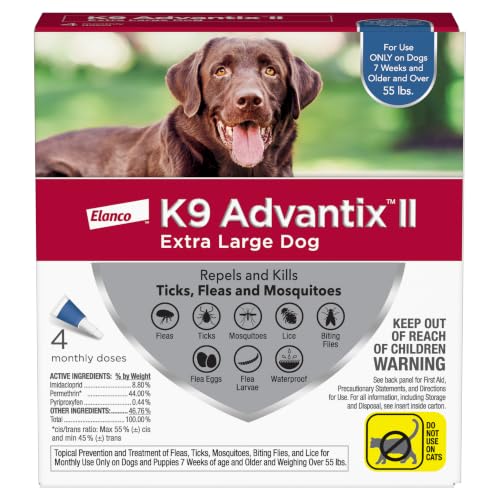
Flea Medicine for Dogs Without a Vet Prescription
Your complete guide to safe, effective over-the-counter flea treatments. Compare chewables, topicals, and pills to protect your dog without the need for a prescription.
Dealing with a flea infestation is frustrating, uncomfortable for your dog, and potentially dangerous to their health. Fleas cause intense itching, skin infections, and can transmit tapeworms and other diseases. While many effective flea treatments require a veterinarian's prescription, there are numerous safe and effective flea medicines for dogs without a vet prescription available over the counter.
This guide will walk you through everything you need to know about choosing, using, and maximizing the effectiveness of OTC flea treatments. Whether you prefer oral chewables, topical spot-ons, or shampoos, you will learn how to select the right product for your dog's age, weight, and lifestyle — and how to use it safely. If you're looking for a broader overview of parasite control, our guide on flea and tick preventative for dogs is a great starting point.
Understanding OTC Flea Medicine
Over-the-counter flea medicines are products that can be purchased without a prescription from a veterinarian. They are widely available at pet stores, online retailers, and some grocery stores. These products contain active ingredients approved by regulatory agencies for safe use in dogs when directions are followed correctly.
It's important to understand that "OTC" does not mean "lower quality" or "less effective." Many OTC flea products contain the same active ingredients found in prescription versions, just at different concentrations or in different formulations. The key difference is often the delivery method and the speed at which they kill fleas.
Did You Know?
Fleas can lay up to 50 eggs per day, and those eggs can fall off your dog and develop in your home environment. Effective flea control requires treating both your dog and your home. An OTC flea medicine that kills adult fleas is the first step, but you may also need to vacuum frequently and wash bedding to break the life cycle.
Types of Non-Prescription Flea Treatments
There are several categories of OTC flea treatments, each with distinct advantages and considerations. Understanding these options helps you make an informed decision based on your dog's needs and your preferences.
Oral Flea Chewables
Flavored chewables that your dog eats like a treat. These work systemically, meaning the medication is absorbed into the bloodstream and fleas die when they bite your dog. Fast-acting options can start killing fleas within 30 minutes. Ideal for dogs who swim frequently or have skin sensitivities to topical products.
Mid-range to PremiumTopical Spot-On Treatments
Liquid applied directly to the skin between the shoulder blades. The medication spreads across the skin and kills fleas on contact. Many formulas also kill flea eggs and larvae, providing longer-lasting protection. Effective for dogs who tolerate applications well but should not be used on broken or irritated skin.
Entry-level to Mid-rangeFlea Pills & Tablets
Oral tablets that provide flea-killing power without the mess of topicals. Some are designed for fast relief during an active infestation, while others offer monthly prevention. Tablets are convenient for dogs who refuse chewables but may require hiding in food for picky eaters.
Mid-range to PremiumFlea Shampoos & Sprays
These provide immediate relief by killing fleas on contact during bathing. Best used as a supplementary treatment during an active infestation, not as a primary preventive. Shampoos are gentle enough for puppies when labeled appropriately. Sprays offer targeted treatment for specific areas.
Budget-friendlySome owners prefer a combination approach, using an oral preventive monthly and a flea shampoo for dogs during flare-ups. For dogs with sensitive skin, there are specialized flea and tick shampoos for dogs with sensitive skin that provide gentle relief.
Active Ingredients to Look For
The effectiveness of any flea medicine depends on its active ingredients. Here are the most common OTC ingredients and what they do:
| Active Ingredient | Type | How It Works | Best For |
|---|---|---|---|
| Fipronil | Topical | Kills adult fleas by disrupting their nervous system. Also effective against ticks. | Dogs with moderate flea problems; long-lasting protection. |
| Imidacloprid | Topical | Kills adult fleas on contact. Often combined with permethrin for tick control. | Fast-acting flea control; dogs without tick concerns. |
| Nitenpyram | Oral | Starts killing fleas within 30 minutes. No residual effect, so used for immediate relief. | Fast relief during active infestations; combined with monthly preventive. |
| Spinosad | Oral | Kills adult fleas and prevents flea eggs from hatching. Monthly chewable. | Convenient monthly prevention; dogs who tolerate chewables well. |
| Lufenuron | Oral | Insect growth regulator that prevents flea eggs from developing. Does not kill adult fleas. | Breaking the flea life cycle; used with adulticide. |
| Methoprene | Topical | Insect growth regulator that prevents flea larvae from maturing. | Long-term prevention when combined with adulticide. |
When choosing an OTC product, look for ingredients that address both adult fleas and immature stages if possible. Some products combine an adulticide with an insect growth regulator for comprehensive control. For dogs with seizure histories, be cautious with certain ingredients — our guide on flea and tick medicine for dogs with seizures covers safe alternatives.
How to Choose the Right Product
With so many options available, selecting the right flea medicine can feel overwhelming. Use these criteria to narrow down your choices:
- Check your dog's weight and age: Flea medicines are dosed by weight. Using a product for a smaller dog on a larger dog will not be effective, and using one for a larger dog on a smaller dog can be dangerous. Most products have minimum age requirements (typically 8 weeks) and minimum weight requirements (often 2-4 pounds).
- Consider your dog's lifestyle: If your dog swims frequently or gets bathed often, oral chewables may be a better choice than topicals. If you have multiple pets, ensure the product is safe for all of them or separate treated dogs until the product dries.
- Assess the severity of the infestation: For an active infestation, you may need a fast-acting product like nitenpyram to get immediate relief, followed by a monthly preventive to stop reinfestation. Our guide on the best thing to get rid of fleas on a dog provides detailed strategies.
- Check for additional parasite coverage: Some OTC flea medicines also protect against ticks, heartworms, or intestinal worms. If your dog is at risk for multiple parasites, a combination product may be more convenient and cost-effective. See our article on flea and tick and heartworm medicine for dogs for more information.
- Read reviews and consult your vet if unsure: While you don't need a prescription, your veterinarian can still offer guidance on the best OTC option for your dog's specific health situation. This is especially important for dogs with allergies, chronic conditions, or those taking other medications.
Important Warning:
Never use flea products designed for dogs on cats. Many dog flea medicines contain permethrin, which is highly toxic — and often fatal — to cats. Always read labels carefully and keep treated dogs separate from cats until the product has fully dried.
Safety Guidelines & Precautions
While OTC flea medicines are generally safe when used as directed, there are important safety considerations every dog owner should know:
- Never use multiple flea products simultaneously without veterinary approval. Combining products can lead to overdose and serious side effects.
- Do not use dog products on puppies under the labeled minimum age. Puppies are more sensitive to medications. For very young puppies, use gentle options like flea and tick shampoo for puppies 6 weeks old or flea and tick shampoo for puppies under 12 weeks.
- Pregnant and nursing dogs should only receive flea treatment under veterinary supervision. Some products are safe, but others can harm developing puppies.
- Dogs with pre-existing health conditions such as liver disease, kidney disease, or epilepsy may react differently to flea medications. Consult your vet before starting any new treatment.
- Watch for adverse reactions after applying or administering any flea medicine. Signs include vomiting, diarrhea, excessive drooling, lethargy, tremors, or skin irritation at the application site. Contact your vet or an animal poison control center if you notice any concerning symptoms.
- Store flea medicines safely out of reach of children and pets. Ingestion of flea products can be toxic.
If your dog has a history of seizures, certain flea medications may not be appropriate. Our detailed guide on flea and tick medicine that doesn't cause seizures can help you find safer alternatives.
How to Apply Flea Medicine Correctly
Proper application is crucial for effectiveness and safety. Follow these steps based on the type of product you choose:
For Topical Spot-On Treatments
- Part your dog's fur between the shoulder blades until you can see the skin. This is the ideal spot because your dog cannot lick it off.
- Place the tip of the applicator directly against the skin and squeeze the entire contents onto the skin, not the fur.
- Keep your dog from licking the application site for at least 30 minutes, or until the product has dried. Distract them with play or a treat.
- Wash your hands thoroughly after application.
- Do not bathe your dog for at least 48 hours after application, as this can reduce effectiveness.
For Oral Chewables and Tablets
- Confirm the correct dosage for your dog's weight range.
- Offer the chewable as a treat, or hide it in a small amount of food if your dog is picky.
- Watch to ensure your dog swallows the entire dose. If you suspect they spit it out, consult your vet before redosing.
- Some oral flea medicines can be given with or without food. Check the label instructions.
- Give the medication at the same time each month (or as directed) to maintain consistent protection.
For Flea Shampoos
- Wet your dog thoroughly with warm water.
- Apply the shampoo according to label directions, working it into a lather.
- Leave it on for the recommended contact time (usually 5-10 minutes) before rinsing thoroughly.
- Avoid getting shampoo in your dog's eyes, ears, or mouth.
- Repeat as directed, but do not use more frequently than recommended to avoid skin irritation.
Pro Tip: Mark your calendar for monthly preventive doses. Consistency is key to preventing flea infestations. If you have trouble remembering, set a recurring reminder on your phone or pair it with another monthly task.
OTC Flea Medicine Comparison
This comparison table summarizes the key features of different OTC flea treatment types to help you decide which is best for your dog:
| Treatment Type | Speed of Action | Duration | Water Resistance | Best For |
|---|---|---|---|---|
| Oral Chewables (Monthly) | 30 min – 4 hours | 30 days | Excellent | Dogs who swim; easy administration |
| Topical Spot-On | 12–24 hours | 30 days | Good (after drying) | Broad coverage; flea and tick control |
| Fast-Acting Oral Tablets | 30 minutes | 24–48 hours | Excellent | Active infestations; immediate relief |
| Flea Shampoo | Immediate | 1–3 days | None | Quick relief; puppies; sensitive skin |
| Flea Spray | Immediate | 1–7 days | Moderate | Targeted treatment; spot application |
Many dog owners find that a combination approach works best: an oral or topical monthly preventive for ongoing protection, plus a fast-acting product during flare-ups. For those who prefer chewable options, our guide on flea chews for dogs without a vet prescription provides detailed recommendations. If you're specifically looking for pills, see flea pill for dogs that kills fleas instantly.
Frequently Asked Questions
Ready to Protect Your Dog from Fleas?
Explore our top-rated over-the-counter flea medicines below and find the perfect solution for your furry friend.
See Recommended Products