Flea Treatments for Dogs Without a Vet Prescription
Discover safe, effective over-the-counter flea treatments for your dog. Compare oral pills, chewables, topicals, and shampoos to find the best solution for your pet's needs — no prescription required.
Fleas are more than just a nuisance — they cause intense itching, skin infections, and can transmit tapeworms and other diseases. For many dog owners, the first instinct is to visit a veterinarian for a prescription flea treatment. But what if you could effectively treat fleas without the cost and inconvenience of a vet visit? The good news is that many highly effective flea treatments are available over the counter (OTC) without a prescription.
This guide will walk you through every option available, from fast-acting oral pills to long-lasting topical treatments and medicated shampoos. You'll learn how to choose the right product for your dog's age, weight, and health status — and how to use these treatments safely. Whether you're dealing with an active infestation or looking for monthly prevention, there's an OTC solution that fits your needs.
If you're exploring broader flea and tick prevention options, including prescription-strength products, our guide to flea and tick prevention for dogs covers comprehensive strategies. For those specifically seeking non-prescription alternatives, this page is your complete resource.
Types of Flea Treatments Available Without a Prescription
Over-the-counter flea treatments fall into several categories, each with distinct advantages and limitations. Understanding these differences is key to choosing the right product for your dog and your situation.
Oral Flea Pills & Chewables
Fast-acting tablets or flavored chews that kill fleas from the inside out. Some begin working within 30 minutes. Ideal for dogs with skin sensitivities or those who swim frequently. Requires ingestion, which may be challenging for picky eaters.
Fast-ActingTopical Spot-On Treatments
Liquid applied between the shoulder blades. Kills fleas on contact and provides residual protection for weeks. Easy to apply but leaves a visible residue. Not ideal for dogs who swim often or are bathed frequently.
Long-LastingFlea Shampoos & Sprays
Kill fleas on contact during bathing. Best for immediate relief during an active infestation. No residual effect — fleas can reinfest immediately after drying. Useful as part of a multi-step treatment plan.
Immediate ReliefFlea Collars
Release active ingredients slowly over months. Convenient and long-lasting. Some collars also repel ticks. Effectiveness varies by product — some only work in the neck area. Best for mild prevention, not severe infestations.
ConvenientFor a broader overview of flea control options, including products that combine flea, tick, and heartworm prevention, see our guide to flea and tick and heartworm medicine for dogs.
Oral Flea Pills and Chewables Without a Prescription
Oral flea treatments are among the most effective and fastest-acting options available without a vet prescription. They work systemically, meaning the active ingredient is absorbed into your dog's bloodstream and kills fleas when they bite. This approach eliminates the need for topical application and avoids residue on your dog's coat.
How Oral Flea Treatments Work
When your dog ingests an oral flea pill or chewable, the active ingredient enters the bloodstream. Fleas that bite your dog ingest the substance and are killed — usually within hours. Some products, like those containing nitenpyram, start killing fleas within 30 minutes. Others, like spinosad, provide longer-lasting protection by breaking the flea life cycle.
Key Active Ingredients in OTC Oral Flea Treatments
- Nitenpyram: The fastest-acting oral flea killer available. Starts working within 30 minutes. No residual effect — fleas must bite to die. Ideal for immediate relief during an infestation.
- Spinosad: Provides up to 30 days of flea protection. Kills fleas within 4 hours of ingestion. Also effective against chewing lice. Requires a prescription in some regions but available OTC in others.
- Afoxolaner: A chewable that kills fleas and ticks for up to 30 days. Part of the isoxazoline class. Typically available by prescription only, but some OTC versions exist.
- Lufenuron: An insect growth regulator that prevents flea eggs from hatching. Does not kill adult fleas. Often combined with adulticides for complete control.
Pro Tip: If your dog has a severe flea infestation, an oral flea pill containing nitenpyram can provide rapid relief while you wait for a longer-lasting treatment to take effect. Many owners combine a fast-acting oral product with a topical or collar for ongoing prevention.
For a detailed comparison of chewable options, see our guide to flea and tick chewables for dogs without a vet prescription. If you prefer pills over chewables, our article on flea pills that kill fleas instantly covers fast-acting tablets.
Topical Spot-On Treatments Without a Prescription
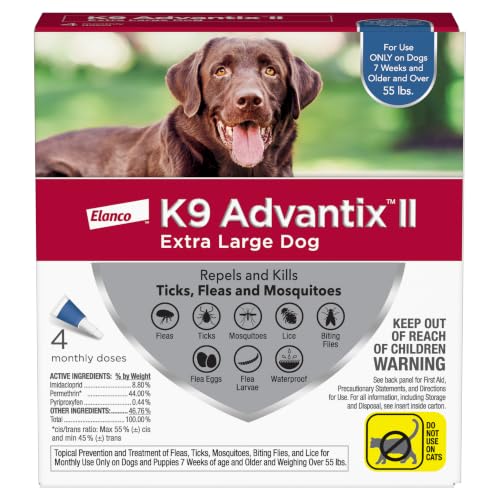
Topical flea treatments, also known as spot-on treatments, are applied directly to your dog's skin — usually between the shoulder blades where they can't lick it off. These products spread across the skin and coat, killing fleas on contact and providing residual protection for weeks.
How Topical Treatments Work
Most topical flea treatments contain active ingredients that either kill fleas on contact or are absorbed through the skin into the bloodstream. Some also contain insect growth regulators (IGRs) that prevent flea eggs and larvae from developing into adults, breaking the flea life cycle.
Common Active Ingredients in OTC Topicals
- Fipronil: Kills fleas and ticks on contact. Provides up to 30 days of protection. One of the most widely used OTC flea treatment ingredients.
- Imidacloprid: Kills adult fleas and provides residual protection. Often combined with permethrin for tick control.
- Permethrin: Effective against fleas and ticks. Caution: Toxic to cats and small dogs. Never use permethrin-based products on dogs weighing under 15 lbs or in households with cats.
- Etofenprox: A safe, effective flea adulticide. Often used in products for sensitive dogs.
- Methoprene: An insect growth regulator that prevents flea eggs from hatching. No adulticidal activity — must be combined with an adulticide.
Important Safety Note: Never use a topical flea treatment intended for dogs on cats. Permethrin, a common ingredient in dog flea products, is highly toxic to cats and can be fatal. If you have both dogs and cats, choose cat-safe products or separate them during application.
For dogs with sensitive skin, our guide to flea and tick shampoo for dogs with sensitive skin offers gentle alternatives. If you're looking for a comprehensive non-prescription option, see flea and tick medicine for dogs without vet prescription.
Flea Shampoos and Sprays
Flea shampoos and sprays are ideal for immediate relief during an active flea infestation. They kill fleas on contact, providing instant comfort for your itchy dog. However, they have no residual effect — once the shampoo is rinsed off, fleas can reinfest immediately.
When to Use Flea Shampoo
- During an active flea infestation for immediate relief
- As a pre-treatment before applying a longer-lasting topical or oral product
- For puppies too young for other flea treatments (follow label age restrictions)
- For dogs with skin infections or allergies that require medicated bathing
Types of Flea Shampoos
- Medicated flea shampoos: Contain active ingredients like pyrethrins or permethrin. Kill fleas on contact but may dry out skin with frequent use.
- Gentle/oatmeal flea shampoos: Combine flea-killing ingredients with soothing agents like oatmeal and aloe. Ideal for dogs with sensitive skin.
- Natural flea shampoos: Use ingredients like essential oils (e.g., cedarwood, peppermint) to repel and kill fleas. Less effective than medicated options but gentler.
For a deep dive into shampoo options, including puppy-safe formulas, see our article on flea shampoo for dogs. If you have a puppy, our guide to flea treatment for dogs puppies covers safe options for young dogs.
Flea Collars Available Without a Prescription
Flea collars are a convenient, low-maintenance option for flea prevention. They release active ingredients slowly over time, providing protection for weeks or even months. While they may not be as effective as oral or topical treatments for severe infestations, they are a good choice for dogs with mild flea exposure or as a supplement to other treatments.
How Flea Collars Work
Flea collars release insecticidal chemicals that spread across your dog's skin and coat. Some collars also contain insect growth regulators (IGRs) to prevent flea eggs from hatching. The effectiveness depends on the active ingredient, the collar's fit, and your dog's lifestyle.
Types of Flea Collars
- Standard insecticidal collars: Release chemicals like tetrachlorvinphos or propoxur. Effective for 3-6 months. Best for mild prevention.
- IGR collars: Contain methoprene or pyriproxyfen. Prevent flea eggs from developing into adults. No adulticidal activity — must be combined with an adulticide.
- Herbal/natural collars: Use essential oils like citronella or eucalyptus. Less effective and shorter-lasting than chemical collars.
For more information on flea collars, including safety considerations and effectiveness, see our guide to flea collars for dogs.
Comparison: OTC Flea Treatment Options
The table below compares the main types of over-the-counter flea treatments to help you choose the best option for your dog.
| Treatment Type | Speed of Action | Duration | Best For | Ease of Use |
|---|---|---|---|---|
| Oral Pills & Chewables | 30 min – 4 hours | 24 hours – 30 days | Fast relief, dogs with skin sensitivities | Moderate (requires ingestion) |
| Topical Spot-On | 12–24 hours | 30 days | Long-lasting prevention, easy application | Easy (applied to skin) |
| Flea Shampoos | Immediate (on contact) | None (no residual) | Active infestations, immediate relief | Moderate (requires bathing) |
| Flea Collars | Slow release (hours–days) | 3–8 months | Mild prevention, convenience | Very easy (wearable) |
For a comprehensive list of the best options available without a prescription, including best over-the-counter flea and tick treatment for dogs, see our detailed ranking guide. If you prefer oral medications, our article on oral flea and tick for dogs without a vet prescription covers chewables and pills in depth.
Safety and Side Effects of OTC Flea Treatments
Over-the-counter flea treatments are generally safe when used according to the label instructions. However, as with any medication, there are potential risks and side effects. Understanding these helps you make informed decisions and respond appropriately if problems arise.
Common Side Effects
- Topical treatments: Temporary itching, redness, or irritation at the application site. Some dogs may experience hair loss or greasy fur. These effects usually resolve within 24-48 hours.
- Oral treatments: Vomiting, diarrhea, lethargy, or loss of appetite. These are usually mild and temporary. Contact your vet if symptoms persist or worsen.
- Flea collars: Skin irritation, redness, or hair loss around the neck. Some dogs may be allergic to the collar material or active ingredients.
- Shampoos: Dry skin, itching, or allergic reactions. Medicated shampoos can be drying with frequent use.
Safety Precautions
- Match weight and age: Always choose a product formulated for your dog's weight and age. Never use a product intended for large dogs on a small dog.
- Never combine products: Do not use multiple flea treatments simultaneously unless directed by a veterinarian. Overdosing can cause severe reactions.
- Avoid permethrin on small dogs and cats: Permethrin is toxic to cats and can cause serious reactions in small dogs. Check labels carefully.
- Consult your vet if your dog has health conditions: Dogs with epilepsy, liver disease, or other chronic conditions may react differently to flea treatments. Always consult a vet first.
- Puppies and pregnant dogs: Only use flea treatments specifically labeled as safe for puppies or pregnant/nursing dogs. Age restrictions vary by product.
What to Do If You Suspect a Reaction: If your dog shows signs of a severe reaction — difficulty breathing, swelling, seizures, or collapse — seek emergency veterinary care immediately. For mild reactions, bathe your dog with mild soap (if topical) or contact your vet for advice.
For dogs with seizures or other neurological conditions, our guide to flea and tick medicine for dogs with seizures covers safe alternatives. If you're concerned about seizure risk, see flea and tick medicine that doesn't cause seizures.
How to Choose the Right Flea Treatment for Your Dog
With so many options available, choosing the right flea treatment can feel overwhelming. Here's a step-by-step approach to narrow down your choices:
- Assess your dog's lifestyle: Does your dog swim frequently? Play in tall grass? Live with cats? These factors influence which treatments are safe and effective.
- Consider your dog's age and weight: Puppies under 8 weeks old should not receive most flea treatments. Always check the minimum age and weight requirements on the label.
- Identify any health conditions: Dogs with epilepsy, allergies, or liver disease may need specific formulations. Consult your vet before starting any new treatment.
- Decide on duration and speed: For an active infestation, start with a fast-acting oral pill or shampoo. For prevention, choose a long-lasting topical or collar.
- Factor in your lifestyle: If you have children or cats, avoid products with permethrin. If you dislike topical residue, oral chewables might be better.
- Read reviews and consult your vet: User reviews can provide insights into effectiveness and side effects. Your vet can recommend products based on your dog's specific needs.
For a curated selection of the safest and most effective products, see our guide to safest and most effective flea and tick treatment for dogs. If you're looking for a gentle option for sensitive skin, our article on best flea and tick treatment for dogs with sensitive skin offers recommendations.
Frequently Asked Questions
Final Thoughts
You don't need a vet prescription to effectively protect your dog from fleas. With the right over-the-counter treatment — whether an oral chewable, topical spot-on, or flea collar — you can keep your dog comfortable and flea-free. The key is choosing a product that matches your dog's age, weight, and lifestyle, and using it consistently according to the label instructions. If you're ever unsure, consulting a veterinarian is always a wise decision. For more flea control resources, explore our guides on flea prevention for dogs and dog flea treatment.