Flea and Tick Prevention for Dogs
Protect your dog from fleas, ticks, and the diseases they carry with a complete prevention strategy — from choosing the right product to building a year-round routine that actually works.
Fleas and ticks are more than a nuisance — they are a serious health threat to your dog. Fleas cause relentless itching, allergic dermatitis, and can transmit tapeworms. Ticks transmit dangerous diseases including Lyme disease, ehrlichiosis, and anaplasmosis, some of which can affect humans as well. A single missed month of prevention can lead to an infestation that takes weeks or months to resolve.
This guide explains how flea and tick prevention actually works, compares the major treatment categories, and helps you build a protection strategy tailored to your dog's lifestyle. Whether you are dealing with an active infestation or simply want to keep your dog protected, the principles here apply. If you are also working on broader parasite control, see our guide to the most effective flea and tick treatment for dogs and our broader dog flea treatment resource.
Why Flea and Tick Prevention Matters
Prevention is dramatically easier and less expensive than treatment. Once fleas establish themselves in your home, they lay eggs in carpets, bedding, and furniture — and the immature stages can survive for months before emerging. Ticks are harder to eliminate because they drop off your dog to feed and reproduce in the environment.
Health Risks of Fleas
- Flea allergy dermatitis (FAD): The most common skin condition in dogs. Even a few flea bites trigger intense itching and hair loss in allergic dogs. Some dogs are so sensitive that a single flea causes a severe reaction.
- Tapeworms: Fleas are the intermediate host for Dipylidium caninum. A dog becomes infected by swallowing an infected flea while grooming.
- Anemia: Severe flea infestations, especially in puppies and small dogs, can cause dangerous blood loss.
- Bartonellosis: Fleas can transmit Bartonella bacteria, which causes cat scratch disease in humans and can cause heart and liver problems in dogs.
- Secondary infections: Constant scratching creates open wounds that can become infected.
Health Risks of Ticks
- Lyme disease: Transmitted by deer ticks. Causes joint pain, lameness, fever, and can lead to kidney and heart damage. Also affects humans.
- Ehrlichiosis: Causes fever, lethargy, loss of appetite, and can progress to serious blood disorders.
- Anaplasmosis: Similar to ehrlichiosis, causing joint pain and blood abnormalities.
- Rocky Mountain spotted fever: A serious bacterial infection causing fever, rash, and potentially life-threatening complications.
- Babesiosis: Attacks red blood cells and can cause severe anemia.
- Tick paralysis: Certain ticks release a toxin that causes progressive paralysis, which resolves after the tick is removed.
Important: Ticks must be attached for 24-48 hours before transmitting most diseases. This means daily tick checks during tick season are a critical supplement to preventive medication — no product is 100% effective at preventing attachment, but most kill ticks quickly enough to prevent disease transmission.
Types of Flea and Tick Prevention
Modern flea and tick preventives fall into several categories, each with distinct advantages and limitations. Understanding how each type works helps you choose the right product and use it correctly.
Topical Spot-On Treatments
Liquid applied directly to the skin between the shoulder blades. The active ingredient spreads across the skin and kills fleas and ticks on contact. Typically applied monthly.
Best for: Dogs who tolerate application and don't swim frequently. Many formulations are water-resistant but not fully waterproof.
Limitations: Effectiveness can decline with frequent bathing or swimming. Application site may be greasy or cause minor skin irritation. Not ideal for dogs with skin sensitivities.
Affordable to mid-pricedOral Chewable Preventives
Flavored chews that kill fleas and ticks systemically after being ingested. The active ingredient enters the bloodstream, and parasites die after biting your dog. Duration ranges from monthly to 12 weeks depending on the product.
Best for: Dogs who swim or are bathed frequently, picky owners who dislike topical application, and multi-dog households.
Limitations: Requires a prescription for most products. Some dogs have digestive upset. Ticks must bite before dying, so daily tick checks are still important.
Mid-priced to premiumFlea and Tick Collars
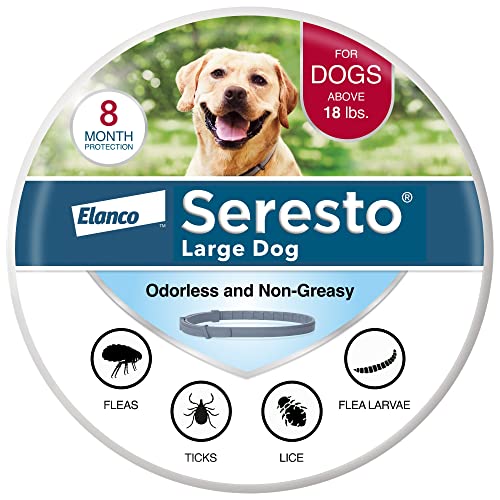
Collars impregnated with active ingredients that release slowly over weeks or months. Some modern collars provide up to 8 months of protection. Work through contact with the skin and fur.
Best for: Budget-conscious owners, dogs who tolerate collars well, and as a supplemental measure alongside other preventives.
Limitations: Efficacy varies widely between products. Must fit snugly to work properly. Some dogs find collars uncomfortable. Not all protect against both fleas and ticks equally.
Budget-friendly to mid-tierCombination Products
Treatments that combine flea and tick protection with other parasite control, such as heartworm prevention or deworming. Available as chewables, topicals, or injectables.
Best for: Owners who want comprehensive parasite protection in a single product. Reduces the number of products needed and the risk of forgetting a dose.
Limitations: Higher upfront cost. Prescription required for most combinations. If one component causes a reaction, all components are stopped.
Premium to luxuryQuick Tip: For dogs with sensitive skin who react to topical treatments, an oral preventive is often the better choice. See our guide to the best flea and tick treatment for dogs with sensitive skin for product recommendations and ingredient comparisons.
Comparing Treatment Options
The table below summarizes the key differences between the main prevention categories. Use it to narrow down which approach fits your dog's lifestyle and your household routine.
| Feature | Topical Spot-On | Oral Chewable | Collar | Combination |
|---|---|---|---|---|
| Application frequency | Monthly | Monthly to 12 weeks | 6-8 months | Monthly to 12 weeks |
| Water resistance | Varies (most water-resistant) | Excellent | Good | Excellent |
| Prescription required | Often over the counter | Usually | No | Usually |
| Kills fleas | Yes (contact) | Yes (after bite) | Varies by product | Yes |
| Kills ticks | Yes (contact) | Yes (after bite) | Varies by product | Yes |
| Ease of use | Moderate | Easy | Easy | Easy |
| Best for swimmers | No (unless waterproof) | Yes | No | Yes |
| Skin sensitivity | May cause irritation | Better tolerated | Possible collar irritation | Better tolerated |
If you prefer an over-the-counter option, see our guide to the best over-the-counter flea and tick treatment for dogs. If you want to explore oral options available without a prescription, our guide to oral flea and tick for dogs without a vet prescription covers what is and is not available. For prescription chewables, see flea and tick chewables for dogs without a vet prescription.
How to Choose the Right Product
The best flea and tick preventive for your dog depends on several factors. There is no single product that works for every dog, and the most expensive option is not automatically the best one for your situation.
Key Factors to Consider
- Your dog's age and weight: Many products are not safe for puppies under 8 weeks or dogs below a certain weight. Never use a product labeled for large dogs on a small dog — weight-based dosing is critical for safety. See our guide to flea and tick prevention for puppies for puppy-specific recommendations.
- Your dog's lifestyle: Dogs who hike, swim, or spend time in tall grass need more robust protection than dogs who mostly stay in a fenced yard. Swimmers do best with oral products. Dogs with sensitive skin may do better with orals than topicals.
- Your local parasite risk: Tick risk varies dramatically by region. If you live in or travel to an area with high tick populations, prioritize products with strong tick coverage. Ask your vet about local disease prevalence.
- Your household pets: If you have cats, never use dog products on them and avoid products containing permethrin, which is highly toxic to cats. Keep treated dogs separate from cats until the product dries.
- Your comfort with application: Some owners find topicals messy or difficult to apply. If you are uncomfortable applying a topical correctly, an oral product may be more reliable. Incorrectly applied topicals are a common cause of treatment failure.
- Your budget and routine: The best product is the one you will actually use consistently. A monthly reminder on your phone, a grooming appointment, or a vet schedule can all support consistent prevention.
Veterinarian Guidance is Essential:
Your veterinarian knows the parasite risk in your area, your dog's health history, and which products are safe alongside your dog's current medications. This is especially important for dogs with underlying health conditions, pregnant or nursing dogs, and very young or very old dogs. A quick conversation with your vet prevents costly mistakes and keeps your dog safe.
Building a Prevention Schedule
Consistency is the single most important factor in effective flea and tick prevention. Skipping a dose — even by a few weeks — gives parasites a window to re-establish themselves and can cause the cycle of infestation to restart.
Year-Round vs Seasonal Prevention
In many regions, year-round prevention is recommended. Fleas can survive indoors year-round, and some tick species remain active in cooler months. In areas with severe winters and no indoor flea issues, some veterinarians recommend seasonal prevention from spring through late fall. Your vet can advise based on local conditions.
A Simple Monthly Routine
- Pick a consistent date: Apply or give the preventive on the same date each month. Set a phone reminder. Some owners link it to a routine event like the first of the month or garbage day.
- Check the application site: For topicals, part the fur, apply directly to the skin, and prevent your dog from licking the area until it dries. Do not bathe your dog within 48 hours before or after application unless the product label says it is safe.
- Perform a quick tick check: Run your hands over your dog's body, especially around the ears, neck, armpits, and between the toes. Remove any ticks promptly with fine-tipped tweezers.
- Record the dose: Note the date and product used. This helps you track the schedule and spot any adverse reactions quickly.
- Reassess seasonally: Before tick season begins, review whether your current product is providing adequate protection. Different life stages and health changes may require a product switch.
Multi-Pet Household Tip: Treat all dogs and cats in the household on the same schedule. Fleas can move between pets, and treating only one animal leaves a reservoir of parasites that will re-infest the treated pet. Use species-appropriate products for each animal — never use dog products on cats.
Application and Safety Tips
Even the best preventive fails if it is applied or administered incorrectly. These guidelines help you get the most from your chosen product while keeping your dog safe.
Topical Application Best Practices
- Read the label completely before opening the product. Check the weight range, age minimum, and species on the label.
- Apply to dry skin. Part the fur at the base of the neck between the shoulder blades and apply directly to the skin, not the fur. If you apply to fur, the product will not spread properly.
- Do not massage the product in. Let it absorb naturally. Massaging can spread the product onto your hands and reduce effectiveness.
- Prevent licking. Use an Elizabethan collar if your dog is persistent about licking the application site. Ingestion of topical products can cause drooling, vomiting, or neurological symptoms.
- Wait before bathing. Most topicals require 48 hours before swimming or bathing. Check the label — some waterproof formulas allow swimming after drying.
- Wash your hands thoroughly after application. Store products out of reach of children and pets.
Oral Preventive Safety
- Give with food unless the label says otherwise. This reduces the risk of digestive upset and improves absorption for some products.
- Watch for reactions. Mild digestive upset is possible in the first few doses. Contact your vet if you see vomiting, diarrhea, lethargy, or neurological signs such as tremors.
- Do not split doses unless your veterinarian instructs you to. Chewables are formulated for specific weight ranges, and splitting can reduce effectiveness or cause an overdose.
- Check for drug interactions. Some oral preventives interact with other medications, including certain seizure medications and immunosuppressants. Always tell your vet about every medication your dog takes.
Never Use Dog Products on Cats: Permethrin and some other ingredients in dog flea products are highly toxic to cats and can be fatal. If you have both dogs and cats, consult your veterinarian about cat-safe products and keep treated dogs away from cats until topicals have dried.
Treating Your Home and Yard
Flea and tick prevention for your dog is only part of the solution. Up to 95% of a flea infestation exists in the environment — as eggs, larvae, and pupae in carpets, bedding, and soil. If your dog has fleas, you must treat the environment as well as the dog.
Indoor Treatment
- Wash all bedding in hot water weekly during an active infestation. Dry on high heat to kill all life stages.
- Vacuum thoroughly — carpets, furniture, baseboards, and under furniture. Vacuuming removes eggs and larvae and stimulates pupae to emerge, making them vulnerable to treatment. Seal the vacuum bag and dispose of it outside immediately.
- Use a flea spray or fogger labeled for indoor use. Follow label instructions exactly, and keep pets and children away during treatment and until the product is dry.
- Steam clean carpets if possible. Heat kills all flea life stages without chemicals.
- Repeat treatment in 2-3 weeks to kill newly emerged adults from pupae that survived the first round.
Outdoor Treatment
- Mow the lawn regularly and remove leaf litter, which provides habitat for ticks and flea larvae.
- Keep wildlife away — raccoons, opossums, and feral cats can introduce fleas and ticks to your yard. Secure garbage and avoid leaving pet food outdoors.
- Create a barrier between your lawn and wooded areas. A 3-foot-wide strip of gravel or mulch can reduce tick migration into your yard.
- Use outdoor flea and tick spray on kennels and resting areas. Follow label directions carefully and keep pets off treated areas until dry.
- Check yourself and family members for ticks after spending time outdoors, especially in tall grass or wooded areas.
For dogs with existing flea problems, see our guide on the best thing to get rid of fleas on a dog and the best way to get rid of fleas on a dog. If you are dealing with a persistent problem despite treatment, our guide on what to do when you can't get rid of fleas on your dog covers the most common reasons treatment fails.
Troubleshooting Common Problems
Even with consistent prevention, problems can arise. Here are the most common issues and how to address them.
My Dog Still Has Fleas After Treatment
Treatment failure is rarely caused by a defective product. The most common causes are:
- Incorrect application: Topical applied to fur instead of skin, or product not applied in the correct location.
- Bathing too soon: Bathing within 48 hours of application strips the product from the skin.
- Environmental re-infestation: The environment was not treated, so new fleas continue to emerge.
- Product resistance: Some flea populations have developed resistance to certain active ingredients. A product switch may be needed.
- Dose too low: Using a product for a smaller weight range than your dog's actual weight.
I Found One Flea on My Dog
Finding a single flea does not always mean treatment has failed. Fleas can jump onto a treated dog from the environment and die before reproducing. However, if you are finding fleas regularly or your dog is itching, you may need to reassess your prevention strategy. See our article on finding one flea on your dog but no more for guidance on when to be concerned.
My Dog Reacted to a Flea Product
Mild reactions include temporary redness or itching at the application site for topicals, or mild digestive upset for orals. More serious reactions include vomiting, lethargy, difficulty breathing, facial swelling, or neurological signs such as tremors or disorientation. Contact your veterinarian immediately if you see serious signs, and stop using the product until you have spoken with your vet.
Remember: No flea and tick product is 100% effective. The goal of prevention is to reduce the parasite burden enough that your dog stays healthy and comfortable. A few fleas that die quickly after jumping on a treated dog are not a treatment failure — they are evidence that the product is working.
Frequently Asked Questions
Bottom Line: Effective flea and tick prevention comes down to three things — choosing a product that fits your dog's lifestyle, applying or administering it correctly and consistently, and treating the environment when an infestation occurs. No single product is perfect, but a consistent routine dramatically reduces your dog's risk of parasite-borne disease. If you are looking for a comprehensive solution, our guide to the safest and most effective flea and tick treatment for dogs compares leading products, and our guide to all-in-one flea, tick, and worm treatment for dogs covers combination options. For dogs with sensitive skin, see the best flea and tick treatment for dogs with sensitive skin. Talk to your veterinarian before making any changes to your dog's prevention plan — your vet is your best resource for protecting your dog from fleas and ticks.