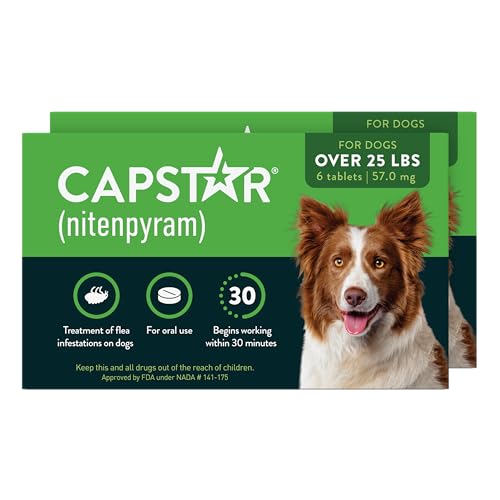
Flea Tablets for Dogs
Your complete guide to oral flea treatment — how they work, what to expect, and how to choose the right tablet for your dog's needs.
Fleas are more than just a nuisance — they cause intense itching, skin infections, allergic reactions, and can transmit tapeworms to your dog. A single female flea can lay up to 50 eggs per day, meaning a small problem can become a full-blown infestation in a matter of weeks. This is why choosing the right flea treatment is one of the most important decisions you'll make for your dog's health.
Flea tablets for dogs have become increasingly popular because they offer a convenient, effective, and mess-free way to protect your pet. Unlike topical treatments that can leave greasy spots on your dog's fur or be washed off during swimming, oral flea tablets work from the inside out. In this comprehensive guide, we'll walk you through everything you need to know about flea tablets — from how they work to how to choose the best option for your dog's specific needs.
How Flea Tablets Work
Flea tablets, also known as oral flea treatments or flea pills, are medications that your dog swallows. Once ingested, the active ingredients are absorbed into your dog's bloodstream. When a flea bites your dog, it ingests the medication, which then attacks the flea's nervous system, causing paralysis and death.
The key advantage of this approach is that it doesn't rely on the medication spreading across your dog's skin. Instead, every flea that feeds on your dog is exposed to a lethal dose, regardless of where it bites. This makes oral flea tablets particularly effective for dogs with thick coats, dogs who swim frequently, and dogs who live in multi-pet households where topical treatments might be groomed off by other animals.
Some flea tablets also contain ingredients that interrupt the flea life cycle by preventing eggs from hatching or larvae from developing. These dual-action formulas can be especially valuable if you're dealing with an active infestation. If you're looking for comprehensive protection that also addresses heartworms and ticks, our guide on flea and tick and heartworm medicine for dogs covers combination products that offer broader coverage.
Key Point: Flea tablets work systemically, meaning the medication circulates through your dog's bloodstream. This is why they're so effective — fleas can't avoid the medication by moving to a different part of your dog's body.
Key Benefits of Oral Flea Treatment
Flea tablets offer several advantages over topical treatments, shampoos, and collars. Understanding these benefits can help you determine whether oral treatment is the right choice for your dog.
Fast-Acting Protection
Many flea tablets begin killing fleas within 30 minutes to a few hours. Some fast-acting formulas like those found in flea pills for dogs that kill fleas instantly can provide relief much faster than topical treatments, which need time to spread through the coat.
Fast-ActingNo Mess, No Residue
There's no greasy spot, no unpleasant smell, and no risk of transferring medication to furniture or family members. This is especially important for dogs who sleep in bed with their owners or have close contact with children.
Clean ApplicationWaterproof & Swim-Safe
Unlike topical treatments that can wash off, flea tablets remain effective even after swimming, bathing, or getting caught in the rain. This makes them ideal for water-loving breeds and dogs who spend time outdoors.
WaterproofPrecise Dosing
Each tablet contains an exact dose based on your dog's weight, ensuring consistent protection. There's no guesswork about whether you've applied the right amount or whether the medication has spread evenly.
Accurate DosingMulti-Pet Friendly
In households with multiple dogs or cats, oral flea tablets eliminate the risk of one pet grooming the medication off another. Each pet gets their own accurate dose without cross-contamination.
Household-FriendlyLong-Lasting Control
Depending on the product, flea tablets can provide protection for 24 hours to 12 weeks. Monthly formulas are the most common and provide consistent, ongoing protection against reinfestation.
Extended ProtectionTypes of Flea Tablets for Dogs
Not all flea tablets are the same. They vary in active ingredients, speed of action, duration of protection, and whether they require a prescription. Understanding the different types can help you make an informed choice.
By Active Ingredient
- Nitenpyram: A fast-acting ingredient that starts killing fleas within 30 minutes. It's typically used for immediate relief during an active infestation and is often available without a prescription. However, it only kills adult fleas and doesn't provide long-term prevention.
- Spinosad: A prescription ingredient that kills adult fleas and prevents flea eggs from hatching. It starts working within 30 minutes and provides protection for one month. It's known for being effective against fleas that have developed resistance to older medications.
- Afoxolaner: A prescription ingredient found in popular monthly chewables. It kills fleas and ticks, starts working within 4 hours, and provides 30 days of protection. It's often combined with heartworm prevention in all-in-one products.
- Fluralaner: A prescription ingredient that provides up to 12 weeks of flea and tick protection from a single dose. It's one of the longest-lasting oral options available and is highly effective against fleas at all life stages.
- Sarolaner: A prescription ingredient that kills fleas and ticks within 24 hours and provides monthly protection. It's often used in combination products that also prevent heartworms and intestinal parasites.
By Duration of Protection
| Type | Duration | Best For | Prescription Needed |
|---|---|---|---|
| Fast-Acting (Nitenpyram) | 24-48 hours | Immediate flea kill during active infestation | No (OTC available) |
| Monthly Tablet | 30 days | Routine prevention and control | Sometimes |
| 3-Month Tablet | 90 days | Extended protection with less frequent dosing | Yes |
| 12-Week Chewable | 84 days | Longest-lasting oral protection available | Yes |
| Combination Tablet | 30 days | Fleas, ticks, heartworms, and intestinal worms | Yes |
Prescription vs Over-the-Counter
Some flea tablets are available over-the-counter, while others require a veterinary prescription. Prescription products often contain newer, more effective active ingredients and may be recommended for dogs with health issues or heavy infestations. Over-the-counter options can be effective for prevention and mild cases, but they may not be as fast-acting or long-lasting.
If you're looking for options that don't require a vet visit, our guide on flea and tick pill for dogs without vet prescription covers effective OTC alternatives. However, even with OTC products, it's always wise to consult your veterinarian to ensure the product is safe for your dog's age, weight, and health status.
Speed & Effectiveness
One of the most common questions dog owners ask is: "How fast do flea tablets work?" The answer depends on the specific product and active ingredient. Here's a breakdown of what you can expect:
- Within 30 minutes: Fast-acting tablets containing nitenpyram begin killing fleas almost immediately. You may see fleas falling off your dog or becoming lethargic within the first hour. This is ideal for dogs who are severely infested and need immediate relief.
- Within 4 hours: Many prescription tablets, including those containing afoxolaner, start working within 4 hours. By this time, a significant portion of the flea population on your dog will be eliminated.
- Within 24 hours: Most flea tablets achieve full effectiveness within 24 hours. This means that by the next day, your dog should be largely flea-free, though you may still see some fleas if the infestation was severe.
- Ongoing protection: After the initial kill, the medication remains in your dog's system to kill any new fleas that jump on. Depending on the product, this protection lasts from 24 hours to 12 weeks.
Important: Flea tablets kill adult fleas, but they don't immediately eliminate eggs, larvae, or pupae in your home environment. If you have an active infestation, you'll need to treat your home as well — vacuuming frequently, washing pet bedding, and using an environmental flea treatment. Otherwise, new fleas will continue to emerge and jump on your dog.
It's also important to note that no flea treatment is 100% effective 100% of the time. Some fleas may survive if they don't bite your dog, and reinfestation from the environment is always possible. However, consistent use of flea tablets, combined with environmental management, provides the best protection. For a comprehensive approach, see our guide on flea prevention for dogs.
Safety & Side Effects
Flea tablets are generally safe for most dogs when used as directed. However, like any medication, they can cause side effects in some dogs. Understanding the risks and knowing what to watch for can help you keep your dog safe.
Common Side Effects
Mild side effects are relatively common and usually resolve within 24-48 hours without treatment. These include:
- Vomiting or nausea
- Diarrhea
- Loss of appetite
- Lethargy or drowsiness
- Increased salivation
- Mild itching or scratching
If these side effects persist or worsen, contact your veterinarian. In most cases, they're temporary and not a cause for serious concern.
Serious Side Effects
Serious reactions are rare but require immediate veterinary attention. Watch for:
- Seizures or tremors
- Difficulty breathing or collapse
- Severe vomiting or diarrhea that doesn't stop
- Facial swelling, hives, or severe allergic reaction
- Disorientation or stumbling
- Excessive drooling or foaming at the mouth
If you notice any of these signs, contact your veterinarian or an emergency animal clinic immediately. Some dogs, especially those with pre-existing health conditions or sensitivities, may be more prone to adverse reactions.
Special Considerations
Certain dogs require extra caution when using flea tablets:
- Puppies: Flea tablets are typically safe for puppies over 8-14 weeks and 2-4 pounds, but always check the label. Never give adult flea medication to a young puppy without veterinary approval. For younger puppies, flea treatment for dogs puppies may offer gentler options.
- Pregnant or nursing dogs: Some flea tablets are safe during pregnancy and lactation, while others are not. Always consult your vet before giving any medication to a pregnant or nursing dog.
- Dogs with seizures: Some flea medications can lower the seizure threshold in dogs with epilepsy or a history of seizures. If your dog has seizures, look for options specifically designed for them, such as those in our guide on flea and tick medicine for dogs with seizures.
- Dogs with allergies or sensitive skin: While flea tablets bypass the skin, some dogs may still have sensitivities to the active ingredients. If your dog has a history of reactions to medications, discuss alternatives with your vet.
Safety First: Always read the label carefully and follow the dosing instructions exactly. Never give your dog a flea tablet meant for a different weight class or species. Cats and dogs have different metabolisms, and medications safe for one can be toxic to the other.
How to Choose the Right Flea Tablet
With so many options available, choosing the right flea tablet for your dog can feel overwhelming. Here are the key factors to consider:
1. Your Dog's Weight and Age
Flea tablets are dosed by weight, so you need to know your dog's current weight before purchasing. Most products come in different sizes for different weight ranges. Giving the wrong dose can be ineffective or dangerous. Puppies have different requirements than adults, so always check the minimum age and weight on the product label.
2. Speed of Action
If your dog currently has fleas and is uncomfortable, you'll want a fast-acting tablet that starts killing fleas within hours. If you're using the tablet for prevention, speed is less critical, and you can focus on duration and coverage.
3. Duration of Protection
Consider how often you want to give the medication. Monthly tablets are the most common and convenient for most owners. If you prefer less frequent dosing, a 3-month or 12-week tablet may be a better fit. However, longer-lasting products are usually more expensive, so weigh the convenience against the cost.
4. Additional Coverage
Some flea tablets also protect against ticks, heartworms, and intestinal worms. If your dog is at risk for these parasites, a combination product may be more cost-effective and convenient than giving multiple medications. Our guide on flea and tick and heartworm medicine for dogs can help you compare combination options.
5. Prescription vs Over-the-Counter
Prescription flea tablets often contain newer, more effective ingredients and may be recommended if your dog has a heavy infestation or health issues. Over-the-counter options are convenient and can be effective for prevention. If you're unsure which is right for your dog, consult your veterinarian.
6. Your Dog's Lifestyle
If your dog swims frequently or gets bathed often, oral flea tablets are a better choice than topical treatments. If your dog has a thick coat that makes topical application difficult, tablets are also more practical. And if you have multiple pets, tablets eliminate the risk of cross-grooming.
Dosing & Administration Tips
Giving your dog a flea tablet doesn't have to be a struggle. Here are some tips to make the process easier:
- Check the dose: Always verify that you're giving the correct dose for your dog's current weight. If your dog has gained or lost weight since their last vet visit, reweigh them before dosing.
- Give with food: Most flea tablets can be given with or without food, but giving them with a meal can help prevent stomach upset and improve absorption. Some tablets are flavored and can be given as a treat.
- Use a pill pocket or treat: If your dog is picky about taking pills, hide the tablet in a pill pocket, peanut butter, cheese, or another high-value treat. Make sure your dog swallows the entire tablet and doesn't spit it out.
- Don't crush or split tablets: Unless specifically instructed by your veterinarian or the product label, don't crush or split flea tablets. Some are designed to be given whole for proper absorption and timed release.
- Monitor your dog: After giving the tablet, watch your dog for any signs of adverse reaction. Mild side effects are normal, but if you notice anything serious, contact your vet immediately.
- Keep a schedule: Set a reminder on your phone or calendar to give the next dose on time. Consistency is key to preventing reinfestation.
Pro Tip: If your dog has a sensitive stomach, give the flea tablet after a meal rather than on an empty stomach. This can reduce the risk of vomiting and nausea. If your dog still has trouble, ask your vet about a different formulation or a topical alternative.
Flea Tablets vs Other Flea Treatments
Flea tablets are just one of several options for flea control. Understanding how they compare to other treatments can help you make an informed decision.
| Treatment Type | Pros | Cons | Best For |
|---|---|---|---|
| Oral Flea Tablets | Fast-acting, no mess, waterproof, precise dosing | Requires swallowing pill, some need prescription | Dogs with thick coats, swimmers, multi-pet homes |
| Topical Spot-On | Easy to apply, kills fleas and ticks, monthly | Can leave greasy spot, washes off, not for swimmers | Dogs who tolerate topical application |
| Flea Collars | Long-lasting, convenient, no pill required | Less effective, can cause skin irritation, not for all dogs | Dogs with mild flea problems, as backup |
| Flea Shampoo | Immediate relief, kills fleas on contact, soothing | No lasting protection, requires bathing, can dry skin | Dogs with sensitive skin, immediate flea removal |
| Flea Sprays | Fast-acting, can treat environment | Requires frequent application, strong odor | Home treatment, spot treatment |
For many dog owners, oral flea tablets offer the best combination of effectiveness, convenience, and safety. However, the "best" choice depends on your dog's individual needs, lifestyle, and health status. Some owners use a combination approach — for example, a flea tablet for systemic protection and a flea shampoo for immediate relief during an active infestation. If you're considering shampoo as part of your routine, our guide on flea shampoo for dogs covers how to choose and use these products effectively.
Frequently Asked Questions
Still Have Questions?
Choosing the right flea tablet for your dog is a decision that should be based on their individual needs, lifestyle, and health status. When in doubt, consult your veterinarian — they can recommend the most effective and safest option for your dog. And remember, flea prevention is a year-round commitment. Consistent use of flea tablets, combined with environmental management, will keep your dog comfortable and flea-free. For more comprehensive flea control strategies, explore our complete flea treatment for dogs guide.