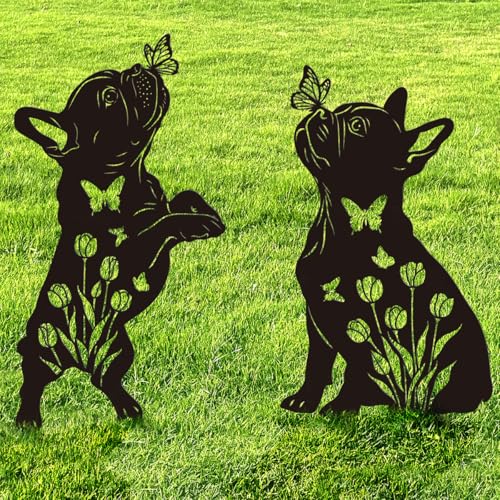
French Bulldog Frenchie: The Complete Care Guide
Everything you need to know about the French Bulldog — from their unique personality and health needs to nutrition, training, and grooming. A comprehensive guide for current and future Frenchie owners.
The French Bulldog, affectionately known as the Frenchie, has become one of the most beloved dog breeds in the world. With their signature bat ears, expressive faces, and charming personalities, it's easy to see why. But owning a Frenchie comes with unique responsibilities and considerations. This guide will walk you through everything you need to know to provide the best possible care for your French Bulldog.
French Bulldog Quick Facts
- Size:Small to Medium (16–28 lbs)
- Height:11–13 inches
- Coat:Short, smooth, single coat
- Colors:Brindle, fawn, cream, white, and various patterns
- Life Expectancy:10–12 years
- Good with Children:Yes, with supervision
- Shedding Level:Moderate
- Barking Level:Low to moderate
French Bulldog Breed Overview
The French Bulldog originated in England as a miniature version of the English Bulldog, but they became popular in France when lace workers brought them over during the Industrial Revolution. Today, they are one of the most popular dog breeds in the United States, known for their playful, adaptable, and affectionate nature.
French Bulldogs are small but sturdy dogs with a distinctive appearance. Their most iconic features include their large, bat-like ears, wrinkled faces, and compact, muscular bodies. They come in a variety of colors including brindle, fawn, cream, white, and combinations of these.
If you're looking for a breed that is loyal, loving, and full of personality, the French Bulldog is an excellent choice. However, they are also known for certain health issues that potential owners should be aware of. Being well-informed is key to ensuring your Frenchie lives a long, healthy, and happy life.
Did you know? French Bulldogs are the most popular dog breed in the United States according to the American Kennel Club (AKC) as of 2022. Their popularity continues to rise due to their adaptable nature and charming personalities.
Personality & Temperament
French Bulldogs are known for their playful, affectionate, and easygoing nature. They are excellent companions for individuals, couples, and families alike. Here are some key traits that define their personality:
- Affectionate and Loyal: Frenchies form strong bonds with their owners. They love to be close to you, whether that's snuggling on the couch or following you from room to room. They are not typically "one-person" dogs and generally do well with all members of the household.
- Playful but Not Hyper: They have a moderate energy level. They enjoy playtime and short bursts of activity, but they are also content to be couch potatoes and relax with you. This makes them great for apartment living and less active families.
- Good with Children: French Bulldogs are generally patient and tolerant, making them great family pets. As with any breed, it's crucial to supervise interactions between dogs and young children and teach children how to respect the dog's space. Learn more about family-friendly breeds and how to introduce them safely.
- Alert but Not Yappy: They can be good watchdogs, often barking to alert you of visitors. However, they are not excessive barkers, which is a plus for neighbors in apartments.
- Stubborn Streak: Frenchies can be a bit stubborn. This means they require a consistent, patient approach to training. They respond best to positive reinforcement techniques.
- Social Butterflies: They generally get along well with other dogs and enjoy socializing. Early socialization is important to ensure they grow up to be well-rounded adults.
Health Issues & Care
French Bulldogs are a brachycephalic (flat-faced) breed, which makes them prone to several specific health issues. Being aware of these conditions and working with a reputable breeder and veterinarian is crucial.
Common Health Concerns
- Brachycephalic Obstructive Airway Syndrome (BOAS): This is a respiratory condition common in flat-faced dogs. It can cause difficulty breathing, snoring, and overheating. Avoid strenuous exercise in hot or humid weather and keep your Frenchie at a healthy weight.
- Heat Sensitivity: Due to their compromised breathing, French Bulldogs are highly susceptible to heatstroke. Never leave them in a hot car, and limit outdoor activity during the hottest parts of the day. Always provide shade and fresh water.
- Skin Allergies: Frenchies are prone to allergies, which can manifest as itchy skin, ear infections, and hot spots. Finding the best dog food for allergies is essential. Work with your vet to manage allergies with diet, medication, or supplements.
- Hip Dysplasia: A genetic condition where the hip joint doesn't develop properly, leading to arthritis and pain. Responsible breeders screen for this. Maintaining a healthy weight and providing joint supplements can help manage the condition.
- Intervertebral Disc Disease (IVDD): This is a spinal condition that can cause pain and mobility issues. Avoid letting your Frenchie jump from high surfaces and discourage excessive stair climbing.
- Eye Conditions: They are prone to cherry eye, cataracts, and other eye issues. Regular eye check-ups are recommended.
Proactive Health Tip: Regular vet visits are essential to catch health issues early. Your vet can perform a physical exam, vaccinations, and parasite prevention. Consider DNA testing to screen for genetic conditions, which can help you plan for your dog's future healthcare needs. Also, explore quality dog vitamins and supplements to support your Frenchie's overall health.
Nutrition & Feeding
Feeding your French Bulldog a high-quality, balanced diet is fundamental to their health, especially given their susceptibility to allergies and weight gain. Obesity can exacerbate many health issues, including joint problems and breathing difficulties.
French Bulldogs do best on a diet that is rich in animal protein and moderate in fat. Look for foods that list a named meat source (like chicken, lamb, or fish) as the first ingredient. Avoid foods with excessive fillers (like corn, wheat, and soy) and artificial additives.
Because they are prone to allergies, you might need to experiment with different protein sources to find one that doesn't cause skin issues or digestive upset. Some Frenchies thrive on limited-ingredient diets.
Feeding twice a day is recommended to help prevent bloating, though they are less prone to bloat compared to large, deep-chested breeds. Portion control is vital. Consult your vet to determine the appropriate amount of food based on your dog's age, weight, and activity level.
Remember to always provide fresh, clean water. Due to their flat faces, they may need a bowl that is shallow and wide to drink comfortably.
For more detailed guidance on choosing the right food, check out our comprehensive Dog Food Guide and for treat options, explore the best dog treats that are healthy and safe for your Frenchie.
Training Your Frenchie
Training a French Bulldog requires patience, consistency, and a sense of humor. Their stubborn nature can be a challenge, but they are also intelligent and eager to please, especially if you make training fun and rewarding.
Key Training Principles:
- Positive Reinforcement: This is the most effective method for Frenchies. Use high-value treats, praise, and toys to reward desired behaviors. Positive reinforcement builds a strong bond and encourages your dog to learn willingly.
- Consistency: Use the same commands and hand signals for each behavior. Make sure all family members are on the same page to avoid confusing your dog.
- Short Sessions: Keep training sessions short (5-10 minutes) to maintain your Frenchie's attention. They can get bored or frustrated if sessions are too long.
- Socialization: Early and varied socialization is crucial. Expose your puppy to different people, places, sounds, and other animals in a positive and controlled manner. This helps prevent fear and anxiety later in life.
- Patience with Potty Training: Some Frenchies can be challenging to housetrain. Establish a strict routine, take them out frequently, and reward them immediately for going in the right spot. Clean up accidents with an enzymatic cleaner to remove the scent.
If you're facing significant behavioral issues, don't hesitate to seek professional help. Check our guide on when to see a behaviorist. For more advanced training, such as off-leash training, consider working with a professional trainer.
Grooming & Maintenance
The French Bulldog has a short, smooth coat that is relatively low-maintenance compared to many other breeds. However, they do require some regular care to stay clean, comfortable, and healthy.
- Coat Care: Brush your Frenchie weekly with a rubber grooming mitt or bristle brush. This helps remove loose hair and distribute natural oils, keeping the coat shiny and healthy. They shed moderately, so you'll see some fur around the house.
- Bathing: Bathe your Frenchie every 2-3 months, or as needed when they get dirty or smelly. Use a gentle, dog-specific shampoo to avoid irritating their sensitive skin. For dogs with allergies, a medicated or oatmeal shampoo can be beneficial.
- Face and Wrinkle Cleaning: This is one of the most important grooming tasks for a Frenchie. Their facial wrinkles can collect moisture, dirt, and food, leading to skin fold dermatitis and infections. Clean the wrinkles weekly (or more often if needed) with a soft, damp cloth or a dedicated dog-safe wipe. Dry the area thoroughly after cleaning.
- Nail Trimming: Trim your Frenchie's nails every 2-3 weeks. If you can hear their nails clicking on the floor, they are too long. Use a good pair of dog nail clippers and be careful not to cut the quick. If you're not confident, ask your vet or groomer to do it.
- Ear Cleaning: Check their ears weekly for redness, odor, or debris. Clean them with a vet-recommended ear cleaner to prevent infections. Avoid inserting anything deep into the ear canal.
- Dental Care: Dental health is crucial for overall well-being. Brush your Frenchie's teeth at least 2-3 times a week with a dog-safe toothpaste. This helps prevent periodontal disease, which can affect their heart and other organs. Consider using dog toothbrushes and dental chews to support oral hygiene.
For more general grooming advice, you might find our Dog Grooming Guide helpful, which covers everything from bathing to brushing.
Exercise Needs
While they are not as high-energy as some breeds, French Bulldogs still need daily exercise to stay fit and mentally stimulated. The amount of exercise should be tailored to their individual health and fitness level.
- Recommended Daily Activity: Aim for 30 to 45 minutes of exercise per day, broken into two walks or play sessions. A couple of short (15-20 minute) walks and a play session indoors or in a fenced yard is usually sufficient.
- Activity Ideas: They enjoy short walks, fetch games, and interactive play. Their short legs and flat faces mean they are not built for long runs or vigorous hiking. Interactive dog toys can also help them burn off mental energy.
- Important Precautions: Because of their brachycephalic nature, French Bulldogs overheat easily. Never exercise them in hot or humid weather. Early mornings or late evenings are the best times for walks. Watch for signs of overheating such as excessive panting, drooling, and difficulty breathing.
Exercise Caution: If your Frenchie is panting heavily or seems unable to catch their breath, stop the activity immediately, move them to a cool place, and offer small amounts of water. If they don't recover quickly, seek veterinary help.
Frequently Asked Questions
Is a French Bulldog Right for You?
French Bulldogs are wonderful, loving companions that bring immense joy to their families. They are adaptable to many living situations, from apartments to houses. However, their unique health needs, tendency toward stubbornness, and potential for significant veterinary expenses mean they are a big responsibility. By understanding their needs and being prepared to meet them, you can look forward to many happy years with your Frenchie. Their loyalty, charm, and playful antics make them a truly special breed.