How to Train a Puppy While Working Full Time
Practical, step‑by‑step strategies to raise a happy, well‑behaved puppy without quitting your job.
The Reality of Full‑Time Work & Puppyhood
Bringing home a new puppy is one of life’s greatest joys — but it can also feel overwhelming when you work full time. The good news? Thousands of pet parents successfully raise well‑adjusted puppies while holding down demanding jobs. It requires planning, consistency, and a few key tools, but it’s absolutely achievable.
This guide walks you through every step: from crate training and potty schedules to exercise routines and preventing separation anxiety. By the time you finish reading, you’ll have a clear action plan to help your puppy thrive — even when you’re away at the office.
Crate Training: Your Best Ally
Crate training is the single most effective strategy for working owners. A properly introduced crate becomes your puppy’s safe den, not a prison. It helps with housetraining, prevents destructive chewing, and gives your puppy a calm place to rest.
🐾 Pro Tip: Make the crate irresistible. Place a comfortable bed, a few safe toys, and a treat‑filled Kong inside. Feed your puppy meals in the crate to build positive associations. Never use the crate as punishment.
Start with short sessions while you’re home. Gradually increase the duration. For puppies under 6 months, a general rule is they can hold their bladder for about one hour per month of age (plus one). So a 3‑month‑old puppy can usually wait about 4 hours — but every puppy is different.
If you’re gone longer than that, you’ll need a midday break. That’s where a dog walker, pet sitter, or a trusted neighbor comes in. You can also set up a pee pad area for emergencies.
Potty Training with a 9‑to‑5 Schedule
Consistency is the backbone of potty training. Here’s a realistic daily schedule that works for full‑time workers:
⏰ Morning Routine
- 6:30 AM – Wake up, immediately take puppy outside.
- 7:00 AM – Breakfast (feed in crate).
- 7:30 AM – Second potty break, then play/training.
- 8:15 AM – Final potty break before crate.
🏢 Workday (while you're away)
- Midday (12 PM) – Dog walker or sitter visits for potty & play.
- Alternative – Use a puppy stroller or designated pee pad area for longer absences.
- Keep water available – but limit access 2 hours before you leave.
🌙 Evening Routine
- 5:30 PM – Immediate potty break when you get home.
- 6:00 PM – Dinner & 45–60 mins of exercise/walk.
- 7:00 PM – Training session (10‑15 mins) & play.
- 9:30 PM – Final potty break, then crate for the night.
📅 Weekends & Days Off
- Stick to the same schedule as much as possible.
- Focus on housebreaking and socialization.
- Increase exercise and outdoor exploration.
- Practice crate training with longer durations.
Exercise & Mental Stimulation Before & After Work
A tired puppy is a well‑behaved puppy. Since you’re away during the day, make the most of your time together before and after work.
- ✔ Morning walk: 20‑30 minutes of brisk walking or play. This burns off early energy.
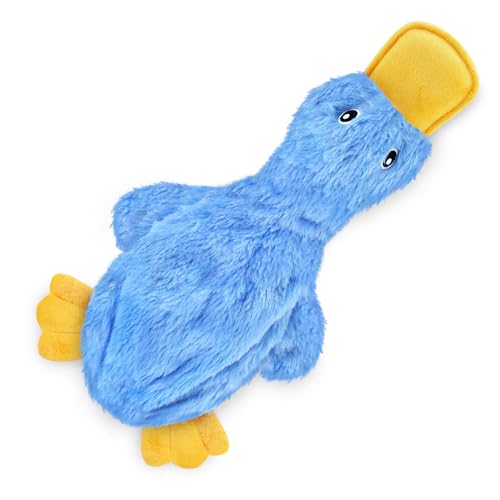
- ✔ Interactive toys: Leave puzzle toys or chew toys in the crate to keep your puppy occupied.
- ✔ Evening training: 10‑15 minutes of clicker training or trick practice. Mental work is just as tiring as physical exercise.
- ✔ Weekend adventures: Use your days off for longer walks, dog parks, or new environments.
Remember: A puppy that gets enough exercise and mental stimulation is far less likely to develop destructive habits or excessive barking. It also makes stopping excessive barking much easier.
Preventing Separation Anxiety
Separation anxiety is one of the biggest challenges for working owners. The key is to teach your puppy that being alone is safe and normal.
- ✔ Start small: Leave your puppy alone for short periods (5‑10 minutes) while you're home, then gradually increase.
- ✔ Don’t make a fuss: When you leave and return, keep it low‑key. No big goodbyes or excited greetings.
- ✔ Provide comfort items: A shirt that smells like you can be very calming. Calming products like pheromone diffusers or anxiety wraps can also help.
- ✔ Use a camera: A pet camera lets you check in and talk to your puppy, which can ease both of your anxiety.
If you notice signs of severe distress (excessive drooling, destructive behavior, self‑harm), consult a professional. Sometimes seeing a behaviorist is the best path forward.
Puppy Proofing Your Home
Before you leave for work, make sure your home is a safe environment. Puppies explore with their mouths, so anything within reach is a potential hazard.
- ✔ Secure electrical cords and cover outlets.
- ✔ Store chemicals, medications, and toxic plants out of reach.
- ✔ Remove small objects that could be swallowed (toys, coins, socks).
- ✔ Use baby gates to restrict access to certain areas.
- ✔ Consider a playpen attached to the crate for extra roaming space.
🐾 Quick Win: Do a “puppy walk” around your home at floor level to spot dangers you might otherwise miss.
Using Dog Walkers & Daycare
If your work hours are long, a midday break is essential. Options include:
- ✔ Professional dog walkers – book a 30‑minute visit for potty, play, and socialisation.
- ✔ Pet sitters – some offer in‑home visits that include feeding and cuddling.
- ✔ Doggy daycare – 2‑3 days a week can provide excellent socialisation and exercise.
- ✔ Trusted neighbours or family members – often the most cost‑effective solution.
Many owners find that a combination of dog sitters and boarding works best during the early months. The investment pays off in a well‑adjusted adult dog.
Frequently Asked Questions
📌 Remember: Training a puppy while working full time is a marathon, not a sprint. Be patient, stay consistent, and celebrate small wins. With the right plan and tools, your puppy will grow into a well‑adjusted, happy companion who fits perfectly into your busy life.