How to Train Your Puppy to Poop on a Pad
The complete step-by-step guide to successful puppy pad training. Learn the best techniques, avoid common mistakes, and choose the right products for a clean and happy home.
Why Pad Training Works
Pad training is one of the most effective and practical methods for potty training your puppy, especially for those living in apartments, high-rises, or areas with extreme weather conditions. It provides a designated, clean spot for your puppy to relieve themselves while protecting your floors and carpets from accidents.
Beyond convenience, pad training helps establish a consistent routine that is essential for a puppy's learning process. By teaching your puppy to associate a specific location with going to the bathroom, you create a clear and understandable system. This method is also ideal for pet owners who work long hours and cannot take their puppy outside frequently. Pad training is a compassionate approach that allows your puppy to succeed rather than fail due to unrealistic expectations.
Why Choose Pad Training?
✓ Perfect for apartment living and high-rise buildings
✓ Ideal for puppies that are too young for outdoor walks
✓ Great for senior dogs with mobility issues
✓ Protects your floors from stains and odors
✓ Reduces stress for both you and your puppy
Understanding your puppy's natural instincts is key. Puppies typically need to eliminate shortly after waking up, after eating or drinking, after playtime, and before bedtime. Recognizing these signs is the first step to successful training. By anticipating your puppy's needs and guiding them to the pad, you set them up for success from day one.
Essential Supplies for Pad Training
Having the right supplies before you begin training is crucial. The right tools make the process smoother and increase your chances of success. Investing in quality products also ensures that your puppy has a positive experience with the training process.
Puppy Pads
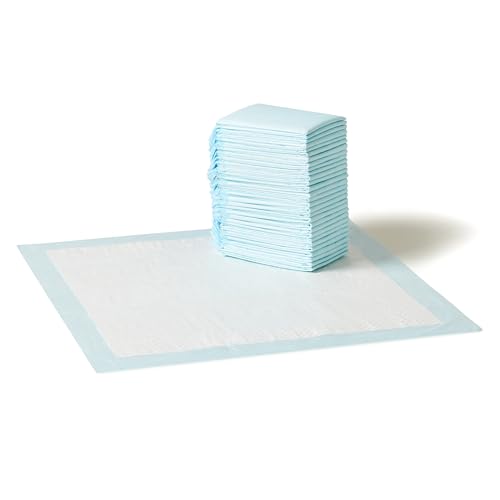
- Size matters: Choose pads that are large enough for your puppy to turn around on. For most breeds, a 22" x 22" pad is sufficient. For larger breeds, consider 28" x 28" or bigger.
- Absorbency: Look for pads with a leak-proof backing and high-absorbency layers to prevent messes and odors.
- Attractant scent: Some pads come with built-in attractants that encourage your puppy to use the pad.
- Budget-friendly: Consider buying in bulk to save money, but always check the quality.
Essential Accessories
- Pad Holder/Tray: Holds the pad securely, prevents tearing, and keeps it in place. Highly recommended for consistency.
- Enzymatic Cleaner: Essential for cleaning accidents. It breaks down the proteins in urine and feces, removing the odor that attracts puppies back to the same spot.
- High-Value Treats: Small, soft, and delicious treats that you only use for training. This makes the reward extra special.
- Clicker (Optional): A clicker can be used to mark the exact moment your puppy is eliminating, making the association clearer.
Quick Tip: When choosing a crate for your puppy, ensure it is appropriately sized. A crate that is too large may allow your puppy to eliminate in one corner and sleep in another, defeating the purpose of crate training for potty training. A properly sized crate encourages them to hold it until they are taken to the pad.
The location of your pad is just as important as the pad itself. Place it in a quiet, low-traffic area that is easily accessible to your puppy. Avoid placing it near their food and water bowls or their sleeping area, as dogs are naturally clean animals and prefer not to eliminate where they eat or sleep. Consistency in the pad's location will reinforce the learning process.
Step-by-Step Training Process
Training a puppy requires patience, consistency, and a positive attitude. Here is a detailed step-by-step plan that incorporates the best practices from professional dog trainers. Remember, every puppy is different, and the timeline can vary.
- Set Up the Pad: Place the pad in its designated location. If using a pad holder, secure the pad inside. Make sure the area is free of obstacles. Introduce your puppy to the pad by letting them sniff it and rewarding them for showing interest.
- Follow the Schedule: Take your puppy to the pad at key times: first thing in the morning, after every meal, after waking from a nap, after play sessions, and right before bedtime. Observing your puppy's cues will also help you identify when they need to go.
- Wait and Watch: When you place your puppy on the pad, stay with them quietly. Use a cue like "go potty" to associate the action with the phrase. Do not distract them with play or excessive praise until they are done. Be patient; it might take a few minutes.
- Reinforce Success: The moment your puppy eliminates on the pad (even a small amount), immediately reward them with high-value treats and praise. The reward must happen within 1-2 seconds for your puppy to connect the behavior with the reward. A clicker can be very helpful for this.
- Manage Accidents: If you catch your puppy in the act of eliminating in the wrong spot, gently interrupt them with a calm "uh-oh" and quickly carry them to the pad. Do not scold or punish them. If you find an accident after it has happened, simply clean it up thoroughly with the enzymatic cleaner. Accidents are a normal part of the learning process.
- Gradually Increase Distance: Over time, begin to place the pad slightly further away from their immediate living area to encourage them to walk a little to get to it. This helps build the habit of going to a specific spot.
Important: Never punish your puppy for accidents. Punishment creates fear and confusion, which can severely damage the bond you are building and actually slow down the training process. If your puppy has an accident, it is your responsibility to learn their cues and adjust your schedule.
Consistency is the absolute key to success. Every family member must follow the same rules and schedule. A lack of consistency is one of the primary reasons why training attempts fail. When everyone is on the same page, your puppy will learn much faster and with less stress.
Creating a Potty Schedule
Puppies thrive on routine. A predictable schedule helps them understand when and where they are supposed to go. It also makes it easier for you to anticipate their needs and prevent accidents.
Typical Potty Schedule for a Puppy (8-16 weeks):
• 7:00 AM: Wake up, go to pad immediately.
• 7:15 AM: Breakfast.
• 7:45 AM: Back to pad after eating.
• 9:00 AM: Pad visit (after playtime).
• 11:00 AM: Pad visit.
• 12:00 PM: Lunch.
• 12:30 PM: Pad visit after lunch.
• 2:00 PM: Pad visit.
• 4:00 PM: Pad visit.
• 5:00 PM: Dinner.
• 5:30 PM: Pad visit after dinner.
• 8:00 PM: Last pad visit of the evening.
• 10:00 PM: Bedtime, restrict water 1-2 hours before.
As your puppy grows, you can gradually extend the time between visits. By the time your puppy is 4-6 months old, they should be able to hold it for 4-6 hours. Crate training can be a great aid in this process, as dogs naturally do not want to soil their sleeping area.
Understanding the signs that your puppy needs to go is equally important. Common cues include: circling, sniffing the ground, whining, pacing, or heading toward the door. If you see any of these signs, take your puppy to the pad immediately, even if it is not on the schedule.
Common Mistakes to Avoid
Even well-intentioned owners can make mistakes that hinder the training process. Here are the most common pitfalls and how to avoid them:
- Not Using Enzymatic Cleaner: Regular household cleaners do not eliminate the odor of urine and feces completely. Puppies have a highly developed sense of smell and will be attracted back to the same spot to eliminate again. Always use an enzymatic cleaner to break down the smell completely.
- Moving the Pad Around: Changing the location of the pad frequently can confuse your puppy. Choose a spot and stick with it. If you need to move the pad, do it gradually, inch by inch, over several days.
- Using the Wrong Treats: The reward must be something your puppy absolutely loves and only receives during training. Using a low-value treat or the same treat they get for regular snacks will not provide the same motivation.
- Punishing Accidents: As mentioned, punishment is counterproductive. It creates fear, which can lead to anxiety and further accidents. It also breaks the trust between you and your puppy.
- Not Cleaning Up Immediately: Leaving a soiled pad in place for too long can lead to your puppy developing a preference for a dirty spot, or it can make them avoid the pad altogether because they find it unhygienic.
- Rushing the Process: Pad training takes time. Some puppies might master it in a few weeks, while others might take a few months. Patience and consistency are more important than speed. Small breed puppies, for instance, often take longer due to their small bladders and slower metabolic rates.
Transitioning to Outdoor Pooping
Eventually, you may want to transition your puppy from indoor pad training to going outside. This is a natural progression that many owners choose once their puppy is fully vaccinated and can safely go for walks.
The key to a successful transition is to do it gradually. Do not remove the pad suddenly; this can cause confusion and regression. The process might take anywhere from a few weeks to a couple of months.
Step-by-Step Transition Plan
- Move the Pad Closer to the Door: Begin by moving the pad a few inches closer to the door you will use to go outside. Do this over the course of a week to a week and a half.
- Place the Pad Outside: Once the pad is at the door, place it just outside the door. Your puppy will associate the pad with being outside, but still have a familiar surface to eliminate on.
- Add Grass to the Pad: If possible, place a piece of sod or artificial grass on top of the pad to help them get used to the texture of grass.
- Introduce Outdoor Potty Cues: When you take your puppy outside, use the same "go potty" cue you used on the pad. This helps them make the connection.
- Remove the Pad: Once your puppy is consistently eliminating on the pad outside, you can remove the pad completely. Be prepared for a few accidents as they adjust to the new routine.
Pro Tip: If you live in an area with harsh weather, consider using a grass pad or a portable artificial grass patch as a permanent solution, even if you also take your dog for walks. This gives your dog a reliable spot to go, even when conditions are not ideal for a long walk.
Troubleshooting & Problem-Solving
Even with the best training plan, you might encounter some challenges along the way. Here are some common problems and their solutions.
My Puppy Pees on the Pad, But Won't Poop
This is one of the most common challenges. It often happens because the puppy sees the pad primarily as a peeing zone. To solve this:
- Use a separate pad for pooping: Place a second pad in a slightly different spot, or use a larger pad that has a different texture or an attractant scent specifically for pooping.
- Place a sample on the pad: If possible, place a small amount of your puppy's feces on the pad to show them that this is also an acceptable spot for pooping.
- Time it right: Puppies often need to poop shortly after a meal. Take them to the pad right after they eat and wait patiently.
My Puppy Eats or Tears the Pad
Some puppies may treat the pad as a toy or a snack, which is dangerous and counterproductive. To prevent this:
- Use a pad holder: A pad holder secures the pad, making it difficult for the puppy to access the edges to chew.
- Add a bitter spray: You can spray the edges of the pad with a safe, pet-safe bitter apple spray to deter chewing.
- Redirect and distract: If you catch them chewing, redirect their attention to a chew toy. Always supervise your puppy when they are on the pad.
My Puppy Avoids the Pad Altogether
If your puppy is completely ignoring the pad, it could be due to several reasons:
- Check the location: The pad might be in a noisy or high-traffic area. Move it to a quieter, more private spot.
- Try an attractant spray: You can use a training spray designed to attract puppies to the pad. Spray it in the center of the pad.
- Make the pad the only option: For a short period, keep your puppy in a confined area (like a playpen or a small room) with the pad as the only accessible spot for elimination. This method often works quickly, but it requires close supervision and patience.
Remember: Every puppy is an individual. What works for one may not work for another. The key is to be observant, patient, and flexible. If a particular method is not working, try a different approach while staying consistent with the overall training philosophy.
Frequently Asked Questions
Ready to Start Training?
Pad training is a journey, not a race. With the right approach, your puppy will learn to use the pad consistently, giving you both peace of mind. Remember, the key ingredients are consistency, patience, and positive reinforcement. For a faster start, consider using products with attractant scents and pad holders to maintain a clean and tidy training area.