The Miniature Cocker Spaniel: A Complete Breed Guide
Discover everything about the charming Miniature Cocker Spaniel — from their affectionate temperament and care needs to training, grooming, and health. Find out if this compact spaniel is the perfect addition to your family.
The Miniature Cocker Spaniel is a delightful, compact version of the beloved Cocker Spaniel. With their soulful eyes, silky ears, and wagging tails, these small spaniels have captured the hearts of dog lovers worldwide. But what exactly makes them "miniature," and what should you know before bringing one into your home?
Unlike some designer breeds, the Miniature Cocker Spaniel isn't a formally recognized breed by major kennel clubs. Instead, the term describes Cocker Spaniels that are smaller than the standard size — often due to selective breeding of smaller individuals or crosses with other small spaniel types. This guide will help you understand their unique needs, temperament, and care requirements so you can make an informed decision.
Breed Overview & Origin
The Cocker Spaniel has a long and storied history, originating in England as a hunting dog used to flush woodcock and other game birds. The "Cocker" in their name comes from their skill at hunting woodcock. Over centuries, breeders developed two distinct lines: the English Cocker Spaniel and the American Cocker Spaniel. The Miniature Cocker Spaniel is a smaller variant of these lines, often bred for companionship rather than field work.
While not a distinct breed, the Miniature Cocker Spaniel shares the same ancestry and core traits as their larger counterparts. They were developed by breeders who aimed to create a more portable, apartment-friendly version of the classic spaniel. Today, they are prized as affectionate family pets and therapy dogs. For those interested in the standard breed, our Miniature Cocker Spaniel guide provides foundational knowledge, but you can also explore other small spaniel types in our spaniel breeds section.
Quick Facts:
• Breed Group: Sporting (Spaniel family)
• Average Height: 10–13 inches (smaller than standard 14–15 inches)
• Average Weight: 12–20 pounds
• Life Expectancy: 12–15 years
• Coat Type: Silky, medium-length, often with feathering
• Colors: Black, parti-color, buff, red, and roan
• Best For: Families, singles, apartments, and seniors
Temperament & Personality
The Miniature Cocker Spaniel is renowned for its sweet, gentle, and affectionate nature. These dogs are people-oriented and thrive on human companionship. They are known for being eager to please, which makes them highly trainable and responsive to positive reinforcement. Their joyful, merry disposition is one of their most endearing qualities.
Despite their small size, they retain the spirited nature of their sporting heritage. They love to play, explore, and investigate the world around them. However, they are also happy to curl up on your lap after a good play session. This balance of energy and affection makes them adaptable to various lifestyles.
Are They Good with Families and Other Pets?
Absolutely. Their gentle and patient temperament makes them excellent with children, especially when socialized early. They generally get along well with other dogs and even cats, particularly if introduced properly. However, because they are so people-focused, they can suffer from separation anxiety if left alone for long periods. A household where someone is home most of the time is ideal.
Bonding Tip: Miniature Cocker Spaniels are happiest when they are part of the family action. They love to follow their humans from room to room and are not suited to living outdoors or being isolated in a kennel. If you're looking for a loyal, Velcro-dog companion, this breed is a perfect fit.
Size, Appearance & Traits
As the name suggests, the Miniature Cocker Spaniel is a scaled-down version of the standard Cocker Spaniel. They typically stand between 10 and 13 inches at the shoulder and weigh between 12 and 20 pounds. Their compact size makes them ideal for apartment living, though they still need daily exercise.
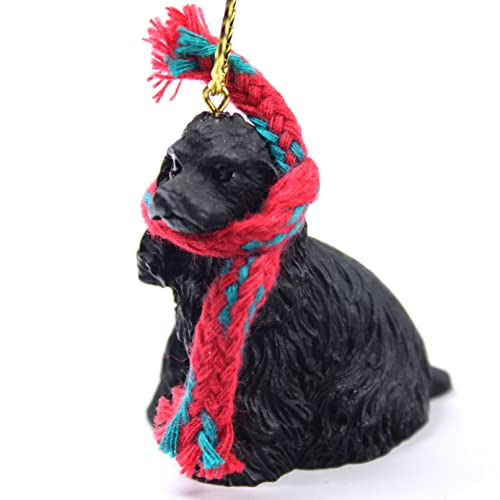
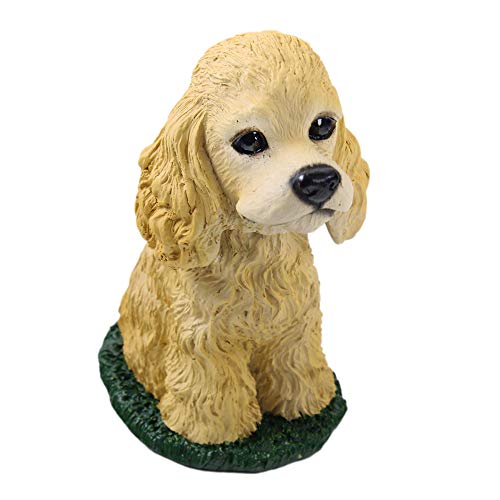
They inherit the classic spaniel look: a rounded head, long, floppy ears covered in silky hair, and a soft, expressive gaze. Their coat is one of their most distinguishing features — medium-length, silky, and often wavy, with feathering on the ears, chest, legs, and tail. The coat comes in a variety of colors, including solid black, buff, red, and parti-color combinations.
| Feature | Miniature Cocker Spaniel | Standard Cocker Spaniel |
|---|---|---|
| Height | 10–13 inches | 14–15.5 inches |
| Weight | 12–20 lbs | 25–30 lbs |
| Coat | Silky, medium-length, feathered | Same, often thicker |
| Exercise Needs | Moderate (45-60 mins/day) | Moderate to high (60+ mins/day) |
| Apartment Suitability | Excellent | Good |
Care & Grooming Needs
One of the most important aspects of Miniature Cocker Spaniel ownership is grooming. Their beautiful, silky coat requires regular attention to prevent mats, tangles, and skin problems. This is not a low-maintenance breed when it comes to coat care, but the effort is rewarded with a stunning, healthy dog.
Brushing and Bathing
Brush your Miniature Cocker Spaniel 3–4 times per week using a slicker brush and a metal comb. Pay special attention to the ears, chest, and legs, where tangles are most likely to form. Bathing every 4–6 weeks with a dog-specific shampoo helps keep their coat clean and healthy. For more detailed grooming techniques, refer to our complete dog grooming guide and browse our selection of dog brushes and dog shampoos.
Ear Care
Their long, floppy ears are adorable but can trap moisture and dirt, making them prone to infections. Check and clean their ears weekly with a vet-approved ear cleaner. If you notice redness, odor, or discharge, consult your veterinarian promptly.
Nail Trimming and Dental Care
Trim their nails every 2–4 weeks to prevent discomfort and gait problems. Regular dental care is also crucial — brush their teeth several times a week to prevent periodontal disease. Our guides on nail clippers and dog toothbrushes can help you choose the right tools.
- Brush: 3–4 times per week with a slicker brush and comb
- Bathe: Every 4–6 weeks with dog-specific shampoo
- Ears: Check and clean weekly
- Nails: Trim every 2–4 weeks
- Teeth: Brush 3+ times per week
- Professional Grooming: Every 6–8 weeks for trimming
Exercise & Activity
Despite their small size, Miniature Cocker Spaniels are not lap dogs — they have energy to burn. They need about 45–60 minutes of moderate exercise daily. This can be split into two or three walks or play sessions. A brisk walk in the morning and a romp in the yard in the evening works well for most.
Because they were bred as sporting dogs, they enjoy activities that engage their natural instincts. Fetch, hide-and-seek, and scent games are favorites. They also excel in dog sports like agility and rally obedience. Mental stimulation is equally important — puzzle toys and interactive games keep their clever minds busy. Explore our interactive dog toys and puzzle toys for ideas.
Exercise Ideas:
• Daily walks (two 20–30 minute sessions)
• Fetch or retrieve games in a secure area
• Scent work or nose games
• Short training sessions for mental exercise
• Agility or obedience classes for fun and bonding
Training & Socialization
Miniature Cocker Spaniels are intelligent and eager to please, which makes training a joy for both dog and owner. They respond best to positive reinforcement methods — treats, praise, and play. Harsh corrections can damage their sensitive nature and erode trust.
Start training early. Basic commands like sit, stay, come, and loose-leash walking are essential for a well-mannered companion. Consistency is key — everyone in the household should use the same cues and rules. Short, frequent sessions (5–10 minutes) are more effective than long, exhausting ones.
Socialization
Socialization is critical for this breed. While they are naturally friendly, early exposure to different people, dogs, sounds, and environments helps prevent shyness or anxiety later. Puppy socialization classes are highly recommended. Our puppy socialization guide provides a step-by-step plan.
For more advanced training, consider our guides on positive reinforcement and loose-leash walking. If you're struggling with behavior issues, our behavior modification techniques and when to see a behaviorist articles can help.
Health & Common Issues
Like all breeds, Miniature Cocker Spaniels have some predispositions to certain health conditions. Being aware of these allows you to take preventive measures and catch problems early. A healthy diet, regular exercise, and routine veterinary care are your best tools for a long, healthy life.
- Ear Infections: The most common issue due to their floppy ears. Regular cleaning and drying after swimming or bathing help prevent them.
- Hip Dysplasia: A genetic condition where the hip joint doesn't fit properly. Responsible breeding and weight management reduce risk.
- Progressive Retinal Atrophy (PRA): A degenerative eye disease that can lead to blindness. Genetic testing of breeding dogs is important.
- Cataracts: Clouding of the eye lens, often age-related. Surgery can restore vision in many cases.
- Patellar Luxation: A condition where the kneecap slips out of place. More common in smaller dogs. Maintain a healthy weight and avoid excessive jumping.
- Allergies: Skin allergies and food sensitivities can occur. Identifying triggers and providing a balanced diet are key.
Regular veterinary check-ups (at least annually) are essential for monitoring your dog's health. For a broader overview of health issues in spaniels, see our dog health section. If you're considering a puppy, our health testing for breeders guide explains what clearances to ask for.
Health Tip: Keep your Miniature Cocker Spaniel at a healthy weight. Obesity exacerbates joint issues and can lead to other problems like diabetes and heart disease. You should be able to feel their ribs without pressing hard and see a waistline from above.
Diet & Nutrition
A balanced, high-quality diet is the foundation of your dog's health. Choose a dog food that meets AAFCO standards and is appropriate for their life stage (puppy, adult, senior). Miniature Cocker Spaniels are prone to weight gain, so portion control is important. Measure their food rather than free-feeding, and adjust based on their body condition and activity level.
Treats should make up no more than 10% of their daily caloric intake. For training, use small, low-calorie treats. Always provide fresh water. For specific dietary needs, such as allergies or sensitive stomachs, consult your veterinarian. Our complete dog food guide explains how to read labels and choose the best food. You may also find our articles on dry dog food and wet dog food helpful.
Choosing the Right Puppy
If you've decided a Miniature Cocker Spaniel is the right dog for you, the next step is finding a responsible breeder. Since "Miniature Cocker Spaniel" isn't a recognized breed, it's especially important to verify the health and temperament of the parents. A reputable breeder will provide health clearances for the parents (hips, eyes, and genetic tests) and allow you to meet the puppy's mother.
Avoid puppy mills and backyard breeders who prioritize profit over health. Our guides on how to find a reputable breeder and red flags of a bad breeder are essential reading. Also, consider adoption — many small spaniels end up in rescue organizations. Our looking for a rescue dog guide can help.
Before bringing your puppy home, prepare with our puppy supplies checklist. Ensure you have a crate, bed, food, bowls, leash, collar, and toys ready. For more on the first days, see our first night with puppy guide.
Frequently Asked Questions
Is a Miniature Cocker Spaniel Right for You?
If you're looking for a small, affectionate, and trainable companion who loves being part of the family, the Miniature Cocker Spaniel could be your perfect match. They thrive with owners who are home often, enjoy daily walks, and are committed to regular grooming. Their joyful nature and soulful eyes make every day brighter. Before you commit, consider the time and effort required for their coat and ear care, and ensure you can provide the companionship they crave. For more small breed options, explore our small dog breeds guide or check out low-maintenance small dogs for first-time owners.