
My Dog Has Been Throwing Up and Won't Eat – What Should I Do?
Seeing your dog vomit and refuse food is stressful and worrying. This guide helps you understand the possible causes, when to rush to the vet, and what you can safely do at home to support your dog through this difficult time.
Vomiting and loss of appetite (anorexia) are among the most common reasons dog owners seek veterinary advice. While an isolated episode may be harmless, persistent vomiting and refusal to eat can quickly lead to dehydration, nutrient imbalances, and more severe health complications. This article walks you through the most frequent triggers, red flags, and evidence-based steps to take.
Common Causes of Vomiting and Appetite Loss
Dogs vomit for many reasons – from benign dietary indiscretion to life-threatening diseases. Understanding the underlying cause helps you make better decisions.
🔸 Dietary indiscretion
Eating spoiled food, garbage, grass, or non-food items (socks, toys) irritates the stomach. Often self-limiting but can cause obstruction if foreign objects are swallowed.
🔸 Food intolerance or allergy
Sudden diet changes, new treats, or ingredients that don't agree with your dog can trigger vomiting and inappetence. Common allergens: beef, dairy, chicken, wheat.
🔸 Gastrointestinal infections
Viral (parvo, distemper), bacterial (salmonella, E. coli), or parasitic (roundworms, giardia) infections often present with vomiting, diarrhea, and fever.
🔸 Pancreatitis
Inflammation of the pancreas – often triggered by high-fat meals – causes severe abdominal pain, vomiting, and lethargy. Miniature schnauzers and overweight dogs are at higher risk.
🔸 Kidney or liver disease
Chronic organ dysfunction leads to toxin accumulation (uremia, bilirubin) which causes nausea, vomiting, and loss of appetite. More common in senior dogs.
🔸 Intestinal obstruction
If your dog swallowed a toy, bone, or fabric, it can create a blockage. Vomiting is often projectile, and the dog may retch without producing anything.
If your dog is a young puppy and vomiting is accompanied by bloody diarrhea, parvovirus must be ruled out immediately. Also, if your dog refuses dog food but still eats treats, it may be a sign of food aversion or dental pain.
When to Call the Vet Immediately
⚠️ Emergency signs – do not wait:
- Vomiting more than 3–4 times in 6 hours
- Blood in vomit (red, dark, or coffee-ground appearance)
- Lethargy, weakness, or collapse
- Abdominal pain (whining, panting, guarding the belly)
- Bloated or tense abdomen
- Inability to keep water down
- You suspect ingestion of a toxin (chocolate, xylitol, grapes)
If any of these red flags are present, contact your vet or an emergency clinic immediately. Early intervention saves lives. For milder cases, continue reading for supportive care at home.
What to Do at Home – Safe & Gentle Steps
When your dog is stable (no emergency signs), you can try these measures to help them recover and protect their digestive system.
1. Withhold food (temporarily)
Give the stomach a rest. For adult dogs, stop offering food for 6–12 hours. Puppies and toy breeds should not go longer than 4–6 hours without food – consult your vet if uncertain. Always provide fresh water unless vomiting is severe.
2. Rehydrate carefully
Dehydration is a major risk. Offer small amounts of water frequently (a few tablespoons every 30 minutes). You can also use an electrolyte solution formulated for dogs (ask your vet) or unflavored Pedialyte in small amounts.
💡 Tip: If your dog won't drink, offer ice cubes to lick – this provides hydration without overwhelming the stomach.
3. Bland diet (after fasting)
Once vomiting stops for 6–8 hours, introduce a bland, easily digestible meal. Classic options:
- Boiled white chicken (skinless, boneless) + plain white rice (1:2 ratio).
- Lean ground turkey + boiled sweet potato or pumpkin.
- Low-fat cottage cheese + boiled pasta (for dogs that tolerate dairy).
Feed small portions (1–2 tablespoons for small dogs, ¼ cup for large) every 2–3 hours for the first day. If your dog keeps it down, gradually increase the amount over 2–3 days.
If your dog still refuses to eat, you may want to read our guide: what to feed a sick dog that will not eat for more creative approaches.
4. Probiotics and digestive support
Adding a canine-specific probiotic can help restore gut flora after vomiting. Plain canned pumpkin (not pie filling) is also a gentle source of fiber that can soothe the stomach.
For persistent vomiting that is yellow or foamy, check our article on throwing up yellow bile and won't eat for additional insight.
Products That Can Help Your Sick Dog
From bland diet foods and hydration support to gentle stomach-settling supplements, these products are popular among dog owners dealing with digestive upset.
Digestive Care & Recovery Products
⚠️ AFFILIATE DISCLOSURE: This website contains affiliate links. As an Amazon Associate, we earn from qualifying purchases. If you make a purchase through these links, we may receive a small commission at no additional cost to you. Read our full affiliate policy.

Under the Weather Bland Diet for Dogs | Easy to Digest Stomach Support for Sick Dogs | Contains Electrolytes, All Natural | 1 Pack - Turkey, Oatmeal, Sweet Potato & Slippery Elm - 6oz
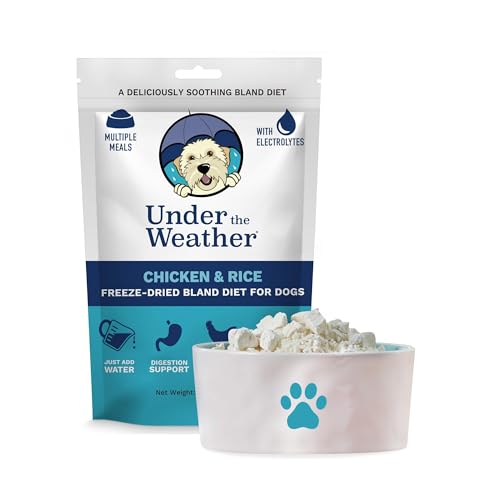
Under the Weather Bland Diet for Dogs | Easy to Digest for Sick Dogs | Always Be Ready | Contains Electrolytes - All Natural Freeze Dried 100% Human Grade Meats | 1 Pack - Chicken, Rice - 6oz

Under the Weather Bland Diet for Dogs | Easy to Digest for Sick Dogs | Always Be Ready | Contains Electrolytes - All Natural Freeze Dried 100% Human Grade Meats | 2 Pack - Chicken, Rice - 6oz

Under the Weather Bland Diet for Dogs | Easy to Digest for Sick Dogs |Always Be Ready | Contains Electrolytes - All Natural Freeze Dried 100% Human Grade Meats | 1 Pack - Rice, Chicken & Pumpkin - 6oz

Dave's Pet Food Bland Diet Dog Food, Chicken & Rice, 13.2 oz, 12 pk
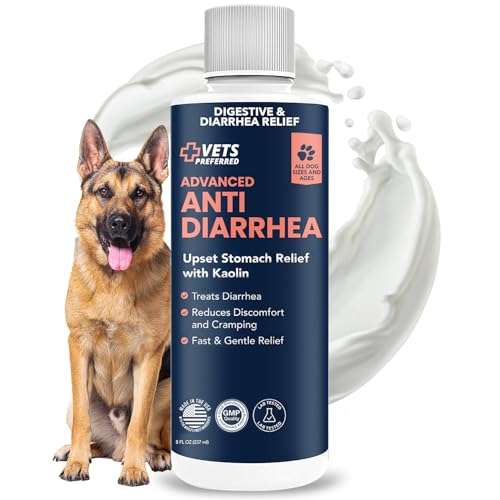
Vets Preferred Anti-Diarrhea & Gas Relief for Dogs – Kaolin Formula to Soothe Upset Stomach & Support Digestive Health – All Breed & Size Dogs – 8 fl oz Liquid – Made in USA

PupSip Dog Hydration Support – Helps During Stomach Upset, Vomiting & Diarrhea – Restores Appetite & Boost Energy with Electrolytes and Turkey Tail Mushroom, 14 Sticks

Dave's Pet Food Bland Dog Food for Sensitive Stomachs, Lamb & Rice 13.2 oz
Preventing Future Episodes
- Transition foods slowly – mix old and new food over 7–10 days.
- Avoid table scraps – especially fatty, salty, or seasoned foods.
- Keep garbage and dangerous items out of reach – many dogs eat things they shouldn't.
- Maintain a regular feeding schedule – 2 meals per day for adults, 3–4 for puppies.
- Use puzzle feeders to slow down fast eaters (reduces gulping air).
- Consider a high-quality, easily digestible diet – consult your vet for recommendations.
Frequently Asked Questions
🐾 When in doubt, call your vet. You know your dog best – trust your instincts. The information here is meant to guide you, but never replace professional veterinary advice. Your dog's health and safety come first.
If you're also dealing with related issues, you might find these articles useful: won't eat food but will eat treats, should I feed my dog if he's vomiting?, dog only wants human food, blood in stool, heat signs in female dogs.