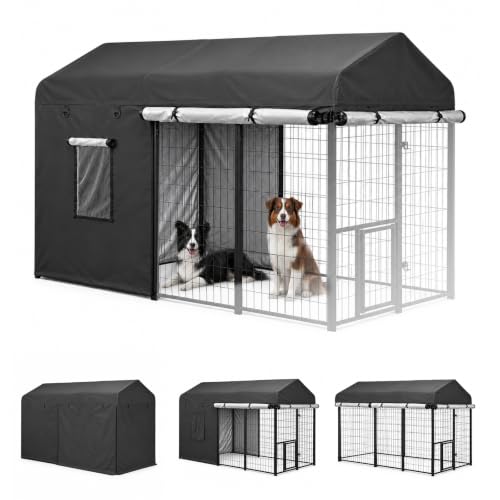
Outdoor Kennel for Dog: The Complete Buying & Setup Guide
Everything you need to choose, install, and maintain a safe, secure outdoor kennel that keeps your dog comfortable, protected, and happy in your backyard.
An outdoor kennel for dog owners is one of the most practical investments you can make for your property and your pet. Whether you need a safe containment area while you garden, a secure space for your dog to enjoy fresh air, or a reliable solution for a dog who loves spending time outside, the right kennel provides peace of mind for you and a safe environment for your companion.
But not all outdoor kennels are created equal. A poorly chosen or badly installed kennel can be a chewing hazard, an escape risk, or an uncomfortable prison for your dog. This guide walks you through every decision - from selecting the right type and size to installing it securely and maintaining it over time - so you can make an informed purchase that benefits both you and your dog.
If you are still exploring general pet containment options, our guide to dog houses and dog fences can help you compare complementary solutions. For everything you need to keep your dog healthy and safe, browse our full range of dog products.
Why Use an Outdoor Kennel for Your Dog?
An outdoor kennel is not simply a cage - it is a managed environment that offers specific benefits when used responsibly. Understanding these benefits helps you decide whether a kennel fits your dog's lifestyle and your home setup.
- Safe containment: Keeps your dog securely on your property, preventing wandering, traffic accidents, and encounters with wildlife or unfamiliar animals.
- Outdoor exercise and stimulation: Gives your dog access to fresh air, sunshine, and the sights and sounds of the outdoors, which is mentally enriching for many dogs.
- Protection during yard work: Allows you to garden, mow, or host guests without worrying about your dog running off or getting underfoot.
- Training and behavior management: A kennel can support crate training and help manage dogs who need a calm, separate space during recovery from injury or illness.
- Property protection: A secure kennel prevents your dog from digging up gardens, chewing outdoor furniture, or damaging landscaping.
Important Balance: An outdoor kennel should never replace daily walks, training, playtime, and indoor family time. Dogs are social animals and need regular interaction with their people. Think of a kennel as a supplementary containment tool, not a full-time living arrangement.
Types of Outdoor Dog Kennels
Outdoor kennels come in several configurations, each suited to different needs, budgets, and yard layouts. Here is how the main types compare:
| Kennel Type | Best For | Key Considerations | Value Tier |
|---|---|---|---|
| Chain-link kennel | Budget-conscious owners, temporary or semi-permanent setups | Affordable and easy to assemble, but can be visually unappealing and may rust over time without proper coating | Budget-friendly |
| Welded wire kennel | Most dog owners wanting durability and a cleaner look | Stronger than chain-link, rust-resistant coating available, better structural rigidity | Mid-range |
| Modular panel kennel | Owners who want flexibility to expand or reconfigure | Panels connect to form any shape or size; easy to relocate and expand as needed | Mid-to-premium |
| Heavy-duty steel kennel | Large breeds, escape artists, and long-term permanent installation | Thick gauge steel, welded joints, and powder coating; highest security but heaviest and most expensive | Premium to luxury |
| Wooden kennel with wire panels | Owners who prioritize aesthetics and integration with landscaping | Looks like a garden feature but requires regular maintenance, sealing, and checks for chewing damage | Mid-to-premium |
For most first-time buyers, a modular welded wire kennel with a rust-resistant coating offers the best balance of security, durability, and flexibility. If you have a strong chewer or a large breed, invest in a heavy-duty steel model - the structural integrity is worth the upgrade.
How to Choose the Right Size
Size is the most common mistake in kennel purchases. Too small and your dog cannot move, play, or eliminate away from their resting area. Too large and a nervous dog may feel insecure. The goal is a space that encourages natural behavior while remaining manageable to clean and maintain.
The Four Times Rule
A widely used guideline is that the kennel floor area should be at least four times your dog's body length (measured from nose to base of tail) and four times their height at the shoulder. This gives your dog room to walk, turn, stretch, and play while still feeling enclosed.
- Small dogs (under 20 lbs): A 5x10 foot kennel provides enough room for movement and a dog house.
- Medium dogs (20-50 lbs): A 10x10 foot kennel is a practical minimum for comfortable movement.
- Large dogs (50-90 lbs): Plan for 10x15 feet or more, with a height of at least 6 feet.
- Giant breeds (90+ lbs): A 15x15 foot kennel or larger is recommended, with height of 6-8 feet to prevent jumping out.
Height Matters
Your dog must be able to stand upright, stretch, and turn around without their head touching the roof or panels. As a rule, the kennel should be at least 1.5 times your dog's shoulder height. For jumpers and climbers, go higher - 6 feet is a sensible minimum for most medium and large dogs.
Tip: If you are unsure, size up. A kennel that is slightly too large is far easier to fix - with a dog house, shade, and enrichment - than one that is too small and stressful for your dog.
Materials & Build Quality
The difference between a kennel that lasts a decade and one that fails in a season usually comes down to materials and construction. Here is what to look for:
- Gauge of wire: Lower gauge numbers mean thicker wire. Look for 14-gauge or thicker for medium and large dogs; 12-gauge or heavier for escape artists and giant breeds.
- Weld quality: Welded wire mesh should have smooth, fully fused joints. Poorly welded panels can split under pressure and create sharp edges.
- Coating: Powder-coated or galvanized finishes resist rust and weathering. Avoid bare steel that will corrode quickly in wet climates.
- Frame strength: Steel frames with cross-bracing provide rigidity. Thin tubular frames can bend under a determined dog's weight or force.
- Fasteners and latches: Look for secure, chew-resistant latches - not simple hooks that a clever dog can nose open. Locking carabiners or heavy-duty slide bolts are ideal.
- Roof and floor options: A roof panel prevents climbing escapes and provides shade and rain protection. A floor or ground anchors prevent digging and keep the kennel stable.
If your dog is a heavy chewer, inspect the kennel regularly for chew marks, loose welds, or bent bars. Catching small damage early prevents a full escape attempt later. For chew-proof entertainment inside the kennel, supply durable chew toys to redirect their energy.
Safety & Escape Prevention
Even the strongest kennel is only as secure as its weakest point. These are the critical safety checks every outdoor kennel owner should perform before leaving a dog unattended:
Preventing Digging Escapes
Many dogs - especially terriers, hounds, and huskies - will dig under a fence line given enough time. Install a dig-proof apron: wire mesh laid flat on the ground around the perimeter and secured to the kennel base, extending at least 12 inches outward. Alternatively, set the kennel on a concrete pad or use heavy-duty ground anchors with a skirt attachment.
Preventing Climbing and Jumping Escapes
Add a roof or a secure cover to the kennel. Some dogs can climb chain-link like a ladder, so ensure panel tops are finished with a horizontal bar or angled overhang. For jumpers, keep the kennel height at least 6 feet, and choose a model with a complete roof rather than an open top.
Safe Latches and Hardware
A determined dog can open simple gates with their nose or paws. Use self-locking latches, or add a secondary lock such as a clip or carabiner. Check that gate hinges are not loose enough to be lifted off their pins.
Hazards to Remove
- Sharp wire ends or protruding bolts - file or cover them.
- Toxic plants within reach - check our guide to dangerous toxic foods for dogs and remove any hazardous plants from the kennel area.
- Standing water or mud - ensure proper drainage to prevent foot infections and mosquito breeding.
- Choking hazards such as loose collar tags that can snag on wire panels - use a breakaway collar or remove tags when kenneled.
Weatherproofing & Comfort
An outdoor kennel must protect your dog from sun, rain, wind, and temperature extremes. Comfort is not just a kindness - it is a safety requirement. A dog left in a kennel without shade or shelter can suffer heatstroke or hypothermia within minutes.
Shade and Shelter
- Position the kennel so it receives shade during the hottest part of the day, or add a shade cloth or roof panel.
- Provide an insulated, elevated dog house inside the kennel that is large enough for your dog to stand and turn around, but small enough to retain body heat.
- Add a windbreak panel on the side facing prevailing winds to protect from cold and rain.
- Elevate the dog house off the ground with a wooden pallet or platform to keep the floor dry and insulated.
Hot and Cold Weather
- Summer: Provide constant access to fresh water in a spill-resistant bowl. Add a dog pool or shallow water trough for cooling. Never leave a dog in a kennel without shade in extreme heat.
- Winter: Use straw or a self-warming mat inside the dog house. Check that water is not frozen. Bring your dog indoors during storms, freezing rain, or temperatures below 40°F if they are short-coated or elderly.
- Rain: Ensure the kennel has a solid roof or rain cover and that the ground does not become a mud pit. Add a raised platform or pea gravel base for drainage.
Weather Rule of Thumb: If the weather is uncomfortable for you in a light jacket, it is likely uncomfortable for your dog in a kennel. Extreme heat and cold are not negotiable - bring your dog inside. See our guides to summer safety tips for dogs and winter protection for dogs for seasonal care advice.
Placement & Setup Tips
Where and how you install the kennel affects its security, drainage, and your dog's comfort. Follow these placement principles:
- Choose high, level ground: Position the kennel on a slightly raised area so rainwater drains away. Avoid low spots that flood during storms.
- Provide partial shade: Place the kennel where it gets morning sun and afternoon shade. If natural shade is unavailable, install a shade cloth or roof panel.
- Keep it visible from the house: Being able to see your dog from a window or door allows you to monitor them and deters theft or nuisance wildlife.
- Maintain distance from fences and trees: Leave a clearance of several feet so your dog cannot use a tree branch or fence rail as a climbing aid.
- Secure the base: Anchor the kennel frame to the ground with stakes or concrete footings, especially in windy areas or for tall models.
- Create a cleanable surface: A concrete pad, pea gravel, or rubber mat provides a hygienic, easy-to-clean base and prevents digging.
- Add enrichment: Place a durable dog bed or mat inside the dog house, and rotate interactive toys and puzzle toys to keep your dog mentally engaged.
If your dog will be left alone for long periods, consider adding an automatic waterer or a heavy-duty dog water bottle that attaches to the kennel wall. And for hot climates, a paw protection mat or raised platform prevents contact with hot concrete or gravel.
Daily Care & Maintenance
A kennel is only as safe as its maintenance. Set a weekly routine to inspect and clean the enclosure, and a monthly routine for deeper maintenance.
Weekly Checks
- Inspect wire panels for loose welds, bent bars, or sharp edges.
- Check latches and hinges for looseness or wear.
- Remove waste and refresh bedding.
- Wash water bowls and refill with clean water.
Monthly Checks
- Test the perimeter for digging activity and re-secure the apron if needed.
- Check for rust spots and treat with a rust-inhibiting paint or coating.
- Deep-clean the kennel floor with pet-safe disinfectant.
- Verify that the dog house is dry, insulated, and free of mold or pests.
Seasonal Maintenance
Before winter, check insulation, windbreaks, and drainage. Before summer, verify shade coverage and water access. In areas with heavy mosquito populations, consider natural mosquito repellent for your yard to reduce irritation and disease risk.
Common Outdoor Kennel Mistakes
These mistakes are easy to make but straightforward to avoid once you know them:
- Buying too small: The most common error. A cramped kennel causes stress, mess, and behavior problems. Size up.
- Skipping the roof: An open-top kennel invites climbing escapes and offers no shade or rain protection.
- Ignoring digging: Without a dig-proof apron or solid base, many dogs will tunnel out within days.
- Using it as a full-time solution: Kennels are containment tools, not replacements for indoor living, walks, and socialization. A dog left alone in a kennel for 10 hours a day will develop behavior problems.
- No shelter inside the kennel: A kennel without a dog house leaves your dog exposed to sun, rain, and cold - a serious welfare and health risk.
- Poor drainage: A kennel that turns to mud is unhygienic and uncomfortable. Site it on high ground or add a gravel or concrete base.
- Unsecured latches: Clever dogs can open simple gate latches. Use self-locking hardware or secondary clips.
- Forgetting enrichment: A bored dog in a kennel will bark, dig, chew, and try to escape. Provide toys, chews, and regular human interaction.
Frequently Asked Questions
Ready to Choose Your Outdoor Kennel?
Focus on the essentials: a size that gives your dog room to move, welded wire or chain-link construction with a rust-resistant coating, secure latches, and a roof or shade panel. Add a dig-proof base, an insulated dog house, and enrichment toys to complete the setup. If you are new to dog ownership, our puppy guide covers basic care, and our dog care section has everything else you need for a healthy, happy companion. A well-chosen outdoor kennel is an investment in your dog's safety and your peace of mind - choose carefully, install securely, and use it responsibly.