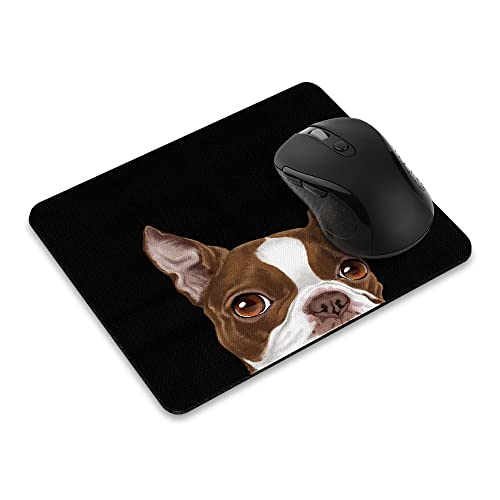
Red and White Boston Terrier Puppies for Sale
Your complete buyer's guide to the rare red and white Boston Terrier — covering color genetics, health testing, breeder vetting, puppy temperament, and the questions to ask before you bring one home.
The red and white Boston Terrier is one of the most eye-catching variations of a classic American breed. While the standard Boston Terrier is known for its black, seal, or brindle coat with crisp white markings, the red and white version offers a warmer, cream-to-chestnut tone that stands out in a crowd. Because the color is produced by a recessive gene combination, these puppies are genuinely rare — and that rarity makes careful buying decisions even more important.
If you have already decided that a red and white Boston Terrier is the right dog for you, this guide is designed to take you from research to a confident purchase. You will learn how the red color is inherited, which health tests matter most, how to separate ethical breeders from backyard breeder dangers, and what daily life with a Boston Terrier actually looks like. By the end, you will know exactly what to ask, what to verify, and what a fair arrangement should include.
About the Red and White Boston Terrier
The Boston Terrier is a compact, muscular companion breed developed in the United States in the late 19th century from crossings of the English Bulldog and the now-extinct English White Terrier. The result was a small, sturdy dog with a short muzzle, erect ears, and a friendly, alert expression. Boston Terriers were officially recognized by the American Kennel Club in 1893 and remain one of the most popular small companion breeds in North America.
Red and white Boston Terriers share the same body type, size, and personality as the standard color variety. They typically weigh between 10 and 25 pounds and stand 15 to 17 inches at the shoulder, with a square, well-proportioned build. The red coloration appears as a warm tan, cream, fawn, or reddish-brown tone that pairs with white markings usually found on the chest, muzzle, blaze, and paws.
Quick Breed Snapshot:
• Size: Small (10–25 lbs)
• Lifespan: 11–15 years with good care
• Energy level: Moderate, adaptable to apartment living
• Grooming: Low — short, smooth coat
• Temperament: Affectionate, alert, playful, people-oriented
• Best for: Families, singles, seniors, and first-time owners willing to manage brachycephalic needs
It is important to understand that the red and white Boston Terrier is not a separate breed. It is the same dog with a different coat color expression. That distinction matters because some sellers market red puppies as a "designer" or "exotic" variety and inflate expectations around them. In reality, the dog's value comes from health, temperament, and responsible breeding — not from color alone.
Color Genetics and Rarity
Boston Terrier coat color is controlled by several genes working together, primarily the B locus (brown/black) and the E locus (extension). The standard black pigment is produced when the B gene is dominant. When a dog inherits two copies of the recessive "b" allele, black pigment is converted to brown or chocolate tones. Additional modifiers influence how light or red that brown appears, producing what breeders and owners describe as "red."
Because the red color requires two recessive alleles, both parents must carry at least one copy of the red gene for a puppy to be born red and white. This is why red litters are uncommon even among experienced Boston Terrier breeders. A breeding between two black-and-white dogs that both carry the recessive gene can produce a mix of black and red puppies, but a red puppy cannot be produced if neither parent carries the gene.
Black and White
The classic and most common Boston Terrier color. Black pigment with white markings on the chest, muzzle, and paws. Widely recognized and accepted in show rings.
Standard varietySeal and White
Appears black in most lighting but shows a reddish or brown cast in direct sunlight. Considered a standard color and common in well-established bloodlines.
Standard varietyBrindle and White
A tiger-stripe pattern of dark stripes over a brown or gold base, paired with white markings. Accepted in the breed standard and seen in many quality lines.
Standard varietyRed and White
A warm tan, cream, fawn, or reddish-brown coat with white markings. Produced by recessive genes, making it genuinely uncommon and highly sought after.
Rare varietyRarity has real consequences for buyers. Because fewer red and white litters are produced, waitlists are common, and some sellers exploit that demand. A responsible breeder will never inflate a red puppy's value at the expense of health testing or temperament. If a seller emphasizes color above all else, treat that as a warning sign rather than a selling point.
Breeder Tip: Ask whether the breeder can explain the color genetics behind the litter. A knowledgeable breeder will know which puppies carry the red gene, which are visual reds, and why certain pairings produce the colors they do. A breeder who cannot answer basic genetics questions is likely not tracking their lines carefully.
Temperament and Lifestyle Fit
Boston Terriers earned the nickname "the American Gentleman" for good reason. They are generally affectionate, sociable, and eager to please, with a playful streak that persists well into adulthood. They bond closely with their families and often follow their people from room to room. Most do well with children, other dogs, and even cats when introduced properly during puppyhood.
That said, Boston Terriers are not low-maintenance in every respect. They are brachycephalic — flat-faced — which affects breathing, exercise tolerance, and heat regulation. They are also sensitive to cold and should not be left outdoors for long periods in extreme weather. Understanding these physical limits is part of responsible ownership, not a reason to avoid the breed.
Exercise and Activity Needs
Boston Terriers need roughly 30 to 60 minutes of moderate daily activity. A combination of short walks, indoor play, fetch, and puzzle toys keeps them fit and mentally satisfied. Because of their flat faces, avoid strenuous exercise during hot or humid weather and watch for heavy panting, wheezing, or reluctance to continue. For owners who want extra control on walks, a walk easy harness for dogs can reduce pressure on the throat, which matters more for brachycephalic breeds than for long-nosed dogs.
Grooming and Maintenance
The short, smooth coat is easy to maintain. A weekly brushing with a soft bristle brush or rubber curry removes loose hair and distributes natural oils. Bathing every few weeks with a gentle dog shampoo is usually sufficient. Owners should pay close attention to facial wrinkles and the tail pocket, cleaning and drying these areas to prevent irritation and infection.
Training Considerations
Boston Terriers are intelligent and respond well to positive reinforcement. They can be stubborn at times, so short, consistent sessions work better than long repetitions. Early socialization and basic obedience training are essential, particularly for polite greeting behavior and loose-leash walking. If you are new to training, hiring a professional through when to hire a trainer can prevent small issues from becoming habits.
Health Concerns and Testing
Every prospective Boston Terrier owner should understand the breed's known health issues before buying. Color does not change the breed's health profile, but it can influence which tests a breeder should prioritize. The following conditions are most relevant when evaluating a red and white litter.
| Health Concern | What It Involves | What Buyers Should Ask |
|---|---|---|
| BOAS (Brachycephalic Obstructive Airway Syndrome) | Narrowed airways causing noisy breathing, exercise intolerance, and heat sensitivity | Were parents screened for BOAS? How do they breathe at rest and during play? |
| Patellar luxation | Kneecap slipping out of place, causing lameness and arthritis over time | Have both parents had patella evaluations by a veterinarian or orthopedic specialist? |
| Deafness | Congenital hearing loss, more common in dogs with extensive white markings | Was a BAER hearing test performed on the puppy or both parents? |
| Juvenile cataracts and eye conditions | Clouding of the lens and other eye problems that can affect vision | Have parents had current eye exams by a board-certified veterinary ophthalmologist? |
| Allergies and skin sensitivity | Environmental or food-related itching, redness, and ear infections | Any history of chronic skin or ear issues in the parents' lines? |
| Heart conditions | Murmurs and other cardiac issues that should be screened early | Has a veterinarian auscultated the puppy and parents for murmurs? |
Health testing is the single strongest signal of a responsible breeder. A quality Boston Terrier breeder will have documentation for eye exams, patella evaluations, and hearing tests, and will be transparent about the results. If a breeder cannot provide written proof of testing, treat that as a serious concern regardless of how attractive the puppy looks.
Why Hearing Testing Matters: In many breeds, extensive white markings — including the white patches common on red and white Boston Terriers — are associated with a higher risk of congenital deafness. A BAER (Brainstem Auditory Evoked Response) test is a quick, painless procedure that determines whether a puppy can hear in each ear. Reputable breeders test litters rather than assuming that a puppy "seems fine."
Keep in mind that no health test guarantees a puppy will never develop a problem. Testing reduces risk by screening out dogs with known genetic conditions and by helping breeders make informed pairing decisions. Combined with routine veterinary care, quality nutrition, and appropriate exercise, it gives your puppy the best possible start.
Choosing a Reputable Breeder
Because red and white Boston Terriers are uncommon, buyers often need to search beyond local listings. That wider search makes breeder vetting even more important. The difference between a responsible breeder and a careless one shows up in health testing, contract terms, how puppies are raised, and how willing the breeder is to answer questions.
What a Responsible Breeder Does
- Health-tests both parents and can show you the results without hesitation
- Raises puppies in a home environment with early socialization, handling, and exposure to household sounds
- Provides a written contract covering health guarantees, return policies, and spay/neuter agreements
- Asks you as many questions as you ask them — about your home, schedule, and experience with dogs
- Keeps puppies until they are at least eight weeks old, and often longer for small breeds
- Shares vaccination records, deworming history, and feeding instructions at pickup
- Stays available for support after the sale and welcomes updates about the puppy
Questions to Ask Before Buying
- Can I see health testing for both parents? Request eye exam certificates, patella evaluations, and BAER hearing test results. Verify that the tests are current.
- How were the puppies raised? Puppies raised indoors with daily handling and household exposure tend to be better adjusted than puppies kept in kennels or outdoor runs.
- What does your contract include? A fair contract protects both parties. Review it carefully and ask about the health guarantee duration and what it covers.
- Can I visit the breeding facility? Seeing where the puppies were raised and meeting the mother tells you more than any photo. Some breeders limit visits for biosecurity reasons, but they should offer video calls or other transparency.
- What is your policy on returns or rehoming? Ethical breeders require that a dog be returned to them rather than surrendered to a shelter if the placement does not work out.
- What should I expect for feeding, training, and vet care? A good breeder will send you home with a care guide and remain available for follow-up questions.
You can read more detailed guidance in our how to find a reputable dog breeder article and use our questions to ask a dog breeder checklist during your conversations. If a breeder reacts defensively or rushes you, that is your answer.
What to Expect When Buying
Buying a red and white Boston Terrier puppy typically involves a waitlist, a deposit, and a pickup date after the puppy reaches eight weeks of age. Because the color is rare, you may need to wait several months for the right litter. Use that waiting period productively: prepare your home, research local veterinarians, and set aside an emergency fund.
When evaluating a litter, focus on the puppy's overall condition rather than color alone. A healthy Boston Terrier puppy should have clear eyes, clean ears, a shiny coat, a healthy weight, and an alert, curious demeanor. The puppy should breathe quietly at rest and recover quickly after brief play. Ask to see the puppy walk and run — gait problems can be an early sign of patellar issues.
Preparing Your Home
- Set up a quiet, draft-free sleeping area with a crate or dog beds and soft bedding
- Choose stainless steel or ceramic dog bowls that are easy to clean
- Purchase a properly fitted collar and leash — a harness is often better for flat-faced breeds
- Stock safe chew toys and puzzle toys for mental stimulation
- Puppy-proof cords, plants, and small objects before pickup day
First Vet Visit
- Schedule a wellness exam within 48–72 hours of bringing your puppy home
- Bring all vaccination and deworming records from the breeder
- Discuss a vaccination schedule and parasite prevention plan
- Ask about brachycephalic care, heat precautions, and dental hygiene
- Set up a savings plan or insurance policy for unexpected care
If you are considering other small terrier breeds as a comparison, our West Highland White Terrier puppies for sale guide offers a useful point of contrast on energy levels and grooming needs. And if you want to understand the broader process of evaluating a litter, the puppy visit checklist is a practical resource for your first breeder visit.
Bringing Your Puppy Home
The first few weeks with a new Boston Terrier puppy set the tone for the rest of your life together. A calm, structured introduction to your home helps the puppy feel safe and reduces stress-related problems like crying, accidents, and digestive upset.
Feeding and Nutrition
Feed a high-quality puppy formula that meets AAFCO standards for growth, and follow the breeder's transition plan to avoid stomach upset. Boston Terriers can be prone to gas and sensitive digestion, so avoid sudden food changes. If your puppy develops loose stools or itching, discuss a gentle transition or a sensitive-stomach formula with your veterinarian. Our guide to best dog food for dogs with allergies and sensitive stomachs can help you evaluate options.
Crate Training and Sleep
Crate training gives your puppy a safe den and makes house training easier. Keep sessions short and positive, and place the crate near your bed at first so the puppy does not feel isolated. If your puppy cries at night, our article on what to do if a puppy cries in the crate covers practical solutions that do not involve letting the puppy out permanently.
Socialization and Training
Between three and fourteen weeks, puppies are especially open to new experiences. Introduce your Boston Terrier to friendly people, calm dogs, household sounds, and gentle handling. Enroll in a puppy class once vaccinations are underway, and keep training sessions short and rewarding. Positive reinforcement works well with this breed, and harsh methods tend to backfire with sensitive companion dogs.
Heat and Exercise Safety
Because of their flat faces, Boston Terriers overheat faster than long-nosed breeds. Walk in the early morning or evening during warm months, avoid hot pavement, and always bring water. If your puppy pants heavily, slows down, or seems distressed, stop and cool down immediately. In winter, a warm coat and limited outdoor time help small, short-coated dogs stay comfortable.
Dental Care Matters: Small breeds are prone to dental disease, and Boston Terriers are no exception. Start brushing your puppy's teeth early with a dog-specific dog toothbrush and toothpaste. Daily brushing, dental chews, and professional cleanings as recommended by your vet prevent pain and protect overall health.
Red Flags and Scams to Avoid
The rarity of red and white Boston Terriers attracts scammers. Fraudulent sellers often use stolen photos, demand payment before showing the dog, or offer shipping without any verifiable documentation. Protect yourself by knowing the warning signs before you send any money.
- No health testing or refusal to share results. A breeder who cannot produce eye, patella, or hearing test certificates is not breeding with health as a priority.
- Pressure to pay immediately. Legitimate breeders do not demand urgent payment by wire transfer, gift card, or cryptocurrency. Use traceable payment methods and insist on a contract.
- No visit or video call. If you cannot see the puppy with its mother or view the facility via live video, walk away.
- Photos that appear elsewhere online. Reverse image search the puppy photos. Stolen images are one of the most common signs of a puppy mill or scam.
- Color used as a sales gimmick. Breeders who talk only about "rare red" and never about health, temperament, or contract terms are prioritizing profit over dogs.
- Puppies sold before eight weeks. Puppies need time with their mother and littermates for proper social development. Early separation is a red flag.
If you encounter a seller who checks any of these boxes, trust your instincts and keep looking. The right breeder will welcome scrutiny and be happy to answer every question you have.
Frequently Asked Questions
Final Thoughts Before You Buy
Red and white Boston Terrier puppies are rare, charming, and well worth the search — but only when they come from a breeder who prioritizes health and temperament over color. Take your time, ask hard questions, verify health testing, and insist on a written contract. The right puppy is worth the wait. Start with our how to find a reputable dog breeder guide, and use the puppy visit checklist when you schedule your first visit. Your future companion deserves nothing less.