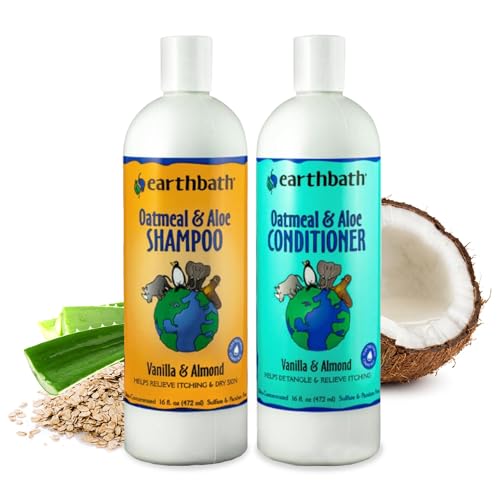
Shampoo and Conditioner for Dogs with Dry Skin
Dry, flaky, itchy skin is one of the most common complaints dog owners face. The right shampoo and conditioner can soothe irritation, restore moisture, and bring back a healthy, glossy coat — here is everything you need to choose wisely.
If your dog is constantly scratching, biting at their paws, or leaving white flakes on the furniture, dry skin is likely the culprit. While occasional dryness is normal — especially during winter or in low-humidity climates — chronic dry skin can lead to hot spots, infections, and significant discomfort. The good news is that the right grooming routine, anchored by a quality shampoo and conditioner for dogs with dry skin, can make a dramatic difference.
This guide breaks down what actually causes dry skin, which ingredients genuinely help versus which are marketing hype, and how to build a bathing routine that restores your dog's skin barrier instead of stripping it further. Whether your dog has a mild case of winter itch or a chronic condition, you will finish this guide knowing exactly what to look for on the label.
Why Dogs Get Dry Skin
Before you buy any product, it helps to understand what is causing the dryness in the first place. Treating the symptom without addressing the cause often leads to a cycle of temporary relief and recurring flare-ups.
- Over-bathing or harsh shampoos: The most common cause. Frequent baths with stripping shampoos remove the skin's natural oil barrier, leaving it dry and vulnerable. This is why choosing a gentle, moisturizing formula matters so much.
- Low humidity: Winter air, indoor heating, and dry climates pull moisture from the skin. Dogs in these environments benefit from moisturizing shampoos and conditioners plus a humidifier at home.
- Poor nutrition: Diets lacking omega-3 and omega-6 fatty acids often produce dull coats and dry, flaky skin. A balanced diet or veterinary-approved supplement is foundational.
- Allergies: Food allergies and environmental allergies (pollen, dust mites, mold) frequently manifest as itchy, dry skin. If bathing does not resolve the issue, allergy testing may be necessary.
- Parasites: Fleas, mites (such as those causing sarcoptic or demodectic mange), and lice cause intense itching and skin damage. Check our guide on flea treatment for dogs if you suspect parasites.
- Hormonal and medical conditions: Hypothyroidism, Cushing's disease, and autoimmune conditions can all cause dry, thinning coats. Persistent skin problems warrant a veterinary exam.
- Age: Senior dogs produce fewer natural oils and have thinner skin, making them more prone to dryness. See our senior dog diet guide for nutritional support.
When to See a Vet: If your dog has open sores, severe redness, hair loss, a foul odor, or has been itching persistently for more than two weeks despite gentle bathing, book a veterinary appointment. Dry skin can be a symptom of an underlying condition that shampoo alone cannot fix.
Shampoo vs. Conditioner: Do You Need Both?
Many dog owners skip conditioner, assuming shampoo alone is sufficient. For dogs with dry skin, this is a mistake. Shampoo cleans, but it also opens the hair cuticle and removes oils — even gentle formulas have some cleansing effect. Conditioner closes the cuticle, restores moisture, and protects the skin barrier.
What Shampoo Does
Shampoo's primary job is to remove dirt, allergens, excess oil, and odor. For dry-skinned dogs, the formula must cleanse gently without stripping. Look for sulfate-free, soap-free, or low-lather formulas that rely on mild surfactants. Medicated shampoos may be necessary if a vet diagnoses a bacterial or fungal infection, but they should be used under guidance because they can be drying with long-term use.
What Conditioner Does
Conditioner is where the real moisturizing happens. A good dog conditioner contains humectants (which attract water), emollients (which soften and smooth), and occlusives (which seal moisture in). It detangles the coat, reduces static, and — critically for dry skin — helps repair the skin barrier. For dogs with dry skin, conditioner is not optional; it is the step that delivers lasting relief.
Pro Tip: Even the best conditioner works best when left on for the full recommended time — usually 3 to 5 minutes. Rushing the rinse-and-go defeats the purpose. Use the waiting time to give your dog a gentle massage, which also boosts circulation to the skin.
Ingredients to Look For
The ingredient list is where you separate genuinely helpful products from marketing-driven ones. These ingredients have solid evidence behind them for soothing and moisturizing dry canine skin:
- Colloidal oatmeal: The gold standard for itchy, dry skin. It soothes irritation, reduces inflammation, and forms a protective film that locks in moisture. Found in many of the best dog shampoos.
- Aloe vera: A natural humectant and soothing agent that calms irritated skin and supports healing. Effective in both shampoo and conditioner formulations.
- Coconut oil: Rich in fatty acids that nourish the skin and coat. Adds shine and helps reduce flaking when used in rinse-out products.
- Shea butter: An emollient that softens skin and coat, ideal for very dry or coarse coats. Common in premium conditioners.
- Ceramides: Lipids that make up the skin barrier. Ceramide-containing products help repair compromised skin and reduce moisture loss — especially useful for dogs with chronic dryness.
- Glycerin: A humectant that draws water into the skin. Gentle and well-tolerated, it is a staple in moisturizing formulas.
- Omega fatty acids (in leave-on products): Some conditioners and sprays include omega-3 and omega-6 to support the skin barrier over time.
- Chamomile and calendula: Botanical soothing agents that calm redness and irritation. Often paired with oatmeal in sensitive-skin formulas.
Ingredients to Avoid
Just as important as what goes in is what stays out. These ingredients can worsen dryness or trigger reactions in sensitive dogs:
- Sulfates (SLS and SLES): Harsh detergents that create rich lather but strip natural oils. Avoid in any product intended for dry skin.
- Artificial fragrances and dyes: Common allergens and irritants. Choose fragrance-free or naturally scented products.
- Alcohol (denatured alcohol, ethanol): Drying and irritating, especially on compromised skin.
- Parabens and phthalates: Preservatives and plasticizers with questionable safety profiles; many owners prefer to avoid them.
- Tea tree oil in high concentrations: While sometimes used for its antiseptic properties, tea tree oil can be toxic to dogs if ingested and irritating to skin at high doses. Avoid unless specifically formulated and vet-approved.
- Human shampoos: The pH mismatch disrupts the skin barrier. Never substitute human products, no matter how gentle they seem.
Types of Dry Skin Products
Not all dry-skin products serve the same purpose. Here is how the main categories compare so you can choose the right tool for your dog's situation:
Oatmeal Shampoos
The most popular choice for mild to moderate dry skin. Colloidal oatmeal soothes itch and adds moisture. Gentle enough for regular use and suitable for most coat types. A reliable entry point for owners new to dry-skin care.
Entry-level to mid-rangeHypoallergenic / Sensitive-Skin Shampoos
Formulated without common allergens, fragrances, and dyes. Ideal for dogs with known allergies or reactive skin. Often soap-free and pH-balanced. Pair with a matching conditioner for best results.
Mid-rangeMedicated Shampoos
Contain active ingredients (chlorhexidine, ketoconazole, miconazole) for bacterial or fungal skin infections. Not a substitute for moisturizing care — these can be drying. Use only under veterinary direction and follow with a moisturizing conditioner if approved.
Mid-range to premiumMoisturizing Conditioners
The essential follow-up step. Rich in humectants and emollients like shea butter, aloe, and ceramides. Detangles, reduces static, and seals in moisture. Leave-on for the recommended time, then rinse thoroughly.
Entry-level to premiumLeave-In Sprays & Balms
For between-bath maintenance. Lightweight moisturizing sprays and paw balms help extend the effects of bathing. Useful for winter dryness and for spot-treating flaky patches. Not a replacement for proper bathing.
Mid-rangeSoothing Bath Additives
Oatmeal rinses and moisturizing bath soaks that complement shampoo. Particularly helpful during flare-ups. Choose fragrance-free options and always rinse well to avoid residue that can attract dirt.
Entry-levelProduct Comparison at a Glance
Use this table to match product type to your dog's needs. Remember that tier descriptors reflect relative market positioning, not absolute recommendations — the best choice depends on your dog's specific condition.
| Product Type | Best For | Key Ingredients | Bathing Frequency | Quality Tier |
|---|---|---|---|---|
| Oatmeal Shampoo | Mild dryness, itch relief, routine care | Colloidal oatmeal, aloe | Every 3–4 weeks | Entry-level to mid-range |
| Sensitive-Skin Shampoo | Allergies, reactive skin, fragrance sensitivity | Soap-free surfactants, glycerin | Every 3–4 weeks | Mid-range |
| Medicated Shampoo | Diagnosed infections (vet-directed) | Chlorhexidine, ketoconazole | As prescribed | Mid-range to premium |
| Moisturizing Conditioner | All dry-skin dogs, post-bath hydration | Shea butter, ceramides, aloe | Every bath | Entry-level to premium |
| Leave-In Spray | Between-bath maintenance, winter dryness | Oatmeal, glycerin, aloe | As needed | Mid-range |
| Bath Additive | Flare-up soothing, complementary care | Oatmeal, calendula | Weekly during flare-ups | Entry-level |
The Bathing Routine That Actually Works
How you bathe matters as much as what you bathe with. A careless routine can undo the benefits of even the best shampoo and conditioner. Follow this step-by-step process to maximize moisture retention and minimize irritation:
- Brush first: Remove loose hair, dirt, and tangles before wetting the coat. Use a dog brush appropriate for your coat type. This step also distributes natural oils and lets you check for skin problems.
- Warm water, not hot: Hot water strips oils and irritates skin. Use lukewarm water that feels comfortable to your hand. Test the temperature before your dog gets in — a dog bath setup with a sprayer makes this easier.
- Dilute the shampoo: Concentrated shampoo applied directly can irritate skin and is hard to rinse out. Dilute according to label instructions or mix a small amount in a cup of warm water. Work into a gentle lather, avoiding the eyes and ears.
- Massage, don't scrub: Use your fingertips in circular motions to work the shampoo into the skin. This improves circulation and helps the ingredients do their job. Avoid harsh scrubbing with brushes or loofahs.
- Rinse thoroughly: Residue is a major cause of post-bath itching. Rinse until the water runs completely clear, then rinse for another 30 seconds. Pay special attention to the belly, armpits, and between the paw pads.
- Apply conditioner: Squeeze excess water from the coat, then apply conditioner from mid-length to tips, massaging into the skin where possible. Leave it on for the full recommended time — usually 3 to 5 minutes. This is the critical moisturizing step for dry skin.
- Rinse again, thoroughly: Conditioner residue attracts dirt and can cause irritation. Rinse until the water is clear.
- Towel dry, then air dry: Use a clean towel to absorb excess water. If your dog tolerates it, a dog dryer on a cool or low setting helps prevent matting and ensures the skin dries completely. Never use high heat.
- Reward and relax: Finish with a treat and quiet time. A calm association with bathing makes future sessions easier for both of you.
Frequency Guidelines: Most dogs with dry skin should be bathed every 3 to 4 weeks. Bathing more often than every 2 weeks — even with gentle products — can deplete natural oils. Dogs with medical conditions should follow their veterinarian's specific schedule. Between baths, use a damp cloth or pet wipe for spot cleaning.
Beyond Bathing: Lifestyle Fixes for Dry Skin
Shampoo and conditioner are the foundation, but dry skin is often a whole-body issue. These complementary strategies address the root causes and help maintain results between baths:
- Nutrition and supplements: Omega-3 fatty acids (fish oil) and omega-6 (evening primrose oil) support the skin barrier from within. Ask your vet about appropriate dosing. A high-quality diet is the starting point — see our dog vitamins guide for supplement options.
- Humidity control: Indoor heating dries the air. A humidifier in your dog's main living area can make a meaningful difference, especially in winter.
- Avoid over-heating: Hot spots near radiators, fireplaces, or sunny windows worsen dryness. Provide cool, shaded resting areas and fresh water at all times.
- Environmental allergens: Wash bedding regularly in fragrance-free detergent, vacuum frequently, and wipe paws after outdoor walks to reduce pollen and dust exposure.
- Parasite prevention: Year-round flea and tick prevention prevents the itching and skin damage these pests cause. Check our sensitive-skin flea treatment guide.
- Paw care: Dry, cracked paw pads are common in winter. Use a dog-safe paw balm — see our paw protection guide for options.
Common Mistakes to Avoid
These errors are surprisingly common and can prolong or worsen your dog's discomfort:
- Skipping conditioner: Shampoo alone opens the cuticle and removes oils. Conditioner is the step that seals in moisture — skipping it is the most common reason at-home dry-skin care fails.
- Using human products: Human shampoo and conditioner have the wrong pH and contain ingredients not designed for canine skin. This is a frequent cause of contact dermatitis and increased dryness.
- Bathing too often: Over-bathing, even with gentle formulas, strips oils. Stick to every 3–4 weeks unless your vet advises otherwise.
- Not rinsing enough: Shampoo and conditioner residue is a major irritant. Rinse longer than you think necessary.
- Ignoring persistent symptoms: If dryness does not improve after a month of proper bathing and conditioning, it is time for a vet visit. Underlying allergies, hormonal conditions, or infections need medical treatment.
- Using medicated shampoo without a diagnosis: Medicated shampoos are not moisturizers and can be drying. Only use them for diagnosed conditions under veterinary supervision.
Frequently Asked Questions
The Bottom Line
For a dog with dry skin, the right routine is simple: bathe every 3–4 weeks with a gentle, moisturizing shampoo, always follow with a quality conditioner, rinse thoroughly, and support skin health from the inside with good nutrition. If you are unsure where to start, our dog shampoo guide and dog products section break down the options further. And if dryness persists despite your best efforts, a veterinary visit is the smartest investment you can make — healthy skin starts with ruling out underlying causes.