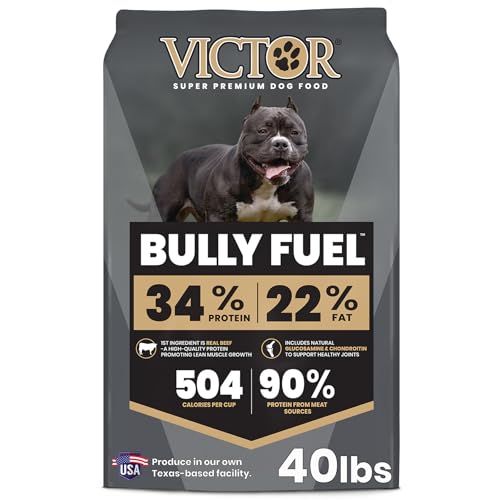
Best Dog Food for American Staffordshire Terriers
Everything you need to know about feeding your AmStaff — from protein requirements and portion control to allergy management and top food recommendations for this muscular, energetic breed.
The American Staffordshire Terrier is a powerful, muscular breed known for its loyalty, intelligence, and boundless energy. Originally bred for strength and tenacity, today's AmStaff is a beloved family companion that thrives on proper nutrition, regular exercise, and plenty of affection. But their unique build and metabolism mean they have specific dietary needs that generic dog foods often fail to meet.
Feeding your American Staffordshire Terrier the right food isn't just about keeping them full — it's about supporting their muscle mass, maintaining healthy skin and coat, preventing common breed-specific health issues, and giving them the energy they need to live a happy, active life. This guide will walk you through everything you need to know to make informed decisions about your AmStaff's diet.
AmStaff Nutritional Needs
American Staffordshire Terriers are medium-to-large dogs with a muscular build that ranges from 40 to 70 pounds for females and 55 to 80 pounds for males. Their metabolism is efficient, but their active nature and muscle mass mean they burn through energy quickly. A balanced diet for an AmStaff should provide:
- High-quality protein: 22-30% on a dry matter basis for adults, with animal-based sources as the primary ingredient.
- Moderate fat: 12-18% for adults to support energy needs and skin health without promoting obesity.
- Balanced omega fatty acids: Omega-6 and omega-3 in a ratio of roughly 5:1 to 10:1 for healthy skin and coat.
- Joint-supporting nutrients: Glucosamine and chondroitin are beneficial, especially as AmStaffs age.
- Digestible carbohydrates: Whole grains like brown rice, oats, or barley provide sustained energy.
- Essential vitamins and minerals: Calcium, phosphorus, zinc, and B vitamins support overall health.
Because AmStaffs are prone to certain health conditions like hip dysplasia and skin allergies, choosing a food that addresses these predispositions can make a significant difference in their quality of life. If you're exploring general options, our best dog food guide covers the fundamentals of evaluating quality across all breeds.
Protein & Muscle Support
Protein is the single most important nutrient for your American Staffordshire Terrier. This breed's powerful musculature requires a steady supply of amino acids to maintain and repair muscle tissue, especially if your AmStaff is active in dog sports, weight pulling, or simply enjoys long daily walks and play sessions.
How Much Protein Does an AmStaff Need?
According to AAFCO standards, adult dogs need a minimum of 18% protein on a dry matter basis. However, for a muscular breed like the American Staffordshire Terrier, most veterinarians and breed experts recommend:
- Adult AmStaffs: 25-30% protein for maintenance and muscle support.
- Active or working AmStaffs: 28-32% protein to support intense physical activity.
- AmStaff puppies: 25-30% protein for healthy growth and development.
- Senior AmStaffs: 22-25% protein to maintain muscle mass as metabolism slows.
The source of protein matters as much as the amount. Look for named animal proteins like chicken, turkey, beef, salmon, or lamb as the first ingredient. Avoid foods where the primary protein comes from plant sources like corn, wheat, or soy — these are less bioavailable for dogs and may contribute to allergies.
Why Protein Quality Matters:
Not all protein is created equal. A food listing "chicken" as the first ingredient provides highly digestible, complete protein. A food listing "poultry by-product meal" or "meat meal" may provide protein, but of lower quality and variable composition.
For AmStaffs with sensitive stomachs, highly digestible proteins like chicken, turkey, or salmon are often better tolerated than beef or lamb. If your dog has a known allergy, a novel protein like venison, duck, or whitefish may be necessary.
The Role of Fat in an AmStaff's Diet
Fat is your AmStaff's primary source of energy. It also provides essential fatty acids that support skin health, coat shine, and immune function. However, AmStaffs can easily become overweight if fed a high-fat diet without adequate exercise. For most adult AmStaffs, a fat content of 12-18% is ideal. Active dogs may need up to 20%, while less active or senior dogs do better on the lower end of the range.
Omega-3 fatty acids, particularly EPA and DHA, are especially important for AmStaffs prone to skin allergies. These fatty acids reduce inflammation and support a healthy skin barrier. Look for foods that contain fish oil, salmon, or flaxseed as sources of omega-3s.
Food Allergies & Sensitivities
American Staffordshire Terriers are among the breeds with a higher-than-average incidence of food allergies and sensitivities. If your AmStaff constantly scratches, licks their paws, has recurring ear infections, or experiences digestive upset, a food allergy could be the culprit.
Common Allergens for AmStaffs
- Beef: One of the most common protein allergens in dogs.
- Chicken: Another frequent trigger, though many AmStaffs tolerate it well.
- Wheat, corn, and soy: Common fillers that can cause reactions in sensitive dogs.
- Dairy: Lactose intolerance is common in dogs, and some react to dairy proteins.
- Artificial preservatives, colors, and flavors: Some dogs react to synthetic additives.
Managing Food Allergies in AmStaffs
If you suspect your American Staffordshire Terrier has a food allergy, the first step is a veterinary consultation. Your vet may recommend an elimination diet or a hydrolyzed protein diet to identify the trigger. Once identified, you can choose a food that avoids the allergen.
For dogs with confirmed allergies, limited-ingredient diets or novel protein diets are often the best choice. These foods use a single protein source and a single carbohydrate source, reducing the chance of an allergic reaction. Our guide to dog food for allergies and sensitive skin provides detailed recommendations for managing this common issue.
Tip: When transitioning your AmStaff to a new food, do it gradually over 7-10 days. Mix increasing amounts of the new food with decreasing amounts of the old food. This helps prevent digestive upset and allows you to monitor for allergic reactions.
Life Stage Feeding
Your American Staffordshire Terrier's nutritional needs change as they age. Feeding a food appropriate for their life stage ensures they get the right balance of nutrients at every phase.
Puppy (Up to 12-18 Months)
AmStaff puppies grow rapidly and need a diet rich in protein, fat, calcium, and phosphorus to support bone and muscle development. Feed a puppy-specific formula that meets AAFCO standards for growth. Large-breed puppy food is often recommended to moderate growth rate and reduce the risk of joint problems.
Growth FormulaAdult (1-7 Years)
Adult AmStaffs need a balanced diet with 25-30% protein and 12-18% fat. Choose a food that supports muscle maintenance, joint health, and skin condition. Adjust portion size based on activity level to maintain a healthy weight.
Maintenance FormulaSenior (7+ Years)
As AmStaffs age, their metabolism slows and their joints may become stiffer. Senior formulas typically have fewer calories, added joint supplements like glucosamine and chondroitin, and higher fiber for digestive health. Some senior dogs benefit from increased protein to maintain muscle mass.
Senior FormulaAll Life Stages
Some high-quality foods are formulated to meet the nutritional needs of all life stages. These can be convenient for multi-dog households, but you may need to adjust portion sizes for puppies, adults, and seniors differently. Check the AAFCO statement on the label.
All Life StagesTypes of Food Compared
American Staffordshire Terriers can thrive on different types of food, depending on your preferences and your dog's needs. Here's how the main options compare:
| Food Type | Pros | Cons | Best For |
|---|---|---|---|
| Dry Kibble | Convenient, cost-effective, helps clean teeth, easy to store | Less palatable for some dogs, can be high in carbohydrates | Most adult AmStaffs with no special dietary needs |
| Wet/Canned Food | High moisture, very palatable, good for picky eaters | More expensive, requires refrigeration, less dental benefit | Picky eaters, senior dogs, dogs with dental issues |
| Raw Diet | Mimics ancestral diet, potential coat and energy benefits | Risk of bacterial contamination, requires careful balancing | Owners willing to do extensive research and vet consultation |
| Fresh/Home-Cooked | Human-grade ingredients, no preservatives, customizable | Most expensive, time-intensive, requires veterinary nutritionist guidance | Dogs with severe allergies or special health needs |
| Limited Ingredient | Fewer potential allergens, good for sensitive dogs | May be less nutritionally complete if not properly formulated | AmStaffs with confirmed food allergies |
Many AmStaff owners find that a high-quality dry kibble supplemented with wet food or fresh toppers provides the best balance of convenience, nutrition, and palatability. For those considering a raw diet, it's essential to work with a veterinary nutritionist to ensure the diet is complete and balanced. Our raw dog food guide covers the basics of this approach.
How to Choose the Best Food
With so many options on the market, choosing the right food for your American Staffordshire Terrier can feel overwhelming. Here's a step-by-step approach to simplify the process:
- Check the AAFCO statement: The food should state that it is "complete and balanced" for your dog's life stage (growth, adult maintenance, or all life stages). This ensures it meets minimum nutritional standards.
- Look at the first five ingredients: The first ingredient should be a named animal protein. Look for whole food sources rather than by-products or fillers. Ingredients are listed by weight, so the first few ingredients make up the bulk of the food.
- Evaluate protein and fat content: For adult AmStaffs, aim for 25-30% protein and 12-18% fat. Adjust based on your dog's activity level and body condition.
- Consider your dog's health needs: If your AmStaff has allergies, joint issues, or digestive sensitivity, choose a food that addresses those concerns. Limited-ingredient, grain-free, or senior formulas may be appropriate.
- Avoid artificial additives: Skip foods with artificial colors, flavors, or preservatives like BHA, BHT, or ethoxyquin. Natural preservatives like mixed tocopherols (vitamin E) are preferred.
- Check for recalls: Before committing to a brand, check for recent recalls or safety issues. A history of recalls doesn't necessarily mean the food is bad, but it's worth knowing about.
- Transition gradually: Once you've chosen a food, transition your AmStaff over 7-10 days to avoid digestive upset.
- Monitor your dog's response: Every dog is an individual. Watch for changes in energy, coat condition, digestion, and overall health. If your AmStaff thrives on a food, stick with it.
Need help comparing options? Our high-quality dog food guide breaks down what separates premium foods from budget options, while our best dry dog food and best wet dog food pages offer specific product recommendations across different categories.
Feeding Amounts & Schedule
How much you feed your American Staffordshire Terrier depends on their age, weight, activity level, and metabolism. The feeding guidelines on the bag are a starting point, but you'll need to adjust based on your dog's individual needs.
How Much to Feed
As a general guideline for adult AmStaffs on a typical dry food (around 350-400 calories per cup):
- 40-50 lb AmStaff: 2 to 2.5 cups per day, split into two meals.
- 50-60 lb AmStaff: 2.5 to 3 cups per day, split into two meals.
- 60-70 lb AmStaff: 3 to 3.5 cups per day, split into two meals.
- 70-80 lb AmStaff: 3.5 to 4 cups per day, split into two meals.
These amounts should be adjusted based on activity level. A working or highly active AmStaff may need 20-30% more food, while a sedentary or senior dog may need less. Always monitor your dog's body condition and adjust portions accordingly.
Feeding Schedule
Adult American Staffordshire Terriers do best with two meals per day — one in the morning and one in the evening. This schedule supports healthy digestion and helps prevent bloat, which is a concern for deep-chested breeds like AmStaffs. Avoid vigorous exercise for at least an hour before and after meals.
Puppies under 6 months should be fed 3-4 small meals per day to support their rapid growth and maintain stable blood sugar levels. Between 6 and 12 months, you can transition to 2-3 meals per day.
Preventing Bloat: American Staffordshire Terriers have a deep chest, which puts them at higher risk for bloat (gastric dilatation-volvulus). To reduce risk, feed smaller meals more frequently, use a slow feeder bowl to prevent gulping, avoid vigorous exercise around mealtime, and consider elevating food and water bowls if your vet recommends it.
Common Feeding Mistakes
Even well-meaning AmStaff owners can make feeding mistakes that affect their dog's health. Here are the most common pitfalls to avoid:
- Overfeeding: AmStaffs are efficient metabolizers and can easily become overweight. Obesity puts extra strain on joints and increases the risk of heart disease and diabetes. Follow feeding guidelines and adjust based on body condition.
- Free-feeding: Leaving food out all day can lead to overeating and makes it difficult to monitor your dog's appetite (an important health indicator). Scheduled meals are better for most AmStaffs.
- Feeding table scraps: Human food can be high in fat, salt, and sugar. Some foods are toxic to dogs (chocolate, grapes, onions, garlic, xylitol). Avoid feeding table scraps, especially from the table.
- Sudden food changes: Switching foods abruptly can cause digestive upset. Always transition over 7-10 days.
- Ignoring body condition: You should be able to feel (but not see) your AmStaff's ribs. They should have a visible waist when viewed from above and a slight tuck-up from the side. If not, adjust portions.
- Over-supplementing: Adding too many supplements to a balanced diet can cause nutrient imbalances. Only supplement if your vet recommends it for a specific issue.
- Feeding a food that doesn't match their life stage: Puppy food for adults can lead to obesity, while adult food for puppies may not provide enough nutrients for growth.
By avoiding these common mistakes, you'll help your American Staffordshire Terrier live a longer, healthier, and more comfortable life. If you're also looking for general product recommendations for dog care, our dog products page has you covered.
Frequently Asked Questions
The Bottom Line
American Staffordshire Terriers are remarkable dogs that deserve nutrition tailored to their muscular build, active lifestyle, and potential health sensitivities. Focus on a high-quality protein source, moderate fat, and balanced omega fatty acids. Monitor your dog's body condition and adjust portions as needed. If allergies are a concern, work with your vet to find a limited-ingredient or novel protein diet that works for your AmStaff. With the right nutrition, your American Staffordshire Terrier will thrive as a strong, healthy, and happy companion for years to come.