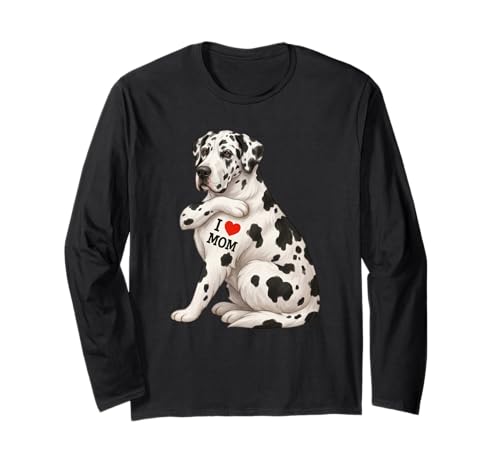
Harlequin Great Dane Dog: The Complete Breed Guide
Everything you need to know about the striking Harlequin Great Dane — from the genetics behind that unmistakable coat to temperament, care requirements, health risks, and what life with a gentle giant really looks like.
The Harlequin Great Dane is not a separate breed — it is one of the most visually striking color variations of the Great Dane, the tallest dog breed recognized by the American Kennel Club. A white base coat covered in irregular, torn-looking black patches creates a pattern that is unique to this breed and immediately recognizable. If you are researching this dog, you likely already know you want a giant breed with presence. What you need now is a clear, honest picture of what owning one involves.
This guide covers the Harlequin pattern itself, the temperament you can expect, the care a giant dog requires, the health conditions to watch for, and the ethical considerations around breeding and buying. By the end, you will understand whether a Harlequin Great Dane fits your home, your routine, and your long-term commitment.
What Makes a Harlequin Great Dane
The Harlequin pattern is the result of a specific genetic interaction. A Great Dane must inherit the Merle gene (a dilution pattern that produces mottled patches) and one copy of the Harlequin modifier gene to display the Harlequin coat. The Harlequin gene essentially removes the diluted background color that Merle creates, leaving a white coat with the dark patches remaining [citation:8]. Without Merle, Harlequin cannot be expressed.
This genetic relationship has important implications. Two Harlequin-patterned dogs bred together produce 25% homozygous Harlequin embryos that do not survive — the H/H genotype is embryonic lethal [citation:8]. This is why responsible breeders never breed Harlequin to Harlequin, and why understanding genetics matters when evaluating a breeder.
The official breed standard describes the Harlequin as having a pure white base with black patches that have the appearance of being torn. Blue patches are also possible (blue harlequin), as are brindle or sable patches (brindlequin, fawnequin), though the classic black-and-white Harlequin is the most recognized [citation:8][citation:12]. For anyone comparing this to the broader Great Dane breed profile, the Harlequin is simply one expression of the same dog.
Temperament & Personality
Great Danes are famously described as gentle giants, and the Harlequin is no exception. Despite their imposing size, they are typically calm, affectionate, and eager to be close to their people. They are known for being patient with children when properly socialized, and they tend to form strong bonds with their families [citation:10].
That said, their size changes everything about how their temperament plays out in daily life. A Dane who leans against you affectionately can knock you off balance. A Dane who jumps up to greet you — a behavior that is merely annoying in a small dog — can injure a child or an elderly adult. Training and impulse control are not optional with this breed; they are safety requirements.
- Affectionate and people-oriented: Great Danes want to be with their humans. They often follow owners from room to room and may experience separation anxiety if left alone for long periods.
- Calm indoors: Despite their size, adult Danes are often low-energy indoors. They need a comfortable spot to stretch out and will spend much of the day resting.
- Social but not overly demanding: They generally get along with other pets when introduced properly, though their size can intimidate smaller animals.
- Sensitive to tone: Great Danes respond poorly to harsh corrections. Positive reinforcement and gentle guidance produce far better results than punishment-based methods.
Important: The Harlequin pattern itself does not affect temperament. A Harlequin Dane's personality is shaped by genetics, early socialization, training, and environment — not by coat color. Any temperament differences you observe between individual Danes reflect breeding lines and upbringing, not the Harlequin gene.
Size, Growth & Development
Great Danes are the tallest dog breed, and Harlequins are no different. Adult males typically stand 30 to 32 inches at the shoulder and weigh between 140 and 175 pounds. Females are somewhat smaller, usually 28 to 30 inches and 110 to 140 pounds [citation:10]. Some individuals exceed these ranges, and a Dane's overall body condition — not just weight — is the better indicator of health.
What many prospective owners underestimate is the growth timeline. Great Danes continue growing until they are 18 to 24 months old. Their bones and joints are developing throughout this period, and improper nutrition or excessive exercise during growth can contribute to orthopedic problems later in life [citation:22]. Feeding a large-breed puppy formula and avoiding high-impact activity until growth plates close are essential steps.
- Puppy stage (0–6 months): Rapid growth. Feed a large-breed puppy diet. Keep exercise gentle and frequent — short walks and free play on soft surfaces rather than long runs or stairs.
- Adolescence (6–18 months): Continued growth with increasing coordination. Training becomes critical as the dog becomes stronger and heavier. Avoid repetitive jumping or hard surfaces.
- Young adult (18–24 months): Growth plates close. Adult exercise levels can begin, but build gradually. This is when the dog's adult size and weight become apparent.
- Adult (2–7 years): Maintenance phase. Focus on weight management, dental care, and regular veterinary checkups.
- Senior (7+ years): Great Danes age faster than smaller breeds. Watch for mobility changes, weight loss, and subtle behavior shifts that may indicate pain or illness.
For anyone considering a Harlequin puppy, understanding the Great Dane breeder landscape is essential. Reputable breeders will provide health testing documentation for the parents and will be transparent about the genetic risks in their lines.
Daily Care Requirements
Caring for a Harlequin Great Dane is not more complicated than caring for any other dog — but the scale changes everything. A Dane eats more, needs a bigger bed, requires sturdier equipment, and takes up more space in every way. The daily routine itself, however, is manageable for owners who plan ahead.
Exercise
Adult Great Danes need moderate exercise — typically 30 to 60 minutes of walking or low-impact activity per day. They are not high-energy dogs and do not require the intense daily workouts that herding or sporting breeds need. A calm walk, some sniffing time, and gentle play are usually sufficient. Puppies need even less structured exercise, with short walks and free play preferred over long distances or high-impact activities.
Nutrition and Feeding
Great Danes are deep-chested dogs, which makes them prone to bloat (gastric dilatation-volvulus). Feeding smaller meals more frequently, avoiding vigorous exercise immediately before and after meals, and using a slow feeder can help reduce risk. A large-breed formula appropriate for the dog's life stage is the foundation of good nutrition. For owners who prefer to prepare food at home, homemade dog food recipes for large dogs can be part of the plan, but they must be formulated with veterinary guidance to ensure nutritional completeness.
Grooming
The Great Dane's short, smooth coat is one of the easiest to maintain among large breeds. Weekly brushing with a rubber curry brush or bristle brush removes loose hair and distributes natural oils. Bathing every 2 to 3 months is usually sufficient unless the dog gets dirty. Nail trimming every 2 to 4 weeks is important — long nails affect gait and joint health, and a Dane's weight makes proper paw support even more critical.
Dental Care
Dental disease is common in all dogs, and Great Danes are no exception. Daily brushing with dog-specific toothpaste is ideal. The right toothbrush and a consistent routine prevent tartar buildup, gum disease, and the systemic health problems that untreated dental disease can cause.
Space and Equipment
A Harlequin Great Dane needs space to stretch out, turn around, and lie down comfortably. A standard dog bed will not suffice — a large, supportive dog bed designed for giant breeds is necessary for joint health and comfort. A crate or extra-sturdy crate sized for a giant breed is useful for house training, travel safety, and providing a secure space. A harness rather than a collar is often recommended for walks, as a large dog pulling on a collar can cause neck strain.
Practical Tip: Before bringing a Harlequin Dane home, measure your car. A giant breed may not fit comfortably in a compact vehicle, and a car harness or car seat designed for large dogs is essential for safe travel. Also consider the layout of your home — stairs, narrow hallways, and small doorways can be challenging for a dog of this size.
Health Risks & Prevention
Great Danes have a shorter lifespan than most breeds — typically 7 to 10 years — and they are prone to several serious health conditions. Understanding these risks is not a reason to avoid the breed; it is a reason to choose a responsible breeder, maintain preventive care, and recognize warning signs early.
- Gastric dilatation-volvulus (bloat): The most urgent health risk for Great Danes. The stomach fills with gas and can twist, cutting off blood supply. Signs include retching without producing vomit, a distended abdomen, restlessness, and pacing. This is a life-threatening emergency requiring immediate veterinary care. Preventive gastropexy surgery can significantly reduce risk and is often performed during spay or neuter [citation:22].
- Hip dysplasia: A genetic condition where the hip joint develops abnormally, leading to arthritis. Reputable breeders screen breeding dogs for hip health. Maintaining a lean body weight and providing appropriate exercise throughout life reduce stress on the joints [citation:9].
- Dilated cardiomyopathy (DCM): A heart condition where the heart muscle weakens and cannot pump blood efficiently. Symptoms include fatigue, difficulty settling, distended abdomen, and fainting. Regular veterinary exams and awareness of breed predisposition are important [citation:9].
- Wobbler syndrome: A neurological condition affecting the cervical spine, causing neck pain and an unsteady gait. Nutrition during growth plays a role, and feeding a large-breed puppy diet until 18 months is recommended [citation:22].
- Osteosarcoma: A type of bone cancer that large and giant breeds are more prone to. Any persistent lameness or swelling should be evaluated by a veterinarian [citation:18].
- Happy tail syndrome: Repeated trauma to the tail tip from wagging against hard surfaces. Treatment ranges from medical management to surgical intervention in severe cases [citation:9].
For owners researching joint support, hip and joint supplements designed for large breeds can be part of a preventive care plan, though they should be discussed with a veterinarian. More broadly, understanding hip dysplasia in dogs helps owners recognize early signs and intervene before arthritis becomes debilitating.
Health Screening Matters: When evaluating a breeder, ask for documentation of hip evaluations, cardiac exams, and eye screenings on the parent dogs. Reputable Great Dane breeders test for these conditions because the results inform breeding decisions. A breeder who cannot or will not provide health documentation is a red flag.
Training & Socialization
A Harlequin Great Dane who is not trained is not just inconvenient — it is dangerous. A 150-pound dog who pulls on the leash, jumps on visitors, or guards resources can cause serious injury without meaning to. Training is an act of care, both for the dog and for everyone around them.
Positive reinforcement training is the most effective approach for this breed. Great Danes are sensitive to harsh corrections and respond best to clear, consistent guidance with rewards for desired behavior. Basic commands — sit, stay, come, leave it, loose-leash walking — should be taught early and practiced consistently throughout the dog's life.
Socialization is equally important. Puppies should be exposed to a variety of people, environments, sounds, and other animals in a positive, controlled way during the critical socialization window (roughly 3 to 14 weeks of age). This foundation prevents fear-based reactivity and helps the dog grow into a calm, confident adult.
Because of their size, Great Danes benefit from training that specifically addresses polite greetings, waiting at doors, and calm behavior around food. A dog who can settle quietly while guests enter the home is a pleasure; a dog who mobs visitors is a liability. For owners who want structured guidance, behavior modification techniques and professional training support can make a significant difference.
Genetics, Breeding & Ethics
The Harlequin pattern is beautiful, but breeding for it requires genetic knowledge and ethical responsibility. Because the homozygous Harlequin genotype is embryonic lethal, breeding two Harlequins together results in a quarter of the embryos not surviving. Responsible breeders breed Harlequins to Mantles, Blacks, or Merles to avoid this outcome and to produce healthy litters [citation:8].
The Great Dane Club of America maintains a color code that prohibits certain crosses — such as Blue to Harlequin — because they produce Harlequins with blue patches rather than the preferred black, which is not acceptable in the show ring and complicates genetic predictability [citation:17]. These guidelines exist to protect the health and integrity of the breed.
For anyone considering a Harlequin puppy, the process of finding a reputable breeder is the most important step. A responsible breeder will:
- Perform health testing on breeding dogs (hips, heart, eyes, thyroid)
- Be transparent about the genetic background of the litter
- Provide a contract that includes health guarantees and return policies
- Raise puppies in a home environment with socialization and enrichment
- Ask you questions to ensure the breed is a good fit for your lifestyle
- Never breed Harlequin to Harlequin
Understanding health testing for dog breeds and genetic testing helps buyers ask the right questions. The puppy visit checklist is a useful tool for evaluating a litter in person.
Frequently Asked Questions
Is a Harlequin Great Dane Right for You?
The Harlequin Great Dane is a breathtaking dog with a gentle heart, but it is not a casual choice. This is a breed for owners who have the space, the budget for giant-breed expenses, the commitment to training and socialization, and the willingness to plan for a shorter lifespan than many other breeds. If you can meet those requirements, you will share your life with one of the most affectionate and impressive dogs in the world. If you are still exploring, compare the Harlequin to the broader Great Dane breed and consider whether a different giant dog breed might better fit your home.