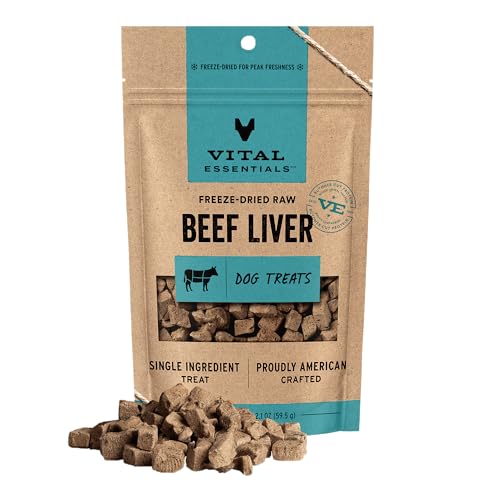
High Value Treats for Dogs with Sensitive Stomachs
Discover how to find training treats that truly motivate your dog without triggering digestive upset, so you can reward good behavior with confidence.
Training a dog with a sensitive stomach presents a unique challenge. You need treats that are exciting enough to compete with the outside world, yet gentle enough to avoid digestive upset. Many owners find themselves stuck between treats that work but cause problems, and treats that are safe but ignored. The good news is that you can have both, provided you understand what makes a treat both high value and stomach friendly.
This guide will help you identify the right high value treats for your sensitive dog, explain what to look for on ingredient labels, and show you how to introduce new foods without risking a setback. Whether you are working on basic obedience or advanced behavior modification, the right treat can transform your training sessions.
Why High Value Treats Matter for Training
Not all treats are created equal in your dog's eyes. A high value treat is one that your dog finds genuinely exciting, often because of a strong aroma, rich taste, or appealing texture. In training, high value treats are essential for several reasons:
- They compete with distractions: When you are training in a park with squirrels, other dogs, and interesting smells, a boring biscuit will not hold your dog's attention. A high value treat can.
- They speed up learning: Dogs learn faster when the reward is meaningful. High value treats make it clear that a behavior is worth repeating.
- They build positive associations: For nervous or reactive dogs, high value treats help create positive associations with scary situations, a process called counter-conditioning.
- They work for difficult behaviors: Recall training, for example, requires a reward that is more exciting than whatever your dog is chasing. Only a high value treat will do.
However, for dogs with sensitive stomachs, the most motivating treats are often the ones that cause the most problems. Rich, fatty, and artificially flavored treats can trigger diarrhea, vomiting, and discomfort. The key is to find treats that are both highly rewarding and easy to digest. You can learn more about general digestive care in our guide to homemade dog food for gastrointestinal problems.
Did You Know? A dog's sense of smell is up to 100,000 times more sensitive than a human's. This is why smelly treats are often more valuable to dogs than bland ones. For sensitive stomachs, the challenge is finding a treat that is aromatic without being rich or irritating.
Understanding Sensitive Stomachs in Dogs
A sensitive stomach is not a single condition but a collection of symptoms that can have many causes. Common signs include intermittent diarrhea, gas, vomiting, and a tendency to react badly to new foods. Some dogs have diagnosed conditions like inflammatory bowel disease, pancreatitis, or food allergies, while others simply have a more delicate digestive system.
Common Triggers for Sensitive Stomachs
- High fat content: Fatty treats can trigger pancreatitis and diarrhea, especially in dogs prone to these issues.
- Artificial additives: Artificial colors, preservatives, and flavorings are common culprits for digestive upset.
- Common allergens: Beef, dairy, wheat, and soy are frequent allergens that can cause both skin and digestive problems.
- Sudden diet changes: Switching treats abruptly can upset the gut microbiome, even if the new treat is generally healthy.
- Rich or creamy textures: Treats with high moisture and fat content, like some soft chews, can be too rich for sensitive dogs.
If your dog has a diagnosed condition, always consult your veterinarian before introducing any new treat. For general guidance on managing food sensitivities, our article on the best dog food for dogs with allergies and sensitive stomachs provides a solid foundation.
Key Characteristics of the Best High Value Treats
When selecting high value treats for a dog with a sensitive stomach, look for the following characteristics. These traits balance motivation with digestive safety.
Motivation Factors
- Strong aroma: Smelly treats get attention. Freeze-dried meats and dehydrated organ meats are naturally aromatic.
- Soft texture: Soft treats are quicker to eat, which keeps training sessions moving. They are also easier to break into small pieces.
- Meat-based: Dogs are carnivores by nature and find meat-based treats more rewarding than plant-based ones.
- Novelty: A treat your dog does not get every day is inherently more exciting. Novel proteins like duck or venison can be both novel and gentle.
Digestive Safety Factors
- Limited ingredients: Fewer ingredients mean fewer opportunities for digestive upset. Single-ingredient treats are ideal.
- Low fat: Low-fat treats are gentler on the pancreas and easier to digest.
- No artificial additives: Avoid artificial colors, flavors, and preservatives like BHA and BHT.
- Novel protein: If your dog has allergies, a protein they have never eaten before reduces the risk of a reaction.
- Gentle processing: Freeze-dried and gently cooked treats retain nutrients without harsh processing.
Pro Tip: The best high value treat for a sensitive dog is often a tiny piece of plain, cooked, unseasoned chicken or turkey. It is smelly, meat-based, soft, and extremely gentle on the digestive system. Keep a small container in your training pouch and use it only for training, so it stays special.
Types of High Value Treats for Sensitive Stomachs
Below are the most reliable categories of high value treats that are generally well tolerated by dogs with sensitive stomachs. Each category includes notes on why it works and what to look for.
1. Plain Cooked Meat
Small pieces of plain, boiled, or baked chicken breast, turkey, or lean beef are among the highest value treats available. They are smelly, soft, and easy to digest. Avoid seasoning, oil, and bones. This is often the first recommendation for dogs with sensitive stomachs because you control every ingredient. For homemade options, see our vet-approved homemade dog training treats recipes.
2. Freeze-Dried Single-Ingredient Meats
Freeze-dried chicken, liver, or beef lung are lightweight, highly aromatic, and retain most of their nutritional value. They are easy to break into small pieces and are generally gentle on the stomach. Choose plain varieties without added seasonings or preservatives. Liver is especially high value for many dogs, but feed it in moderation because it is rich in vitamin A.
3. Dehydrated Sweet Potato
Dehydrated sweet potato chews are plant-based, high in fiber, and gentle on the digestive system. They are not as high value as meat for most dogs, but they work well as a secondary treat or for dogs with meat allergies. Look for plain dehydrated sweet potato with no added sugar or preservatives.
4. Limited-Ingredient Soft Training Treats
Many commercial brands now offer limited-ingredient soft training treats with novel proteins like duck, venison, or rabbit. These are formulated to be gentle on sensitive stomachs while still being soft and smelly. Look for brands that clearly state the protein source and avoid common allergens. Our guide to homemade soft dog treats can help you make your own if commercial options are limited.
5. Novel Protein Treats
If your dog has developed sensitivities to chicken or beef, novel proteins like venison, duck, rabbit, or kangaroo can be both exciting and safe. These proteins are less likely to trigger an immune response because your dog has not encountered them before. Always introduce them slowly and in small amounts.
6. Small Pieces of Cheese (with Caution)
Some dogs tolerate small amounts of cheese well, and its strong smell and taste make it high value. However, dairy is a common allergen and can cause digestive upset in lactose-intolerant dogs. Use only if you know your dog tolerates dairy, and keep portions very small.
Comparison of High Value Treat Options
The table below compares common high value treat options based on motivation level and digestive safety. Use this as a quick reference when choosing treats for your dog.
| Treat Type | Motivation Level | Digestive Safety | Best For |
|---|---|---|---|
| Plain cooked chicken | Very High | Excellent | Dogs with known sensitivities; training recall |
| Freeze-dried liver | Very High | Very Good | High-distraction environments; small training pieces |
| Limited-ingredient soft treats | High | Good | General training; dogs with mild sensitivities |
| Dehydrated sweet potato | Moderate | Excellent | Dogs with meat allergies; fiber supplementation |
| Novel protein treats (duck, venison) | High | Very Good | Dogs with protein allergies; variety |
| Cheese (small amounts) | Very High | Variable | Dogs known to tolerate dairy; emergency recall |
Treats and Ingredients to Avoid
For dogs with sensitive stomachs, certain treats and ingredients are more likely to cause problems. Avoid the following:
- High-fat treats: Bacon, sausage, cheese rinds, and fried foods can trigger pancreatitis and diarrhea.
- Artificial additives: Artificial colors, flavors, and preservatives like BHA, BHT, and ethoxyquin are common irritants.
- Common allergens: Wheat, soy, corn, dairy, and beef are frequent triggers. Check labels carefully.
- Rawhide and tough chews: These are difficult to digest and can cause blockages, especially in small dogs.
- Rich creamy treats: Some soft chews are very high in fat and moisture, which can upset sensitive stomachs.
- Table scraps: Human food is often too rich, too salty, or contains toxic ingredients like onions and garlic.
If you are unsure whether a treat is safe, consult your veterinarian. You can also read our article on treatments for dogs with sensitive skin for related advice on sensitivities, as skin and digestive issues often share triggers.
How to Introduce New Treats Safely
Even the gentlest treat can cause problems if introduced too quickly. Follow these steps to transition your dog to a new high value treat safely:
- Start with a tiny piece: Offer a piece about the size of a pea. Observe your dog for 24 to 48 hours for any signs of digestive upset.
- Introduce one new treat at a time: Do not introduce multiple new foods simultaneously, or you will not know which one caused a problem.
- Keep a food diary: Record what you feed, when, and any reactions. This helps you identify safe treats and potential triggers.
- Gradually increase the amount: If no reaction occurs, slowly increase the amount over several days until you reach the desired training portion.
- Watch for subtle signs: Gas, soft stool, or slight changes in appetite can indicate a problem before full diarrhea develops.
- Stop immediately if problems occur: If you see vomiting, diarrhea, or discomfort, discontinue the treat and consult your vet if symptoms persist.
Important: If your dog has a diagnosed medical condition such as pancreatitis, inflammatory bowel disease, or food allergies, always consult your veterinarian before introducing any new treat. They can recommend specific options that are safe for your dog's condition.
Using High Value Treats Effectively in Training
High value treats are a tool, and like any tool, they work best when used correctly. Here are some practical tips for using treats in training without overfeeding or causing digestive upset:
- Cut treats into tiny pieces: A training treat should be no larger than a pea. Small pieces mean you can reward frequently without overfeeding.
- Use a treat pouch: Keep treats accessible and separate from your dog's regular food. This also helps your dog understand when training is happening.
- Reserve the highest value treats for the hardest tasks: Use plain chicken or freeze-dried liver for recall and distraction training. Use lower value treats for easy behaviors.
- Adjust meal portions: If you are using a lot of treats in training, reduce your dog's regular meals slightly to prevent weight gain.
- Fade treats gradually: Once a behavior is learned, replace treats with praise, play, or life rewards. This prevents your dog from becoming dependent on treats.
- Keep training sessions short: Five to ten minutes is enough for most dogs. Short sessions prevent boredom and reduce the number of treats needed.
For more detailed training guidance, see our article on positive behavior modification techniques. If your dog's sensitive stomach is part of a larger anxiety or stress issue, our guide to calming products for dogs may also be helpful.
Frequently Asked Questions
Final Thoughts
Finding high value treats for a dog with a sensitive stomach does not have to be a compromise. By focusing on single-ingredient, low-fat, gently processed treats, you can reward your dog generously without triggering digestive problems. Start with plain cooked chicken or freeze-dried single proteins, introduce them slowly, and always monitor your dog's response. With a little patience, you will find the perfect training treats that keep both your dog's motivation and stomach happy. For more help with digestive health, explore our guide to homemade dog food for senior dogs with sensitive stomachs and our full range of dog treats.