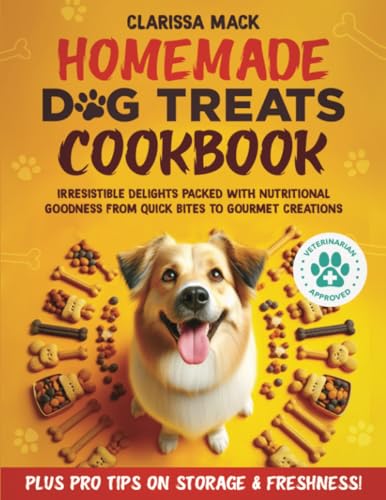
Homemade Soft Dog Treats: Vet Approved Recipes
Learn how to make healthy, soft dog treats at home using simple, vet-approved ingredients. Perfect for training, senior dogs, and pups with sensitive stomachs.
If you have ever read the ingredient list on a bag of commercial dog treats and felt confused, you are not alone. Many store-bought soft treats contain artificial preservatives, added sugars, and vague "meat by-products" that offer little nutritional value. Making your own soft dog treats at home gives you complete control over what goes into your dog's body — and it is easier than you might think.
Soft treats are especially valuable for training sessions, for senior dogs with sensitive stomachs, and for puppies still learning to chew. Unlike hard biscuits, soft treats can be broken into tiny pieces, eaten quickly, and are less likely to cause choking or dental damage. This guide provides vet-approved recipes, ingredient safety guidance, and practical tips so you can treat your dog with confidence.
Why Make Homemade Soft Dog Treats
Homemade treats offer several advantages over commercial options. You know exactly what is in them, you can customize them for your dog's dietary needs, and you can avoid ingredients that commonly cause allergic reactions in dogs. For dogs on elimination diets or with confirmed food sensitivities, homemade treats are often the only safe option.
- Full ingredient transparency: No mystery meats, artificial colors, or hidden preservatives. You choose every component.
- Customizable for health conditions: Adjust fat, protein, and fiber content for dogs with pancreatitis, kidney disease, or weight issues.
- Cost-effective for training: A batch of soft treats made from simple pantry staples yields dozens of training-sized pieces.
- Higher palatability: Fresh ingredients often smell and taste better to dogs than processed treats, making them highly motivating during training.
- Bonding experience: Preparing food for your dog is a practical way to strengthen your relationship and learn more about their nutritional needs.
Vet Note: Homemade treats should complement a complete and balanced diet, not replace it. Treats — whether homemade or commercial — should never exceed 10% of your dog's daily caloric intake. If your dog has a diagnosed health condition, consult your veterinarian or a veterinary nutritionist before introducing new recipes.
Key Ingredients & Safety
The foundation of any safe homemade treat is knowing which ingredients are dog-friendly and which are dangerous. Even natural, human-healthy foods can be toxic to dogs. Before you start baking, review this safety checklist.
Dog-Safe Ingredients
- Lean proteins: Cooked chicken, turkey, beef, salmon, and eggs provide high-quality amino acids. Always cook meat thoroughly and remove bones, skin, and excess fat.
- Whole grains: Oat flour, brown rice flour, and whole wheat flour are common bases for soft treats. For grain-free options, use chickpea or coconut flour.
- Vegetables: Pureed pumpkin (not pie filling), sweet potato, carrots, and spinach add fiber and vitamins. Cook or puree them to make treats easier to digest.
- Healthy fats: A small amount of coconut oil, olive oil, or flaxseed oil supports coat health. Keep fat content low to protect dogs prone to pancreatitis.
- Natural binders: Eggs, unsweetened applesauce, and plain Greek yogurt help hold soft treats together while adding moisture and flavor.
Ingredients to Avoid
- Chocolate and caffeine: Both contain methylxanthines, which are highly toxic to dogs and can cause seizures or death.
- Grapes and raisins: Linked to kidney failure in dogs, even in small amounts.
- Onions, garlic, and chives: Damage red blood cells and can cause anemia.
- Xylitol: An artificial sweetener found in sugar-free products that causes dangerous insulin release and liver failure.
- Macadamia nuts and avocado: Cause digestive upset and, in the case of avocado, potential heart issues.
- Excessive salt and sugar: Contribute to dehydration, obesity, and dental problems. Avoid added sweeteners entirely.
Tip: When introducing any new treat, give a small piece first and monitor your dog for 24 hours. Signs of intolerance include vomiting, diarrhea, itching, or ear redness. If you suspect a reaction, stop the treat and contact your vet. Our guide on treats for dogs with sensitive stomachs covers safer alternatives for reactive dogs.
Vet Approved Soft Treat Recipes
These recipes use simple, dog-safe ingredients and require no special equipment beyond a mixing bowl, baking sheet, and oven. Each recipe yields a soft, chewy texture that is easy to break apart for training. All recipes have been reviewed for canine safety and are appropriate for healthy adult dogs unless otherwise noted.
1. Peanut Butter & Pumpkin Soft Bites
Ingredients: 1 cup oat flour, 1/2 cup pure pumpkin puree (not pie filling), 1/4 cup natural peanut butter (xylitol-free), 1 egg, 1/2 teaspoon cinnamon (optional).
Method: Mix all ingredients until a soft dough forms. Roll into small balls and flatten slightly. Bake at 350°F (175°C) for 12–15 minutes until set but still soft. Cool completely before serving.
2. Chicken & Sweet Potato Chews
Ingredients: 1 cup cooked, shredded chicken breast, 1/2 cup mashed sweet potato, 1/4 cup oat flour, 1 egg.
Method: Combine all ingredients and mix well. Spoon small mounds onto a lined baking sheet. Bake at 350°F (175°C) for 20–25 minutes until firm but soft. Break into pea-sized pieces for training.
3. Grain-Free Salmon & Coconut Bites
Ingredients: 1 can (5 oz) boneless salmon, drained, 1/4 cup coconut flour, 1 egg, 1 tablespoon coconut oil.
Method: Mash salmon and mix with coconut flour, egg, and melted coconut oil. Form small patties. Bake at 325°F (165°C) for 15–18 minutes. These stay very soft and are ideal for dogs with grain allergies.
4. Banana & Oat Soft Training Treats
Ingredients: 1 ripe banana, mashed, 1 cup oat flour, 1 egg, 1 tablespoon unsweetened applesauce.
Method: Mix all ingredients into a dough. Roll into small balls and flatten. Bake at 350°F (175°C) for 10–12 minutes. These are naturally sweet from the banana and highly motivating.
5. Liver & Yogurt Soft Chews
Ingredients: 1/2 cup cooked chicken liver, pureed, 1/2 cup plain Greek yogurt, 1/2 cup oat flour, 1 egg.
Method: Blend liver and yogurt until smooth. Mix in flour and egg. Spread mixture thinly on a lined baking sheet. Bake at 325°F (165°C) for 20 minutes. Cut into small squares. Liver is extremely high-value for most dogs.
6. Pumpkin & Yogurt Frozen Soft Treats
Ingredients: 1/2 cup pure pumpkin puree, 1/2 cup plain Greek yogurt, 1 tablespoon honey (optional, omit for diabetic dogs).
Method: Mix ingredients until smooth. Spoon into silicone molds or ice cube trays. Freeze until solid. These melt quickly, so serve outdoors or in a bowl for easy cleanup.
Recipe Comparison Table
| Recipe | Protein Source | Grain-Free? | Best For | Difficulty |
|---|---|---|---|---|
| Peanut Butter & Pumpkin | Peanut butter | Yes (oat flour) | General training | Entry-level |
| Chicken & Sweet Potato | Chicken | Yes (oat flour) | Senior dogs | Mid-tier |
| Salmon & Coconut | Salmon | Yes | Skin allergies | Premium |
| Banana & Oat | Egg | Yes (oat flour) | Puppy training | Budget-friendly |
| Liver & Yogurt | Chicken liver | Yes (oat flour) | High-value rewards | Mid-tier |
| Pumpkin & Yogurt Frozen | Yogurt | Yes | Hot weather | Budget-friendly |
Using Soft Treats for Training
Soft treats are the gold standard for dog training because they can be broken into tiny, low-calorie pieces and eaten in seconds. Hard biscuits crumble, leave crumbs in your treat pouch, and take too long for a dog to chew — disrupting the flow of a training session. If you are working on basic commands, our homemade dog training treats guide offers additional recipes specifically designed for high-frequency rewarding.
- Size matters: Cut soft treats into pea-sized or smaller pieces. A dog does not need a large treat to be motivated — frequency and timing matter more than volume.
- High-value vs. daily: Use liver or salmon treats for difficult behaviors like recall. Use simpler banana or pumpkin treats for easy behaviors and daily reinforcement.
- Keep sessions short: 5–10 minutes per session is plenty for most dogs. Soft treats keep them engaged without filling them up.
- Account for calories: If you are training multiple times per day, reduce your dog's regular meal portions slightly to prevent weight gain. For more on weight management, see our guide on helping dogs lose weight.
Treats for Special Diets
Dogs with medical conditions require careful treat selection. A treat that is healthy for one dog can be dangerous for another. Always consult your veterinarian before introducing new ingredients if your dog has a diagnosed condition.
Dogs with Allergies
For dogs with food allergies or sensitivities, choose limited-ingredient treats with a novel protein source. Salmon, duck, and venison are common choices for dogs allergic to chicken or beef. Avoid wheat, corn, soy, and dairy if your dog has known intolerances. Our allergy-friendly recipe collection includes more options.
Senior Dogs
Senior dogs often have dental issues, reduced kidney function, or arthritis. Soft treats are essential for dogs with missing teeth or gum disease. Choose lower-protein, lower-phosphorus recipes for dogs with kidney disease, and avoid excess fat for dogs prone to pancreatitis. See our senior dog arthritis diet guide for more targeted nutrition advice.
Dogs with Pancreatitis
Pancreatitis requires a strict low-fat diet. Avoid peanut butter, cheese, and fatty meats. Use lean chicken breast or white fish, and keep treats very small. Our low-fat homemade diet guide provides safe recipe options for sensitive dogs.
Dogs with Kidney Disease
Dogs with kidney disease need restricted protein and phosphorus. Work with your vet to determine safe treat quantities. Simple treats made from egg whites or low-phosphorus vegetables may be appropriate. Check our kidney disease diet guide before making treats for a dog with this condition.
Storage & Shelf Life
Homemade treats contain no artificial preservatives, which means they spoil faster than commercial products. Proper storage is essential to prevent mold and bacterial growth.
- Refrigerator storage: Most soft treats keep for 5–7 days in an airtight container in the refrigerator. Use within this window for best freshness.
- Freezer storage: Freeze treats for up to 2–3 months. Layer them on a baking sheet first so they do not stick together, then transfer to a freezer bag. Thaw in the refrigerator overnight before use.
- Moisture control: Soft treats attract mold in humid environments. Store with a paper towel or food-safe desiccant packet if your kitchen is particularly humid.
- Labeling: Write the date and recipe name on every container. If you cannot remember when you made a batch, discard it.
- Signs of spoilage: Discard treats that smell sour, look slimy, or show any mold growth. When in doubt, throw it out — food poisoning is far more expensive than a new batch of treats.
Common Mistakes to Avoid
Even experienced home cooks make mistakes when preparing food for their dogs. Avoid these common pitfalls to keep your treats safe and effective.
- Using toxic ingredients by accident. Always double-check that peanut butter is xylitol-free, that pumpkin puree is not pie filling (which contains sugar and spices), and that no onions or garlic sneak into meat mixtures.
- Overfeeding treats. Treats should never exceed 10% of daily calories. If you are generous with treats, reduce meal portions to prevent weight gain.
- Making treats too large. Large treats slow down training and add unnecessary calories. Cut them into training-sized pieces before the session begins.
- Skipping the cooling step. Hot treats can burn your dog's mouth. Always cool completely before serving.
- Assuming "natural" means "safe." Many natural foods — grapes, macadamia nuts, avocado — are toxic to dogs. Use only ingredients from a verified dog-safe list.
- Ignoring individual reactions. A treat that works for one dog may cause digestive upset in another. Introduce new recipes one at a time and monitor closely.
Frequently Asked Questions
Start Simple, Then Customize
If you are new to making dog treats, start with the banana and oat recipe — it uses four ingredients, requires minimal prep, and most dogs love it. Once you are comfortable with the process, move on to the liver or salmon recipes for higher-value rewards. Always introduce new treats gradually and watch for reactions. For dogs with specific health conditions, refer to our guides on sensitive stomach recipes and bladder stone-friendly recipes before experimenting with new ingredients. With a little practice, you will have a repertoire of vet-approved soft treats that keep your dog healthy, motivated, and happy.