Healthiest Dog Treats for Dogs: The Complete Buying Guide
Treats are more than rewards — they are part of your dog's daily nutrition. Learn which ingredients to look for, which to avoid, and how to choose the healthiest dog treats for training, dental care, sensitive stomachs, and every stage of life.
Walk down any pet store aisle and you will find hundreds of dog treats making bold health claims — "natural," "grain-free," "vet-approved," "human-grade." But here is what the marketing does not tell you: many popular treats are loaded with sugar, artificial preservatives, and fillers that offer zero nutritional value and may even harm your dog over time.
Choosing the healthiest dog treats for dogs is not about finding the most expensive bag or the most exotic ingredient. It is about understanding what your dog actually needs and reading labels the way a savvy owner should. This guide breaks down exactly what separates a genuinely healthy treat from clever packaging — so you can reward your dog confidently, whether you are working on behavior modification techniques, maintaining dental health, or simply showing affection between meals.
The 90/10 Rule: Treats should never exceed 10% of your dog's daily caloric intake. The other 90% must come from a complete and balanced diet. This single principle prevents most weight gain and nutritional imbalance caused by over-treating.
Why Treat Quality Matters More Than You Think
Many owners think of treats as a small, occasional reward — so quality seems less important than the main meal. But consider the math. A medium-sized dog that receives 5-6 small treats per day during training is eating hundreds of extra calories per week. Over a year, that adds up to thousands of treats. If those treats are full of sugar, artificial colors, and by-products, the cumulative effect on your dog's health is significant.
Poor-quality treats contribute to weight gain, dental disease, skin problems, digestive upset, and even behavioral issues linked to artificial additives. Conversely, the right treats can actively support your dog's health — delivering lean protein, supporting joint health, cleaning teeth, or providing essential nutrients. That is why the dog treats you choose deserve the same scrutiny as the dry dog food and wet dog food you feed.
Dogs with health conditions need extra care. If your dog has kidney disease, bladder stones, or pancreatitis, treat selection is not optional — it becomes a medical decision. You can explore condition-specific feeding approaches such as homemade dog food for dogs with kidney disease or recipes for dogs with bladder stones to align treats with the rest of their diet.
Ingredients to Look For in Healthy Dog Treats
The best dog treats are built on a simple foundation. The fewer ingredients and the more recognizable they are, the better. Here is what a genuinely healthy treat should contain:
- Named animal protein as the first ingredient: Look for "chicken," "beef," "turkey," "lamb," "fish," or "venison" — not "meat," "poultry," or "animal by-products." The named source tells you exactly what your dog is eating.
- Whole food ingredients: Ingredients you could find in your own kitchen — oats, sweet potato, pumpkin, blueberries, carrots, eggs. These provide natural vitamins, fiber, and antioxidants.
- Natural preservatives: Vitamin E (mixed tocopherols), vitamin C (ascorbic acid), and rosemary extract are safe natural preservatives. These indicate the manufacturer cares about quality.
- Limited ingredient lists: A short ingredient list (5-10 items) is usually a sign of transparency and quality. Long lists often hide fillers and additives behind complicated chemical names.
- Moderate fat content: Protein is essential, but fat should be moderate — especially for dogs prone to pancreatitis or weight gain. Lean proteins like turkey, chicken breast, and white fish are ideal.
- Grain-free only when medically necessary: Whole grains like oats and brown rice are nutritious for most dogs. Avoid grain-free unless your vet has diagnosed a grain allergy — and be aware of the FDA investigation into grain-free diets and heart disease in some breeds.
Label Reading Tip: Ingredients are listed in order of weight before processing. If "chicken" appears first but is followed by three different grains, the combined grain content may outweigh the meat. Look for treats where a named protein appears first AND second, or where the ingredient list is genuinely short.
Ingredients to Avoid in Dog Treats
These ingredients appear in many commercial treats — and every one of them is a reason to put the bag back on the shelf:
- Artificial preservatives: BHA, BHT, ethoxyquin, and propyl gallate have been linked to health concerns. Natural preservatives are just as effective and far safer.
- Artificial colors and flavors: Dogs do not care what color a treat is. Red dye, yellow dye, and "smoke flavoring" exist only for human marketing — and some dogs react to them with allergies or hyperactivity.
- Propylene glycol: Used to keep treats soft and chewy. It is a controversial additive with uncertain long-term effects on dogs.
- Added sugars and corn syrup: Sugar contributes to obesity, dental decay, and diabetes. Dogs do not need it — yet it appears in many "semi-moist" treats.
- Generic meat meals and by-products: "Meat meal," "poultry by-product meal," and "animal digest" can contain almost any part of any animal. Quality treats use named, specific sources.
- Xylitol: An artificial sweetener that is extremely toxic to dogs, causing rapid insulin release, seizures, and liver failure. It should never be near dog treats — check every label carefully.
- Excessive fillers: Wheat middlings, corn gluten meal, and cellulose are cheap fillers that inflate the bag without adding nutrition.
If your dog already has sensitivities, you may need to go further and eliminate common allergens. Guides like best dog food for dogs with allergies and sensitive stomachs and what to feed a dog with food allergies can help you build a consistent allergen-safe plan, treats included.
Types of Healthy Dog Treats
Not all healthy treats serve the same purpose. The best choice depends on whether you are training, rewarding, cleaning teeth, or supporting a specific health need. Here are the main categories:
Freeze-Dried Single-Protein Treats
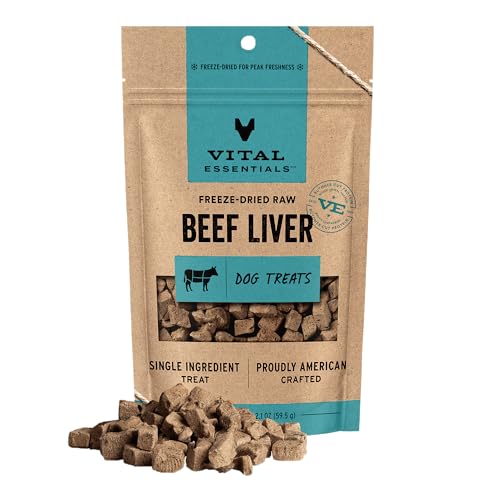
Just one ingredient — usually chicken, beef, liver, or fish — freeze-dried to lock in nutrition. High protein, minimal processing, and irresistible to most dogs. Ideal for training and for dogs with sensitivities, since there are no fillers to trigger reactions.
Premium tierDehydrated Meat & Fish Treats
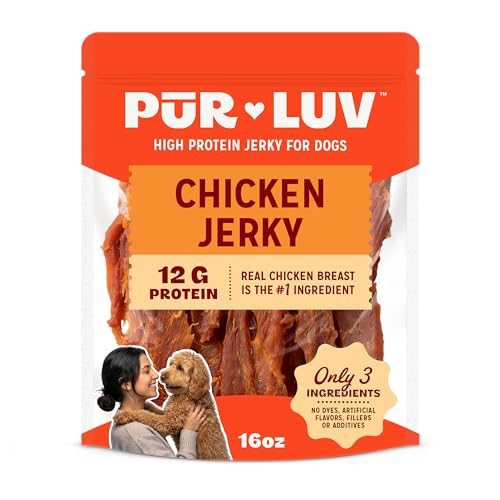
Slow-dried jerky-style treats made from a single protein source. Chewy texture satisfies the urge to chew, while the high protein content supports muscle health. Choose brands that use no sugar or glycerin — traditional jerky style, not "soft and chewy" with additives.
Mid-to-premium tierBaked Biscuits with Whole Grains
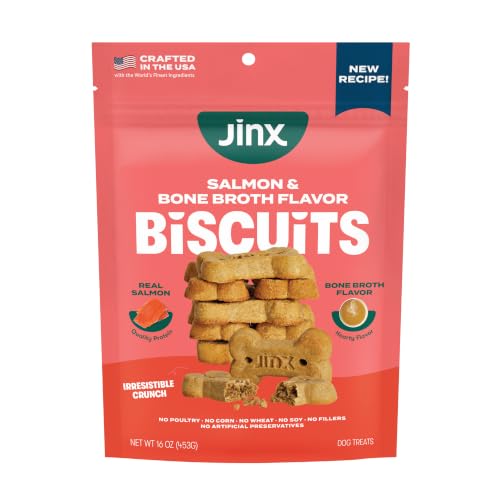
Oven-baked treats using oats, brown rice, or barley with named proteins. Crunchy texture helps scrape light plaque. Best for dogs without grain sensitivities. Look for short ingredient lists and natural preservatives only.
Mid-range tierDental Chews (VOHC-Approved)
Specially shaped and textured treats that mechanically scrape plaque and tartar as the dog chews. The Veterinary Oral Health Council (VOHC) seal indicates proven effectiveness. Choose the right size for your dog — too small can be a choking hazard. See our guide to green dental chews for dogs for options.
Mid-to-premium tierFreeze-Dried Organ Treats (Liver, Heart)
Organ meats are nutrient-dense — rich in iron, vitamin A, and B vitamins. Liver treats are among the highest-value rewards for training. Feed in moderation due to concentrated vitamin A content; a few small pieces go a long way.
Premium tierVegetable & Fruit-Based Treats
Sweet potato chews, pumpkin bites, and blueberry treats provide fiber, antioxidants, and vitamins with lower calories than meat treats. Excellent for weight management. Ensure no added sugar or artificial sweeteners — pumpkin treats in particular are great for digestion.
Budget-friendly to mid-tierBully Sticks & Natural Chews
Long-lasting chews made from a single animal part. High protein, no additives, and they satisfy the natural urge to chew for extended periods. Choose odor-free varieties if smell is a concern, and always supervise chewing. See our picks for all-natural bully sticks and odor-free bully sticks.
Mid-to-premium tierSoft Training Treats (Low-Calorie)
Small, soft, quickly consumed treats designed for repetitive reward during training. The healthiest versions use real meat and no artificial additives. Keep pieces pea-sized to control calories — a training session with 20 tiny treats can stay under 20 calories.
Budget-friendly to mid-tierBest Healthy Treats for Training
Training requires treats that are small, soft, and highly motivating — but that does not mean they have to be unhealthy. The key is matching treat value to difficulty:
Match Treat Value to Task Difficulty
- Everyday behaviors: Use small pieces of their regular kibble or low-calorie vegetable treats. Save the good stuff for harder tasks.
- New commands: Soft, smelly training treats — freeze-dried liver or chicken — work best. High value keeps focus during learning.
- Difficult or scary situations: Reserve the highest-value treats (freeze-dried organ meat, small pieces of real meat) for recall, vet visits, and desensitization work.
- Vary the reward: A "jackpot" — several treats in a row — for exceptional responses keeps training exciting without overfeeding.
Training Treat Best Practices
- Cut treats into pea-sized pieces — a single commercial training treat can be divided into 4-6 rewards.
- Subtract treat calories from the daily meal portion to maintain healthy weight.
- Use soft treats for quick consumption; hard treats slow down training sessions.
- Choose single-protein treats to minimize allergen exposure during frequent rewards.
If you prefer making your own, vet-approved homemade dog training treats recipes let you control every ingredient while keeping costs reasonable. You can also explore high-value treats for dogs with sensitive stomachs if your training partner has a delicate digestion.
Signs of a Great Training Treat:
✓ Soft enough to break into tiny pieces
✓ Smelly enough to hold attention
✓ Eaten in 1-2 seconds
✓ Low in calories per piece
✓ No artificial colors or preservatives
✓ Named protein first — no by-products
Remember: 15 minutes of mental work can tire a dog as much as a walk. High-value training treats are a tool for focus, not a meal replacement. Our puzzle toys for dogs can also reward without calories — rotating treats with toys keeps weight in check.
Dental Health Treats: Do They Really Work?
Dental disease is the most common health problem in adult dogs — by age three, most dogs have some degree of periodontal disease. Dental treats can genuinely help, but only if they are the right kind.
A study by the Veterinary Oral Health Council found that daily use of a proven dental chew reduced plaque and tartar buildup significantly compared to no dental care. However, the same study noted that most treats marketed as "dental" have no clinical proof behind them.
- Look for the VOHC seal: This is the gold standard. Products with this seal have submitted clinical trial data proving effectiveness against plaque and tartar.
- Texture matters: The chew should be firm enough to scrape teeth but flexible enough not to break teeth. Pliable rubbery textures work; hard, brittle treats can fracture molars.
- Shape matters: Star shapes, X shapes, and ridged designs create grooves that clean between teeth as the dog chews.
- Size matters: Choose a chew appropriate for your dog's weight class. Too large is frustrating; too small is a choking hazard. Always supervise.
- Dental treats are not a substitute for brushing: They supplement but do not replace brushing. Combine daily toothbrushing using a dog toothbrush with dental chews for the best results.
For more on maintaining oral hygiene at home, see our guide to green dental chews for dogs and consider how treats fit into a complete dental care routine with routine dog dental cleaning at the vet.
Treats for Dogs with Special Needs
A healthy treat for one dog may be a dangerous one for another. Always match treats to your dog's specific health situation:
Dogs with Sensitive Stomachs
Dogs with sensitive digestion need treats with limited ingredients and gentle proteins. Novel proteins like duck or venison can help if your dog has developed sensitivities to chicken or beef. Avoid high-fat treats, dairy, and anything with artificial additives. Our guides to high-value treats for sensitive stomachs and homemade treats for sensitive stomachs offer safer options.
Overweight Dogs
Weight management is the single most impactful thing you can do for your dog's lifespan. Low-calorie treats like green beans, carrots, cucumber slices, or small pieces of freeze-dried chicken breast provide reward without the calories. Keep total treat calories under 10% of daily intake. If you are working on weight loss, our guides to dry dog food to help your dog lose weight and healthy weight management tips can support the whole plan.
Senior Dogs & Dogs with Bad Teeth
Hard, crunchy treats can be painful for senior dogs with worn or missing teeth. Soft, easy-to-chew treats — or softened kibble — work better. You can also bake your own soft treats using vet-approved soft dog treats recipes. For more daily support, our guide to dog vitamins covers nutrient gaps that older dogs commonly face.
Dogs with Allergies
If your dog has diagnosed food allergies, every treat must be free of the allergen. Single-ingredient treats make this easy — you know exactly what you are feeding. For full support, our guides on homemade dog food for skin allergies and homemade food recipes for allergies help you build a complete allergen-safe diet. For common signs of allergic reactions, see our article on red, licking paws.
Dogs with Joint Issues
Some treats include added glucosamine and chondroitin to support joint health — though therapeutic doses are hard to achieve through treats alone. Our guide to glucosamine and chondroitin supplements for dogs covers the correct approach. If your dog has hip dysplasia or arthritis, also see hip dysplasia in dogs and joint supplements for German Shepherds.
Homemade Dog Treats: Total Control Over Quality
Making treats at home is the surest way to know exactly what your dog is eating. You control the ingredients, eliminate preservatives, and can tailor recipes to your dog's health needs. Homemade treats are also surprisingly economical.
Simple starter recipes use ingredients like pumpkin puree, oats, peanut butter (xylitol-free only), eggs, and whole wheat flour. Always check that all ingredients are dog-safe — avoid xylitol, grapes, raisins, onions, garlic, chocolate, and macadamia nuts.
For vet-approved, step-by-step recipes by category:
- Pumpkin dog treats — gentle on digestion, rich in fiber
- Grain-free dog treats — for dogs with grain sensitivities
- Soft dog treats — ideal for senior dogs and those with dental issues
- Training treats — small, smelly, and low-calorie
- Recipes for sensitive stomachs — gentle, limited ingredients
Storage & Safety: Homemade treats without preservatives spoil faster than commercial ones. Store in an airtight container in the fridge for up to a week, or freeze for longer storage. Remember that homemade treats still count toward the 10% treat limit — they are supplemental, not a replacement for balanced meals.
Portion Control: The Most Important Health Decision
Even the healthiest dog treat becomes unhealthy in excess. The difference between a healthy weight and obesity — which shortens lifespan by nearly two years — often comes down to treat habits.
- Follow the 10% rule strictly. If your dog needs 1,000 calories per day, treats should be no more than 100 calories — and many training treats are 3-5 calories each, so that is plenty.
- Adjust meals on training days. If you do a heavy training session with 30 treats, reduce dinner by 10-15%.
- Break treats into tiny pieces. Your dog does not need a whole biscuit for a good sit. A pea-sized piece communicates "yes!" just as clearly.
- Use non-food rewards too. Praise, play, a toy toss, or access to a favorite spot are all rewards — they just require consistency, not calories.
- Measure treats, do not guess. A handful of treats can easily be 100+ calories. Count them.
- Check weight monthly. Run your hands along your dog's ribs — you should feel them easily under a thin fat layer. If not, cut back on treats and increase exercise. See dog weight management for a full plan.
If you are not sure where to start, a body condition score assessment at your vet visit is the fastest way to know whether your treat habits are serving your dog's health. Pair this with adequate daily exercise and a consistent dog food guide approach for lasting results.
Frequently Asked Questions
The Bottom Line on Healthy Dog Treats
The healthiest dog treats are simple: a short list of recognizable ingredients, a named animal protein first, no artificial additives, and a portion that fits within the 10% daily calorie limit. Beyond that, match treats to your dog's needs — training treats for learning, dental chews for oral health, soft treats for seniors, and single-protein options for sensitive stomachs. Start by upgrading one category at a time, read every label carefully, and remember that the best treat is the one that supports your dog's health while strengthening the bond between you.