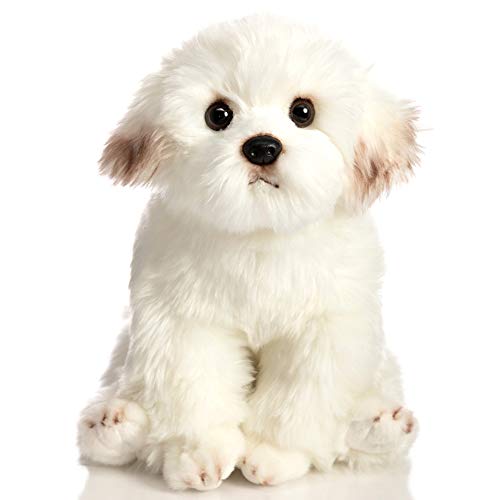
Maltese Puppies for Sale: What to Know Before You Buy
Before you fall for that tiny white face, learn how to spot a responsible breeder, avoid online scams, and understand the real care commitment behind a Maltese puppy.
Searching for Maltese puppies for sale can feel exciting and overwhelming at the same time. The breed is famous for its silky white coat, gentle disposition, and centuries of history as a companion dog [citation:6]. But behind every adorable listing is a decision that affects a dog's life for the next twelve to fifteen years—and your daily routine for just as long.
This guide is not a marketplace. It is a buyer's preparation tool. Whether you are comparing breeders or trying to understand whether a Maltese fits your household, the information below will help you ask better questions and recognize red flags before money changes hands.
Why the Maltese Is So Popular—and What That Means for Buyers
The Maltese is one of the oldest toy breeds, recognized by the American Kennel Club since 1888 [citation:6]. They weigh under seven pounds, adapt well to apartments, and form intense bonds with their people. That combination makes them a magnet for buyers—and for unscrupulous sellers.
High demand creates two problems. First, unethical breeders and importers flood the market with puppies raised in poor conditions. Second, buyers often focus on appearance and price while overlooking the health testing that separates a sound puppy from a heartbreak. The Maltese is generally a healthy breed, but responsible breeders still screen for luxating patella, cardiac anomalies like PDA, and liver issues using serum bile acid tests [citation:6].
Quick Reality Check: A Maltese puppy is not a low-effort purchase. The coat needs daily attention, the dog craves human company, and dental care is a lifelong commitment. If your household is away for long hours or you prefer a low-maintenance coat, this may not be the right breed—no matter how charming the face.
Finding a Responsible Maltese Breeder
The best protection against health problems and scams is a breeder who welcomes scrutiny. A responsible Maltese breeder does not rush you, does not sell through a third party, and does not hide the mother dog.
What a Good Breeder Will Show You
- The mother dog with the puppies. Observe her temperament and condition. A relaxed, affectionate dam is a positive sign. If the breeder cannot or will not show her, walk away [citation:10].
- Original veterinary certificates. Not photocopies, not verbal claims. Ask specifically for patella evaluation, cardiac exam, and serum bile acid results for both parents [citation:5][citation:6].
- A clean, home-based rearing environment. Puppies raised indoors with household sounds and gentle handling are better socialized than kennel-raised litters [citation:5].
- A written contract with a take-back clause. Ethical breeders stand behind their dogs for life and will reclaim a puppy rather than see it end up in a shelter [citation:10].
- Honest answers about health. A breeder who claims the breed has "no health issues" is either uninformed or dishonest. Every breed has concerns .
Questions Worth Asking
Go beyond "how much." Ask how many litters the dam has had in the past two years, what socialization the puppies have received before going home, and how the breeder matches puppies to families. A breeder who interviews you about your lifestyle is a better sign than one who only asks for a deposit [citation:10].
If you are also considering other small breeds, it helps to compare temperament and care needs. A Pomeranian or a Yorkshire Terrier shares the toy size but differs in coat and personality. For families exploring small companion breeds that shed less, our non-shedding small dog guide offers a useful comparison.
Health Tests That Matter for Maltese Puppies
The Maltese is long-lived, often reaching the double digits, but that longevity depends on sound breeding practices. Three screenings are especially important:
Patella Evaluation
Luxating patella—a slipping kneecap—is one of the most common orthopedic issues in small breeds. A veterinarian grades the patella from normal to severely affected. Breeding dogs should be graded 1 or better, and puppy buyers should ask to see the results [citation:5].
Cardiac Exam
Patent ductus arteriosus (PDA) and other heart anomalies occur in the breed. A cardiac exam by a veterinarian, ideally with a specialty certification, helps rule out breeding stock with concerning murmurs [citation:6].
Serum Bile Acids
This blood test screens for liver shunts and microvascular dysplasia, congenital conditions that can affect a puppy's growth and long-term health. The AKC parent club recommends bile-acid testing for Maltese puppies [citation:6]. Ask the breeder when the test was performed and what the results were.
Do not skip the independent vet check. Even with breeder documentation, take your new puppy to your own veterinarian within 48 to 72 hours of bringing them home. This protects you contractually in many cases and catches anything the breeder's vet may have missed.
For a broader look at how health testing protects toy breeds, our guide on genetic testing for dog breeds explains what different tests can and cannot tell you. If you are weighing the cost of preventive care against emergency expenses, our analysis of whether pet insurance is worth it may help.
Avoiding Maltese Puppy Scams
The combination of high demand, small litter sizes, and emotional buyers makes Maltese puppies a frequent target for online fraud. Scammers steal photos, create fake websites, and disappear after a deposit. The Federal Trade Commission has repeatedly warned about puppy scams, and breed-specific cases are common [citation:12].
Red Flags That Should Stop You
- Refusal to do a live video call. A legitimate breeder can walk you through the puppy's environment in real time. Excuses about bad internet or privacy are unacceptable [citation:12].
- Payment through wire transfer, gift cards, or payment apps. These methods are difficult to reverse. Reputable breeders typically accept traceable methods and provide receipts [citation:12].
- Photos with inconsistent backgrounds. If every puppy photo looks like it was taken in a different house—or a different country—the seller is likely stealing images [citation:12].
- Pressure to decide immediately. Scarcity language ("only two left, deposit now") is a sales tactic. A real breeder has a waitlist and vets buyers, not the other way around.
- No health certificates or pedigree paperwork. If the seller cannot produce documentation before payment, they will not produce it after.
Imported puppies present additional risks. Some sellers bring Maltese and other toy breeds from overseas without disclosing it. Puppies may be younger than their paperwork claims, and vaccination records may be unreliable [citation:1]. The safest path is to see the puppy with its mother in the place where it was raised.
The Grooming Reality: What You Are Signing Up For
Maltese coats are beautiful in photographs. In daily life, that silky single coat mats quickly and requires consistent effort. There is no way around this: the breed is high-maintenance in the grooming department.
If you keep the full coat, daily brushing to the skin is necessary to prevent tangles. Many pet owners choose a shorter "puppy cut," which is more manageable but still needs brushing several times a week and professional trimming every four to six weeks [citation:10]. Bathing every two to three weeks with a gentle dog shampoo keeps the coat clean and the skin healthy. Tear staining around the eyes is common and may require wiping and, in some cases, a veterinary check for underlying causes [citation:6].
Budget for grooming tools and time. A slicker brush, metal comb, and detangling spray are basic necessities. If you plan to use a professional groomer, factor that recurring cost into your monthly budget. If you plan to do it yourself, be honest about whether you will actually brush daily.
Our dog brushing guide covers technique for long-coated breeds, and our grooming tools overview can help you choose the right brush. For bath-time products, see our dog shampoo guide.
Training and Socialization: Small Dog, Real Needs
Maltese are intelligent and learn quickly, but they can also be stubborn and willful [citation:6]. They respond best to positive reinforcement—treats, praise, and play—rather than harsh corrections. Short, frequent sessions work better than long training marathons, especially for a puppy with a short attention span.
Socialization is critical. The breed is naturally friendly but can become overly attached or anxious without gradual exposure to new people, dogs, and environments. Puppy classes and controlled introductions help build confidence. Our puppy socialization guide explains the critical window and how to use it well.
House training and crate training are easier when started early. Maltese are small, so accidents indoors are easy to miss—consistency matters more than punishment. For step-by-step help, see our guides on puppy training and teaching basic commands.
Separation anxiety is a real concern. Maltese are people-oriented dogs that do not handle long hours alone well [citation:10]. If everyone in your household works away from home full-time and cannot take the dog along, consider whether this breed fits your schedule. Crate training and gradual alone-time practice from puppyhood can help, but they do not replace daily companionship.
Maltese Puppy Buying Checklist
Use this checklist before you commit to any puppy. If a seller cannot satisfy most of these points, reconsider.
- You have seen the mother dog with the puppies in person or via live video.
- The breeder provided original patella, cardiac, and bile acid test results for both parents.
- The puppy has received age-appropriate vaccinations and deworming, with records.
- You have a written contract that includes a health guarantee and a take-back clause.
- The breeder asked you questions about your home, schedule, and experience with dogs.
- You have scheduled an independent veterinary exam within 72 hours of pickup.
- You have budgeted for grooming—either professional visits or the tools and time for daily home care.
- You have a plan for the puppy's daily companionship and alone-time training.
If you are still deciding between breeds, our toy dog breed guide and small dog breed guide offer side-by-side comparisons. For supplies you will need before pickup, see our puppy supplies checklist and our recommendations for dog carriers and dog beds.
Frequently Asked Questions
The Bottom Line
A Maltese puppy is a long-term commitment to grooming, companionship, and preventive veterinary care. The right breeder will make that commitment easier by providing health-tested parents, honest answers, and a contract that protects the dog. The wrong seller will cost you far more than money. Take your time, ask hard questions, and walk away from anything that feels rushed. If you are still in the research phase, our guide on how to find a reputable dog breeder and our puppy visit checklist can help you prepare for the next step.