Pomeranian Dog Breed: The Complete Owner's Guide
Everything you need to know about the spirited, fluffy Pomeranian — from temperament and grooming to training, health, and choosing the right puppy for your family.
The Pomeranian is one of the most recognizable toy breeds in the world — a tiny dog with a giant personality wrapped in a cloud of fluffy fur. Descended from large working sled dogs, the Pomeranian has come a long way from its Arctic origins to become a beloved companion in homes around the globe.
Despite their small size, Pomeranians are bold, intelligent, and full of energy. They are charming, affectionate, and often act as if they are ten times larger than they actually are. But owning a Pomeranian is not just about cute photos and fluffy cuddles — this breed has specific care requirements that every potential owner should understand before bringing one home.
Whether you are researching the breed before committing, preparing to bring home a Pomeranian puppy, or simply curious about what makes this toy breed so special, this guide covers everything you need to know.
Breed Overview & Quick Stats
The Pomeranian is classified as a toy breed by the American Kennel Club (AKC) and belongs to the Spitz family — a group of breeds characterized by pointed ears, thick double coats, and fox-like faces. They were originally bred in the Pomerania region (now part of Germany and Poland) from larger Spitz-type dogs, gradually downsized over generations to their current miniature form.
Did You Know? Pomeranians were once much larger — around 30 pounds — and were used as working dogs pulling sleds and herding sheep. Queen Victoria of England is credited with popularizing the smaller, toy-sized version of the breed in the 19th century, helping it become one of the most beloved companion dogs in history.
Pomeranian Colors and Variations
Pomeranians come in a stunning variety of colors — more than almost any other breed. The AKC recognizes over a dozen colors and patterns, including:
- Orange and Red: The most iconic Pomeranian colors, often associated with the classic "fox face" look.
- Cream and White: Soft, elegant shades that require extra grooming attention to keep clean.
- Black and Chocolate: Deep, striking colors that highlight the fluffy coat texture.
- Blue and Beaver: Rarer dilute colors that produce a soft, silvery-blue or warm brown tone.
- Parti-color: A base coat with patches of another color — often white with orange, black, or sable patches.
- Sable: Hair shafts with dark tips, creating a shaded, multidimensional appearance.
Color can influence appearance but not temperament or health. What matters far more than coat color is the breeder's commitment to genetic testing and ethical breeding practices.
Temperament & Personality
Ask any Pomeranian owner to describe their dog and you will likely hear the same words: confident, curious, and full of personality. Pomeranians are small dogs who genuinely believe they are large dogs. They are alert, lively, and always ready to investigate whatever is happening around them.
The Bold Toy Dog
One of the most defining traits of the Pomeranian is its confidence. Unlike many small breeds that can be timid or nervous, Pomeranians tend to be outgoing and self-assured. They will often stand their ground with dogs much larger than themselves — which can be endearing but also requires careful management to prevent confrontations at the dog park.
This bold personality makes them excellent watchdogs. Pomeranians are naturally alert and will announce visitors or unusual sounds with enthusiastic barking. While this is useful for home security, it also means that without proper training, they can become nuisance barkers — especially in apartment settings where neighbors are close.
Affectionate but Independent
Pomeranians form strong bonds with their owners and enjoy being part of daily activities. They are affectionate and love attention, but they are not typically clingy in the same way as some other toy breeds. They appreciate being near their people but often retain a streak of independence that makes them feel more like a small companion than a lap ornament.
That said, they can be prone to separation anxiety if left alone for long periods without proper preparation. Early training to build tolerance for alone time is important, especially for owners who work outside the home.
Good with Families — With Caveats
Pomeranians can do well in families with older, respectful children who understand how to interact gently with a small dog. Their small size and fragile bones mean that rough handling or accidental drops can cause serious injury. Families with toddlers or very young children should consider whether a more robust breed might be a better fit.
Expert Tip: Start puppy socialization as early as possible. Pomeranians who are exposed to different people, sounds, and environments during their critical socialization window (roughly 3–14 weeks) grow into much more confident, well-adjusted adults.
Pros and Cons of Owning a Pomeranian
Every breed has its strengths and challenges. Here is an honest look at what life with a Pomeranian is really like:
Advantages
- Friendly, affectionate, and engaging companion
- Highly intelligent and trainable with positive methods
- Small size suits apartment living and travel
- Moderate exercise needs compared to large breeds
- Long lifespan — up to 16 years of companionship
- Natural watchdog instinct keeps you alert
- Enormous variety of coat colors
Challenges
- Extensive grooming and heavy seasonal shedding
- Prone to excessive barking without training
- Fragile frame vulnerable to injury
- Predisposed to luxating patella and dental disease
- Bold personality can lead to confrontations with larger dogs
- Requires patient, consistent training to manage stubbornness
- Not ideal for homes with very young children
Understanding both sides of the equation helps you make an informed decision. If you can commit to regular grooming, consistent training, and careful handling, the Pomeranian rewards you with years of lively, loving companionship.
Grooming & Coat Care
Grooming is the single most demanding aspect of Pomeranian ownership. Their luxurious double coat is beautiful — and it requires consistent effort to keep healthy. Underneath that cloud of fluff is a dense undercoat that sheds heavily and a longer outer coat that tangles easily. Neglecting grooming leads to painful matting, skin infections, and costly professional intervention.
Brushing Routine
Pomeranians need brushing 3–4 times per week, and daily during the spring and fall shedding seasons when they "blow" their undercoat. A quality slicker brush and a metal comb are essential tools. Brush in sections, working down to the skin, and be gentle around sensitive areas like the belly, ears, and hindquarters.
- Slicker brush: Removes loose hair and prevents tangles on the surface.
- Metal comb: Reaches the undercoat and catches mats before they tighten.
- Undercoat rake: Especially useful during shedding season to remove dead undercoat.
- Detangling spray: Helps loosen small mats before brushing to reduce pulling.
Bathing and Professional Grooming
Bathe your Pomeranian every 3–4 weeks using a gentle dog-specific shampoo. Over-bathing strips natural oils and can cause dry, itchy skin. Always dry thoroughly — moisture trapped in the undercoat can cause skin problems.
Professional grooming every 4–6 weeks is strongly recommended. A professional groomer can maintain the coat's shape, trim around the paws and sanitary areas, and catch problems early. Avoid shaving your Pomeranian unless medically necessary — shaving can damage the coat's ability to regrow and disrupt temperature regulation.
Beyond the Coat
- Dental care: Small breeds are highly prone to dental disease. Brush your Pomeranian's teeth several times per week with a dog-specific toothbrush and toothpaste. Dental disease can lead to tooth loss and systemic health issues.
- Nail trimming: Trim nails every 2–4 weeks. Long nails affect gait and can cause joint problems. Use sharp clippers and have styptic powder on hand.
- Ear cleaning: Check ears weekly and clean gently with a dog-specific ear cleaner. Watch for redness, odor, or discharge that could indicate infection.
- Eye care: Pomeranians are prone to tear staining. Wipe the area around the eyes daily with a soft, damp cloth to prevent staining and irritation.
Exercise & Mental Stimulation
Despite their tiny size, Pomeranians have surprising energy and need daily exercise to stay healthy and happy. Without adequate physical and mental stimulation, they can become bored, destructive, or excessively vocal.
Daily Exercise Needs
Aim for 30–60 minutes of activity per day, split into two or three shorter sessions. Two 15–20 minute walks plus indoor play is usually sufficient for an adult Pomeranian. Puppies need shorter, more frequent play sessions to protect their growing joints.
Avoid strenuous exercise or high-impact activities like jumping from furniture, which can stress their small joints and worsen conditions like luxating patella. Walking on grass or soft surfaces is gentler than hard pavement.
Mental Stimulation Matters
Pomeranians are intelligent dogs who need more than just physical exercise. Mental stimulation tires them out and prevents problem behaviors. Try:
- Puzzle feeders and treat-dispensing toys that make them think.
- Short training sessions — 5–10 minutes several times a day.
- Lick mats smeared with dog-safe peanut butter or wet food.
- Snuffle mats that encourage natural foraging behavior.
- Teaching new tricks — Pomeranians excel at learning and enjoy the mental challenge.
- Scheduled playtime with fetch toys indoors or in a secure, enclosed area.
Weather Warning: Pomeranians are sensitive to extreme temperatures. Their thick coat helps in cold weather, but they overheat quickly in summer and can struggle in freezing conditions. Adjust exercise routines based on the season — early morning or evening walks in summer, and short, protected walks in winter.
Training & Socialization
Pomeranians are intelligent, eager to please, and highly trainable — but they also have a stubborn streak that requires patience and consistency. Training a Pomeranian is not difficult, but it demands commitment from every member of the household.
Positive Reinforcement Works Best
Like all dogs, Pomeranians learn best through positive reinforcement training. Reward desired behaviors with treats, praise, or play, and ignore or redirect unwanted behaviors. Punishment-based methods damage trust and can make a Pomeranian fearful or defensive.
Keep sessions short and fun — 5–10 minutes is plenty. Pomeranians have short attention spans, especially as puppies, so end on a positive note before they lose focus.
Commands Every Pom Should Know
- Sit: The foundational command. Use for greetings, waiting at doors, and as an alternative to jumping.
- Stay: Essential for safety and impulse control. Build duration and distance gradually.
- Come (Recall): The most important safety command. Always reward your Pom for coming, even if they were slow to respond.
- Leave it: Prevents your dog from picking up dangerous items or approaching things they shouldn't.
- Quiet: Specifically important for this vocal breed. Teach your Pom to stop barking on cue by rewarding silence.
For a deeper dive into building reliable behaviors, explore our guide on teaching dogs basic commands.
Managing Excessive Barking
Barking is one of the most common complaints about Pomeranians. They bark at strangers, other dogs, unexpected sounds, and sometimes just because they have something to say. Here is how to manage it:
- Identify the trigger — is it boredom, anxiety, alerting, or attention-seeking?
- Reward quiet behavior rather than punishing barking.
- Provide adequate exercise and mental stimulation to reduce boredom barking.
- Teach a "quiet" cue using consistent, positive reinforcement.
- Avoid yelling — your Pomeranian may interpret it as joining in the barking.
- If barking is anxiety-driven, address the underlying anxiety with behavior modification techniques.
If behavior problems are severe or unmanageable, consider consulting a professional. Our guide on when to seek a behaviorist can help you decide. You can also explore calming products for dogs for mild anxiety-related issues.
Health Concerns & Prevention
Pomeranians are generally healthy little dogs with a long lifespan, but they are predisposed to several conditions that owners should monitor. Understanding these risks helps you take proactive steps to keep your dog healthy.
Common Pomeranian Health Issues
| Condition | What It Is | Signs to Watch For | Prevention & Care |
|---|---|---|---|
| Luxating Patella | Kneecap slips out of place, causing lameness | Hopping, skipping, holding one leg up | Maintain healthy weight, limit jumping, vet evaluation |
| Tracheal Collapse | Weakened windpipe that collapses during breathing | Harsh cough, honking sound, exercise intolerance | Use harness instead of collar, avoid obesity, manage stressors |
| Dental Disease | Plaque buildup leading to gum disease and tooth loss | Bad breath, red gums, difficulty eating | Brush teeth regularly, professional cleanings, dental chews |
| Alopecia X | Hair loss, often on the trunk and hindquarters | Patches of missing fur, darkening skin | Vet diagnosis, rule out other causes, manage coat carefully |
| Eye Problems | Cataracts, tear staining, dry eye | Cloudiness, discharge, squinting | Regular eye checks, daily wiping, vet care if symptoms appear |
| Obesity | Excess weight that worsens joint and breathing problems | Weight gain, reduced activity, difficulty feeling ribs | Portion control, measured meals, regular exercise |
Preventive Care Schedule
- Annual wellness exams: Every year for healthy adults; twice yearly for seniors (7+ years).
- Vaccinations: Follow your veterinarian's recommended schedule for core and lifestyle vaccines.
- Parasite prevention: Year-round flea and tick prevention and heartworm medication as prescribed.
- Dental cleanings: Professional cleanings as recommended by your vet — typically every 1–2 years.
- Weight monitoring: Check body condition monthly and adjust feeding accordingly.
Insurance Consideration: Because small breeds like Pomeranians are prone to dental disease and orthopedic issues, pet insurance can be a wise investment. Enroll while your dog is young and healthy — before any pre-existing conditions develop.
Nutrition & Feeding
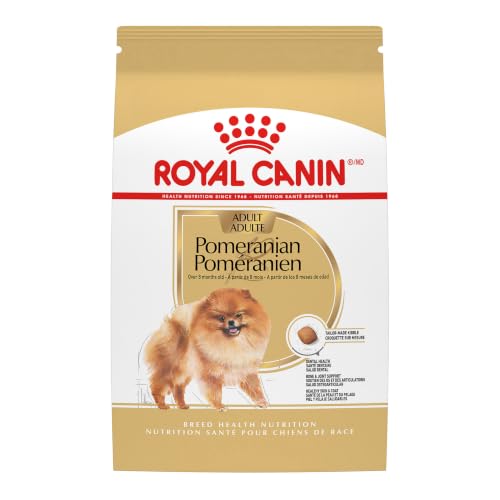
Pomeranians are small dogs with small stomachs but high nutritional needs. Their diet directly affects coat quality, energy levels, dental health, and weight management. A high-quality diet is one of the best investments you can make in your dog's long-term health.
What to Look For in Pomeranian Food
- Named animal protein as the first ingredient (chicken, turkey, fish, beef).
- AAFCO statement confirming complete and balanced nutrition for your dog's life stage.
- Appropriate kibble size for small mouths — large kibble can be difficult to chew.
- Omega fatty acids for skin and coat health — consider fish oil supplements if not included in the food.
- No artificial colors, flavors, or excessive fillers.
Explore our recommendations for best dry dog food and best wet dog food to find options suited to small breeds. If your Pomeranian has sensitivities, consider food for allergies and sensitive skin.
Feeding Guidelines
Adult Pomeranians typically do well on two small meals per day. Puppies need 3–4 meals daily until about 6 months of age. The exact amount depends on your dog's age, weight, activity level, and the calorie density of the food. Always follow the feeding guidelines on the package as a starting point, then adjust based on body condition.
To keep meals interesting and support hydration, some owners add dog food toppers or a spoonful of wet food. Avoid free-feeding, which makes it difficult to monitor intake and can lead to obesity.
Treats and Weight Management
Pomeranians are skilled at convincing their humans to hand out treats. But treats should make up no more than 10% of daily calorie intake. Use small, low-calorie treats for training, and break larger treats into tiny pieces. Hypoallergenic treats are a good option for sensitive dogs.
If your Pomeranian needs to lose weight, reduce portions gradually, measure food accurately, and increase exercise. Our guide on dry dog food to help dogs lose weight can help you choose a suitable formula.
Choosing the Right Pomeranian
Bringing home a Pomeranian is an exciting decision, but it is important to choose responsibly. Puppy mills and backyard breeders often produce dogs with genetic health problems and poor temperaments.
Finding a Reputable Breeder
A responsible Pomeranian breeder will:
- Perform health testing on breeding dogs for genetic conditions.
- Allow you to visit the breeding facility and meet the puppy's parents.
- Provide a contract outlining health guarantees and return policies.
- Ask you questions about your lifestyle and home environment.
- Refuse to sell puppies before they are at least 8 weeks old.
- Show proof of AKC registration and pedigree if applicable.
Be aware of the warning signs covered in our guide to red flags of a bad breeder and the dangers of puppy mills. If you prefer adoption, consider breed-specific rescues or search for Pomeranian mixes that might suit your family.
Puppy or Adult?
Puppies are adorable but demanding — they require constant supervision, training, and socialization. Adult Pomeranians may already be trained and have established temperaments, making them a better fit for some families. If you are considering a puppy, our guide to choosing a puppy from a breeder and puppy visit checklist can help you prepare.
Before bringing your puppy home, review our complete puppy supplies checklist so you have everything you need from day one.
Frequently Asked Questions
Is a Pomeranian Right for You?
The Pomeranian is a delightful breed for owners who can meet their grooming needs, provide consistent training, and handle a small, spirited dog with care. They are not the easiest breed for first-time owners, but with commitment and patience, they reward you with years of loyal, lively companionship. If you are ready to welcome a Pomeranian into your home, start by reviewing our puppy guide and puppy supplies checklist to prepare for their arrival. You can also explore more working dog breeds and small dog breeds that don't shed if you are still researching.