Small Dog Breeds That Don't Shed
Looking for a compact companion that won't leave fur on your couch, clothes, and car seats? Discover the best low-shedding small breeds, what to expect from their coats, and how to choose the right one for your home and lifestyle.
If you love the idea of a small dog but dread the constant battle against fur on your floors and furniture, low-shedding breeds offer an appealing solution. These dogs produce far less loose hair than typical shedding breeds, making them a practical choice for tidy homes, allergy-sensitive households, and anyone who prefers a cleaner living space without sacrificing the companionship of a dog.
However, "doesn't shed" is a relative term. Every dog loses some hair through normal coat turnover — low-shedding breeds simply trap that hair in their coat rather than scattering it around your home. That distinction matters: it means these breeds often demand more grooming, not less. This guide breaks down the best small low-shedding breeds, their personalities, grooming requirements, and the health considerations you should know before bringing one home.
Why Choose a Low-Shedding Small Dog?
Small, low-shedding dogs suit a wide range of lifestyles. They fit comfortably into apartments, require less space for exercise, and are generally easier to manage than larger breeds. When you combine that with a coat that stays put, you get a pet that is both practical and personable.
- Cleaner home environment: Less loose fur means less vacuuming, fewer lint rollers, and cleaner upholstery. For households with light-colored furniture or dark clothing, this is a significant everyday benefit.
- Better for allergy-sensitive households: Low-shedding breeds spread less dander through shed hair, which can reduce allergen exposure. Note that no breed is truly hypoallergenic — learn more in our guide to small dog breeds that don't shed and are hypoallergenic.
- Apartment-friendly size: Small breeds need less indoor space and are easier to exercise in urban environments. See our list of small dogs that don't have separation anxiety if you spend long hours away from home.
- Lower food and supply costs: Smaller dogs eat less and require smaller beds, crates, and accessories, which makes them more economical to care for over their lifetime.
- Long companionship: Many small breeds enjoy long lifespans, giving you more years of companionship. Learn how to support longevity in our guide on how to increase dog lifespan.
Quick Reality Check: Low shedding does not mean zero maintenance. These coats typically need brushing several times per week and professional grooming every few weeks. If you want a low-maintenance coat, a short-haired breed that sheds seasonally may actually require less hands-on work than a curly low-shedding breed.
Understanding Shedding & Allergies
Before comparing breeds, it helps to understand what shedding actually is and why some dogs shed less than others. Shedding is the natural process by which a dog replaces dead hair. Breeds with a single coat or hair-like coat tend to shed continuously in small amounts, while double-coated breeds shed heavily in seasonal bursts.
Low-shedding breeds generally fall into one of two coat categories: hair coats (which grow continuously like human hair and need regular trimming) or single coats with minimal undercoat. These coats retain dead hair rather than releasing it into the environment, which is why they require consistent brushing to prevent matting.
The Allergy Connection
It's a common misconception that fur itself causes allergic reactions. In reality, allergies are triggered by proteins found in a dog's saliva, skin cells (dander), and urine. When a dog sheds, those proteins travel with the hair and dander into the environment. Low-shedding breeds reduce this spread, but they do not eliminate allergens entirely.
If allergies are a primary concern, spend time with the specific breed — and ideally the individual dog — before committing. Reactions vary widely between people and even between dogs of the same breed. Our article on hypoallergenic small breeds explores this topic in more detail.
Key Point: "Non-shedding" is marketing shorthand. No dog is truly non-shedding. Low-shedding breeds shed less visibly, but their coats still cycle hair. The difference is that the hair stays in the coat until you brush or groom it out.
Top Small Breeds That Don't Shed
The following breeds are consistently recognized for producing minimal loose hair. Each has a distinct personality, energy level, and grooming requirement, so use this section to match breed traits to your lifestyle rather than simply choosing the most popular option.
1. Toy & Miniature Poodle
Widely regarded as the gold standard for low shedding. Poodles have a dense, curly single coat that grows continuously and traps dead hair. They are highly intelligent, trainable, and affectionate. Available in Toy (under 10 lbs) and Miniature (10–15 lbs) sizes. Require professional grooming every 4–6 weeks and brushing several times per week.
Premium grooming commitment2. Maltese
A gentle, affectionate toy breed with a silky white coat that sheds minimally. Maltese are calm companions that adapt well to apartment living and get along with children and other pets. Their long coat requires daily brushing, though many owners choose a short "puppy cut" for easier maintenance. Excellent for first-time small-dog owners.
Mid-range grooming commitment3. Yorkshire Terrier
A spirited, confident terrier with a fine, hair-like coat that sheds very little. Yorkies are bold, curious, and surprisingly energetic for their size. Their coat grows continuously and needs regular trimming and brushing. They can be vocal, so early training and socialization are important. A classic choice for those who want personality in a small package.
Mid-range grooming commitment4. Bichon Frise
A cheerful, playful breed with a soft, curly white coat that sheds minimally. Bichons are sociable and affectionate, thriving on human interaction. Their coat requires professional grooming every 4–6 weeks and regular brushing to prevent matting. They are a good fit for families and singles alike.
Premium grooming commitment5. Miniature Schnauzer
A sturdy, spirited terrier with a wiry double coat that sheds very little. Schnauzers are alert, intelligent, and make excellent watchdogs. Their coat requires regular brushing and professional trimming every 6–8 weeks. They are more energetic than many toy breeds and benefit from daily walks and training.
Mid-range grooming commitment6. Shih Tzu
A calm, affectionate breed with a long double coat that sheds minimally. Shih Tzus were bred as companions and love being with their people. Their coat requires daily brushing or a short trim for easier care. They are well-suited to apartment living and relaxed households.
Premium grooming commitment7. Havanese
A cheerful, outgoing toy breed with a soft, silky coat that sheds very little. Havanese are highly sociable and bond closely with their families. They are intelligent and eager to please, making them easy to train. Their coat needs brushing several times per week and regular trimming.
Mid-range grooming commitment8. Chinese Crested (Powderpuff)
The Powderpuff variety has a soft, silky double coat with minimal shedding, while the Hairless variety has hair only on the head, tail, and paws. Both are affectionate, playful companions. The Powderpuff requires regular grooming, while the Hairless needs skin care and sun protection. A distinctive option for allergy-conscious owners.
Specialty care commitmentOther breeds worth considering include the Pomeranian (which sheds seasonally but less than many double-coated breeds), the Miniature Schnauzer, and the Yorkshire Terrier. If you're open to slightly larger companions, Poodles in all sizes share the same low-shedding coat. For a more energetic mix, the Chihuahua-Pomeranian mix can also produce a low-shedding coat depending on the parentage.
Breed Comparison at a Glance
Use this table to compare the most popular low-shedding small breeds side by side. Remember that individual dogs vary, and grooming commitment depends heavily on the coat style you choose.
| Breed | Size | Shedding Level | Grooming Need | Temperament | Good for Apartments |
|---|---|---|---|---|---|
| Toy Poodle | Very small | Very low | High | Intelligent, affectionate | Yes |
| Maltese | Very small | Very low | Moderate–High | Gentle, calm | Yes |
| Yorkshire Terrier | Very small | Low | Moderate–High | Bold, spirited | Yes |
| Bichon Frise | Small | Very low | High | Cheerful, playful | Yes |
| Miniature Schnauzer | Small | Low | Moderate | Alert, energetic | Yes |
| Shih Tzu | Small | Very low | High | Calm, affectionate | Yes |
| Havanese | Small | Very low | Moderate–High | Outgoing, sociable | Yes |
Grooming Needs of Low-Shedding Coats
Low-shedding coats are a trade-off: you avoid fur on your furniture, but you take on more grooming responsibility. Because these coats do not release dead hair naturally, the hair must be removed manually — either by you or a professional groomer. Neglecting grooming leads to matting, skin irritation, and discomfort.
At-Home Grooming Routine
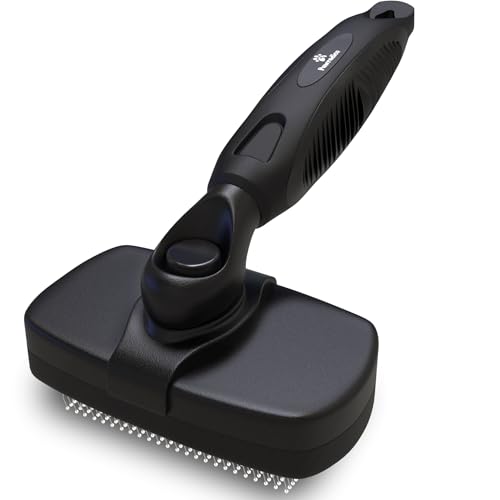
- Brush regularly: Most low-shedding small breeds need brushing 2–4 times per week, with curly coats needing daily attention. Use a slicker brush and metal comb to work through the coat in layers. Our guide to dog brushing and the best dog brushes can help you choose the right tools.
- Bathe every 3–4 weeks: Use a dog-specific shampoo, such as those in our dog shampoo selection. Bathing loosens dead hair and keeps the coat healthy. Over-bathing can dry out the skin, so avoid weekly baths unless your vet recommends otherwise.
- Trim nails every 2–4 weeks: Small breeds often need frequent nail care because they walk on soft surfaces. Our guide to dog nail clippers covers safe trimming techniques.
- Clean ears weekly: Floppy-eared breeds like the Shih Tzu and Maltese are prone to ear infections. Check and clean ears as part of your weekly routine.
- Brush teeth several times per week: Small breeds are especially prone to dental disease. Use dog-specific toothpaste and consider dental chews as a supplement, not a replacement, for brushing.
Professional Grooming
Most low-shedding small breeds need professional grooming every 4–8 weeks. This typically includes a bath, haircut, nail trim, ear cleaning, and sometimes teeth brushing. The frequency depends on the breed and the coat style you prefer — a short "puppy cut" is easier to maintain than a full show coat. Budget for grooming as a recurring expense, and ask your groomer about the specific tools and techniques you can use at home between visits.
Grooming Tip: Start grooming routines when your dog is young. Puppies who are handled and brushed early are far easier to groom as adults. If you're bringing home a new puppy, our guide to introducing a puppy to the family includes tips for establishing calm handling routines.
How to Choose the Right Breed
Choosing a breed based on shedding alone is a mistake. Temperament, energy level, trainability, and health all matter just as much — if not more. A low-shedding dog that doesn't match your lifestyle will be a poor fit regardless of how clean your floors stay.
Questions to Ask Yourself
- How much time can I spend on grooming? Curly and silky coats need daily or near-daily brushing. If that sounds unrealistic, consider a shorter coat or a breed with lower grooming demands.
- How active am I? Some low-shedding small breeds are calm lap dogs, while others are energetic terriers. Match energy levels honestly.
- Do I have children or other pets? Temperament matters. Breeds like the Maltese and Havanese are generally gentle, while terriers may be more assertive.
- Am I prepared for grooming costs? Professional grooming every 4–8 weeks is a significant ongoing expense. Factor it into your budget before committing.
- Am I allergic myself? Spend time with the breed first. No breed is allergen-free, and individual reactions vary.
Lifestyle Match
If you live in a small apartment and work from home, a Poodle or Maltese may be ideal. If you want a lively companion for daily walks and training games, a Miniature Schnauzer or Yorkie offers more energy. For a relaxed household with children, a Shih Tzu or Havanese tends to fit well.
Training is a factor too. All dogs benefit from basic obedience, and low-shedding breeds are no exception. Our guides to puppy training and teaching basic commands will get you started. Avoid common dog training mistakes by focusing on positive reinforcement and consistency.
Health Considerations
Small breeds have unique health risks, and low-shedding breeds are no exception. Understanding these risks helps you plan for veterinary care and make informed decisions about insurance and preventive care.
- Dental disease: Small breeds are especially prone to tartar buildup and periodontal disease. Daily brushing and professional cleanings are essential. Learn more in our guide to dog dental cleaning.
- Patellar luxation: A condition where the kneecap slips out of place, common in toy breeds. Maintaining a healthy weight and avoiding high-impact jumping can reduce risk.
- Tracheal collapse: A weakening of the windpipe that causes a honking cough. Using a harness instead of a collar can reduce pressure on the neck. Our guide to dog harnesses explains the benefits.
- Eye conditions: Breeds like the Shih Tzu and Poodle can be prone to eye problems. Regular eye checks and keeping hair trimmed away from the face help prevent irritation.
- Pancreatitis: Miniature Schnauzers have a higher risk of pancreatitis. A balanced diet and avoiding fatty table scraps reduce the risk.
Regular veterinary checkups, parasite prevention, and weight management are the foundation of good health for any breed. If you're considering insurance, read our analysis of whether pet insurance is worth it to decide if it makes sense for your situation.
Buying & Adoption Tips
Finding a healthy, well-bred puppy requires effort. Reputable breeders prioritize health and temperament and will be transparent about their practices. Avoid anyone who rushes the process or refuses to answer questions.
- Research breed-specific health tests: Reputable breeders test for conditions common to their breed, such as eye exams for Poodles and patellar evaluations for toy breeds. Our guide to genetic testing for dog breeds explains what to look for.
- Ask the right questions: Use our list of questions to ask a dog breeder to evaluate whether a breeder is responsible.
- Visit the breeder: A responsible breeder will welcome a visit and allow you to meet the puppy's parents. Use our puppy visit checklist to ensure you cover the essentials.
- Recognize red flags: Avoid breeders who sell multiple litters without health clearances, refuse home visits, or pressure you to buy immediately. Learn more about red flags of a bad breeder and the dangers of puppy mills.
- Consider adoption: Breed-specific rescues and shelters often have low-shedding small breeds available. If you're open to adoption, you may find the perfect companion without supporting breeding operations you disagree with.
Responsible Breeding Matters: Ethical breeders prioritize the health and temperament of their dogs over profit. They provide health guarantees, keep puppies until they are at least 8 weeks old, and stay available for questions throughout the dog's life. See our guide to ethical breeding practices to understand what responsible breeding looks like.
Frequently Asked Questions
Final Thoughts
Choosing a low-shedding small dog is about balancing coat type with temperament, grooming commitment, and lifestyle. The right breed for you is the one whose personality fits your daily routine and whose coat care you can realistically maintain. Take your time, ask questions, and prioritize health and temperament over appearance. A well-chosen low-shedding companion will reward you with years of companionship and a noticeably cleaner home.