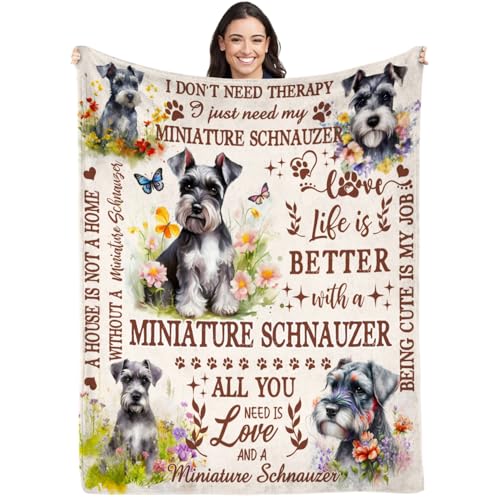
Miniature Schnauzer: The Complete Breed Guide
Everything you need to know about the Miniature Schnauzer — temperament, grooming, health, training, nutrition, and whether this spirited bearded companion fits your lifestyle.
The Miniature Schnauzer is one of the most recognizable small breeds in the world — distinguished by its bushy beard, expressive eyebrows, and confident, almost human-like gaze. Standing roughly 12 to 14 inches tall and weighing around 11 to 20 pounds, this breed packs a surprising amount of personality into a compact frame.
Originally developed in Germany in the late 1800s to hunt rodents on farms, the Miniature Schnauzer combines the tenacity of a terrier with the trainability of a working dog. Today, they are treasured as alert watchdogs and affectionate family companions — a combination that makes them a popular small breed that doesn't shed heavily, though they still require committed grooming.
This guide covers everything you need to make an informed decision — from temperament and care routines to health risks and training strategies — so you understand what life with a Miniature Schnauzer actually looks like.
Breed Overview at a Glance
The breed comes in three recognized colors — salt and pepper, black and silver, and solid black — each with the same wiry double coat and signature facial furnishings. Their double coat is weather-resistant and low-shedding, which makes them a frequent recommendation for households concerned about loose hair, though this does not make them truly hypoallergenic.
Unlike their larger cousins, the Standard and Giant Schnauzers, the Miniature Schnauzer was bred primarily for pest control rather than guarding or drafting. That heritage explains much of their behavior today: quick reflexes, a strong prey drive, a tendency to alert-bark, and an eagerness to work alongside their people.
Temperament & Personality
The Miniature Schnauzer's personality is often described as big-dog confidence in a small-dog body. They are alert, spirited, and deeply loyal to their families — but they also have an independent streak that requires consistent, positive training from an early age.
Strengths
- Affectionate and devoted to family members
- Highly alert — an excellent natural watchdog
- Intelligent and quick to learn new commands
- Low-shedding double coat
- Adaptable to apartments and smaller homes
- Playful and full of personality
Challenges
- Can be vocal — barking is a common complaint
- Strong prey drive toward small animals
- Needs regular professional grooming
- Prone to stubbornness without consistent training
- May be wary of strangers without socialization
- Can develop separation-related distress if left alone too long
The Terrier Spirit
Despite their schnauzer name, Miniature Schnauzers carry terrier ancestry, and it shows. They love to dig, chase, and investigate every corner of the yard. Their prey drive is genuine — squirrels, birds, and even household rodents are fair game in their minds. This instinct can be managed with puzzle toys that redirect mental energy and structured training, but it never disappears entirely.
With Children and Other Pets
Miniature Schnauzers generally do well with children who understand how to interact respectfully with a small dog. Their small size makes them vulnerable to rough handling, so early socialization and gentle introductions are essential. With proper family introductions when bringing a puppy home, they usually bond closely with kids and enjoy active play.
With other dogs, they tend to be sociable when raised together. With small pets — hamsters, rabbits, birds — supervision is critical. The terrier instinct to chase is strong, and a schnauzer that has not been trained around small animals may treat them as prey.
Editorial Tip: The Miniature Schnauzer is an excellent choice for active individuals or families who want an affectionate, interactive companion. It is a less ideal match for households that are away for long hours or that expect a quiet, low-maintenance lap dog.
Grooming & Daily Care
Grooming is the area where most new Miniature Schnauzer owners underestimate the commitment. The breed's wiry double coat does not shed much, but it grows continuously and mats easily if neglected. The beard, leg furnishings, and eyebrows are particularly prone to tangling.
Brushing and Coat Care
Plan on brushing three to four times per week with a slicker brush and a metal comb. Pay special attention to the beard, the feathering on the legs, and the area behind the ears where mats form fastest. A quality dog brush suited to wiry coats makes the job far easier, and regular brushing sessions double as an opportunity to check for skin problems, lumps, or parasites.
Professional Grooming
Most Miniature Schnauzers need a professional trim every six to eight weeks to maintain the classic breed silhouette. The standard trim keeps the beard and furnishings long while clipping the body short. Owners who prefer a simpler routine can ask for a shorter "pet clip" that still preserves the beard and eyebrows. A full set of dog grooming tools for home touch-ups between visits is a worthwhile investment.
Bathing and the Beard
Bathe every three to four weeks using a dog-specific shampoo that matches your schnauzer's coat and skin type. The beard is the breed's most charming feature and also its messiest — wipe it after every meal and dry it thoroughly to prevent odor and skin irritation. A dog towel dedicated to beard duty keeps things sanitary.
Nails, Ears, and Teeth
Trim nails every two to four weeks with proper nail clippers, and check ears weekly — the breed's floppy ears can trap moisture and debris. Dental care matters too: small mouths crowd teeth, so brush regularly with a dog toothbrush and provide dental chews that support oral health between brushings.
Health & Preventive Care
The Miniature Schnauzer is generally a hardy breed, with a typical lifespan of 12 to 15 years. That said, certain conditions appear more frequently in the breed, and knowing them helps you ask the right questions of breeders and veterinarians.
Conditions to Watch For
- Pancreatitis: A serious inflammation of the pancreas often triggered by high-fat foods. Miniature Schnauzers are overrepresented in veterinary data for this condition, so keep fatty treats limited and feed a balanced, portion-controlled diet.
- Bladder stones: The breed is prone to calcium oxalate and struvite stones. Fresh water access and regular veterinary urine screening help catch issues early.
- Hereditary cataracts: Reputable breeders screen breeding dogs for eye conditions. Annual eye checks are worthwhile for older schnauzers.
- Von Willebrand disease: A bleeding disorder that can affect the breed. Screening before breeding is standard among ethical breeders.
- Dental disease: Small mouths mean crowded teeth and rapid tartar buildup. Daily brushing and professional cleanings are essential.
Choosing a puppy from a breeder who performs genetic testing on breeding dogs dramatically reduces the risk of inherited conditions. Our guide on finding a reputable dog breeder walks through the questions to ask and the red flags to avoid.
Preventive Care Essentials:
• Annual wellness exams, with twice-yearly visits after age 7
• Core vaccinations plus parasite prevention tailored to your region
• Regular dental checkups and at-home brushing
• Bloodwork to monitor pancreatic and kidney health as your dog ages
• Consistent weight management — obesity worsens nearly every breed-specific risk
Weight and Lifespan
Keeping your Miniature Schnauzer lean is one of the most effective ways to extend their life. Overweight dogs face higher risks of pancreatitis, joint stress, and diabetes. If you're wondering how the breed's lifespan compares to others, our guide on increasing your dog's lifespan covers the evidence-based strategies that matter most.
For households considering financial protection against unexpected veterinary costs, our analysis of whether pet insurance is worth it covers how breed-specific risks factor into plan selection.
Training & Socialization
Miniature Schnauzers are intelligent, food-motivated, and capable of learning quickly — but they can also be willful. The key is early, consistent training built on positive reinforcement rather than punishment.
Start Early and Stay Consistent
Begin basic training as soon as your puppy comes home. Short sessions of five to ten minutes, several times a day, produce better results than one long session. Our step-by-step guide to teaching basic commands covers the foundational cues every puppy should learn: sit, stay, come, leave it, and loose-leash walking.
Because schnauzers are naturally vocal, barking is a common training focus. The most effective approach rewards quiet behavior and redirects attention rather than yelling — which tends to reinforce barking. Our guide on common dog training mistakes explains why consistency across all family members is essential, and when professional help is worth considering, our overview of how to choose a dog trainer offers practical guidance.
Socialization During the Critical Window
Between roughly 3 and 14 weeks of age, puppies are most receptive to new experiences. Positive exposure to different people, sounds, surfaces, and well-vaccinated dogs during this window reduces the chance of fear-based problems later. Our article on the critical puppy socialization period explains how to do this safely before vaccinations are complete.
Some schnauzers develop anxiety around strangers or when left alone. If your dog shows persistent distress, structured behavior modification techniques and calming tools such as anxiety wraps can help. When problems go beyond normal training, learning when to seek a behaviorist is a responsible next step.
Mental Enrichment
A bored schnauzer is a barking, digging, or chewing schnauzer. Interactive enrichment is not optional for this breed — it's part of their behavioral health. A puzzle toy filled with treats, a lick mat smeared with dog-safe spread, or a short daily training session provides the mental work this breed craves.
Nutrition & Feeding
Feeding a Miniature Schnauzer well comes down to three priorities: appropriate portion control, moderate fat content, and a nutritionally complete formula suited to life stage. Because the breed is prone to pancreatitis, high-fat foods and rich table scraps are best avoided.
Choosing a Food
Look for a formula that meets AAFCO nutritional standards, lists a named animal protein as the first ingredient, and matches your dog's life stage. A quality dry dog food is the most practical base diet for most schnauzers, and many owners add a wet dog food or food topper to increase palatability and hydration. If your dog has sensitivities, our guide to food for allergies and sensitive skin covers how to evaluate limited-ingredient options.
Owners of small seniors should also review breed-appropriate feeding advice — our article on wet food for small senior dogs with sensitive stomachs addresses the changing needs of older schnauzers. Fresh water should be available at all times, ideally in a dog bowl placed away from food to encourage drinking.
Portion Control and Treats
Miniature Schnauzers are skilled beggars, and their compact size means extra treats add up fast. Measure meals rather than free-feeding, use part of the daily ration for training rewards, and keep high-fat treats occasional. A dog food container that keeps kibble fresh makes portioning easier and prevents stale food from being refused.
Pancreatitis Warning: Fatty foods — including butter, bacon, cheese, and rich holiday scraps — are a leading trigger of pancreatitis in this breed. If your schnauzer develops vomiting, abdominal pain, or loss of appetite after a fatty meal, contact your veterinarian promptly.
Exercise & Mental Stimulation
Despite their small size, Miniature Schnauzers are not lap ornaments. They need daily activity to stay fit and balanced — roughly 30 to 60 minutes per day, which can be split between walks and play. Two moderate walks plus indoor games usually meet their physical needs.
Physical exercise is only half the equation. This breed was developed to work, and their minds need work too. Short training sessions, scent games, and puzzle feeders are essential. For owners who want a structured outlet, agility training suits the breed's agility and eagerness to learn.
In warm weather, walk during cooler hours and protect paws on hot pavement with paw protection products. For dogs with joint concerns, especially seniors, our guide on supporting dogs with arthritis covers low-impact exercise and comfort strategies.
Is the Miniature Schnauzer Right for You?
The Miniature Schnauzer fits best with owners who want an interactive companion and are prepared to invest in grooming and training. They thrive in apartments and smaller homes as long as daily walks and enrichment are provided. They are not a good match for households that are away all day, expect silence, or dislike regular grooming appointments.
Quick Decision Checklist
- You want an affectionate watchdog. The breed's alertness makes it a natural alarm, and its loyalty runs deep.
- You're comfortable with grooming costs and time. Professional trims every six to eight weeks are a lifelong commitment.
- You'll train consistently and positively. Early socialization and reward-based training prevent most behavior problems.
- You can manage barking and prey drive. Neither disappears, but both are manageable with structure and enrichment.
- You'll prioritize preventive care. Pancreatitis and bladder stones are manageable but best avoided with diet and monitoring.
If you're ready to bring one home, start with our guides on choosing a puppy from a breeder and the puppy visit checklist, and use our complete dog care guide as your ongoing reference.
Frequently Asked Questions
The Bottom Line
The Miniature Schnauzer is an outstanding companion for owners who want a smart, affectionate, watchful small dog and are prepared for regular grooming and consistent training. Commit to early socialization, portion-controlled nutrition, and preventive veterinary care, and you'll have a loyal family member for well over a decade. If you're still comparing breeds, explore our small non-shedding breed guide or revisit the complete dog care guide for the fundamentals that apply to every dog.