Yorkshire Terrier Dog Breed Guide
Everything you need to know about the Yorkshire Terrier — from their bold terrier personality and silky coat to health, grooming, training, and whether this tiny companion is right for your home.
The Yorkshire Terrier — affectionately known as the Yorkie — is one of the most recognizable and beloved toy breeds in the world. Despite weighing only a few pounds, this tiny terrier carries the heart of a much larger dog. Bold, curious, and fiercely loyal, Yorkies were originally bred to hunt rats in the mills of northern England. Today they are pampered companions who thrive on human attention and bring outsized personality to any household.
But owning a Yorkshire Terrier is not simply about carrying a cute dog in a handbag. These dogs have specific grooming, training, and health needs that set them apart from other toy breeds. This guide covers everything you need to make an informed decision — and to give a Yorkie the best life possible if you already share your home with one.
Breed Overview at a Glance
Before diving into the details, here is a quick snapshot of the Yorkshire Terrier's key characteristics. These figures represent the breed standard and typical ranges — individual dogs vary.
Quick Take: The Yorkshire Terrier is an affectionate, vocal, and confident toy breed that suits attentive owners who can commit to regular grooming and patient training. They are best for adults and families with older children — not for households with very young kids or large, boisterous dogs.
History & Origins
The Yorkshire Terrier was developed in the 19th century in Yorkshire, England, during the Industrial Revolution. Scottish weavers moved to the region and brought several small terrier breeds with them — including the Clydesdale, Paisley, and Skye terriers. These working dogs were bred to catch rats in the clothing mills and coal mines, a job that required courage, agility, and tenacity.
Over time, breeders crossed these terriers with other small breeds, possibly including the Maltese and the now-extinct Waterside Terrier, to produce a smaller, more refined dog with a longer coat. By the late 1800s, the breed was recognized by the Kennel Club of England as the Yorkshire Terrier. The American Kennel Club followed in 1885.
What began as a working-class ratter quickly became a fashionable companion. By the early 20th century, Yorkies were popular among Victorian ladies. Their popularity has never faded — the breed consistently ranks among the most popular toy breeds worldwide. Despite their glamorous modern image, the Yorkshire Terrier retains the bold, alert, and feisty spirit of its working terrier ancestors.
Temperament & Personality
Do not let the bows and long coat fool you — the Yorkshire Terrier is a true terrier at heart. They are confident, curious, and often bossy. They form incredibly strong bonds with their chosen person and can become possessive and protective of them. This affection is one of the breed's most endearing traits, but it also means Yorkies need clear boundaries and consistent training from an early age.
Key Personality Traits
- Affectionate and devoted: Yorkies love being close to their people and often follow their owner from room to room. They are lap dogs when they want to be, but also playful and active.
- Bold and fearless: Their terrier heritage makes them brave — sometimes to a fault. A Yorkie will happily challenge a dog ten times its size if given the chance. Early socialization helps moderate this tendency.
- Vocal: Yorkies alert to every sound and stranger. Their sharp bark is an effective deterrent, but it can become excessive without training.
- Intelligent and independent: They learn quickly but are not blindly obedient. A Yorkie wants to know what is in it for them. Positive reinforcement works best.
- Playful: Despite their size, Yorkies enjoy games, toys, and short bursts of activity. They especially enjoy interactive play with their owners.
- Possessive: They can be protective of their favorite person, their food, and their toys. Resource guarding needs to be addressed early.
Socialization Tip: Because Yorkies are naturally suspicious of strangers and can become overprotective, expose them to new people, places, sounds, and gentle handling from a young age. Positive socialization during puppyhood shapes a confident, well-adjusted adult dog.
Size, Appearance & Coat
The Yorkshire Terrier is one of the smallest dog breeds. According to the AKC breed standard, adults should weigh no more than 7 pounds. Toy-sized Yorkies under 4 pounds do exist but are often the result of breeding for size rather than health and may face additional health risks.
Coat and Coloring
The Yorkie's most distinctive feature is its long, silky, fine hair. Unlike most breeds, Yorkies have hair that grows continuously, similar to human hair. The breed standard calls for a coat that is glossy, perfectly straight, and parted from the back of the skull down to the tail.
Puppies are born black and tan. As they mature, the black typically clears to a steel-blue or silvery-blue on the body, while the head, chest, and legs remain rich tan. Many pet Yorkies retain some darker coloration throughout life. The coat requires significant care, which we cover in the grooming section.
What About Teacup Yorkies?
The term "teacup Yorkie" is a marketing label, not an official breed classification. These dogs are simply Yorkshire Terriers bred to be unusually small. They are at higher risk for hypoglycemia, fragile bones, and organ problems. Reputable breeders focus on health rather than extreme miniaturization. If you are choosing a Yorkie breeder, prioritize health testing over size.
Grooming Requirements
Grooming is the most demanding aspect of Yorkshire Terrier ownership. The Yorkie's silky hair grows constantly and mats easily. Owners have two main choices: maintain the long show coat or choose a short "puppy cut."
Long Coat (Show Style)
If you keep the floor-length coat, expect to:
- Brush daily, sometimes twice daily, to prevent tangles
- Bathe weekly with a quality dog shampoo and conditioner
- Use detangling spray and a wide-tooth comb
- Visit a professional groomer every 3–4 weeks
- Keep hair wrapped or trimmed in a topknot to protect the eyes
This level of care is time-consuming and requires commitment. Most pet owners choose a shorter style.
Short Coat (Puppy Cut)
A clipped-down coat is far more practical:
- Brush 3–4 times weekly to remove tangles and distribute oils
- Bathe every 2–3 weeks with a gentle dog shampoo
- Professional trim every 6–8 weeks
- Check ears weekly and clean as needed
- Trim nails every 2–4 weeks
Even with a short coat, routine grooming keeps the skin healthy and prevents matting in friction areas.
Essential Grooming Tools for Yorkies
The right tools make grooming easier for both of you. A quality slicker brush, a metal comb, and a detangling spray are the basics. For bathing, use a gentle dog shampoo formulated for fine hair. A complete grooming kit often includes clippers, scissors, and nail trimmers. If you prefer professional help, budget for regular grooming appointments.
Dental Care Matters: Small breeds are prone to dental disease due to crowded teeth. Brush your Yorkie's teeth several times per week with a dog toothbrush and dog-safe toothpaste. Dental chews and professional cleanings as recommended by your vet are also important.
Exercise & Activity Needs
Despite their tiny size, Yorkshire Terriers are energetic little dogs. They need about 30 to 45 minutes of daily activity. This can be split into two short walks of 15–20 minutes each, plus indoor play. Yorkies enjoy fetching small toys, chasing laser pointers (used carefully), and interactive puzzle games.
Because they are so small, Yorkies can get plenty of exercise indoors. A game of fetch down the hallway or a few minutes of tug can tire them out. However, outdoor walks provide mental stimulation through sniffing and exploring — essential for a terrier's brain.
Exercise Safety for Tiny Dogs
- Avoid overexertion: Yorkies tire quickly. Watch for panting, lagging behind, or reluctance to walk — these are signs it's time to carry them.
- Protect fragile joints: Avoid high-impact jumping from furniture. Use a pet ramp or steps to help them get on and off couches and beds safely.
- Weather awareness: Little bodies lose heat fast. In cold weather, a dog coat or sweater keeps them comfortable. In summer, avoid hot pavement that can burn paws.
- Secure carriers: If you take your Yorkie on errands, use a proper carrier or car seat rather than letting them ride loose.
Mental exercise is equally important. Puzzle toys and short training sessions tire a Yorkie's busy mind and reduce barking and destructive behavior.
Training & Socialization
Yorkshire Terriers are intelligent, but they are also independent and easily bored. Training a Yorkie requires patience, consistency, and a sense of humor. They respond best to positive reinforcement — treats, praise, and play. Harsh corrections cause them to shut down or become defensive.
Key Training Priorities
- Potty training: Yorkies have tiny bladders and can be stubborn about house training. Take them out frequently, reward immediately after successful potty trips, and supervise indoors. Crate training helps establish a routine. Many apartment dwellers also use indoor potty pads.
- Recall: A reliable recall is a safety essential. Practice in enclosed spaces first, always reward generously when they come, and never punish a dog that returns to you.
- Barking control: Yorkies are naturally vocal. Teach a "quiet" cue by rewarding moments of silence. Manage triggers where possible and provide enough mental stimulation to reduce alert-barking.
- Leash manners: Small dogs often pull and lunge. Use a lightweight harness rather than a collar to protect the delicate throat — Yorkshire Terriers are prone to tracheal collapse. Training with positive reinforcement makes walks pleasant.
- Leave it: Yorkies investigate everything with their mouths. Teaching a strong "leave it" command prevents them from picking up dangerous items during walks and at home.
Socialization from puppyhood is critical. Yorkies can become fearful or reactive toward strangers, other dogs, and unusual situations if not exposed positively when young. Enroll in a puppy class and arrange gentle, controlled introductions.
Health Concerns & Lifespan
Yorkshire Terriers are generally robust for their size, and their average lifespan of 13 to 16 years is among the longest in the dog world. However, they are prone to several breed-specific conditions that prospective owners should know about.
Common Health Issues
- Tracheal collapse: A weakening of the windpipe cartilage causes a characteristic "goose honk" cough. Using a harness instead of a collar and maintaining a healthy weight reduces strain.
- Patellar luxation: Slipping kneecaps are common in small breeds. Severe cases require surgery. Keeping your Yorkie lean reduces stress on the joints.
- Dental disease: Small mouths mean crowded teeth and rapid tartar buildup. Regular brushing and professional cleanings are essential to prevent pain and tooth loss.
- Portosystemic shunt: A liver abnormality that can cause neurological and gastrointestinal signs. Reputable breeders screen for this condition.
- Hypoglycemia: Especially in very small puppies, low blood sugar can cause weakness and seizures. Frequent small meals help prevent it.
- Legg-Calve-Perthes disease: A hip condition affecting the blood supply to the femoral head, causing lameness. Surgery is often needed.
- Progressive retinal atrophy and other eye conditions: Regular eye exams can catch problems early.
Choosing a Healthy Puppy: Work with a reputable breeder who performs health testing on breeding dogs. Ask about health guarantees and see the parents if possible. Avoid puppies from puppy mills or backyard breeders — their dogs are at higher risk for genetic and behavioral problems. Our questions to ask a breeder guide will help you vet responsibly.
Regular veterinary wellness visits are the foundation of long-term health. Annual exams for adults and twice-yearly checkups for seniors help catch problems early. Keep up with vaccinations, parasite prevention, and professional dental cleanings as recommended by your vet.
Nutrition & Feeding
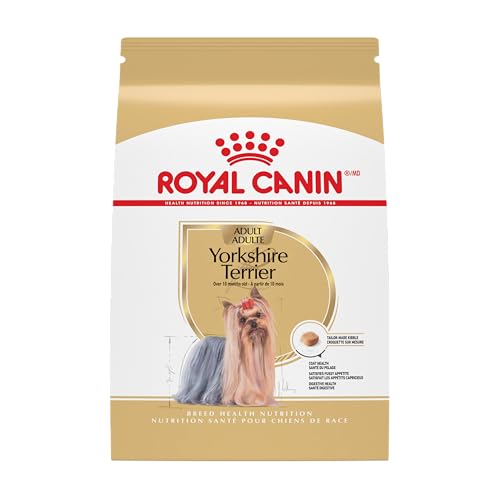
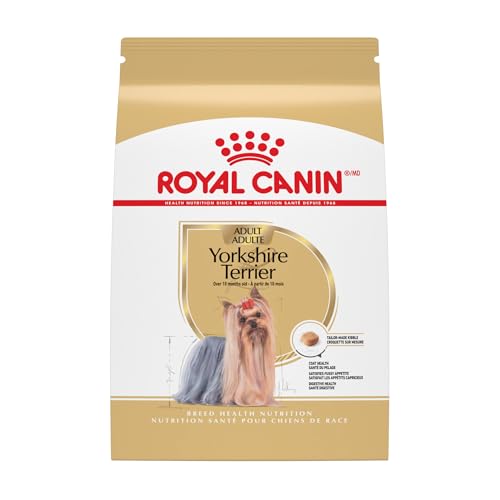
Yorkshire Terriers have high metabolisms relative to their size. They burn energy quickly and can become hypoglycemic if they go too long without food. Puppies need three or four small meals daily; adults do well on two meals per day. Free-feeding is generally not recommended, as it makes weight monitoring difficult.
What to Look for in Yorkie Food
- High-quality animal protein first: Look for named meats like chicken, turkey, or fish as the first ingredient.
- Appropriate kibble size: Small breeds need small kibble or a diet designed for toy breeds to prevent choking and make chewing easy.
- Balanced nutrition: Choose a food that meets AAFCO standards for complete and balanced nutrition.
- Portion control: Yorkies are prone to obesity if overfed. Measure meals and adjust based on body condition, not just the bag recommendation.
- Dental-friendly options: Some small-breed kibbles are designed to help reduce tartar.
For breed-specific feeding advice, see our guide to high-quality puppy food for puppies, and consider a limited-ingredient formula if your Yorkie has food sensitivities. Some owners also explore homemade recipes for small dogs — but always consult your vet before switching to a homemade diet to ensure it is nutritionally complete.
Treats and Weight: Tiny dogs gain weight from tiny treats. Break treats into small pieces and account for them in your Yorkie's daily calorie intake. Obesity exacerbates joint issues and breathing problems in this breed.
Pros & Cons of Yorkshire Terrier Ownership
Every breed has strengths and challenges. Here is a balanced look at what life with a Yorkshire Terrier is really like.
Pros
- Affectionate and deeply bonded with their people
- Small size suits apartments and smaller homes
- Very low shedding — good for many allergy sufferers
- Long lifespan compared to larger breeds
- Intelligent and capable of learning many commands
- Playful and entertaining personality
- Portable and easy to travel with
Cons
- High grooming requirements and cost
- Prone to excessive barking without training
- Fragile — not ideal for very young children
- Can be stubborn and challenging to potty train
- Susceptible to dental problems and tracheal collapse
- Can be possessive and overprotective of their owner
- Needs consistent, patient training to prevent behavior issues
If you are willing to commit to grooming, training, and careful handling, a Yorkshire Terrier can be an incredibly rewarding companion. If you prefer a low-maintenance dog or have very young children, another breed may be a better fit.
Frequently Asked Questions
Is a Yorkshire Terrier Right for You?
The Yorkshire Terrier is a vibrant, loving, and entertaining companion that suits owners willing to invest time in grooming, training, and gentle handling. They are not low-maintenance dogs, but the rewards — a loyal, spirited friend with a big personality in a tiny package — are enormous. If you are ready for the commitment, a Yorkie will repay you with years of affection and laughter. Before bringing one home, visit our dog breed quiz to confirm your lifestyle fits the breed, and review our puppy visit checklist when choosing your new companion.