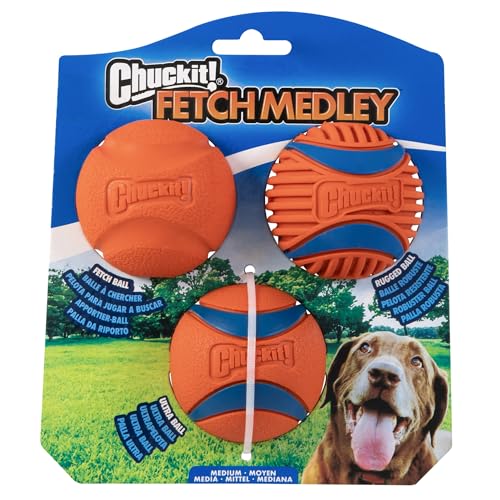
Best Dog Fetch Toys: A Complete Buyer's Guide
Everything you need to know about choosing safe, durable, and engaging fetch toys for your dog — from ball launchers and flying discs to durable rubber balls and interactive fetch games.
Fetch is one of the most natural and rewarding games you can play with your dog. It taps into their prey drive, gives them vigorous exercise, and strengthens the bond between you. But not all fetch toys are created equal — and choosing the wrong one can lead to injuries, choking hazards, or a frustrated dog who loses interest quickly.
Whether you have a ball-obsessed Labrador, a disc-crazy Border Collie, or a small dog who loves a gentle game of indoor fetch, this guide will help you understand what makes a great fetch toy and how to choose the best option for your dog's size, play style, and chewing habits.
Why the Right Fetch Toy Matters
Fetch is more than just fun — it's essential exercise for many dogs. A good game of fetch provides cardiovascular exercise, mental stimulation, and an outlet for natural instincts. But the toy you use makes a huge difference in how safe and effective that play session is.
The wrong toy can cause dental damage, mouth injuries, choking incidents, or gastrointestinal blockages if pieces are swallowed. The right toy encourages healthy play, protects your dog's teeth and joints, and keeps them engaged for years. If your dog enjoys other types of play too, consider exploring interactive dog toys and puzzle toys for dogs to provide variety and mental enrichment.
Did You Know? A vigorous game of fetch can burn more calories than a walk of the same duration. For high-energy breeds, fetch is one of the most efficient ways to meet daily exercise needs — especially when you also incorporate dog puzzle toys for mental stimulation.
Physical and Mental Benefits of Fetch
- Cardiovascular exercise: Sprinting after a toy strengthens the heart and lungs, improves endurance, and helps maintain a healthy weight.
- Mental stimulation: Tracking a flying toy requires focus, prediction, and coordination — it's a workout for the brain as well as the body.
- Instinct satisfaction: Chasing and retrieving taps into natural predatory sequences, giving dogs a healthy outlet for their instincts.
- Bonding opportunity: Fetch is a cooperative game. Your dog learns to work with you, and you both share the joy of play.
- Training foundation: Fetch can be used to reinforce commands like "drop it," "wait," and "come" — making it a powerful training tool.
Types of Fetch Toys
Fetch toys come in many shapes and materials, each with its own advantages and ideal use cases. Understanding the differences helps you choose the right toy for your dog's preferences and play style.
Rubber Balls
The classic choice for fetch. Durable rubber balls bounce unpredictably, making play exciting. Look for solid rubber balls sized appropriately for your dog. Best for dogs who love chasing bouncing targets.
Mid-range to premiumFlying Discs
Perfect for dogs who love tracking airborne toys. Soft, flexible discs are safer for catching than hard plastic. Great for high-energy dogs and open spaces. Many discs float, making them ideal for water play.
Mid-range to high-endBall Launchers
Ergonomic tools that let you throw farther with less effort. Ideal for owners with arm fatigue or dogs who need long-distance exercise. Many launchers come with compatible balls included.
Affordable to mid-pricedTug-and-Fetch Combos
Toys that serve double duty — sturdy enough for tug-of-war but aerodynamic enough for fetch. Great for dogs who love both games. Look for reinforced handles and durable stitching.
Mid-rangeFloating Fetch Toys
Designed for water-loving dogs. These toys float, making them perfect for pool, lake, or beach play. Often made from foam or hollow rubber. Ensure they're bright-colored for visibility in water.
Mid-tier to top-tierInteractive Fetch Toys
Battery-powered or motion-activated toys that move on their own, encouraging dogs to chase and fetch even when you're busy. Great for independent play and indoor exercise.
Premium to luxuryFor dogs who enjoy variety, rotating between different types of fetch toys keeps play fresh and prevents boredom. You might also consider pairing fetch sessions with other engaging dog toys to create a well-rounded play routine.
Materials & Durability
The material of a fetch toy determines its safety, longevity, and suitability for your dog's chewing style. Here's what to look for — and what to avoid.
Best Materials for Fetch Toys
- Natural rubber: Durable, non-toxic, and has a satisfying bounce. Natural rubber toys are gentle on teeth and hold up well to moderate chewers. This is the gold standard for fetch balls.
- Thermoplastic Rubber (TPR): A synthetic rubber that's tough but flexible. Often used for chew-resistant fetch toys. Non-toxic and dishwasher-safe in many cases.
- Silicone: Soft, flexible, and gentle on teeth. Silicone fetch toys are ideal for senior dogs or dogs with dental issues. Less durable for aggressive chewers.
- Foam: Lightweight and floatable. Good for water fetch and indoor play. Not suitable for heavy chewers who might tear pieces off.
- Fabric-reinforced rubber: Combines the bounce of rubber with the durability of fabric. Good for tug-and-fetch combos.
Materials to Avoid
- Hard plastic: Can crack and create sharp edges. Also uncomfortable for dogs to carry and catch.
- Standard tennis balls: The fuzzy exterior acts like sandpaper on teeth. The rubber core can separate and become a choking hazard.
- Cheap foam: Tears easily into small pieces that can be swallowed, causing intestinal blockages.
- Painted or dyed toys: Low-quality paints and dyes may contain toxins. Look for toys with colorfast, non-toxic coloring.
Durability Tip: For aggressive chewers, look for fetch toys labeled "chew-resistant" or "power chewer." These are made from thicker rubber and reinforced construction. For gentle players, softer materials are safer and more comfortable. If your dog destroys fetch toys quickly, consider treat-dispensing dog toys for aggressive chewers as an alternative outlet.
Choosing the Right Size Fetch Toy
Size is one of the most important factors in fetch toy safety. A toy that's too small can be swallowed or become lodged in the throat. A toy that's too large is uncomfortable for your dog to carry and may discourage play.
| Dog Size | Weight Range | Recommended Toy Diameter | Best Toy Types |
|---|---|---|---|
| Toy / Small | Under 15 lbs | 2–3 inches | Small rubber balls, soft discs, lightweight foam toys |
| Medium | 15–40 lbs | 3–4 inches | Standard rubber balls, medium discs, ball launchers |
| Large | 40–80 lbs | 4–5 inches | Large rubber balls, heavy-duty discs, tug-fetch combos |
| Giant | Over 80 lbs | 5+ inches | Extra-large balls, reinforced discs, large floating toys |
The Golden Rule: The toy should be slightly larger than your dog's closed mouth. If you can fit the entire toy into your dog's mouth without resistance, it's too small and poses a choking risk.
For small breeds, toys sized for their mouths are essential. Explore our guide to little terrier dog breeds to understand size considerations across small dog types. Similarly, teething chew toys for puppies should be sized appropriately for a puppy's smaller mouth.
Safety Considerations for Fetch Play
Fetch is generally safe when done thoughtfully, but there are risks to be aware of. Following these guidelines keeps playtime fun and injury-free.
Preventing Common Fetch Injuries
- Avoid hard surfaces: Fetch on grass, dirt, or sand rather than concrete or asphalt. Repeated jumping and landing on hard surfaces stresses joints and can cause injury — especially in growing puppies and senior dogs.
- Limit jump height: Throwing toys too high encourages dogs to jump vertically, which can damage growing joints and cause soft tissue injuries. Keep throws low and horizontal for most dogs.
- Watch for overheating: Fetch is intense exercise. In hot weather, limit sessions to 10–15 minutes and provide shade and water. Brachycephalic breeds (flat-faced dogs like Bulldogs and Pugs) are especially vulnerable to heat stress.
- Inspect toys before every session: Check for cracks, tears, or loose pieces. A damaged toy can break apart during play and become a choking hazard.
- Avoid throwing toward your dog: Toss the toy away from your dog, not at them. Throwing at a dog's face can cause eye injuries or dental damage.
- Teach "drop it" first: Before starting fetch, teach your dog to release the toy on command. This prevents tug-of-war over the toy and reduces the risk of accidental bites. Our guide to teaching your dog leave it is a helpful foundation.
- Supervise water fetch: If playing fetch in water, ensure your dog is a confident swimmer and that the toy floats. Avoid strong currents or deep water.
Warning: Never use sticks as fetch toys. Sticks can splinter and cause severe puncture wounds to the mouth, throat, or esophagus. They can also become lodged in the ground and cause impalement injuries. Always use purpose-made fetch toys.
Using Fetch Toys for Training
Fetch isn't just exercise — it's a powerful training tool. A fetch toy can serve as a high-value reward, a focus aid, and a way to reinforce impulse control.
Fetch as a Reward
For ball-obsessed dogs, a thrown ball is often more rewarding than a treat. Use this to your advantage:
- Ask for a "sit" before throwing the ball.
- Require a "wait" before you release the toy.
- Use the ball as a reward for coming when called.
- Practice "drop it" by trading the ball for another toy.
Teaching Impulse Control
Fetch games naturally teach self-control when structured properly. The "wait" command before chasing a thrown toy is an excellent impulse control exercise. Start with short waits and gradually increase duration.
Training Tip: If your dog is too fixated on the ball to listen, you may need to reduce fetch frequency temporarily and build focus with other training. Excessive ball obsession can make obedience difficult. Balance fetch with puzzle toys and other enrichment activities.
For dogs who struggle with excitement during fetch, calming products for dogs and behavior modification techniques can help create a more balanced play routine.
Fetch also provides an excellent outlet for dogs who might otherwise engage in problem behaviors. A tired dog is less likely to chew furniture, dig, or bark excessively. If your dog struggles with these issues, explore dog toys that provide alternative outlets and training techniques to stop jumping on people.
Cleaning & Maintenance
Fetch toys get dirty, slobbery, and covered in bacteria. Regular cleaning keeps them hygienic and extends their lifespan.
- Rinse after outdoor play: After fetching in mud or dirt, rinse rubber and silicone toys with warm water to remove grit that can damage teeth.
- Wash weekly: Most rubber, silicone, and TPR toys are dishwasher-safe (top rack, no heat dry). For toys that aren't dishwasher-safe, wash with warm water and mild soap.
- Disinfect periodically: Soak toys in a diluted vinegar solution (1 part white vinegar to 4 parts water) for 10 minutes, then rinse thoroughly. Avoid harsh chemicals.
- Dry completely: Moisture trapped inside hollow toys can breed mold and bacteria. Shake out excess water and air-dry completely before storage.
- Inspect for damage: Check toys after every wash for cracks, tears, or weakened areas. Discard any toy that shows signs of failure.
- Replace regularly: Even durable toys wear out. A fetch ball that has lost its bounce or developed surface cracks is no longer safe.
For water-loving dogs, consider a dog towel to dry your dog after wet fetch sessions and a dog bath routine to keep their coat clean. If your dog fetches in the pool, a dog pool provides a safe, controlled environment for aquatic play.
Frequently Asked Questions
The Bottom Line
The best fetch toy for your dog is one that matches their size, play style, and chewing habits. Start with a durable rubber ball or soft flying disc sized appropriately for your dog, and always supervise play. Inspect toys regularly and replace them when damaged. A good game of fetch provides excellent exercise, mental stimulation, and bonding time — and with the right toy, it's safe and enjoyable for both of you. Explore our recommendations for dog fetch toys below to find the perfect option for your furry friend.