The Complete Dog Toy Guide
Choose the right toys for play, enrichment, chewing, and training. Learn how to match toys to your dog's size, energy level, and chewing style — and how to keep every toy safe.
Dog toys are not just entertainment — they are essential tools for your dog's physical and mental health. The right toy can redirect destructive chewing, ease separation anxiety, support socialization, and make training more effective. The wrong toy, however, can be a choking hazard or encourage dangerous chewing habits.
If you are shopping for a new puppy, start with our teething chew toys guide before browsing the broader categories below. If you already know your dog's chewing style, jump straight to the chewer type section or compare options in the toy type breakdown.
Why Toys Matter for Dogs
Toys serve five core functions in a dog's daily life. Understanding them helps you choose wisely instead of buying random items that end up ignored in a basket.
- Mental stimulation: Interactive and puzzle toys mimic the problem-solving dogs would do in the wild. Fifteen minutes of mental work can tire a dog as much as a longer walk, and it reduces boredom-driven behaviors.
- Physical exercise: Fetch and tug toys encourage running, jumping, and pulling. These are ideal for high-energy breeds and for rainy days when walks are shorter.
- Chewing outlet: Chewing is a natural, calming behavior. Appropriate chew toys protect furniture and shoes, support dental health, and reduce stress.
- Training and rewards: Toys can be stronger motivators than treats for play-driven dogs. Tug toys, balls, and fetch toys make excellent rewards during behavior modification.
- Comfort and anxiety relief: A familiar plush or a food-stuffed toy provides comfort during crate time, car rides, and transitions. See our tips for calmer greetings and settling for related routines.
Quick rule of thumb: A well-rounded toy collection covers at least four categories — a chew toy, a puzzle toy, a fetch or tug toy, and a comfort toy. Rotate them every few days so each one stays exciting.
Types of Dog Toys Explained
Below are the main toy categories, what they are best for, and what to look for when choosing one. Tier labels describe relative market positioning rather than any specific amount — a mid-tier toy typically offers better materials and durability than an entry-level one, while top-tier options focus on premium materials and design.
Chew Toys
Designed for gnawing and dental health. Natural rubber, nylon, and heavy-duty TPR are the most durable materials. Match the firmness to your dog's chewing strength and always size up rather than down.
Entry-level to premium tiers
Puzzle & Interactive Toys
Hide treats behind flaps, in compartments, or under sliding pieces. These toys build problem-solving skills and slow down fast eaters. Start with a single-step puzzle and increase difficulty as your dog improves.
Mid-range to premium tiers
Fetch & Ball Toys
Balls, flying discs, and launcher-compatible toys for chasing and retrieving. Choose a size too large to swallow and a material that suits your dog's bite. Tennis balls are fine for gentle play but wear down enamel over time.
Budget-friendly to mid-range tiers
Tug Toys
Rope, fleece, and rubber tug toys build cooperative play and reinforce training. Tug should be structured with a start and stop cue, especially for puppies. Avoid tug with dogs who guard objects or have neck or dental issues.
Entry-level to premium tiers
Plush & Comfort Toys
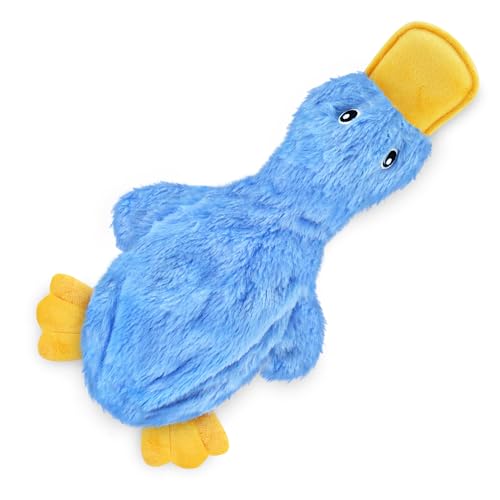
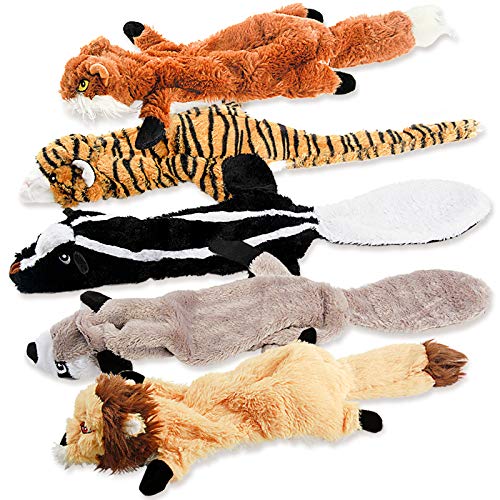
Soft toys with or without squeakers provide comfort and gentle play. Best for calm dogs and puppies. Remove loose squeakers and stuffing immediately, and never leave a plush toy with a heavy chewer unsupervised.
Entry-level to mid-range tiers
Food-Dispensing Toys
Treat balls, slow feeders, and stuffable toys turn meals into enrichment. Excellent for fast eaters, crate training, and alone-time. Freeze stuffed toys for longer-lasting challenges in warm weather.
Mid-range to premium tiers
Water & Outdoor Toys
Floating fetch toys, water bumpers, and durable outdoor balls for swimming and active play. Rinse after use and check for wear. See our cooling mattress guide for hot-weather comfort after play sessions.
Mid-range to premium tiers
Specialty & Enrichment Toys
Snuffle mats, lick mats, and chew-resistant enrichment tools encourage natural foraging and licking behaviors. These are especially helpful for anxious dogs and for calming routines.
Entry-level to premium tiers
Choosing Toys by Chewer Type
Knowing your dog's chewing style is the single most important factor in choosing a safe toy. A toy that lasts months with a gentle dog can be destroyed in minutes by a power chewer.
| Chewer Type | Typical Behavior | Recommended Toys | Avoid |
|---|---|---|---|
| Gentle chewer | Nibbles softly, keeps toys intact for long periods | Plush toys, soft rubber, rope toys, comfort toys | Overly hard nylon (unnecessary discomfort) |
| Moderate chewer | Enjoys chewing daily, occasionally damages soft toys | Natural rubber, mid-density chew toys, tug toys, treat balls | Thin plush toys with small squeakers |
| Power chewer | Destroys plush in minutes, targets seams and squeakers | Heavy-duty rubber, thick nylon, reinforced chew toys sized up | Plush toys, thin ropes, tennis balls |
| Aggressive / destructive chewer | Chews through most toys, may swallow pieces | Extreme-durability chew toys, vet-approved tough nylon, supervised only | Anything shreddable, rope toys, soft rubber with small parts |
For dogs who destroy plush toys quickly, see our dedicated guide to treat-dispensing toys for aggressive chewers and our roundup of vet-recommended chew bones. If your dog also destroys bedding, the same durability logic applies when choosing a dog bed.
Matching Toys to Your Dog's Size
Toy size is a safety issue, not a cosmetic one. A toy that is too small can be swallowed or lodged in the throat. A toy that is too large may be ignored or cause jaw strain during long chewing sessions.
Size Guidelines
- Toy breeds (under 10 lbs): Small balls, lightweight plush, small puzzle toys. Avoid anything smaller than a golf ball unless it is a training treat toy used under supervision.
- Small breeds (10–25 lbs): Small to medium rubber chew toys, small tug ropes, compact treat dispensers.
- Medium breeds (25–50 lbs): Medium balls, standard rubber chew toys, medium puzzle toys.
- Large breeds (50–90 lbs): Large chew toys, large fetch balls, heavy-duty tug toys.
- Giant breeds (over 90 lbs): Extra-large chew toys and balls. Many standard toys are too small to be safe for these dogs.
Simple test: If a toy can fit entirely inside your dog's mouth and be swallowed, it is too small. Choose a toy that is clearly larger than your dog's muzzle.
Puppies need toys sized for their current mouth, not their adult size. Replace toys as they grow — a toy that was safe at 8 weeks may become a hazard at 6 months.
Toy Safety Essentials
Most toy-related injuries are preventable. Follow these safety habits every time your dog plays.
- Supervise new toys: Watch how your dog interacts with a new toy for the first few sessions. Destructive behaviors such as tearing seams or swallowing pieces appear quickly and should trigger an immediate swap.
- Inspect toys weekly: Check for cracks, holes, loose squeakers, exposed stuffing, and frayed ropes. Discard damaged toys immediately rather than repairing them.
- Remove tags and packaging: Plastic tags, staples, and small packaging parts are choking hazards. Remove them before giving the toy to your dog.
- Avoid toy-to-toy confusion: Shoes, socks, and children's toys should never be offered as dog toys. If your dog learns that socks are toys, they will not distinguish between old and new ones.
- Skip small parts: Avoid toys with glued-on eyes, bells, or removable squeakers unless the toy is designed for supervised play only.
- Be cautious with rope toys: Ropes are excellent for gentle tugging, but ingested strands can cause serious intestinal damage. Retire frayed ropes and never let a dog chew through a rope.
- Watch for resource guarding: Some dogs guard high-value toys. If your dog growls or snaps when a toy is approached, follow our guide on when to see a behaviorist before continuing toy play.
When to call the vet: If you suspect your dog has swallowed a piece of a toy, is gagging, drooling excessively, or has a sudden change in appetite, contact your veterinarian immediately. Pieces of rubber, rope, and plush stuffing can cause intestinal blockages that require surgery.
Enrichment and Brain Games
Physical exercise alone does not tire most dogs. Mental enrichment reduces boredom, destructive behavior, and anxiety. Toys are the easiest way to add enrichment to your dog's day.
Five Enrichment Ideas Using Toys
- Stuffed frozen toy: Fill a stuffable rubber toy with wet food, yogurt, or mashed pumpkin and freeze overnight. This provides 20–30 minutes of licking and chewing, which is calming for anxious dogs.
- Puzzle feeder meal: Replace one meal per day with a puzzle toy or treat ball. This slows eating and turns mealtime into a problem-solving session.
- Snuffle mat or scatter feeding: Hide kibble in a snuffle mat or scatter it across a clean floor. Foraging engages the nose, which is a dog's primary sense.
- Toy rotation: Keep only a few toys available at once and rotate every two to three days. Novelty increases engagement without buying new toys.
- Training game: Use a favorite toy as a reward for quick obedience drills. Short sessions of 3–5 minutes keep training fun and build focus. Our dog training guides cover how to structure these sessions.
For dogs who struggle when left alone, pair enrichment toys with the strategies in our separation anxiety guide. For dogs who are easily overstimulated, a lick mat can help them settle after play.
Using Toys in Training
For many dogs, play is a stronger reward than food. Using toys in training can increase enthusiasm and speed up learning, especially for high-drive breeds.
When Toys Work Best
- High-drive dogs: Retrievers, herding breeds, and terriers often work harder for a ball or tug than for a treat.
- Training recalls: A game of tug or fetch after a successful recall makes the behavior highly rewarding. Never punish a recall — see our leave it training guide for impulse-control work that pairs well with toy rewards.
- Building engagement: A quick game of tug reinforces focus on you during walks and training sessions.
- Reducing leash pulling: A tug toy can be used as a reward for loose-leash walking. Our stop dog pulling guide explains the mechanics.
Use structured tug: Teach a "take it" and "drop it" cue before playing tug. Start and end the game on your terms. This prevents tug from becoming an out-of-control game and turns it into a training tool.
For dogs who guard toys, avoid tug until the guarding is addressed. Our behavior modification guide covers the foundation exercises.
Cleaning and Replacing Toys
Dirty toys harbor bacteria, mold, and yeast, especially if they are stuffed with food or left outdoors. A simple cleaning routine keeps toys safe and extends their life.
- Hard rubber and nylon toys: Wash weekly with warm water and mild dish soap. Rinse thoroughly and air dry. Avoid harsh chemicals.
- Plush toys: Check the care label. Many are machine washable on a gentle cycle — use a mesh laundry bag and air dry. Discard toys with mold or persistent odors.
- Rope toys: Rinse and air dry after outdoor use. Ropes that stay damp can develop mildew. Replace frayed ropes immediately.
- Food-dispensing toys: Wash after every stuffed use to prevent bacterial growth. Most are dishwasher safe on the top rack — check the manufacturer's instructions.
- Outdoor toys: Rinse and dry after water play. Inspect for cracks caused by freezing or sun exposure.
Replace toys when they show deep cracks, missing pieces, or exposed internal materials. For heavy chewers, inspect toys every few days rather than weekly. If your dog goes through toys quickly, consider a durable dog toy subscription or rotation approach to keep costs predictable without compromising safety.
Frequently Asked Questions
Ready to Build a Safer Toy Collection?
Start with one durable chew toy, one puzzle toy, and one fetch or tug toy sized correctly for your dog. Rotate them regularly, inspect them weekly, and replace damaged toys without hesitation. If you are also refreshing other gear, see our guides to dog harnesses, dog bowls, and dog grooming kits.