Most Effective Flea and Tick Medicine for Dogs
Fleas and ticks are more than a nuisance — they carry disease, cause severe itching, and can lead to serious health complications. Finding the right protection for your dog is essential for their comfort and long-term well-being.
Every dog owner eventually faces the question: which flea and tick medicine actually works? The market is flooded with options — chewables, spot-on treatments, collars, shampoos, and sprays — each promising complete protection. But the most effective flea and tick medicine for dogs is not simply the most expensive or the most heavily advertised. It is the one that matches your dog's lifestyle, health status, and your local parasite risk.
This guide cuts through the marketing noise. We explain how different types of flea and tick medicines work, which active ingredients have the strongest track records, and how to build a protection strategy that keeps your dog safe year-round. Whether you are dealing with an active infestation or simply maintaining prevention, the information below will help you make an informed decision.
Understanding Fleas and Ticks
Before choosing a medicine, it helps to understand what you are fighting. Fleas and ticks have different life cycles and behaviors, which means no single product is equally effective against both in every situation.
The Flea Life Cycle
Fleas are not just the adult insects you see on your dog. In fact, adult fleas represent only about 5% of the total flea population. The other 95% exists as eggs, larvae, and pupae hidden in your home's carpets, bedding, and cracks. This is why treating your dog alone is rarely enough to eliminate an infestation — environmental control matters just as much as on-pet treatment.
- Eggs: Laid on the dog, but quickly fall off into the environment. They hatch within 2-5 days in warm conditions.
- Larvae: Worm-like stages that hide in dark, humid areas like carpet fibers and under furniture. They feed on organic debris, including flea dirt.
- Pupae: The cocoon stage, which is resistant to many insecticides. Pupae can remain dormant for months and emerge when they detect a host nearby.
- Adults: The biting, blood-feeding stage that causes itching and disease transmission. Adults can live for weeks on a host and lay thousands of eggs.
Effective flea medicines target multiple life stages or remain active long enough to kill newly emerged adults before they reproduce. Products that only kill adult fleas provide temporary relief but often fail to break the cycle. For a deeper look at prevention timing, see our guide on monthly flea, tick, and heartworm prevention for dogs.
Why Ticks Are Different
Ticks are not insects — they are arachnids, and their biology requires different treatment approaches. Unlike fleas, ticks do not live in your home environment; they wait outdoors in grass and brush, then attach to your dog when they brush past. Ticks feed slowly over several days, and many transmit disease-causing pathogens within the first 24-48 hours of attachment.
This means tick medicines must act quickly to kill ticks before they can transmit diseases like Lyme disease, ehrlichiosis, or anaplasmosis. Some flea products have no tick activity at all, so it is critical to check the label for tick efficacy if your dog spends time outdoors.
Key Takeaway: The most effective flea and tick medicine for dogs must address both parasites. A product that only kills fleas leaves your dog vulnerable to tick-borne diseases, while a tick-only product allows fleas to multiply in your home.
Types of Flea and Tick Medicine
Flea and tick medicines fall into several broad categories, each with distinct advantages and limitations. Understanding these differences is the first step toward choosing the most effective option for your dog.
Oral Chewables
Systemic medications that work from the inside out. The active ingredient circulates in your dog's bloodstream, killing parasites when they bite. Convenient, mess-free, and unaffected by bathing or swimming. Require a veterinary prescription for the most effective formulations.
Premium protectionTopical Spot-On Treatments
Liquid applied to the skin between the shoulder blades. The medication spreads across the skin and collects in hair follicles, killing parasites on contact. Some formulations also repel. Requires careful application and avoidance of bathing for 48 hours after use.
Mid-range to premiumFlea and Tick Collars
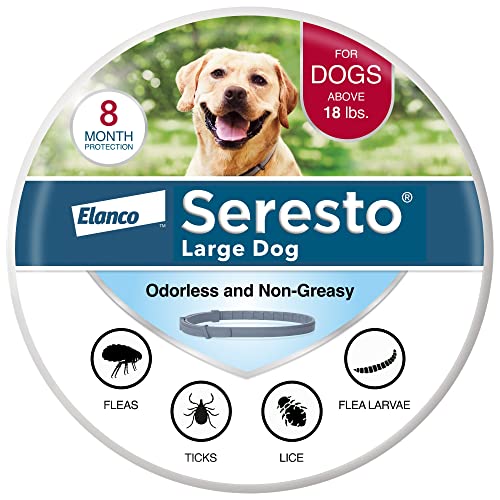
Slow-release devices worn around the neck. Provide continuous protection for several months, making them convenient for long-term prevention. Effectiveness varies widely between products. Best suited as a supplement to other treatments or for dogs with mild exposure risk.
Entry-level to mid-rangeShampoos and Sprays
Immediate-action products that kill parasites on contact during application. Useful for treating active infestations or as a quick knockdown before starting a long-term preventive. Short residual activity means frequent reapplication is needed. See our guide on flea and tick shampoo for dogs.
Budget-friendlyOral Medications: The Gold Standard for Many Dogs
Oral flea and tick medicines are widely considered the most effective option for many dog owners, particularly those with active outdoor lifestyles. Because the medication works systemically, there is no risk of it being washed off, rubbed off, or compromised by swimming and bathing.
How Oral Medications Work
When your dog swallows an oral flea and tick chewable, the active ingredient is absorbed into the bloodstream. Fleas and ticks that bite your dog ingest the medication and die — often within hours. Some products begin killing fleas within 30 minutes of ingestion and ticks within 4-8 hours. This rapid action is critical for preventing disease transmission, especially with ticks.
Active Ingredients That Work
Not all oral flea and tick medicines are created equal. The most effective active ingredients in veterinary medicine include:
- Fluralaner: Found in prescription chewables that provide up to 12 weeks of flea and tick protection from a single dose. Highly effective against fleas, ticks, and mites. One of the longest-lasting oral options available.
- Sarolaner: A monthly chewable that kills fleas and ticks rapidly. Often combined with other medications to provide comprehensive parasite control, including heartworm prevention.
- Afoxolaner: A monthly chewable with excellent flea and tick efficacy. Kills fleas before they can lay eggs, helping break the life cycle. Available in combination products that also protect against heartworms and intestinal parasites.
- Lotilaner: A fast-acting monthly chewable that kills fleas and ticks. Known for rapid kill times and high palatability, making it easy to administer.
These ingredients are available only through veterinary prescription in most countries. This is because they have been rigorously tested for safety and efficacy at specific doses. Over-the-counter oral products often contain older, less effective ingredients that may not provide the same level of protection. For more on non-prescription options, see our guide to oral flea and tick for dogs without a vet prescription.
Pro Tip: If your dog is a picky eater, ask your veterinarian about flavored chewables or combination products that also provide heartworm and intestinal worm protection. Many modern oral products are highly palatable and can be given as a treat rather than a pill.
Topical Treatments: Effective When Used Correctly
Topical flea and tick medicines remain a popular choice for owners who prefer not to give their dog oral medications. When applied correctly, high-quality topical products provide excellent protection against fleas and ticks. However, application technique significantly affects effectiveness.
How Topical Treatments Work
Spot-on treatments are applied directly to the skin, usually between the shoulder blades where your dog cannot lick it off. The active ingredients spread across the skin's surface and penetrate into the hair follicles, where they form a reservoir. Parasites that come into contact with the treated skin are killed or repelled.
Key Active Ingredients in Topicals
- Fipronil: A broad-spectrum insecticide that kills fleas and ticks on contact. Found in many popular spot-on brands. Kills fleas within 24 hours and ticks within 48 hours. Effective for up to 30 days per application.
- Permethrin: A synthetic pyrethroid with strong repellent and killing action against ticks and mosquitoes. Often combined with fipronil or imidacloprid for comprehensive protection. Note: permethrin is toxic to cats, so use caution in multi-pet households.
- Imidacloprid: An insecticide that kills adult fleas by disrupting their nervous system. Often combined with permethrin for tick activity. Highly effective against fleas but not ticks when used alone.
- Selamectin: A topical parasiticide that protects against fleas, ticks, heartworms, ear mites, and sarcoptic mange. Requires veterinary prescription but offers broad-spectrum protection from a single monthly application.
For a detailed breakdown of topical options, read our article on most effective topical flea treatment for dogs.
Application Tips for Maximum Effectiveness
- Apply to dry skin only. Part the fur until you can see the skin, then apply the product directly to the skin in 2-3 spots along the back. Do not apply on top of the fur — it will not work effectively.
- Avoid bathing for 48 hours. Most topicals need time to spread and penetrate. Bathing too soon after application washes the product away before it can work.
- Do not touch the application site. Wash your hands thoroughly after application and keep children away from the treated area until it is dry.
- Use the correct dose. Dosing is based on your dog's weight. Using too little reduces effectiveness; using too much increases the risk of side effects.
Natural and Holistic Options
Many owners are concerned about chemicals and prefer natural approaches to flea and tick control. While natural remedies can play a supporting role, it is important to set realistic expectations: no natural product matches the efficacy of veterinary-grade flea and tick medicines, especially in areas with heavy parasite pressure.
What Works (And What Doesn't)
- Diatomaceous earth: A fine powder made from fossilized algae that damages the exoskeleton of fleas and ticks. Effective in the environment (carpets, bedding, yard) but must be food-grade and kept dry. Avoid inhaling the dust — it can irritate lungs.
- Essential oils: Certain oils like cedarwood, lavender, and peppermint have mild repellent properties. However, many essential oils are toxic to dogs — especially tea tree, wintergreen, and citrus oils. Always dilute properly and consult a vet before use.
- Apple cider vinegar: Sometimes added to water or used as a spray. Evidence of effectiveness is anecdotal. It may help deter fleas slightly but will not kill existing infestations.
- Flea combs: A simple but effective tool for removing adult fleas from your dog's coat. Use daily during peak flea season and drown captured fleas in soapy water.
If you are interested in natural prevention, read our detailed guide on natural flea and tick prevention for dogs using essential oils and most effective natural flea treatment for dogs.
Important: Natural products are not regulated the same way as veterinary medicines. Their safety and efficacy are not rigorously tested. If you choose natural options, use them as part of a multi-layered prevention strategy that includes regular veterinary checkups and environmental management.
Comparing Effectiveness: A Side-by-Side Look
The table below summarizes how different types of flea and tick medicines compare across key criteria. This is not a ranking of specific brands — individual product performance varies — but rather a guide to how each category generally performs.
| Product Type | Speed of Kill | Duration | Waterproof | Tick Efficacy | Ease of Use |
|---|---|---|---|---|---|
| Oral Chewables | Very fast (hours) | 1–3 months | Yes (internal) | Excellent | Very easy |
| Topical Spot-On | Fast (12–48 hours) | 1 month | Moderate | Good to excellent | Moderate |
| Collars | Moderate to slow | 3–8 months | Varies | Fair to good | Very easy |
| Shampoos | Immediate | None (kills only what is present) | N/A | Fair (contact only) | Labor-intensive |
| Natural Remedies | Slow to moderate | Hours to days | Varies | Variable, generally low | Moderate |
For dogs with high tick exposure — such as those living in wooded areas or participating in hunting or hiking — oral medications or high-quality topical products containing fipronil or permethrin offer the most reliable protection. For dogs with sensitive skin or owners who prefer non-systemic options, topical treatments are often the better choice. Explore our guide on flea and tick treatment for dogs with sensitive skin for more targeted advice.
How to Choose the Right Product for Your Dog
There is no single best flea and tick medicine for every dog. The most effective choice depends on several factors unique to your situation.
Factors to Consider
- Your dog's lifestyle: Dogs who hike, swim, or spend time in tall grass face higher tick exposure and benefit from fast-killing oral products. Dogs who mostly stay indoors or in fenced yards may do well with topical treatments or collars.
- Your dog's health status: Dogs with liver or kidney disease, pregnant or nursing dogs, and puppies require careful product selection. Always consult your veterinarian before starting any new medication.
- Breed and size: Some breeds are sensitive to certain ingredients. For example, Collies and related herding breeds may have a genetic mutation that makes them sensitive to ivermectin and related drugs. Weight-based dosing must be accurate.
- Household composition: If you have cats, avoid permethrin-based products, which are highly toxic to felines. If you have young children, oral chewables eliminate the risk of accidental skin contact with topical residues.
- Climate and season: In warm, humid climates, fleas and ticks are active year-round. In colder regions, prevention may be seasonal — but many veterinarians recommend year-round protection to account for mild winters and indoor flea survival.
- Your comfort level: Some owners are uncomfortable giving oral medications; others dislike the greasy residue of topicals. The best product is the one you will use consistently.
For a comprehensive look at all-in-one options, see our article on all-in-one flea, tick, and worm treatment for dogs. If cost is a concern, our guide to the most cost-effective flea and tick treatment for dogs explores budget-friendly strategies without compromising protection.
Safety and Side Effects
All flea and tick medicines have the potential for side effects. Most are mild and temporary, but it is important to recognize warning signs and know when to seek veterinary care.
Common Side Effects
- Oral medications: Mild gastrointestinal upset (vomiting, diarrhea, loss of appetite) is the most common reaction. Usually resolves within 24-48 hours. Giving the chewable with food can reduce stomach upset.
- Topical treatments: Temporary redness, itching, or irritation at the application site. Some dogs may experience drooling if they lick the product before it dries. Prevent licking by using an Elizabethan collar if necessary.
- Collars: Contact dermatitis or irritation where the collar touches the skin. Monitor for signs of discomfort and adjust the fit or remove the collar if irritation persists.
Serious Adverse Reactions
While rare, serious reactions can occur. Seek emergency veterinary care if your dog experiences:
- Difficulty breathing, facial swelling, or hives (signs of an allergic reaction)
- Severe vomiting or diarrhea that persists for more than 24 hours
- Lethargy, weakness, or collapse
- Seizures or tremors
- Excessive salivation or neurological symptoms (especially with permethrin exposure in sensitive dogs)
Safety Note: Never use a flea and tick product on a dog that is not labeled for their species or weight range. Never use dog products on cats — many ingredients that are safe for dogs are highly toxic to cats. When in doubt, call your veterinarian or a pet poison control hotline before applying any new product.
For natural alternatives that minimize chemical exposure, read our guide on most effective and safe flea treatment for dogs.
Building a Comprehensive Prevention Plan
The most effective flea and tick medicine is only one component of a complete prevention strategy. Parasite control works best when you address the environment, your dog's health, and consistent monitoring together.
The Four Pillars of Parasite Prevention
- Year-round medication: Choose a product that suits your dog and commit to its schedule. Set reminders for monthly or quarterly doses. Missing doses gives parasites a window to re-establish.
- Environmental control: Vacuum carpets and furniture frequently, wash pet bedding in hot water weekly, and keep your yard trimmed short. Consider professional pest control in areas with heavy flea populations. For outdoor spaces, see our guide on natural mosquito repellent for yards safe for dogs.
- Regular inspections: Check your dog for ticks after every outdoor excursion, especially around the ears, neck, armpits, and groin. Use a flea comb weekly during peak season to monitor for flea activity.
- Veterinary checkups: Annual wellness exams include parasite screening. Your vet can recommend adjustments to your prevention plan based on your dog's age, health, and local parasite prevalence.
For a deeper dive into prevention timing and product rotation, read our article on most effective flea and tick prevention for dogs. If you are dealing with an active flea infestation, our step-by-step guide on the best way to get rid of fleas on a dog can help you eliminate the problem quickly.
Remember: Treating your dog without treating the environment will lead to re-infestation. Flea eggs and larvae in carpets and bedding can survive for weeks. Consistency is key — it often takes 2-3 months of diligent effort to completely eliminate an established flea population.
Frequently Asked Questions
Ready to Choose the Right Protection?
The most effective flea and tick medicine for your dog is the one that fits their lifestyle, health needs, and your daily routine. Consult your veterinarian before starting any new product, especially if your dog has underlying health conditions or is taking other medications. Once you have a recommendation, explore the product recommendations below to find the right option for your companion. For more flea and tick resources, browse our guides on effective flea and tick treatment for dogs and the safest and most effective flea and tick treatment for dogs.