Most Effective Flea and Tick Shampoo for Dogs
If your dog is scratching, biting, or you've spotted pests, a fast-acting shampoo can provide immediate relief. But with dozens of formulas on the market, how do you choose the one that actually works without irritating your dog's skin? This guide breaks down the active ingredients, safety considerations, and application techniques that separate effective products from disappointing ones.
Flea and tick shampoos occupy a specific niche in parasite control. They are not preventatives, and they are not long-term solutions. What they do offer is immediate knockdown of adult fleas and ticks on contact, along with the practical benefit of cleaning your dog's coat. For a dog covered in fleas after a hike, or a puppy who has picked up a tick, a shampoo can provide fast relief while you arrange a more comprehensive parasite control plan.
Understanding what makes a shampoo effective — and what makes it safe — requires looking past the marketing claims and examining the active ingredients. The right choice depends on your dog's age, skin condition, the severity of the infestation, and whether you have cats in the household. Here is everything you need to make an informed decision.
How Flea and Tick Shampoos Work
Flea and tick shampoos function through direct contact. When you lather your dog, the active ingredients penetrate the pest's exoskeleton and disrupt its nervous system, leading to paralysis and death. The mechanical action of bathing also helps drown fleas and wash away eggs and debris from the coat.
Unlike oral medications that circulate through the bloodstream, or topical spot-on treatments that spread across the skin's surface, shampoos have no residual effect. Once you rinse the lather away, the protection is gone. This is why veterinarians consistently emphasize that shampoos are a treatment tool, not a preventive measure [citation:12]. Their value lies in immediate knockdown and the ability to physically remove pests from a heavily infested dog.
Important Distinction: A flea shampoo kills the fleas currently on your dog. It does not prevent new fleas from jumping on minutes after the bath. For ongoing protection, you need a monthly preventive product recommended by your veterinarian. See our guide to flea and tick prevention for long-term strategies.
Key Active Ingredients to Look For
The effectiveness of any flea and tick shampoo comes down to its active ingredients. Here are the most common and well-studied options available over the counter:
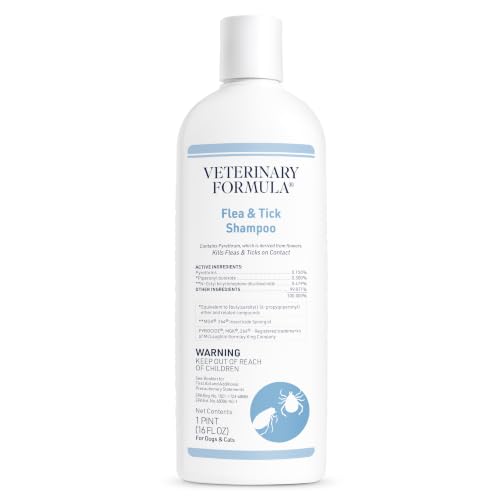
- Pyrethrins: Derived from chrysanthemum flowers, pyrethrins are the most widely used insecticide in flea shampoos. They attack the nervous systems of adult fleas and ticks. While effective, they are toxic to cats, so use caution in multi-pet households [citation:1][citation:14].
- Permethrin: A synthetic version of pyrethrin, permethrin is longer-lasting and often used in formulas designed to provide residual protection for several days after bathing. It is also highly toxic to cats [citation:1][citation:13].
- Piperonyl Butoxide: Rarely used alone, this compound is added to pyrethrin and permethrin formulas to enhance their potency by inhibiting the insect's ability to break down the insecticide [citation:6].
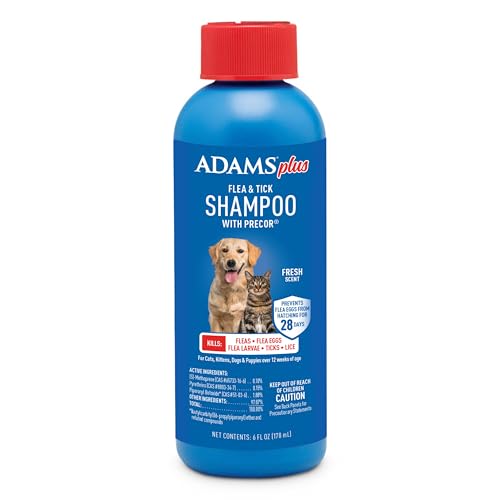
- (S)-Methoprene: An insect growth regulator that prevents flea eggs and larvae from developing into adults. It does not kill adult fleas but helps break the life cycle. Often combined with pyrethrins in premium formulas [citation:12][citation:15].
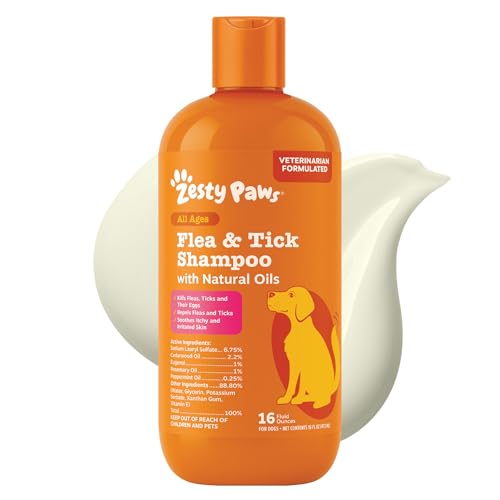
- Essential Oils (Lemongrass, Cedarwood, Clove, Peppermint): Natural alternatives that kill and repel pests through contact. They are generally gentler on sensitive skin but have shorter-lasting effects and may still cause allergic reactions in some dogs [citation:2][citation:4].
If you are dealing with a severe infestation or a dog with flea allergy dermatitis, conventional ingredients like pyrethrins offer more reliable knockdown. For routine maintenance or dogs with sensitive skin, natural formulas may be sufficient. Our guide to the most effective and safe flea treatment explores these trade-offs in more detail.
Chemical vs. Natural Formulas
The choice between a conventional chemical shampoo and a natural essential oil blend involves weighing efficacy against gentleness. Neither option is universally superior — the right choice depends on the situation.
Conventional (Chemical) Shampoos
These formulas rely on pyrethrins, permethrin, or similar compounds to kill pests quickly. They are the better choice when:
- Your dog has a visible, active infestation
- You need reliable knockdown of ticks
- Your dog has no history of sensitivity to insecticides
- You do not have cats in the household (pyrethrins are toxic to felines)
Natural (Essential Oil) Shampoos
These formulas use plant-derived oils to kill and repel pests. They may be appropriate when:
- Your dog has sensitive skin or allergies to chemical ingredients
- You are treating a mild, recent exposure
- You prefer a gentler option for routine bathing during flea season
- You have cats and need a cat-safe formula
Regardless of which type you choose, always perform a patch test on a small area of skin and wait 24 hours before full application. This simple step can prevent a painful reaction. If your dog has known skin sensitivities, you may also want to explore our recommendations for the best flea and tick treatment for dogs with sensitive skin.
How to Choose the Right Shampoo
With the ingredient landscape in mind, here are the practical criteria to evaluate when selecting a product:
- Check the age minimum: Most flea shampoos are labeled for puppies 12 weeks and older. Never use an adult formula on a younger puppy without explicit veterinary approval. Puppy skin is thinner and more permeable, making them vulnerable to toxicity.
- Consider your cat situation: If you share your home with cats, avoid shampoos containing pyrethrins or permethrin entirely. These ingredients are highly toxic to cats, even via indirect contact. Choose a natural formula or one specifically labeled as cat-safe.
- Match the formula to the infestation: For a dog covered in fleas, a conventional pyrethrin-based shampoo with a growth regulator offers the most complete knockdown. For a dog with a single tick or mild scratching, a gentler natural formula may suffice.
- Look for soothing additives: Ingredients like oatmeal, aloe vera, lanolin, and coconut oil help counteract the drying effects of flea shampoos and soothe irritated skin. This matters especially if your dog has been scratching excessively.
- Check the scent: Flea shampoos can be heavily fragranced. If your dog has a sensitive nose or you prefer unscented products, look for fragrance-free options. Unscented formulas are also less likely to trigger allergic reactions.
Veterinary Perspective: Dr. Tierra Price notes that flea and tick shampoos "can be very effective at killing adult fleas and ticks," but emphasizes they are "not effective in preventing infestations" [citation:12]. Use shampoo as part of a layered approach: immediate knockdown with shampoo, environmental control (washing bedding, vacuuming), and a monthly preventive for the long term.
Step-by-Step Application Guide
Technique matters as much as the product. A poorly executed flea bath allows fleas to escape to the head and ears, leaving you with a wet dog and a lingering infestation. Follow these steps for the best results:
- Prepare everything first: Gather shampoo, two towels, a pitcher or sprayer, treats, and a flea comb before your dog gets wet. A mid-bath supply run means a wet dog on the loose.
- Brush the coat: Remove tangles and mats so the lather can reach the skin, where fleas actually live.
- Wet with lukewarm water: Hot water inflames irritated skin; cold water makes the experience unpleasant.
- Create a lather ring around the neck: This is the most important step. Work a thick collar of lather around the neck, from ear base to ear base, before doing anything else. Fleas flee upward toward the head when water rises — the lather ring blocks their escape route [citation:9].
- Lather the rest of the body: Work from the neck down, ensuring the shampoo reaches the skin. Pay attention to armpits, groin, between toes, and the base of the tail.
- Respect the contact time: Leave the lather on for 5 to 10 minutes, or the exact time specified on the label. This is where most flea baths fail — rinsing too early means the active ingredients never had time to work [citation:9].
- Rinse thoroughly: Rinse until the water runs completely clear, then rinse once more. Shampoo residue is a leading cause of post-bath irritation.
- Flea comb and dry: Run a flea comb through the damp coat to catch any survivors. Towel dry and keep your dog warm.
Wash the Bedding First: Strip your dog's bedding and wash it on hot before you start the bath. A freshly de-flead dog should not climb back into a bed full of flea eggs.
Limitations and Complementary Treatments
A flea shampoo is a valuable tool, but it cannot solve a flea problem on its own. Fleas spend only about 5% of their life cycle on your dog — the other 95% exists in your home and yard as eggs, larvae, and pupae. Bathing your dog kills the adults on the animal, but the environment remains a reservoir for reinfestation.
To achieve lasting control, combine shampoo treatment with:
- Environmental cleaning: Wash all bedding, vacuum carpets and furniture thoroughly, and dispose of the vacuum bag immediately. Repeat vacuuming every few days for several weeks to interrupt the life cycle.
- Monthly prevention: Choose a veterinarian-recommended preventive product — oral chewable, topical spot-on, or collar — and apply it consistently. Our guide to monthly flea, tick, and heartworm prevention explains the options.
- Yard treatment: If your dog spends time outdoors, treat the yard with a pet-safe insecticide or nematodes that target flea larvae.
- Regular inspection: Check your dog for ticks after every outdoor excursion, especially in wooded or grassy areas.
If you are dealing with a persistent infestation that does not respond to shampoo and environmental measures, consider exploring the best methods to get rid of fleas on a dog or consulting your veterinarian for prescription-strength options.
Frequently Asked Questions
The Bottom Line: The most effective flea and tick shampoo for your dog is one that matches the severity of the infestation, is safe for your dog's age and health status, and is applied with proper technique. Shampoo provides the immediate knockdown you need today; a monthly preventive provides the ongoing protection you need for the long term. Use both together for complete control. If you are unsure which preventive to pair with your shampoo treatment, our guide to the most effective flea and tick medicine can help you compare options.