My Dog Won't Eat His Food Anymore?
Discover why your dog might be refusing food and learn practical, proven strategies to get them eating again. From health concerns to picky eating, we cover it all.
Understanding Appetite Loss in Dogs
Few things are more worrying for a dog owner than when their beloved companion turns their nose up at their food. It's a common problem, and while often temporary, it can sometimes be a sign of a more serious underlying issue. Understanding the potential causes—from simple pickiness to significant health problems—is the first step in helping your furry friend.
This guide will walk you through the reasons for a loss of appetite, provide actionable advice on what to do, and help you determine when it's time to call the vet. By the end, you'll have a clear plan to get your dog back to enjoying their meals.
A Word of Caution: While many causes of a dog not eating are mild, any sudden change in eating habits, especially when combined with other symptoms, should be taken seriously. Your dog's health is the priority, and this guide is not a substitute for professional veterinary advice.
Common Reasons for a Dog Not Eating
There are many reasons why a dog might lose interest in food. Some are behavioral and easily fixed, while others are medical and require attention. Let's break down the most common culprits.
Medical Issues
- Dental Problems: Painful teeth, gums, or an oral infection can make eating uncomfortable. This is especially common in older dogs.
- Gastrointestinal Issues: Upset stomachs, nausea, or conditions like inflammatory bowel disease (IBD) or pancreatitis can cause a dog to feel too sick to eat.
- Systemic Illnesses: Kidney disease, liver problems, and cancer can all lead to a loss of appetite. These are serious conditions that require immediate veterinary care.
- Side Effects of Medication: Some medications can cause nausea as a side effect. If your dog has recently started a new medication and has stopped eating, consult your vet.
- Infections: Bacterial or viral infections, including kennel cough or parvo, often suppress a dog's appetite.
Behavioral & Environmental Factors
- Stress and Anxiety: Changes in routine, the arrival of a new family member, or moving to a new home can stress a dog out, leading to a loss of appetite. This is a very common cause.
- Picky Eating: If you've tried different foods, toppers, or table scraps, you might have inadvertently trained your dog to hold out for something better.
- Changes in Routine: Even a change in feeding schedule or location can be enough to put some dogs off their food for a day or two.
- Unappealing Food: The food might be stale, have gone off, or simply be a flavor your dog doesn't enjoy. A recent change in food can also cause a dog to refuse the new brand.
When to See a Veterinarian
Knowing when to seek professional help is crucial. While you can try some strategies at home, there are red flags you should never ignore.
Contact your vet immediately if your dog is not eating and also shows any of these signs:
• Vomiting or diarrhea, especially if it contains blood (like bloody diarrhea)
• Lethargy, weakness, or depression
• Pain or a distended abdomen
• Weight loss
• Fever (checking temperature is a vet's job, but if your dog feels hot, it's a sign)
• Changes in drinking habits (drinking much more or much less)
• The appetite loss has lasted more than 24-48 hours
If your dog is otherwise acting normally—playing, drinking water, and maintaining their energy levels—you might have a bit more time to try some at-home remedies. However, it's always best to err on the side of caution. A quick phone call to your vet's office can help you decide on the best next step.
How to Encourage Your Dog to Eat
If your dog seems otherwise healthy, there are several safe and effective strategies you can try to pique their interest in mealtime.
- Warm Up the Food: Warming up wet food or adding warm water to kibble enhances the aroma, which can be more tempting to your dog. The heat releases oils and makes the food smell more appetizing.
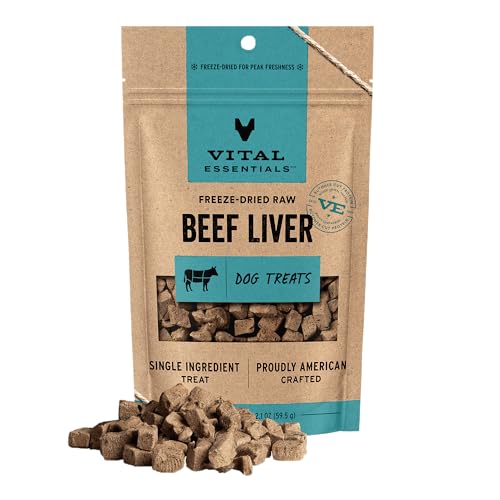
- Add an Appetizing Topper: A spoonful of plain canned pumpkin, a little low-sodium chicken broth, or some plain, cooked chicken can make the food more interesting. You can also try a commercial dog food topper designed for picky eaters.
- Transition to a New Food: If you suspect your dog is bored of their current food, you could try a new flavor or brand. It's crucial to transition dog food slowly over 7-10 days to avoid digestive upset.
- Reduce Stress: Feed your dog in a quiet, calm location away from high-traffic areas. Some dogs are more comfortable eating alone.
- Try Hand-Feeding: For a very short period, you can offer a few pieces of food from your hand. This can help a stressed or anxious dog feel more comfortable. Once they start eating, you can transition back to the bowl.
- Experiment with Texture: If your dog is only eating wet food, try offering some high-quality dry food (you can even soften it with water). Sometimes a change in texture is enough to pique their interest.
If your dog is a senior, they may have dental issues or a diminished sense of smell. In this case, switching to a soft dry dog food for dogs with bad teeth or a wet food may be more effective.
Dealing with Picky Eaters
Some dogs are just naturally fussy. If your dog has a history of being a picky eater, you may need to be a little more strategic. Here are some tips for managing a picky dog:
- Set a Schedule: Put the food down for 15-20 minutes, then pick it up. Offer it again at the next scheduled meal. This helps the dog learn that there's a window of opportunity for eating.
- Limit Treats: If your dog is filling up on treats, they won't have room or interest in their regular meals. Dog treats are for training and rewards, not as a meal replacement.
- Don't Give In: Avoid the temptation to start adding people food or special toppers every time they refuse their meal. If you do, you're training them to refuse the meal to get something better.
- Provide Mental Stimulation: Sometimes a dog refuses to eat out of boredom. Puzzle toys or interactive dog toys that dispense food can make mealtime a fun game.
Note on Homemade Diets: If you're considering switching your picky dog to a homemade diet, it's crucial to do it correctly to ensure they get all the necessary nutrients. Some owners find relief with a vet-recommended homemade dog food for kidney disease, but for a healthy dog, a commercial diet is often the easiest way to ensure a balanced meal. Always consult a veterinary nutritionist before making a significant dietary change.
Preventing Future Appetite Issues
Once your dog is eating well again, it's helpful to consider long-term strategies to maintain their healthy appetite.
- Regular Dental Care: Brushing your dog's teeth regularly can prevent painful dental diseases that lead to appetite loss. Consider using a dog toothbrush and dog-safe toothpaste.
- Consistent Routine: Dogs thrive on routine. Try to keep feeding times consistent.
- Quality Food: Feeding a high-quality, palatable food is an investment. If your dog has a sensitive stomach, consider a sensitive stomach dog food formulated for digestive health.
- Manage Stress: Provide a stable, predictable environment. If your dog is prone to anxiety, you could explore options like dog calming products or anxiety wraps to help them feel more secure.
- Monitor for Changes: Always pay attention to your dog's eating habits. If they frequently skip meals, it's worth discussing with your vet to rule out any chronic issues.
Frequently Asked Questions
Final Thoughts
Watching your dog refuse food can be stressful, but in many cases, the issue is temporary and can be resolved with a few simple changes. By understanding the potential reasons and knowing when to act, you are your dog's best advocate. If you're ever in doubt, a quick call to your veterinarian is always the safest option.