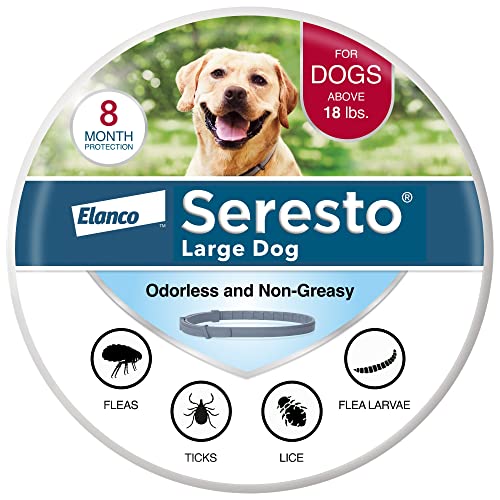
Safe Over the Counter Flea Treatment for Dogs
When fleas strike, you want a solution that works fast without a vet visit. This guide breaks down which OTC flea treatments are genuinely safe, how to use them correctly, and when you should skip the drugstore and call your veterinarian instead.
Fleas are more than an itchy nuisance. A single female flea can lay up to 50 eggs per day, and an untreated infestation can spiral into a household problem within weeks. For many dog owners, reaching for an over-the-counter product feels like the fastest, most practical response. But not all OTC flea treatments are created equal—and some can do more harm than good if used incorrectly.
The key to safe OTC flea treatment lies in understanding the active ingredients, matching the product to your dog's weight and age, and knowing when a prescription-strength option is the smarter choice. This guide gives you the information you need to make a confident, informed decision. For a broader comparison of prescription and non-prescription options, see our guide to the best over the counter flea and tick treatment for dogs.
Understanding Over the Counter Flea Treatments
Over-the-counter flea products are available without a prescription at pet stores, pharmacies, and online retailers. They typically fall into three categories: topical spot-on treatments, oral tablets, and flea collars. Each has distinct advantages and limitations.
What separates a "safe" OTC product from a risky one comes down to three factors: the active ingredient, the correct dosage for your dog's weight, and proper application. Products containing fipronil (found in Frontline products) and imidacloprid (found in Advantage) have decades of safety data and are generally well-tolerated when used as directed [citation:12][citation:13].
Important distinction: "Over the counter" does not automatically mean "safe for every dog." A product that is safe for a 60-pound Labrador may be dangerous for an 8-pound Chihuahua if the dose is wrong. Always match the product to your dog's exact weight range.
Some OTC products contain pyrethrins or pyrethroids (like permethrin). While effective against fleas, these ingredients carry higher risks—especially for small dogs and cats. Permethrin, in particular, is highly toxic to cats and should never be used in households with feline residents [citation:13][citation:18]. If you are looking specifically for formulations that minimize risk, our article on the safest over the counter flea treatment for dogs goes deeper into ingredient-level safety.
Safe Active Ingredients Explained
Knowing what's inside the tube or pill is your first line of defense. Here are the active ingredients most commonly found in OTC flea treatments and what you should know about each.
Fipronil
Fipronil is the active ingredient in Frontline Plus, Frontline Gold, and many generic equivalents. It works by disrupting the flea's nervous system, causing paralysis and death. Fipronil is considered safe for dogs over 8 weeks of age and is effective against both adult fleas and ticks. It is also water-resistant, making it a practical choice for dogs that swim or get bathed regularly [citation:10][citation:12].
One caveat: fipronil products should not be used on puppies younger than 8 weeks without veterinary guidance. And as with all topicals, application to broken or irritated skin should be avoided [citation:7].
Imidacloprid
Found in Advantage and several store-brand equivalents, imidacloprid kills fleas on contact by interfering with their nerve receptors. It is safe for dogs over 7 weeks of age and is particularly useful for dogs with flea allergy dermatitis because fleas are killed before they can bite [citation:3][citation:12].
Imidacloprid is not effective against ticks, so if tick protection is also a priority, you'll need a different product or a combination approach. For tick-specific concerns, see our guide to recommended flea and tick treatment for dogs.
Nitenpyram (Capstar)
Capstar is a fast-acting oral tablet that starts killing adult fleas within 30 minutes. It is available without a prescription and is safe for puppies as young as 4 weeks old and weighing at least 2 pounds [citation:4][citation:12].
The critical limitation: Capstar only kills fleas currently on your dog. It has no residual effect—once it wears off in about 24 hours, new fleas can jump right back on. Capstar is best used as a short-term rescue treatment alongside a longer-lasting preventive, not as a standalone solution.
| Active Ingredient | Common Brand | Kills Ticks? | Minimum Age | Residual Protection |
|---|---|---|---|---|
| Fipronil | Frontline Plus | Yes | 8 weeks | ~30 days |
| Imidacloprid | Advantage II | No | 7 weeks | ~30 days |
| Nitenpyram | Capstar | No | 4 weeks (2+ lbs) | ~24 hours |
| Pyrethrins | Various shampoos | Varies | Label-dependent | None (bath only) |
Top OTC Flea Treatment Options Compared
When evaluating OTC options, the safest choice is the one that matches your dog's specific needs—age, weight, health history, and lifestyle. Here are the options that veterinarians most often consider acceptable for at-home use.
Frontline Plus (Fipronil + S-Methoprene)
A mid-range topical that kills fleas, flea eggs, and ticks. The combination of fipronil and an insect growth regulator (S-methoprene) breaks the flea life cycle by preventing eggs from hatching. Waterproof and safe for dogs 8 weeks and older. Applied monthly to the skin between the shoulder blades [citation:12].
Frontline is one of the few OTC options with a long track record and broad availability. Its main drawback is that it leaves a visible, greasy residue at the application site, which some owners and dogs dislike.
Advantage II (Imidacloprid + Pyriproxyfen)
Another mid-tier topical, Advantage II kills fleas on contact and prevents eggs from developing into adults. It is safe for puppies from 7 weeks of age and is fragrance-free. Unlike fipronil products, Advantage II does not kill ticks [citation:12].
For dogs with sensitive skin or those that react to the alcohol carrier in some topicals, Advantage II is sometimes better tolerated. However, as with any topical, watch for redness or itching at the application site.
Capstar (Nitenpyram)
An entry-level, budget-friendly oral tablet for fast knockdown of adult fleas. Ideal for a dog that has suddenly picked up fleas and needs immediate relief while you decide on a longer-term strategy. Not a preventive—use it as a bridge, not a plan [citation:4].
Practical tip: If your dog has an active flea infestation, start with Capstar to kill the adults quickly, then follow up with a monthly topical like Frontline or Advantage to prevent reinfestation. This two-step approach is more effective than either product alone.
Critical Safety Rules for OTC Flea Treatments
Even the safest product can cause problems if used incorrectly. Follow these rules without exception.
- Weigh your dog accurately. Dosage is determined by weight, not breed or age. A 22-pound dog and a 25-pound dog may require different product sizes depending on the manufacturer's weight bands. Guessing can lead to underdosing (ineffective) or overdosing (dangerous) [citation:16].
- Never use dog products on cats. Permethrin and some other ingredients that are safe for dogs are highly toxic—often fatal—to cats. If you have both species in your home, choose products that are explicitly safe for the entire household, and keep treated dogs away from cats until the application site is completely dry [citation:13][citation:18].
- Check the minimum age. Puppies are not small adults. Most flea products have strict age minimums (often 7-8 weeks) because young puppies lack the metabolic capacity to process insecticides safely. Never use an adult product on a puppy unless the label explicitly permits it [citation:8].
- Do not stack products. Using a flea shampoo and a topical treatment and a collar simultaneously can lead to toxic overload. Unless your veterinarian has approved a specific combination, use one product at a time [citation:17].
- Apply topicals correctly. Part the fur and apply directly to the skin, not the coat. For dogs with thick double coats, this may require extra effort—but a topical that sits on fur instead of skin will not work and may be licked off [citation:8].
- Separate pets after application. Until the product is dry, prevent dogs from licking each other's application sites. Ingestion of topical flea medication can cause drooling, vomiting, and neurological symptoms [citation:7].
Signs of a reaction to watch for: Excessive drooling, vomiting, lethargy, tremors, wobbliness, or seizures. If you notice any of these after applying a flea product, bathe your dog with mild dish soap to remove the product and contact your veterinarian or an emergency clinic immediately [citation:13].
Common Mistakes to Avoid
Most flea treatment failures—and most adverse reactions—stem from a handful of preventable errors.
- Buying based on price alone. Budget-friendly OTC products sometimes contain older, harsher active ingredients. The difference between an entry-level and mid-range product is often not just price but safety profile and residual efficacy. Read the ingredient list, not just the front of the box.
- Treating the dog but not the environment. Fleas spend only about 5% of their life on your dog. The other 95%—eggs, larvae, and pupae—live in carpets, bedding, and cracks. Without environmental control (vacuuming, washing bedding, and potentially using a household spray), reinfestation is almost guaranteed [citation:6][citation:9].
- Stopping treatment too early. Flea life cycles are long. Even after you stop seeing adult fleas, eggs and larvae are still developing. Most veterinarians recommend continuing monthly prevention year-round to prevent rebound infestations [citation:4].
- Using expired products. Expired flea medications may have reduced efficacy or, in rare cases, degraded into less safe compounds. Check expiration dates before applying.
- Ignoring your dog's health history. Dogs with a history of seizures or neurological conditions require extra caution with certain flea medications, including some oral products. Always disclose your dog's full medical history to your veterinarian before choosing a product [citation:8].
When OTC Isn't Enough: Signs You Need a Vet
OTC treatments work well for many dogs, but there are situations where a prescription-strength product is the safer and more effective choice.
- Severe or persistent infestations. If you've been using an OTC product consistently for 2-3 months and still see fleas, the product may not be working for your local flea population. Some fleas have developed resistance to older ingredients like fipronil in certain regions.
- Your dog has health conditions. Dogs with epilepsy, liver disease, kidney disease, or compromised immune systems may not be good candidates for certain OTC products. A veterinarian can recommend a prescription option with a safer profile for your dog's specific health status.
- You have a multi-pet household with cats. Because many dog flea products are toxic to cats, a veterinarian can help you design a flea control plan that is safe for every animal in the home.
- Your dog is a puppy or senior. Very young and very old dogs have different safety thresholds. Prescription products with established safety data for these life stages may be the better choice.
- Ticks are a concern. Many OTC flea products do not kill ticks, or kill only a limited spectrum. If you live in or travel to tick-endemic areas, a prescription product that covers both fleas and ticks is often the more reliable option [citation:8].
If you are dealing with a resistant or severe infestation, our article on how to get rid of fleas when nothing seems to work offers a step-by-step troubleshooting approach. And for a broader safety comparison across all treatment types, the safest and most effective flea treatment guide is a useful next read.
A note on prescription alternatives: Prescription flea medications—including oral options like NexGard, Bravecto, and Simparica—are generally considered highly effective and safe when used under veterinary supervision. They are not OTC, but they are worth discussing with your vet if OTC options have failed or if your dog's health profile warrants a more targeted approach [citation:1][citation:8].
Frequently Asked Questions
The bottom line: Safe over-the-counter flea treatment for dogs is absolutely possible—but it requires more than grabbing the first box you see. Choose a product with a well-studied active ingredient (fipronil or imidacloprid), match the dose precisely to your dog's weight, respect age minimums, and treat the environment alongside your pet. If your dog has health issues, lives with cats, or if OTC products consistently fail, a conversation with your veterinarian is the safest next step. Your dog's comfort and safety are worth the extra diligence.