Recommended Flea and Tick Treatment for Dogs
Compare oral chews, topical spot-ons, and long-lasting collars to find the right protection for your dog. Learn how each option works, what to consider before choosing, and how to build a year-round prevention strategy that actually works.
Fleas and ticks are more than a nuisance — they are disease carriers that can seriously impact your dog's health and comfort. A single tick can transmit Lyme disease, ehrlichiosis, or anaplasmosis, while a flea infestation can trigger severe allergic dermatitis and even anemia in small or young dogs [citation:1]. The good news is that modern flea and tick treatments are highly effective when chosen and used correctly.
This guide cuts through the marketing noise. You will learn the real differences between oral chews, topical spot-ons, and collars; which products suit which dogs; and the safety considerations that matter most. If you have been wondering which flea treatment for dogs is actually worth your time, this is the place to start.
Why Flea and Tick Prevention Matters
Fleas and ticks are not seasonal inconveniences. In many climates, fleas survive year-round indoors, and ticks can remain active in temperatures as low as 33°F [citation:10]. The CDC recommends treating pets for fleas year-round to kill adult fleas and prevent new ones from hatching [citation:2].
The health consequences of skipping prevention go beyond itching. Flea allergy dermatitis is one of the most common skin conditions in dogs, causing intense scratching, hair loss, and secondary infections. Ticks transmit a range of pathogens that can cause chronic joint pain, organ damage, and neurological symptoms. In multi-pet households, one untreated animal can serve as a reservoir, keeping the entire household infested even if other pets are protected [citation:1].
The Real Cost of Skipping Prevention:
Treating a single case of heartworm (transmitted by mosquitoes but often bundled with flea and tick prevention discussions) can cost more than a lifetime of preventive medication. Flea infestations often require professional extermination alongside pet treatment. Tick-borne diseases may require months of antibiotics and can leave lasting damage.
Types of Flea and Tick Treatment for Dogs
There is no single "best" product for every dog. The right choice depends on your dog's age, weight, health status, lifestyle, and your tolerance for application methods. Here are the main categories:
Oral Chews (Isoxazolines)
Prescription tablets that work systemically from the inside out. Products like Bravecto, NexGard, and Simparica are highly effective and fast-acting. Most are flavored chews given monthly, though Bravecto offers 12-week coverage per dose [citation:1][citation:10].
premium protectionTopical Spot-On Treatments
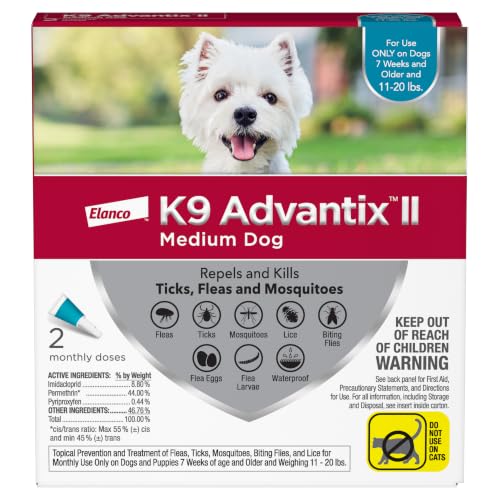
Liquid applied between the shoulder blades. Products like Frontline Plus and K9 Advantix II spread across the skin and coat. Many are waterproof and kill parasites on contact. Require monthly application and a waiting period before swimming or bathing [citation:6].
mid-range versatilityFlea and Tick Collars
The Seresto collar provides up to eight months of continuous protection from a single application. It releases active ingredients slowly onto the skin and coat. Ideal for owners who prefer a "set-and-forget" approach. EPA confirmed its safety after a multi-year review [citation:8][citation:10].
long-lasting convenienceFast-Acting Oral Flea Killers
Products like Capstar (nitenpyram) start killing adult fleas within 30 minutes but only last 24 hours. These are not preventives — they are rescue treatments for active infestations, often used alongside a longer-acting preventive [citation:10].
emergency useSprays and Powders
Less commonly recommended by veterinarians for routine prevention. Sprays can provide rapid knockdown but require thorough application and frequent reapplication. Powders are messy and less effective than modern alternatives [citation:15].
supplemental onlyInjectable Treatment (New Option)
Bravecto Quantum, approved by the FDA in 2025, is the first injectable flea and tick treatment providing 12 months of protection from a single veterinary-administered dose [citation:10]. A premium option for owners who struggle with monthly compliance.
luxury convenienceOral vs. Topical: Which Approach Is Right for Your Dog?
This is the decision most owners face. Both methods work, but they suit different situations.
When Oral Chews Make Sense
- You want maximum efficacy: Oral isoxazolines consistently rank among the most effective options for both fleas and ticks [citation:1][citation:10].
- Your dog swims or gets bathed frequently: Oral medications are not affected by water exposure.
- You have children or other pets: No residue on the coat means no risk of accidental contact with treated fur.
- Your dog has skin sensitivities: No topical product sitting on the skin means less risk of application-site irritation.
- You want convenience: A flavored chew once a month (or every 12 weeks with Bravecto) is simpler than remembering topical application schedules.
When Topicals or Collars Make Sense
- Your dog resists oral medication: Some dogs spit out pills or chews no matter what you hide them in.
- You prefer a non-systemic option: Topicals work on the skin and coat rather than being absorbed into the bloodstream.
- You want repellency: Some topicals like K9 Advantix II repel ticks and mosquitoes before they bite, while oral products generally require the parasite to bite to be effective [citation:6].
- You want long-lasting coverage without monthly dosing: The Seresto collar lasts up to eight months [citation:8].
- Your dog has a history of neurological sensitivity: Your vet may recommend non-isoxazoline options, and topicals or collars can be appropriate alternatives.
Practical Tip: Many veterinarians recommend rotating or combining approaches only under professional guidance. Never use multiple products with overlapping active ingredients without veterinary approval — you risk overdose and increased side effects.
Flea and Tick Treatment Comparison
Here is a side-by-side look at the major product categories to help you understand the trade-offs:
| Feature | Oral Chews | Topical Spot-On | Collars |
|---|---|---|---|
| Application | Flavored chew, monthly or every 12 weeks | Liquid between shoulder blades, monthly | Worn continuously, up to 8 months |
| Speed of Kill | Very fast (hours) | Fast to moderate | Moderate (continuous release) |
| Water Resistance | Unaffected by water | Varies; many waterproof after drying | Water-resistant |
| Repellency | Generally no repellency (kills after bite) | Some products repel ticks and mosquitoes | Some repellent action |
| Prescription | Usually required | Some OTC, some prescription | OTC (Seresto) |
| Best For | Maximum efficacy, swimming dogs, multi-pet homes | Dogs that resist pills, owners wanting repellency | Convenience-focused owners, forgetful dosers |
For a deeper dive into specific product families, including prescription-free options, see our guide to the best over-the-counter flea and tick treatment for dogs. If your dog has sensitive skin, the sensitive-skin treatment guide covers gentler alternatives. And for dogs with seizure histories, the seizure-safe prevention guide is essential reading.
Puppies, Seniors, and Sensitive Dogs
Not all products are appropriate for all life stages. Age and weight restrictions exist for a reason — puppies and senior dogs metabolize medications differently than healthy adults.
Puppies
Most flea and tick products have minimum age requirements. Revolution (selamectin) is approved for puppies as young as six weeks with no weight minimum, making it a common choice for very young puppies [citation:6]. Frontline Plus, NexGard, Simparica Trio, and Seresto are generally approved for puppies eight weeks and older, with varying weight minimums [citation:10]. Bravecto chewables are approved from six months. Always weigh your puppy accurately before applying any product, and never use a product intended for adult dogs on a puppy without veterinary guidance.
Senior Dogs
Senior dogs often have compromised liver or kidney function, which can affect how they process systemic medications. Your veterinarian may recommend bloodwork before starting a new oral preventive. Topical products or collars may be preferred for seniors with organ sensitivities. Products like K9 Advantix II are not recommended for older dogs or those with preexisting conditions, so always read labels carefully [citation:6].
Dogs with Seizure Histories
Isoxazoline-class oral medications (Bravecto, NexGard, Simparica) carry a warning for dogs with a history of seizures or neurological disorders. The FDA has received reports of neurological adverse events in a small number of dogs. If your dog has epilepsy or has experienced seizures, discuss non-isoxazoline options with your vet. Topical products like Frontline Plus or the Seresto collar may be safer alternatives. Our dedicated guide on flea and tick prevention for dogs with seizures covers this in detail.
Safety and Side Effects
All flea and tick products carry some risk of adverse reactions. For most dogs, the benefits far outweigh the risks, but informed owners make safer decisions.
Common Side Effects
- Topical products: Application-site irritation, redness, itching, or temporary hair loss at the application site. These reactions are usually mild and resolve on their own [citation:9][citation:14].
- Oral products: Vomiting, diarrhea, lethargy, and loss of appetite are the most commonly reported side effects. These are typically mild and short-lived [citation:6].
- Collars: Mild skin irritation at the collar site. The EPA review of Seresto found the reported adverse event rate to be approximately 0.116% — about one animal per 1,000 collars distributed [citation:8].
Serious Adverse Events
While rare, serious reactions can occur. Neurological symptoms (tremors, ataxia, seizures) have been reported with isoxazoline products in a small number of dogs. If your dog experiences any of these signs after starting a new medication, contact your veterinarian immediately. The FDA and EPA continue to monitor these products, and reporting adverse events helps improve safety data for everyone.
Before You Apply Anything:
1. Weigh your dog accurately — dosing errors are a leading cause of adverse reactions.
2. Read the entire label, including age and weight restrictions.
3. Never use dog products on cats or vice versa — some ingredients that are safe for dogs are toxic to cats.
4. Do not apply topical products to broken or irritated skin.
5. Separate treated dogs from other pets (especially cats) until the application site is dry.
6. Consult your vet before combining products or if your dog is on other medications.
Environmental Control: The Missing Piece
Treating your dog is essential, but it is only half the battle. Fleas spend most of their life cycle — eggs, larvae, and pupae — off the host, hiding in carpets, bedding, and yard soil. If you do not address the environment, reinfestation is almost guaranteed.
- Vacuum frequently: Vacuum carpets, rugs, upholstered furniture, and pet bedding at least weekly. The vibration encourages pupae to emerge, and the vacuum removes eggs and larvae. Empty the canister or bag outdoors immediately [citation:2].
- Wash bedding in hot water: Your dog's bedding should be washed weekly in hot water during active infestation season.
- Treat the yard: Mow frequently to expose soil to sunlight (fleas avoid sun), avoid over-watering, and remove debris and leaf litter that create humid hiding spots [citation:2].
- Discourage wildlife: Stray animals and wildlife can reintroduce fleas and ticks. Secure trash, remove brush piles, and avoid leaving pet food outdoors.
- Treat all pets in the household: If you have multiple dogs or cats, every animal needs protection. An untreated pet can keep the infestation cycle alive [citation:1].
For dogs with sensitive stomachs or allergies that may complicate parasite treatment, our guide to dog food for allergies and sensitive stomachs can help you support your dog's overall health during treatment.
Frequently Asked Questions
The Bottom Line
There is no universally "best" flea and tick treatment — only the best one for your dog. Prescription oral chews offer maximum efficacy and convenience for many owners. Topicals provide flexibility and, in some cases, repellency that orals cannot match. Collars offer unmatched long-term convenience. The one constant is this: year-round prevention, chosen with veterinary guidance and paired with basic environmental hygiene, is the most reliable way to keep your dog protected.
If you are ready to explore specific products, our curated selection below includes options across all major categories. And if you are still deciding between prescription and OTC routes, the safest over-the-counter flea treatment guide can help narrow the field.