Shih Tzu Puppies: The Ultimate Care & Buying Guide
Everything you need to know about bringing home a Shih Tzu puppy — from feeding and grooming to training, health, and finding a responsible breeder.
Shih Tzu puppies are one of the most affectionate and charming toy breeds you can welcome into your home. With their lion-like faces, luxurious coats, and outgoing personalities, they have captured the hearts of dog lovers for centuries. Originally bred as lap dogs for Chinese royalty, Shih Tzus are perfectly content to spend the day curled up beside you — but they also have a playful, spirited side that makes them endlessly entertaining.
However, bringing home a Shih Tzu puppy is a long-term commitment that requires preparation. Their beautiful coat demands daily attention, their flat faces make them sensitive to heat, and their small size means they need gentle handling. This guide walks you through every aspect of Shih Tzu puppy care so you can raise a healthy, happy, and well-adjusted companion.
Shih Tzu Breed Overview
Before you bring home a puppy, it is essential to understand what makes the Shih Tzu unique. This breed is classified as a toy breed, but they are sturdier than their size suggests. They were bred to be companions, and that purpose still defines their personality today.
Key Characteristics
- Size: Toy breed, typically 8–11 inches tall and 9–16 pounds as adults.
- Lifespan: 10–16 years with proper care, making them a long-term commitment.
- Temperament: Affectionate, outgoing, playful, and sometimes stubborn. They love being the center of attention.
- Coat: Long, luxurious double coat that requires daily brushing. Available in a wide range of colors.
- Exercise Needs: Modest — short daily walks and indoor play are usually sufficient.
- Good with Children: Yes, but they are small and delicate. Best suited for older, gentle children.
- Good with Other Pets: Generally yes, especially when socialized early.
Is a Shih Tzu Right for You?
Shih Tzus are ideal for apartment dwellers, seniors, and families looking for a loving companion. They are not, however, a good match for people who want a low-maintenance dog. Their coat requires daily grooming, and they can be prone to separation anxiety if left alone for long periods.
They also do not tolerate heat well due to their brachycephalic (flat) faces. If you live in a hot climate, you will need to take extra precautions to keep your Shih Tzu cool. Despite these considerations, the breed's loving nature and adaptable size make them one of the most rewarding companions for the right owner.
Choosing the Right Shih Tzu Puppy
When you are ready to bring home a Shih Tzu puppy, take your time to find a healthy, well-socialized dog. Avoid the temptation to buy the first puppy you see — a rushed decision often leads to heartbreak and expensive veterinary bills.
What to Look For in a Puppy
- Bright, clear eyes: No discharge, redness, or cloudiness. Eyes should be alert and responsive.
- Clean ears: No odor, redness, or dark discharge. Ear infections are common in floppy-eared breeds.
- Healthy coat: No bald patches, excessive scratching, or signs of fleas. The coat should look full and clean.
- Good body condition: Neither too thin nor too chubby. You should be able to feel the ribs without seeing them.
- Active and curious: A healthy puppy will approach you, explore its surroundings, and play with its littermates. A lethargic or hiding puppy may be sick or poorly socialized.
- Clean living environment: The breeder's facility should be clean, odor-free, and free of overcrowding.
Red Flags to Avoid:
• Puppies sold before 8 weeks of age
• Breeder refuses to let you visit the facility
• Multiple litters available at once
• No health records or vaccination history
• Puppy appears sick, lethargic, or has discharge from eyes or nose
• Breeder cannot answer basic questions about the breed or provides vague answers
Feeding & Nutrition for Shih Tzu Puppies
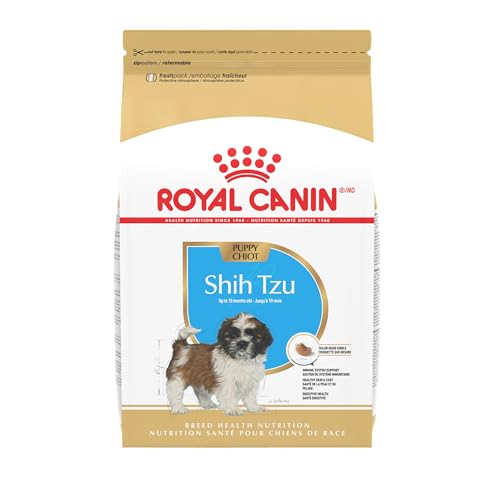
Proper nutrition is the foundation of your Shih Tzu puppy's health. Because they are small dogs with small mouths, they need food that is easy to chew and formulated for their life stage. A high-quality puppy food designed for small breeds is the best starting point.
What to Feed Your Shih Tzu Puppy
- AAFCO-approved puppy formula: Look for food that meets AAFCO standards for growth. This ensures it contains the right balance of protein, fat, vitamins, and minerals.
- Small-breed kibble: Shih Tzu puppies have tiny mouths. Choose kibble that is small enough for them to pick up and chew comfortably.
- Real meat first: The first ingredient should be a named meat source such as chicken, turkey, or lamb — not a by-product or filler.
- DHA for brain development: Many quality puppy foods include DHA, an omega-3 fatty acid that supports brain and vision development.
- Avoid fillers and artificial additives: Steer clear of foods with excessive corn, wheat, soy, or artificial colors and preservatives.
Feeding Schedule
Shih Tzu puppies have small stomachs and need to eat more frequently than adult dogs. Follow this general schedule:
| Age | Meals Per Day | Notes |
|---|---|---|
| 8–12 weeks | 4 meals | Small portions, spaced evenly throughout the day |
| 3–6 months | 3 meals | Reduce to three meals as puppy grows |
| 6–12 months | 2–3 meals | Transition to adult feeding schedule |
| 12+ months | 2 meals | Adult maintenance formula |
Feeding Tip: Always measure your puppy's food using a measuring cup or kitchen scale. Free-feeding (leaving food out all day) is not recommended for Shih Tzus, as they are prone to obesity. If you need help choosing the right food, see our guide on sensitive stomach dog food or explore best puppy food options.
Grooming & Hygiene
The Shih Tzu's luxurious double coat is one of their most striking features — but it also requires significant maintenance. Without regular grooming, the coat will mat, causing discomfort and skin problems. Grooming is not optional for this breed; it is an essential part of their care routine.
Brushing
Brush your Shih Tzu puppy daily using a slicker brush and a metal comb. Pay special attention to areas where mats form easily: behind the ears, under the legs, and around the tail. Start grooming sessions when your puppy is young so they learn to tolerate and even enjoy the process. If you are unsure how to start, our Shih Tzu dog grooming guide covers every step in detail.
Bathing
Bathe your Shih Tzu every 2–3 weeks using a gentle, dog-specific shampoo. Human shampoo is too harsh for their skin and can cause irritation. After bathing, dry the coat thoroughly — especially around the ears and face — to prevent skin infections. For dry or sensitive skin, consider a shampoo and conditioner for dogs with dry skin.
Professional Grooming
Even with daily brushing at home, Shih Tzus benefit from professional grooming every 4–6 weeks. A professional groomer can trim the coat, clean the ears, trim the nails, and check for any skin issues. Many owners opt for a "puppy cut" to make daily maintenance easier — this is a shorter style that keeps the dog cool and reduces matting.
Other Grooming Tasks
- Nail trimming: Every 2–4 weeks. Long nails can cause pain and gait problems.
- Ear cleaning: Weekly, using a dog-specific ear cleaner. Shih Tzus are prone to ear infections.
- Dental care: Brush teeth several times a week. Dental disease is common in small breeds.
- Eye care: Wipe away tear stains daily. Shih Tzus have prominent eyes that are prone to irritation.
- Face trimming: Keep hair around the eyes trimmed to prevent scratching and irritation.
Grooming Tool Essentials:
• Slicker brush and metal comb
• Dog-specific shampoo and conditioner
• Nail clippers or grinder
• Ear cleaner and cotton balls
• Dog toothbrush and toothpaste
• Round-tip grooming scissors for face and paws
Training & Socialization
Shih Tzu puppies are intelligent and eager to please, but they can also be stubborn. Training requires patience, consistency, and a sense of humor. Because they are small and adorable, it is easy to overlook bad behavior — but allowing a Shih Tzu to develop bad habits leads to problems later. Start training from the moment your puppy comes home.
House Training (Potty Training)
House training a Shih Tzu puppy requires patience. Their small bladders mean they need to go out frequently — every 1–2 hours during the day, and possibly once at night. Establish a consistent routine: take them out first thing in the morning, after meals, after naps, and before bed. Reward them generously when they go in the right spot. Never punish accidents; instead, clean them up with an enzymatic cleaner and increase the frequency of potty breaks. You can also explore options like dog diapers for temporary management during training.
Basic Commands
Teach your Shih Tzu puppy basic commands using positive reinforcement. Keep training sessions short (5–10 minutes) and end on a positive note. Recommended commands include:
- Sit: The foundation of all training. Lure with a treat, then reward when the bottom hits the ground.
- Stay: Builds impulse control. Start with 1 second and gradually increase duration.
- Come: Essential for safety. Never punish your puppy for coming to you, even if they took their time.
- Leave It: Prevents your puppy from picking up dangerous items.
- Down: Useful for settling your puppy in one place.
Socialization
Socialization is critical between 3 and 14 weeks of age. Expose your puppy to new people, places, sounds, and experiences in a positive, controlled way. Invite friends over, take your puppy for short car rides, and introduce them to friendly, vaccinated dogs. Proper socialization prevents fear and aggression problems later in life. If you are considering advanced training, look into service dog training or general dog training resources.
Health Care & Common Issues
Shih Tzus are generally healthy dogs, but like all breeds, they are prone to certain health conditions. Understanding these risks allows you to take preventative measures and catch problems early.
Common Health Issues
- Brachycephalic Syndrome: Their flat faces can cause breathing difficulties, especially in heat or during exercise. Avoid strenuous activity and keep them cool.
- Eye Problems: Prominent eyes are prone to injury, ulcers, and dry eye. Keep hair trimmed around the face and check eyes daily.
- Ear Infections: Floppy ears trap moisture, creating an environment for bacteria and yeast. Clean ears weekly.
- Dental Disease: Small breeds are especially prone to tartar buildup and periodontal disease. Brush teeth regularly.
- Patellar Luxation: A condition where the kneecap slips out of place. Avoid excessive jumping and keep your dog at a healthy weight.
- Hypothyroidism: A thyroid disorder that can cause weight gain, lethargy, and skin problems. Regular blood work can detect it early.
- Allergies: Shih Tzus can develop skin allergies, food allergies, and environmental allergies. Watch for excessive scratching, licking, and ear infections.
Vaccinations
Your Shih Tzu puppy needs a series of vaccinations starting at 6–8 weeks of age. Core vaccines include distemper, parvovirus, adenovirus, parainfluenza, and rabies. Follow your veterinarian's recommended schedule. For a detailed timeline, see our schedule of vaccinations for puppies.
Preventive Care
- Annual wellness exams: Even healthy adult dogs should see the vet once a year.
- Parasite prevention: Use year-round flea, tick, and heartworm prevention. See our guide on flea treatment for dogs for product recommendations.
- Dental cleanings: Professional cleanings as recommended by your vet.
- Weight management: Keep your Shih Tzu at a healthy weight to prevent joint stress and other health issues. Our weight management guide can help.
When to See a Vet Immediately:
• Difficulty breathing or labored breathing
• Eye redness, cloudiness, or discharge
• Persistent vomiting or diarrhea
• Lethargy or loss of appetite lasting more than 24 hours
• Head shaking or ear odor (signs of ear infection)
• Any sudden change in behavior
Exercise & Activity Needs
Shih Tzus are not high-energy dogs. They are perfectly content with short daily walks and indoor play. However, they still need regular exercise to maintain a healthy weight, build muscle, and stay mentally stimulated.
Daily Exercise Requirements
- Walks: Two short walks of 15–20 minutes per day are sufficient for most adult Shih Tzus. Puppies need even less — short, frequent walks are better for growing joints.
- Indoor Play: A game of fetch down the hallway or a session with a puzzle toy provides excellent mental and physical stimulation.
- Mental Stimulation: Shih Tzus are intelligent dogs. Puzzle toys, snuffle mats, and short training sessions keep their minds sharp and prevent boredom. Explore puzzle toys for dogs for ideas.
Heat Safety: Because Shih Tzus are brachycephalic (flat-faced), they are highly susceptible to heatstroke. Avoid walking them during the hottest parts of the day. Walk early in the morning or late in the evening. Always bring water and never leave your dog in a parked car. Signs of heatstroke include heavy panting, drooling, weakness, and collapse — seek veterinary care immediately if you notice these symptoms.
Finding a Reputable Shih Tzu Breeder
Choosing the right breeder is one of the most important decisions you will make. A responsible breeder prioritizes the health and temperament of their dogs and will become a valuable resource throughout your puppy's life.
What Makes a Reputable Breeder?
- Health testing: They perform health screenings on breeding dogs for conditions like patellar luxation, eye problems, and hypothyroidism.
- Breed club membership: They are members of national or regional breed clubs and adhere to a code of ethics.
- Home visits: They welcome you to visit their home or facility to meet the puppy's parents.
- Questions for you: They ask you detailed questions about your lifestyle and home environment to ensure a good match.
- Health guarantee: They provide a written health guarantee and vaccination records.
- Lifetime support: They are available to answer questions and will take back the dog if you can no longer care for it.
Red Flags in a Breeder
- Refusal to allow visits: A breeder who will not let you see the facilities or meet the parents is hiding something.
- Multiple litters at once: This suggests a commercial operation, not a responsible hobby breeder.
- Puppies sold before 8 weeks: Puppies need time with their littermates for proper socialization.
- No health records: A responsible breeder keeps detailed health records and provides them to you.
- Selling at pet stores or online without vetting: These sources often obtain puppies from puppy mills.
For a deeper dive into what to look for, see our guides on how to find a reputable dog breeder, questions to ask a dog breeder, and red flags of a bad breeder.
Frequently Asked Questions
Final Thoughts
Bringing home a Shih Tzu puppy is the beginning of a beautiful friendship. These affectionate, spirited little dogs have a way of wrapping themselves around your heart. By committing to their grooming needs, providing quality nutrition, training with patience, and staying on top of their health care, you will give your Shih Tzu everything they need to live a long, happy, and healthy life. For more resources, explore our Shih Tzu breed guide or check out Shih Tzu puppies for sale if you are ready to start your search.