What to Put in a Puppy Crate
A complete checklist to make your puppy's crate a safe, comfortable, and happy space for them.
Bringing a new puppy home is an exciting time, and one of the first things you'll need is a crate. But a crate isn't just a place to confine your puppy; it should be their den—a safe, comfortable, and secure space where they can rest and relax. What you put inside that crate can make all the difference between a stressed-out puppy and a happy, well-adjusted one.
This guide provides a comprehensive checklist of what to put in your puppy's crate, what to avoid, and how to set it up for success. Choosing the right items from the start will help with getting your puppy to sleep in his crate and make crate training a much smoother process.
Key Takeaway: The goal of a crate is to be a sanctuary, not a prison. The right setup helps prevent anxiety and promotes good behavior.
1. The Essentials: A Step-by-Step Checklist
Here is the definitive list of items you should consider for your puppy's crate. Remember, the goal is comfort and safety, not filling it with unnecessary clutter.
The "Must-Haves"
- Comfortable Bedding: A durable, washable crate pad or bed is the foundation. Look for one that is waterproof or water-resistant. For puppies, a simple, flat pad is often better than a fluffy bed, especially if they are prone to chewing.
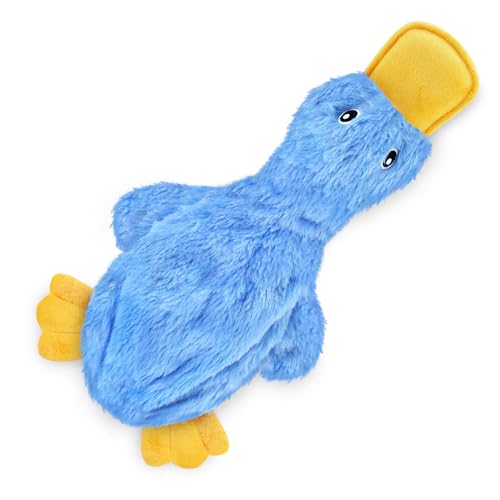
- Puppy-Safe Toys: A couple of safe, durable chew toys can keep your puppy occupied. Kongs stuffed with a little peanut butter or puppy-friendly filling are excellent for creating a positive association with the crate.
- A Water Bowl: For extended stays (more than an hour or two), a water bowl that attaches to the crate is essential to prevent spills. A standard heavy bowl can be tipped over, leading to a wet mess.
- Pee Pads (Optional but Recommended): If your puppy isn't yet house-trained, you might consider placing a puppy pad on one side of the crate. However, this can sometimes confuse the puppy about where they should eliminate, so it's a temporary measure.
What to Avoid in the Crate
- Excessive Space: A crate that is too large can encourage a puppy to use one corner as a bathroom and another to sleep. Use a divider to make the space just big enough for them to stand up, turn around, and lie down.
- Too Many Toys: While one or two toys are great, a pile of toys can be overwhelming and might encourage a puppy to treat the crate like a playpen rather than a calm resting space.
- Absorbent Bedding: Avoid fluffy, absorbent beds that are difficult to wash. If a puppy has an accident, the bed can soak up the urine, making it harder to clean and creating a lingering smell that will encourage more accidents.
- Loose Blankets: Loose blankets or towels can be a chewing hazard or, in rare cases, a strangulation risk for very young and small puppies.
2. How to Set Up the Perfect Crate
Setting up the crate is about more than just placing items inside. Here’s a step-by-step guide to creating a space your puppy will love.
- Step 1: Choose the Right Crate: Select a crate that is the correct size for your puppy's adult size. A wire crate with a divider is the most versatile option, as you can adjust the space as your puppy grows. 1
- Step 2: Place the Crate in a Quiet Spot: Position the crate in a quiet, low-traffic area of your home where your puppy can still feel part of the family. The bedroom is often a good choice for nighttime crate training. 2
- Step 3: Add the Bedding: Place a comfortable, washable crate pad or bed inside. Ensure it covers the entire floor of the crate but is firm enough not to bunch up. 3
- Step 4: Include a Toy or Two: Place one or two sturdy, safe toys inside. A chew toy and a puzzle toy are a great combination for mental and physical stimulation. 4
- Step 5: Introduce the Crate Positively: This is the most critical step! Toss treats inside, feed meals in the crate, and let your puppy explore it on their own. Never force them in. This will help you get your dog to go in the crate willingly. 5
Pro Tip: A crate cover can also be a great addition. It creates a den-like atmosphere that many puppies find calming, especially during the day when there's more activity in the house. However, ensure there is still good airflow.
3. Frequently Asked Questions About Puppy Crates
Ready to Set Up Your Puppy's Crate?
With the right items and a positive introduction, your puppy will quickly learn to love their crate as their personal sanctuary. It's a safe space that will help them feel secure and aid in your house-training efforts. The best investments you can make are a high-quality crate, a durable bed, and some safe chew toys. Your patience and consistency in this early stage will pay off with a happy, well-adjusted adult dog.