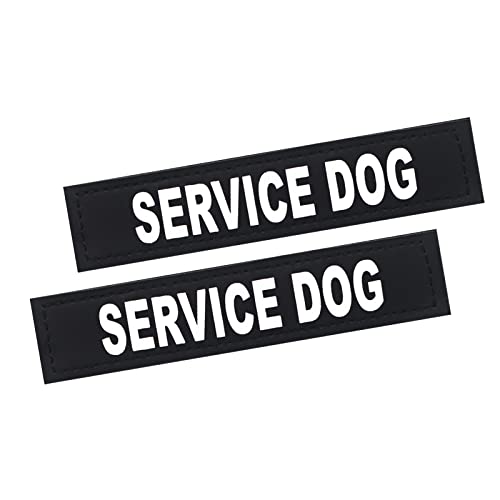
Dog Trainers for Service Dogs
Your complete guide to finding, evaluating, and working with professional service dog trainers — from selection criteria and training methods to costs, timelines, and public access preparation.
Finding the right dog trainers for service dogs is one of the most important decisions you will make in your journey toward greater independence. A service dog is not just a pet — they are a working partner trained to perform specific tasks that mitigate your disability. The trainer you choose will shape not only your dog's skills but also your confidence in navigating daily life together.
Unlike basic obedience training, service dog training requires specialized expertise. A trainer must understand your specific disability, the tasks that will help you most, public access laws, and the unique bond between handler and service dog. This guide will help you navigate the process, ask the right questions, and find a trainer who meets your needs.
Important Distinction: Under the Americans with Disabilities Act (ADA), service dogs are defined as dogs individually trained to do work or perform tasks for a person with a disability. This is different from emotional support animals or therapy dogs, which have different training requirements and do not have the same public access rights. If you are exploring whether a service dog is right for you, understanding this distinction is the first step.
The Role of Service Dog Trainers
A professional service dog trainer does far more than teach basic commands. They assess your needs, evaluate potential dogs for suitability, develop a customized training plan, and guide you through the entire process from selection to certification. Their role extends beyond the dog — they also train you, the handler, to work effectively with your service dog.
What Trainers Actually Do
- Needs assessment: Evaluate your disability, lifestyle, and specific tasks you need the dog to perform. This may involve consultation with your healthcare provider.
- Dog selection: Assess candidate dogs for temperament, drive, health, and suitability for service work. Not every dog can be a service dog — only about 40-50% of dogs entering training programs successfully complete them.
- Task training: Teach specific skills like retrieving dropped items, opening doors, providing deep pressure therapy, alerting to medical events, or guiding around obstacles.
- Public access training: Prepare the dog to remain calm and focused in restaurants, stores, airports, hospitals, and other public spaces.
- Handler training: Teach you how to handle your dog, maintain training, and advocate for your rights under the ADA.
- Ongoing support: Provide follow-up sessions, troubleshooting, and refresher training as needed.
Why Specialized Training Matters
General obedience trainers understand how to teach sit, stay, and come. Service dog trainers understand how to teach a dog to interrupt a panic attack, retrieve medication, or guide a handler safely across a busy intersection. They also understand the legal framework that protects service dog teams and can help you navigate access challenges confidently.
The difference between a well-behaved pet and a reliable service dog comes down to task reliability, public access manners, and the dog's ability to perform under pressure. This requires a trainer who has done this work before and knows the standards service dogs must meet.
Trainer Specializations
Service dog trainers often specialize in specific types of service work. Finding a trainer with experience in your area of need is crucial for successful training.
- Mobility assistance dogs: Trained to help people with physical disabilities by retrieving items, opening doors, providing counterbalance, or assisting with transfers. Trainers in this field understand body mechanics and safety protocols.
- Medical alert and response dogs: Trained to detect changes in blood sugar, oncoming seizures, cardiac events, or other medical episodes. These trainers often work closely with healthcare providers to understand the specific signals dogs can learn to detect.
- Psychiatric service dogs: Trained to help individuals with PTSD, anxiety disorders, depression, or other psychiatric conditions. Tasks may include interrupting self-harm, providing grounding during dissociation, or creating a buffer in crowded spaces.
- Hearing dogs: Alert handlers to sounds like doorbells, alarms, or approaching vehicles. Trainers in this specialization understand the specific alerting behaviors needed and how to generalize them across environments.
- Guide dogs: Assist individuals with visual impairments. This is one of the most established service dog specializations with formal training programs and strict standards.
- Autism service dogs: Help children and adults with autism spectrum disorder by providing sensory regulation, interrupting repetitive behaviors, or ensuring safety in public spaces.
Tip: When interviewing trainers, ask specifically about their experience with your disability type. A trainer who has successfully placed dogs with handlers who have similar needs will understand the nuances of task training and public access challenges you may face. Ask for specific examples of dogs they have trained for tasks similar to what you need.
How to Choose a Service Dog Trainer
Selecting the right trainer requires research, asking the right questions, and trusting your instincts. Here is a step-by-step approach to finding a qualified professional.
- Verify credentials: Look for certifications from recognized organizations such as the Certification Council for Professional Dog Trainers (CPDT-KA, CPDT-KSA), Karen Pryor Academy (KPA-CTP), or the International Association of Animal Behavior Consultants (IAABC). While not required by law, these credentials indicate a commitment to professional standards and continuing education.
- Ask about experience: How many service dogs have they trained? What disabilities have their clients had? Can they provide references from successful placements? A trainer who has placed dozens of dogs is not necessarily better than one who has placed a few dozen carefully matched teams — quality matters more than quantity.
- Observe a training session: A reputable trainer will welcome you to observe their work. Watch how they interact with dogs, how they communicate with handlers, and whether their methods align with your values. You should see calm, focused dogs and engaged handlers.
- Discuss training methods: Ask directly about their approach. Service dog training should be based on positive reinforcement, with aversive tools used only as a last resort (if at all). Dogs trained with force may perform out of fear, which is not sustainable for a working partnership.
- Understand the process: A good trainer will explain the entire journey — from dog selection through task training, public access work, and certification. They should provide a clear timeline, milestones, and expectations for both you and the dog.
- Check communication style: You will work closely with this person for months or years. They should listen to your concerns, answer questions thoroughly, and treat you as a partner in the process. If they are dismissive or condescending, keep looking.
- Review contracts carefully: A professional contract should outline fees, timelines, what happens if the dog washes out, ownership of the dog, and post-placement support. Avoid trainers who won't put things in writing or who pressure you to sign immediately.
Training Methods & Philosophy
The methods a trainer uses will directly impact your dog's well-being and your relationship with them. Understanding different training philosophies helps you make an informed choice.
Positive Reinforcement
This approach rewards desired behaviors with treats, praise, play, or access to what the dog wants. It is the gold standard for service dog training because it builds confidence, fosters trust, and creates a dog who works willingly rather than out of fear. Studies consistently show that positive reinforcement produces more reliable, resilient working dogs than aversive methods.
Balanced Training
Some trainers use a mix of reward-based training and corrective tools like prong collars or e-collars. While some balanced trainers achieve results, the use of aversive tools in service dog training is increasingly discouraged by professional organizations and can damage the handler-dog bond. If a trainer insists on aversive tools, ask why and consider whether their approach aligns with your values.
Clicker Training
Clicker training uses a distinct sound to mark desired behaviors, followed by a reward. It is highly effective for teaching complex tasks and is widely used in service dog training. The clicker provides precise communication, allowing the dog to understand exactly what behavior earned the reward. This method is particularly useful for shaping new behaviors and refining task performance. Learn more about clicker training principles.
Questions to Ask About Methods:
• What tools do you use in training? Do you ever use prong collars, e-collars, or physical corrections?
• How do you handle mistakes or unwanted behaviors?
• How do you build reliability in high-distraction environments?
• What happens if my dog struggles with a task — how do you adapt?
• Can I see a session where a dog is learning a new task?
Task-Specific Training
The heart of service dog training is teaching tasks that mitigate your disability. These tasks are highly individualized — what works for one handler may not work for another. A skilled trainer will work with you to identify the specific tasks that will make the biggest difference in your daily life.
Common Service Dog Tasks
- Retrieving items: Picking up dropped objects, bringing medication, fetching the phone, or retrieving a wheelchair part. This is one of the most common and versatile tasks.
- Opening and closing doors: Using paws or a tug rope to open doors, cabinets, or drawers. Dogs can also learn to close doors behind you.
- Deep pressure therapy: Applying pressure to the handler's body to reduce anxiety, interrupt panic attacks, or provide grounding during dissociation. This task is common for psychiatric service dogs.
- Medical alert: Detecting changes in blood sugar, oncoming seizures, or cardiac events before they become disabling. This requires specialized training and a dog with a natural aptitude for scent detection.
- Guide work: Navigating around obstacles, stopping at curbs, and guiding handlers with visual impairments safely through public spaces.
- Hearing alerts: Alerting handlers to sounds like alarms, doorbells, their name being called, or approaching vehicles.
- Bracing and counterbalance: Providing physical support for handlers with mobility challenges, helping them stand up, sit down, or maintain balance.
- Interrupting behaviors: Interrupting self-harm, repetitive behaviors, or dissociation by nudging, pawing, or providing physical contact.
When discussing tasks with a trainer, be specific about what you need. For example, "I need my dog to alert me before I have a panic attack so I can take medication" is more useful than "I need a psychiatric service dog." The trainer can then explain how they would approach teaching that specific task and how long it typically takes.
Public Access Preparation
A service dog must be able to accompany you in public spaces — restaurants, grocery stores, airports, hospitals, and more. Public access training is a critical component of service dog preparation and is distinct from task training.
What Public Access Training Covers
- Neutrality around distractions: Ignoring food on the floor, other dogs, loud noises, and crowds.
- Calm behavior in confined spaces: Lying quietly under tables, in aisles, or on public transportation.
- Focus on handler: Maintaining attention despite environmental challenges.
- Appropriate elimination: Relieving on command and never eliminating indoors.
- Safety behaviors: Not blocking aisles, not approaching strangers, and not reacting to other animals.
Legal Framework
Under the ADA, service dogs are allowed in most public places where the general public is allowed. Businesses may ask only two questions: (1) Is the dog a service animal required because of a disability? and (2) What work or task has the dog been trained to perform? They cannot ask about your disability, require documentation, or demand that the dog demonstrate its task.
Understanding your rights helps you advocate for yourself and your dog. A good trainer will educate you on these laws and prepare you for situations where access may be challenged.
Public access training should be gradual and positive. Trainers typically start in low-distraction environments and slowly increase difficulty as the dog succeeds. Rushing this process leads to anxiety, reactivity, or washout. A dog who is not comfortable in public spaces cannot be a reliable service dog, no matter how well they perform tasks at home.
Understanding Training Costs
Service dog training is a significant investment of time and resources. Understanding the cost structure helps you plan and avoid surprises.
| Training Path | Typical Timeline | Investment Level | Best For |
|---|---|---|---|
| Program-trained dog (non-profit) | 18–24 months | Entry-level to mid-range (often subsidized) | Handlers who qualify for assistance programs |
| Program-trained dog (for-profit) | 12–24 months | Mid-range to premium | Handlers who want a fully trained dog without training themselves |
| Owner-training with professional guidance | 12–24 months | Affordable to mid-priced | Handlers who want to be involved in training |
| Board-and-train with private trainer | 6–12 months | Premium to luxury | Handlers who need intensive training for a specific dog |
Non-profit organizations like Canine Companions for Independence, Guide Dogs for the Blind, and America's VetDogs provide trained service dogs at low or no cost to qualifying individuals. These programs have long waiting lists and specific eligibility criteria, but they are an excellent option for many handlers.
For-profit programs and private trainers typically charge for the dog, training, and ongoing support. Costs vary widely based on the trainer's experience, location, program structure, and the complexity of tasks required. Some trainers offer payment plans or sliding scale fees. It is worth asking about financial assistance options.
Budgeting Tip: When comparing costs, consider the full picture: purchase price of the dog (if not included), training fees, equipment, veterinary care, food, and ongoing maintenance training. A less expensive trainer who produces an unreliable dog is no bargain. Look for the best value, not the lowest upfront cost. You may also want to explore dog insurance to help manage unexpected veterinary expenses.
Owner-Training with Professional Help
Many handlers choose to train their own service dog with guidance from a professional trainer. This approach offers several advantages: you build an incredibly strong bond with your dog, you understand your dog's signals intimately, and you save money compared to purchasing a fully trained dog.
How Owner-Training Works
In an owner-training model, you act as the primary trainer while a professional provides structure, guidance, and accountability. The trainer might meet with you weekly or monthly, assess your dog's progress, troubleshoot challenges, and teach you how to train specific tasks. Some trainers offer virtual sessions, while others require in-person meetings.
- Pros: Lower cost, stronger bond, full control over training methods, you understand your dog's training history completely.
- Cons: Requires significant time and commitment, you may make mistakes that a professional would avoid, finding a trainer willing to work this way can be challenging.
If you are considering owner-training, be honest with yourself about the time commitment. Service dog training requires daily practice, patience, and consistency. You will need to learn not just how to train a dog but also how to read canine body language, understand learning theory, and navigate public access laws. A good trainer will mentor you through this process.
Learn more about the path to becoming a service dog handler in our guide on how to get your dog to be a service dog. If you are also exploring training for specific behavioral issues, resources on trainers for aggressive dogs and separation anxiety specialists may provide additional context.
Red Flags to Avoid
The service dog industry is largely unregulated, which means anyone can call themselves a service dog trainer. Protect yourself by watching for these warning signs.
- Guaranteed certification: No legitimate trainer can guarantee that a dog will become a service dog. Washout rates are real, and honest trainers will discuss this possibility openly.
- Refusal to let you observe training: A reputable trainer has nothing to hide. If they won't let you watch a session or meet their dogs, walk away.
- Pressure to decide quickly: High-pressure sales tactics are a sign of a business focused on profit, not your success. Take your time.
- No references: A trainer who cannot or will not provide references from satisfied clients is a major red flag. Ask for contact information and actually call those references.
- Aversive methods as the default: Trainers who rely on prong collars, e-collars, or physical corrections as their primary tools are not aligned with modern, ethical service dog training.
- Promises that seem too good to be true: "Your dog will be fully trained in 4 weeks" or "We guarantee public access certification" are signs that the trainer does not understand the complexity of service dog work.
- No contract or vague terms: A professional trainer will provide a detailed contract outlining fees, timelines, expectations, and what happens if the dog cannot complete training.
- Lack of knowledge about ADA laws: A service dog trainer should understand public access rights and be able to educate you about them. If they cannot explain the two questions businesses may ask, they are not qualified.
Trust Your Instincts: If something feels off about a trainer, it probably is. You will be working with this person for months or years. Choose someone who respects you, communicates clearly, and has a proven track record of successful placements. The right trainer will feel like a partner in your journey, not just a service provider.
Frequently Asked Questions
Ready to Take the Next Step?
Finding the right trainer is the foundation of a successful service dog partnership. Start by researching trainers in your area, asking the questions outlined in this guide, and trusting your instincts. The right trainer will be knowledgeable, patient, transparent, and genuinely invested in your success. They will help you build not just a working dog, but a lifelong partner. If you are also considering service dog gear, explore our guides on service dog vests and service dog training resources. For additional training support, you may find value in training equipment and training treats to reinforce your dog's learning.