ESA Emotional Support Dog: Your Complete Guide
Everything you need to know about emotional support animals — from getting a valid ESA letter and understanding your housing rights to choosing the right dog and providing proper care.
An emotional support animal can be a lifeline for people living with anxiety, depression, PTSD, and other mental health conditions. Unlike service dogs, ESAs don't need specialized training — their simple presence provides comfort, stability, and a reason to get up in the morning. But getting an ESA is not as simple as buying a vest online. There are legal requirements, housing protections, and responsibilities you need to understand.
This guide walks you through everything: how to obtain a legitimate ESA letter for housing, what your rights are, how to choose the right dog, and how to provide proper care. Whether you're exploring the idea or ready to take the next step, you'll find clear, practical answers here.
What Is an ESA Emotional Support Dog?
An ESA emotional support dog is a pet that provides therapeutic comfort to a person with a diagnosed mental health condition. The key word is support — these dogs are not trained to perform specific tasks like guiding a blind person or alerting to seizures. Instead, their presence alone helps alleviate symptoms of mental illness.
To qualify for an ESA, you must have a mental health condition recognized by the DSM-5 (Diagnostic and Statistical Manual of Mental Disorders). Common qualifying conditions include:
- Anxiety disorders — generalized anxiety, social anxiety, panic disorder
- Depression — major depressive disorder, persistent depressive disorder
- PTSD — post-traumatic stress disorder
- Bipolar disorder
- Obsessive-compulsive disorder (OCD)
- Attention-deficit/hyperactivity disorder (ADHD)
- Panic attacks
- Specific phobias
The dog itself does not need to be certified, registered, or trained in any specific way. What matters is that a licensed mental health professional confirms your need for the animal as part of your treatment plan. This is documented through an ESA recommendation letter.
Important: An ESA is not the same as a service dog. Service dogs are trained to perform specific tasks for people with disabilities and are protected under the Americans with Disabilities Act (ADA). ESAs have different rights, primarily related to housing under the Fair Housing Act.
ESA vs Service Dog: Key Differences
Understanding the distinction between an ESA and a service dog is critical — confusing the two can lead to legal problems and public access issues. Here's how they compare:
| Feature | ESA Emotional Support Dog | Service Dog |
|---|---|---|
| Training Required | No specific task training required | Extensive task-specific training required |
| Legal Protection | Fair Housing Act (housing only) | Americans with Disabilities Act (public access) |
| Documentation | ESA letter from licensed mental health professional | No official documentation required |
| Public Access | Not allowed in stores, restaurants, or on planes | Allowed in all public spaces |
| Housing | Landlords must provide reasonable accommodation | Same housing protections as ESAs |
| Qualifying Condition | Mental health condition only | Physical or mental disability |
The most important takeaway: ESAs are not allowed in public spaces where pets are prohibited. You cannot bring your ESA into a grocery store, restaurant, or on an airplane under current DOT rules. Attempting to do so can damage the legitimacy of legitimate ESA users and may result in legal consequences.
How to Get a Valid ESA Letter
The ESA letter is the single most important document for anyone with an emotional support animal. Without a valid letter from a licensed mental health professional, your dog has no more legal standing than any other pet. Here's what you need to know.
What Makes an ESA Letter Valid?
A legitimate ESA letter must meet specific criteria:
- Licensed professional: The letter must come from a therapist, psychologist, psychiatrist, licensed clinical social worker (LCSW), or other state-licensed mental health professional.
- Date of evaluation: The letter must be dated within the past 12 months (some landlords require it to be more recent).
- Professional letterhead: It should be on the professional's official letterhead with their license number and contact information.
- Diagnosis confirmation: The letter must confirm you have a diagnosed mental health condition and that the animal is part of your treatment plan.
- Signature: A handwritten or digital signature from the licensed professional.
How to Obtain Your ESA Letter
- Consult a licensed mental health professional. This can be your current therapist or a new provider. You must have an actual evaluation — not just a questionnaire. The professional needs to confirm your diagnosis and determine that an ESA would benefit your treatment.
- Be honest about your condition. The professional is not there to judge you. They need accurate information to make a proper assessment and write a legitimate letter.
- Request the letter. If the professional agrees that an ESA is appropriate, ask them to write a letter that includes all required elements. Most professionals are familiar with ESA letters and can provide one.
- Keep copies. Store both digital and physical copies of your ESA letter. You'll need to provide it to landlords and may need it for other purposes.
Avoid Scams: Be wary of websites that offer "instant ESA letters" or "ESA registration" without a real consultation with a licensed professional. These documents are often worthless and won't hold up if your landlord challenges them. Legitimate ESA letters require an actual evaluation. For more guidance, see our guide on ESA paperwork for doctors.
Housing Rights & Legal Protections
The Fair Housing Act (FHA) provides the primary legal protection for ESA owners. Under the FHA, landlords and housing providers must provide "reasonable accommodation" for people with disabilities — including those who need an emotional support animal.
What Landlords Must Do
- Waive no-pet policies: Landlords cannot enforce a "no pets" policy against a tenant with a valid ESA letter.
- Waive pet fees and deposits: You cannot be charged pet rent, pet deposits, or additional fees for an ESA.
- Allow the animal in all housing types: This applies to apartments, houses, condos, and other rental properties covered by the FHA.
- Provide reasonable accommodation: If needed, landlords may need to make exceptions to rules that would otherwise apply to pets.
What Landlords Can Do
- Request documentation: Landlords can ask for a valid ESA letter from a licensed mental health professional.
- Deny if the animal poses a direct threat: If the specific animal is dangerous or would cause substantial property damage, the landlord may deny the request.
- Deny if it causes undue financial burden: In rare cases, if accommodating the animal would be an undue financial burden, the landlord may deny.
- Exclude certain housing types: The FHA has some exemptions, such as owner-occupied buildings with four or fewer units.
Important: Your ESA letter must be current and from a licensed professional. If your landlord challenges your ESA, having proper documentation from a legitimate mental health provider is your strongest defense. For help with housing-specific documentation, see our guide on ESA registration for housing.
ESA Registration: What You Need to Know
If you've searched for information about emotional support animals online, you've likely seen dozens of websites offering "ESA registration," certificates, ID cards, and vests. Here's the truth: there is no official government registry for emotional support animals.
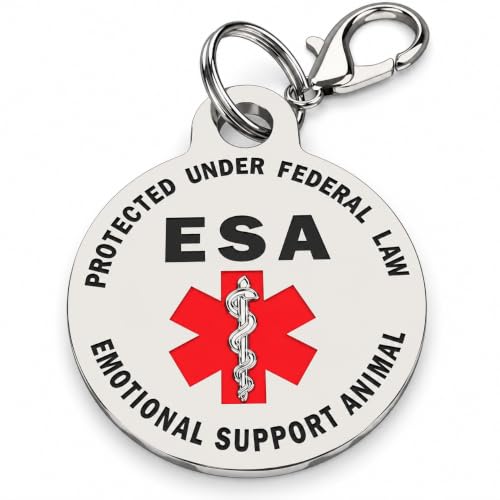
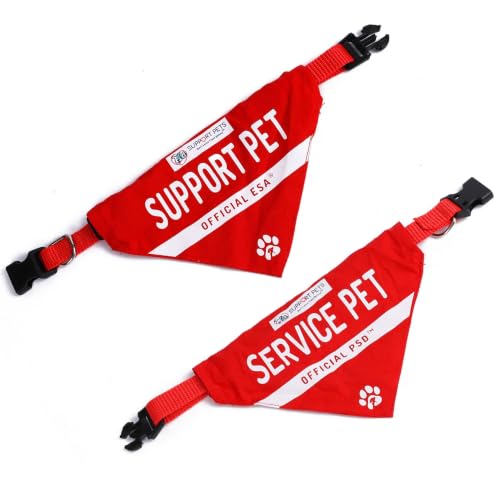
The only document that legally matters for an ESA is a valid letter from a licensed mental health professional. Registration certificates, ID cards, and vests sold by websites are not legally required and do not replace an ESA letter. Some landlords may ask for documentation, but they should be asking for your letter — not a registration certificate.
That said, some people choose to register their ESA with a private company for their own peace of mind or to have an additional form of identification. If you decide to do this, understand that it does not confer any legal rights. For more information, see our guide on ESA registration of America.
Beware of Scams: Some websites charge high fees for "ESA registration" and imply that it provides legal protection. It does not. Save your money and focus on getting a legitimate ESA letter instead. If a website promises "instant approval" or "lifetime registration" without a real evaluation, it's a red flag.
Choosing the Right ESA Dog
Any dog can be an emotional support animal — there are no breed, size, or age restrictions. However, choosing the right dog for your lifestyle and mental health needs is important for a successful partnership. The best ESA is one whose temperament and energy level match your own.
Calm & Cuddly Companions
Breeds like Cavalier King Charles Spaniels, Greyhounds, and Bichon Frises are known for their gentle, affectionate nature. They thrive on human contact and are content to lounge with you during difficult days. Ideal if you need comfort and physical closeness.
Best for anxiety & depressionActive & Motivating Partners
Breeds like Labrador Retrievers, Golden Retrievers, and Australian Shepherds need daily exercise, which can help you establish routine and get outside. They provide companionship while encouraging physical activity. Ideal if you need motivation to stay active.
Best for routine & exerciseSmall & Apartment-Friendly
Breeds like Chihuahuas, Pomeranians, and French Bulldogs adapt well to smaller living spaces. They're portable, easy to care for, and provide constant companionship. Ideal for apartment dwellers and those with limited mobility.
Best for small spacesGentle Giants & Protectors
Breeds like Great Danes, Mastiffs, and Newfoundlands offer a calming, protective presence. Their size can make you feel safer, and their calm demeanor provides stability. Ideal if you need a sense of security and a grounded presence.
Best for security & stabilityWhen choosing your ESA, consider adoption first. Many wonderful dogs are waiting in shelters for a second chance. An adopted dog can be just as loving and supportive as a purebred puppy — and you'll be saving a life. Check out our guide on dogs for adoption for tips on finding the right rescue dog.
Care Essentials for Your ESA
Bringing home an emotional support dog is a commitment. Like any dog, your ESA needs proper nutrition, exercise, veterinary care, and grooming. But because your dog plays a critical role in your mental health, their well-being directly impacts yours. A healthy, happy ESA is a more effective ESA.
Nutrition & Feeding
Feed your ESA a high-quality diet appropriate for their age, size, and activity level. Look for foods that meet AAFCO standards and have real meat as the first ingredient. If your dog has specific health issues, consult your veterinarian about the best diet. For dogs with sensitive stomachs, see our guide on dry dog food for sensitive stomachs.
Exercise & Mental Stimulation
Exercise is not just for your dog's physical health — it's essential for their mental well-being. A bored, under-exercised dog can develop behavior problems that add stress to your life rather than reduce it. Daily walks, play sessions, and puzzle toys keep your ESA happy and balanced. For breed-specific exercise needs, see our dog exercise guide.
Veterinary Care
Regular veterinary visits are essential for keeping your ESA healthy. Schedule annual wellness exams, keep vaccinations up to date, and use year-round parasite prevention. If your dog shows signs of illness — lethargy, loss of appetite, vomiting, or diarrhea — contact your vet promptly. For more information, see our guide on dog veterinary visits.
Grooming & Hygiene
Grooming keeps your dog comfortable and healthy while also giving you bonding time. Brush your dog regularly, trim nails every few weeks, clean ears as needed, and brush teeth daily if possible. The specific grooming routine depends on your dog's coat type. For detailed guidance, see our dog grooming guide.
Traveling with Your ESA
Travel rules for emotional support animals have changed significantly in recent years. As of 2021, the U.S. Department of Transportation no longer requires airlines to accommodate ESAs in the cabin as they do for service dogs. This means:
- Airlines are not required to allow ESAs in the cabin. Each airline has its own policy regarding emotional support animals. Some may allow them with advance notice and documentation; others do not.
- You may need to pay pet fees. If an airline allows your ESA to travel in the cabin, they can charge pet fees as they would for any pet.
- ESAs are not allowed in public spaces. You cannot bring your ESA into airports, stores, restaurants, or other public areas where pets are prohibited — regardless of documentation.
If you plan to travel with your ESA, contact the airline directly to understand their specific policies well in advance. For car travel, ensure your dog is safely restrained with a crash-tested harness or carrier. For more information, see our guide on dog car harnesses.
Common ESA Mistakes to Avoid
These mistakes can undermine your ESA's legitimacy or cause problems for you and other ESA owners:
- Buying a fake ESA letter or registration. This is the biggest mistake. Fake documentation not only fails to protect you but also damages the credibility of the entire ESA system. Always get a letter from a licensed mental health professional.
- Assuming ESAs have public access rights. ESAs are not allowed in stores, restaurants, or other public spaces. Trying to bring your ESA into these places can result in legal trouble and gives legitimate ESA owners a bad reputation.
- Skipping the mental health professional. You cannot self-diagnose and declare your dog an ESA. You need a legitimate evaluation and diagnosis from a licensed professional.
- Neglecting your dog's needs. An ESA that is unhealthy, under-exercised, or poorly behaved is not an effective support animal. Take care of your dog's physical and mental well-being.
- Not understanding your rights. Know what the Fair Housing Act protects and what it doesn't. Understanding your rights helps you advocate for yourself and your dog.
- Letting your ESA behave poorly in public. Even though ESAs don't have public access rights, you may still take your dog to pet-friendly places. Ensuring good behavior keeps those places welcoming to dogs.
Frequently Asked Questions
Ready to Get Started?
If you believe an emotional support dog could help you, the first step is consulting a licensed mental health professional. They can evaluate your condition and determine whether an ESA is appropriate for your treatment plan. Once you have a valid ESA letter, you can focus on choosing the right dog and providing the care they need. Remember: a healthy, well-cared-for ESA is a more effective ESA. Your dog depends on you — and you can depend on them. For more resources, explore our guides on emotional support animals and ESA letters for apartments.