How to Train a German Shepherd Puppy
Your complete guide to raising a confident, obedient, and well-mannered German Shepherd puppy. From day one to adolescence, learn the proven training methods that bring out the best in this intelligent breed.
German Shepherds are one of the most intelligent and versatile dog breeds in the world. They are fiercely loyal, highly trainable, and thrive on having a job to do. However, their intelligence and energy can be a double-edged sword. Without proper training, a German Shepherd can develop behavioral issues like anxiety, destructiveness, or excessive barking. The key to a happy and well-adjusted GSD is purposeful, consistent training that starts from the moment you bring your puppy home.
This guide provides a step-by-step roadmap to train your German Shepherd puppy effectively. We'll cover everything from the first day home through the challenging adolescent period, using methods based on positive reinforcement and a deep understanding of the breed's unique characteristics. By following these guidelines, you'll build a strong, trusting relationship with your dog that will last a lifetime. For more foundational tips, check out our dog training basics and puppy socialization guide.
Why German Shepherds Need Purposeful Training
German Shepherds were bred for work. They are herding dogs, guard dogs, and service animals. This lineage means they are hardwired to be active, alert, and responsive to their handler. A bored German Shepherd is a destructive German Shepherd. Training provides the mental and physical stimulation they crave.
Key German Shepherd Traits:
- High Intelligence: They can learn new commands in as few as 5 repetitions.
- Loyalty & Protectiveness: They form deep bonds but need guidance to channel this appropriately.
- Energy & Stamina: They require regular, structured exercise to stay calm and focused.
- Eagerness to Please: They are highly motivated by rewards, making them a joy to train with positive methods.
Starting Right: The First Weeks (8-12 Weeks)
The first few weeks at home set the foundation for everything that follows. Your puppy is like a sponge, absorbing information about their new environment and your expectations. This is the time to establish a routine and introduce basic concepts.
- Bringing Your Puppy Home: Make the transition as smooth as possible. Have a designated area with a crate and bedding. On the first day, let your puppy explore their new home at their own pace. Avoid overwhelming them with too many new people or places. Start building a bond through gentle play and handling.
- Establish a Routine: Dogs thrive on predictability. Set a consistent schedule for feeding, potty breaks, playtime, and naps. This helps your puppy feel secure and speeds up the potty training process. A typical routine might be: wake up, potty, eat, potty, play/train, potty, nap, and repeat throughout the day.
- Introducing the Crate: The crate is a safe haven, not a prison. Make it a positive experience by putting treats, toys, and a soft bed inside. Never use the crate as punishment. Start by leaving the door open and letting your puppy explore. Then, practice closing the door for short periods while you are present, and gradually increase the duration.
The Critical Socialization Window
Socialization is arguably the most important aspect of raising a German Shepherd puppy. The prime socialization window closes around 16 weeks of age. During this time, exposing your puppy to a wide variety of people, animals, environments, and sounds in a positive way is crucial for preventing fear and aggression later in life.
Safe Socialization Ideas
- ✓ Inviting friends of all ages to visit
- ✓ Car rides to new places
- ✓ Walking in different neighborhoods
- ✓ Exposure to various sounds (traffic, vacuums, sirens)
- ✓ Handling paws, ears, and mouth daily
Puppy Kindergarten
Enrolling in a puppy kindergarten class is highly recommended. It provides structured socialization with other puppies and people in a controlled environment. It's a great way to start basic obedience and get expert guidance. Ensure the class uses positive reinforcement and requires proof of first vaccinations.
Remember: Quality over quantity. It's better to have 5 positive interactions than 50 overwhelming or scary ones. Always let your puppy approach new things on their own terms. For more information, read our detailed guide on dog socialization.
Basic Obedience Commands
Begin training basic commands as soon as your puppy is comfortable in their new home, around 8-10 weeks old. Use high-value treats (like small pieces of chicken or cheese) and keep sessions short (5-10 minutes) and fun. End on a positive note.
- Sit: Hold a treat just above your puppy's nose and slowly move it back over their head. As their nose goes up, their rear will go down. Say "Sit" and reward. This is the foundation for many other commands.
- Stay: Ask your puppy to sit. Say "Stay" while holding your hand out. Take one step back. If they stay, return and reward. Gradually increase the distance and duration.
- Come: A vital safety command. Start in a quiet area. Say your puppy's name followed by "Come" in a cheerful tone. As they come towards you, back up a few steps to encourage them. Reward generously when they reach you.
- Down: Lure your puppy into a down position by moving a treat from their nose to the ground and then forward. Their body will follow. Say "Down" and reward.
- Leave It: Put a treat in your closed fist. Show it to your puppy. They will likely sniff and paw. Say "Leave it." The moment they stop trying, reward them with a different treat from your other hand. This teaches impulse control.
Crate & Potty Training
Crate training is the most effective method for potty training and providing a safe space for your German Shepherd. A crate appeals to a dog's natural denning instinct and helps them learn to hold their bladder.
Golden Rules of Potty Training:
- Take your puppy out frequently: After waking up, after eating, after playing, and every 2-3 hours in between.
- Choose a designated potty spot: Take them to the same spot each time to reinforce the behavior.
- Praise and reward: When they go potty outside, throw a "potty party" with treats and praise.
- Use an enzymatic cleaner: If an accident happens, clean it thoroughly with an enzymatic cleaner to remove the odor and prevent re-soiling.
- Never punish accidents: Punishment only teaches your puppy to be afraid of you and to hide when they go potty.
For more detailed guidance on this topic, explore our articles on apartment potty training, crate sleeping, and training a dog to use pee pads.
Mental & Physical Exercise
German Shepherds are high-energy dogs. However, it's important to balance their exercise to protect their developing joints. A good rule of thumb is 5 minutes of exercise per month of age, twice a day. This includes walks and playtime.
- Structured Walks: Walks are not just for potty breaks; they are for training. Teach your puppy to walk calmly on a dog leash from an early age. Use the walk as an opportunity to practice heel and loose-leash walking.
- Playtime: Play fetch, tug-of-war (with rules), and hide-and-seek. These games are great for bonding and burning energy.
- Mental Stimulation: Mental exercise is just as important as physical exercise. Use puzzle toys and interactive toys to challenge your puppy's mind. Short training sessions are excellent mental workouts.
- Age-Appropriate Activity: Avoid forced running (like jogging with your puppy) and jumping until their growth plates close, around 12-18 months of age. These activities can lead to joint problems like hip dysplasia. Instead, focus on natural play and gentle walks.
Addressing Common Behavior Challenges
As your GSD enters adolescence (6-18 months), you may see some testing of boundaries. This is a normal part of development. The key is to stay calm, consistent, and return to basic training principles.
- Excessive Barking: German Shepherds are natural watchdogs. To manage barking, provide enough exercise and mental stimulation. Teach a "quiet" command. Reward your puppy when they stop barking.
- Jumping Up: Ignore your puppy when they jump. Turn your back or walk away. Reward them only when all four paws are on the ground. Practice this with visitors as well.
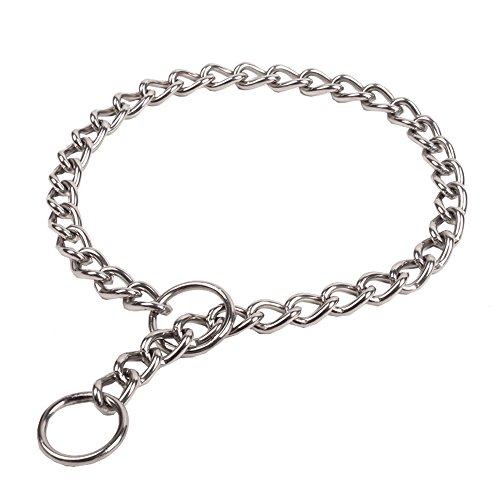
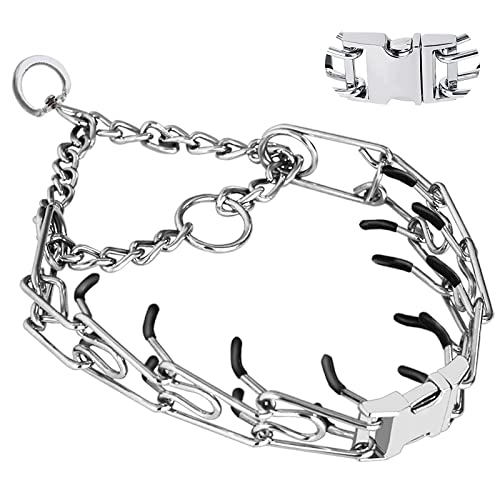
- Leash Reactivity: If your puppy pulls, barks, or lunges at other dogs or people on the leash, work on focus and engagement. Practice commands like "look at me" at a safe distance from triggers. You may need to consult a professional for more serious cases. Also, consider using a front-clip harness for better control. Read about training collars to understand your options.
- Mouthing & Nipping: GSD puppies are mouthy. Redirect their nipping onto a toy. If they bite you, yelp and disengage. This mimics how their littermates would communicate and teaches them bite inhibition.
Essential Training Tools & Supplies
Having the right supplies on hand will make the training process smoother and more enjoyable. Here are the essentials you should have from day one. You can find many of these items in our curated selection of dog products.
- Dog Collar & Dog Leash: A well-fitted collar and a standard 6-foot leash are essential for walks and training. For basic training, a simple flat collar or a front-clip harness works well.
- Dog Crates: A sturdy, appropriately sized crate is a must-have for potty training and providing a safe den. Choose one that will accommodate your puppy's adult size. You can use a divider to adjust the space as they grow.
- Dog Beds: A comfortable bed for inside the crate and outside will give your puppy a spot to relax and unwind.
- Puppy Food & Dog Treats: High-quality puppy food supports their rapid growth and development. Small, soft treats are ideal for training. Using a food topper can also make meals more enticing.
- Puzzle Toys: Mental stimulation is key. Puzzle toys and chew toys will keep your puppy entertained and prevent boredom.
- Dog Gates: Use baby gates to restrict access to certain areas of your home, making supervision and potty training much easier.
Advanced Training & Activities
Once your German Shepherd has mastered the basics, they will likely be eager for more challenging tasks. This is where the breed truly shines. Advanced training provides excellent mental and physical outlets.
- Canine Good Citizen (CGC): The AKC's Canine Good Citizen program is an excellent next step. It teaches your dog important skills like accepting a friendly stranger, walking through a crowd, and staying with a distraction. It's a great way to reinforce good manners.
- Dog Sports: German Shepherds excel in a variety of dog sports, including agility, obedience, rally, and tracking. These sports are fantastic for building teamwork and confidence.
- Scent Work: Nose work or scent detection is a fantastic mental workout for your dog. It uses their natural hunting instincts and is a low-impact activity that can be done just about anywhere.
- Therapy Work: With the right temperament, German Shepherds can make excellent therapy dogs. They are calm, gentle, and intuitive. For more information on this, visit our page on therapy dog training.
Frequently Asked Questions
Ready to Start Your Training Journey?
Training your German Shepherd puppy is one of the most rewarding experiences you can have. Their intelligence and loyalty make them incredible partners. By investing the time and effort now, you are setting the stage for a wonderful life together. Remember, consistency, patience, and positive reinforcement are your best tools. Good luck!