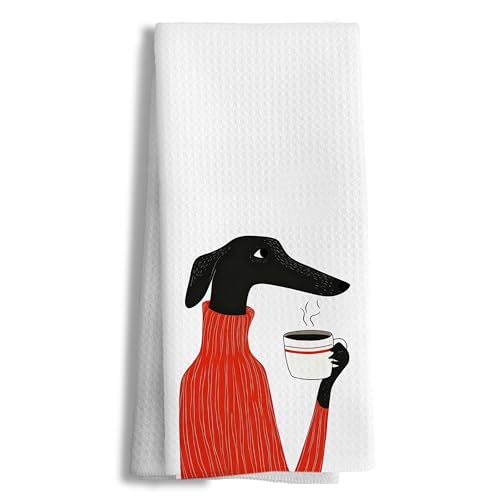
Italian Greyhound: The Complete Care Guide
Elegant, affectionate, and surprisingly athletic — everything you need to know about caring for the miniature Greyhound.
The Italian Greyhound (or "Iggy" as fans affectionately call them) is a breed that combines the elegance of a Greyhound with the size of a small companion dog. Standing at just 13–15 inches tall and weighing 7–14 pounds, these miniature sighthounds are renowned for their sleek appearance, gentle nature, and surprising athleticism.
Despite their aristocratic bearing, Italian Greyhounds are playful, affectionate, and deeply attached to their humans. They thrive on companionship and are happiest when they can snuggle under a blanket with their favorite person. If you are considering adding an Italian Greyhound to your family, or already have one and want to provide the best care possible, this guide covers everything you need to know.
Breed Overview: Italian Greyhound
The Italian Greyhound is one of the oldest toy breeds, with origins tracing back to ancient Egypt and Greece. They were popular among European nobility during the Renaissance and were beloved companions of royalty, including Queen Victoria and Catherine the Great.
Key Breed Information:
• Size: 13–15 inches (33–38 cm) at the shoulder
• Weight: 7–14 pounds (3–6.5 kg)
• Lifespan: 12–15 years
• Coat: Short, fine, smooth coat in various colors including fawn, red, blue, black, and combinations of these
• Group: Toy (AKC), Sighthound (UKC)
• Temperament: Affectionate, gentle, playful, and sometimes stubborn
What distinguishes the Italian Greyhound from other small breeds is its unique combination of sighthound instincts and companion-dog temperament. They are built for speed with a deep chest, long legs, and flexible spine — giving them the ability to reach impressive speeds in short bursts. However, unlike larger sighthounds, they are equally content to spend much of the day curled up in your lap.
Temperament & Behavior
What to Expect from Your Iggy
- Affectionate and Bonded: Italian Greyhounds form intense bonds with their humans. They are "velcro dogs" who want to be near you at all times and can develop separation anxiety if left alone too frequently.
- Playful and Energetic: They love to play, zoom around the house, and chase toys. They enjoy retrieving but may not always bring the toy back!
- Sensitive and Gentle: They are sensitive dogs who respond best to positive, gentle training methods. Harsh corrections can damage their trust and make them shut down.
- Alert but Not Yappy: They will bark to alert you to strangers or unusual sounds but are not generally excessive barkers compared to many small breeds.
- Can Be Stubborn: Like many sighthounds, they have an independent streak. Potty training can be particularly challenging, especially in cold or wet weather.
Are They Good with Children and Pets?
- Children: Italian Greyhounds are best suited for homes with older, respectful children (10+ years) who understand how to handle a small, fragile dog. Their delicate bones make them vulnerable to accidental injury from rough handling or falling.
- Other Dogs: They generally get along well with other dogs, especially other sighthounds or dogs of similar size. They can be intimidated by larger, boisterous dogs.
- Small Pets: Their sighthound prey drive means they may chase small animals like rabbits, guinea pigs, or cats, especially if those animals run. Early socialization can help, but caution is always recommended.
- Strangers: They can be reserved with strangers and may take time to warm up. Early socialization helps them become more confident and friendly with new people.
Daily Care & Nutrition
Exercise Requirements
Despite their small size, Italian Greyhounds need daily exercise to stay healthy and happy. Here is what you need to know:
- Daily Duration: 30–60 minutes of exercise spread throughout the day. They enjoy short walks, play sessions, and the opportunity to run in a secure, fenced area.
- Running: If you have a safely enclosed yard, they love to sprint and zoom around. They can reach impressive speeds of up to 25 mph in short bursts.
- Weather Sensitivity: Italian Greyhounds have a very thin coat and little body fat, making them sensitive to both cold and heat. In cold weather, they need a dog sweater or coat. In hot weather, exercise should be limited to cooler morning or evening hours.
- Mental Stimulation: Provide puzzle toys, treat-dispensing Kong toys, and training sessions to keep their intelligent minds occupied.
💡 Cold Weather Tip: Many Italian Greyhounds dislike going outside in the rain or cold. Consider puppy pads or an indoor potty area for inclement weather to avoid accidents and keep your Iggy comfortable.
Feeding Your Italian Greyhound
Proper nutrition is essential for maintaining your Italian Greyhound's health, preventing obesity, and supporting their overall well-being.
- Daily Amount: An adult Italian Greyhound typically needs about ¾ to 1½ cups of high-quality dry food per day, divided into two meals. Exact amounts depend on the specific food, your dog's age, and activity level.
- Food Type: Choose a high-quality small breed dog food that meets AAFCO standards. Small-breed formulas have smaller kibble and balanced nutrition for their metabolic needs.
- Puppy Food: Puppy-specific food is essential for growing Iggies to support proper bone development and provide the extra calories needed for growth.
- Senior Care: As your Italian Greyhound ages (around 7-8 years), transition to senior dog food to support joint health and prevent weight gain.
- Weight Management: Italian Greyhounds can be prone to obesity. Monitor their body condition and adjust portions accordingly. You should be able to feel their ribs without having to press firmly.
- Treats: Use healthy dog treats for training and limit treats to no more than 10% of daily calorie intake.
Training & Socialization
Italian Greyhounds are intelligent dogs who can learn quickly when motivated properly. However, they are also sensitive and independent, requiring a patient, positive approach to training.
Potty Training Challenges
Potty training is often the biggest challenge for Italian Greyhound owners. Their sensitivity to cold and wet weather, combined with a stubborn streak, makes them reluctant to go outside in unpleasant conditions.
- Consistency: Take your Iggy out frequently, especially after meals, wake-ups, and play sessions.
- Crate Training: Use crate training to establish a routine and prevent accidents. The crate should be a safe, comfortable space, not a punishment.
- Weather Adaptation: Consider puppy pads for indoor use during extreme weather. Many owners successfully train their Iggies to use a designated indoor potty area.
- Positive Reinforcement: Reward enthusiastically with treats and praise when they go in the right spot. Never punish accidents, as this can create fear and make training even harder.
Basic Commands and Behavior
Start training early with positive reinforcement methods. Italian Greyhounds respond best to gentle guidance and high-value rewards:
- Recall: Teaching a reliable recall is essential for safety. Practice in secure areas and always reward generously.
- Leave It: This command is crucial to prevent them from picking up dangerous items or chasing small animals.
- Stay: Build impulse control gradually, starting with short durations and low distractions.
- Leash Walking: Italian Greyhounds can be stubborn on walks. Use loose leash walking techniques and harnesses designed for sighthounds to prevent pressure on their delicate necks.
Socialization
Early and consistent socialization is critical for Italian Greyhounds. Expose them to a variety of people, environments, sounds, and situations in a positive, controlled manner:
- Puppy Classes: Enroll in puppy socialization classes to help them learn appropriate behavior around other dogs and people.
- Positive Experiences: Make every new experience positive with treats and praise. Avoid overwhelming your Iggy with too much at once.
- Ongoing Socialization: Continue exposing your dog to new experiences throughout their life to maintain confidence and prevent fear-based behaviors.
Health Concerns & Veterinary Care
Italian Greyhounds are generally healthy dogs but are predisposed to certain health conditions. Being aware of these issues allows you to take proactive steps and catch problems early.
Common Health Issues
- Dental Disease: Italian Greyhounds are very prone to dental problems. Regular tooth brushing and professional dental cleanings are essential to prevent tooth loss and systemic health issues.
- Patellar Luxation: A condition where the kneecap slips out of place. Regular vet checkups can catch this early.
- Legg-Calve-Perthes Disease: A condition affecting the hip joint in puppies, causing pain and limping. Early intervention is important.
- Eye Problems: Progressive Retinal Atrophy (PRA) and other eye conditions can affect the breed. Regular eye exams are recommended.
- Skin Injuries: Their thin, delicate skin is prone to cuts and tears. Keep your Iggy away from sharp objects and rough play.
- Hypothyroidism: An underactive thyroid can cause weight gain, lethargy, and skin problems. Blood tests can diagnose and treatment is straightforward.
Preventive Care
- Vet Visits: Annual wellness exams are essential. Senior dogs (7+ years) benefit from twice-yearly checkups.
- Vaccinations: Follow the recommended vaccination schedule to protect against parvo, distemper, rabies, and other diseases.
- Parasite Prevention: Year-round parasite prevention including flea, tick, and heartworm medication.
- Dental Care: Daily tooth brushing with dog-safe toothpaste and annual professional cleanings.
- Weight Management: Keep your Italian Greyhound at a healthy weight to reduce stress on joints and prevent obesity-related health problems.
- Pet Insurance: Consider pet insurance to help manage the cost of unexpected health issues. The best time to enroll is when your dog is young and healthy.
Grooming Guide
Italian Greyhounds have a short, fine coat that is relatively easy to maintain. However, their grooming needs extend beyond just brushing.
- Brushing: Brush weekly with a soft bristle brush or grooming mitt to remove loose hair and distribute skin oils. They shed moderately year-round.
- Bathing: Bathe every 2-3 months or as needed. Use a gentle, dog-specific shampoo to avoid drying out their skin.
- Nail Trimming: Their nails grow quickly and need trimming every 2-4 weeks. Use dog nail clippers or a grinder. If you can hear nails clicking on hard floors, they're too long.
- Dental Care: Brush teeth daily with dog toothpaste to prevent dental disease. This is one of the most important health habits for this breed.
- Ear Cleaning: Check ears weekly for wax buildup, debris, or signs of infection. Clean with a vet-recommended ear solution if needed.
- Skin Care: Their thin skin is sensitive. Use dog-safe products and protect from sunburn with pet-safe sunscreen on exposed areas in summer.
- Temperature Protection: In cold weather, use dog sweaters or coats. In hot weather, ensure they have shade and water and avoid walking on hot pavement.
Cost of Owning an Italian Greyhound
Italian Greyhounds are a relatively expensive breed to purchase and maintain. Understanding the full cost of ownership helps you prepare financially for your new companion.
| Expense Category | Initial Cost | Annual Cost |
|---|---|---|
| Puppy Purchase | $1,500–$3,500 | — |
| Veterinary Care | $200–$500 | $400–$1,000+ |
| Food | — | $300–$600 |
| Pet Insurance | — | $300–$800 |
| Supplies | $300–$600 | $150–$400 |
| Grooming | — | $200–$600 |
| Training | $100–$500 | $100–$500 |
| Emergency Fund | — | $500–$2,000 |
| Total First Year Estimate | $2,500–$6,000 | |
| Total Annual Estimate | $1,500–$3,500+ | |
These are estimated costs and can vary widely based on your location, the specific vet you use, and the products you choose. Pet insurance is highly recommended for Italian Greyhounds to help cover unexpected veterinary expenses.
Frequently Asked Questions
Ready to Welcome an Italian Greyhound?
Italian Greyhounds make wonderful companions for the right owners. They are affectionate, elegant, and full of personality. If you can provide the daily exercise, consistent training, and the companionship they crave, you will be rewarded with a loyal and loving friend for many years to come. Remember to always choose a reputable breeder who prioritizes health and temperament, or consider adopting from a breed-specific rescue.