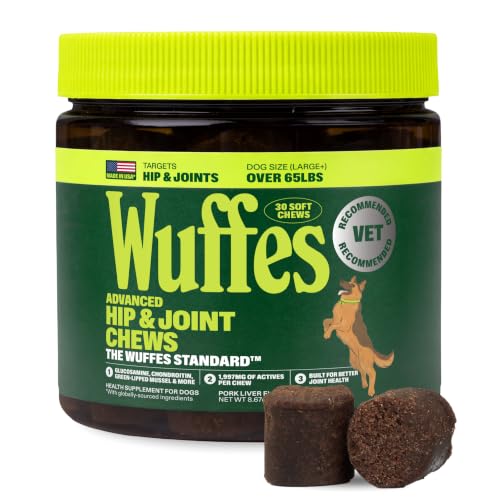
Joint Supplements for Dogs Recommended by Vets
Your complete guide to understanding which joint supplements actually work, what ingredients to look for, and how to choose the right product for your dog's arthritis, hip dysplasia, or age-related joint stiffness.
If your dog is slowing down, hesitating on stairs, or showing stiffness after rest, you're not alone. Joint problems affect millions of dogs worldwide — and they're not just a senior dog issue. Large breeds, active dogs, and dogs with genetic predispositions like hip dysplasia can develop joint problems early in life.
Veterinarians increasingly recommend joint supplements as part of a comprehensive joint health strategy. But with hundreds of products on the market making bold claims, how do you know which ones actually work? This guide cuts through the marketing hype and gives you evidence-based information about what vets actually recommend and why.
Whether you're proactively supporting your dog's joints or managing an existing condition, understanding the science behind joint supplements empowers you to make informed decisions for your dog's comfort and mobility.
Why Joint Health Matters for Dogs
Joint health directly impacts your dog's quality of life. Healthy joints allow dogs to run, play, climb stairs, jump onto the couch, and enjoy daily walks without pain. When joint health declines, every movement can become uncomfortable — and dogs are notoriously good at hiding pain.
The most common joint conditions in dogs include:
- Osteoarthritis (degenerative joint disease): The most common form of arthritis in dogs. Cartilage gradually breaks down, causing pain, inflammation, and reduced mobility. Affects roughly 1 in 5 adult dogs.
- Hip dysplasia: A genetic condition where the hip joint doesn't develop properly. Common in large breeds like German Shepherds, Labradors, and Golden Retrievers. Can lead to early-onset arthritis.
- Elbow dysplasia: Abnormal development of the elbow joint, causing lameness and arthritis. Common in Labrador Retrievers, Rottweilers, and Bernese Mountain Dogs.
- Cruciate ligament injuries: Tears or ruptures of the knee ligament, often leading to arthritis if not properly managed. Common in active dogs and overweight dogs.
- Patellar luxation: Dislocation of the kneecap, common in small breeds like Chihuahuas, Pomeranians, and French Bulldogs.
- Spinal conditions: Intervertebral disc disease (IVDD) and other spinal issues can affect mobility and cause chronic pain.
If your dog has been diagnosed with hip dysplasia or you're concerned about breed-specific risks, our guide on joint supplements for dogs with hip dysplasia provides more targeted recommendations. German Shepherd owners may also benefit from our breed-specific guide on joint supplements for German Shepherds, as this breed is particularly prone to joint issues.
Signs Your Dog Needs Joint Support
Dogs instinctively hide pain — it's a survival instinct. By the time obvious lameness appears, joint damage may already be significant. Watch for these subtle signs that your dog may benefit from joint support:
- Reluctance to move: Hesitating before jumping, climbing stairs, or getting into the car. Slowing down on walks or lagging behind.
- Stiffness after rest: Difficulty rising after sleeping or resting. Noticeable stiffness that improves with movement but returns after inactivity.
- Changes in gait: Limping, favoring one leg, "bunny hopping" with the back legs, or an abnormal posture when standing or walking.
- Licking or chewing at joints: Excessive licking of paws, legs, or joints can indicate pain or discomfort. This is especially common in dogs with hot spots or skin irritation secondary to joint issues.
- Behavior changes: Irritability, withdrawal from family activities, reluctance to be touched, or changes in sleeping patterns. A dog in pain may become defensive or aggressive.
- Weight gain: Reduced activity leads to weight gain, which puts additional stress on already compromised joints — creating a vicious cycle. If your dog needs to lose weight, a diet using hydrolyzed protein dog food may help if food sensitivities are also an issue.
- Muscle atrophy: Reduced muscle mass around the hindquarters or shoulders as your dog uses those areas less.
Important: These signs can also indicate other medical conditions. Always consult your veterinarian for a proper diagnosis before starting any supplement. Joint supplements are supportive care, not a substitute for veterinary evaluation and treatment.
Key Ingredients Vets Recommend
Not all joint supplement ingredients are created equal. Some have strong scientific evidence supporting their use, while others rely on anecdotal reports. Here's what veterinarians actually recommend based on current research:
Glucosamine
Glucosamine is an amino sugar naturally found in cartilage. It's the most studied joint supplement ingredient for dogs, and vets consistently recommend it as a first-line supplement.
- How it works: Provides building blocks for cartilage repair and maintenance. Helps maintain synovial fluid (the lubricant in joints).
- Evidence: Multiple studies show moderate benefits for reducing pain and improving mobility in dogs with osteoarthritis.
- Typical dose: 500-1,000 mg per 25 lbs of body weight daily. Often combined with chondroitin for synergistic effects.
Chondroitin Sulfate
Chondroitin works alongside glucosamine to support joint health. It's a key component of cartilage and helps inhibit enzymes that break down cartilage.
- How it works: Attracts water into cartilage, improving elasticity and shock absorption. Blocks destructive enzymes that damage cartilage.
- Evidence: Most effective when combined with glucosamine. Research shows combined supplementation is more effective than either alone.
- Typical dose: 400-800 mg per 25 lbs of body weight daily. Look for products with a glucosamine-to-chondroitin ratio of roughly 2:1.
MSM (Methylsulfonylmethane)
MSM is an organic sulfur compound with anti-inflammatory properties. Vets often recommend it as part of a comprehensive joint support formula.
- How it works: Reduces inflammation and pain. Supports connective tissue health. May improve joint flexibility.
- Evidence: Studies show benefits for reducing pain and improving mobility in dogs with arthritis.
- Typical dose: 250-500 mg per 25 lbs of body weight daily. Often combined with glucosamine and chondroitin.
Omega-3 Fatty Acids (EPA/DHA)
Omega-3s from fish oil are among the most evidence-backed supplements for reducing joint inflammation. Many vets recommend fish oil as a foundational supplement for dogs with arthritis.
- How it works: Reduces production of inflammatory compounds. Supports joint lubrication. May slow cartilage degradation.
- Evidence: Strong evidence for reducing arthritis pain and improving mobility. Also benefits skin, coat, and cardiovascular health.
- Typical dose: 300-600 mg combined EPA/DHA per 25 lbs of body weight daily. Look for products with high EPA concentration relative to DHA.
Green-Lipped Mussel
This New Zealand shellfish contains a unique combination of omega-3s, glucosamine, and chondroitin. Vets frequently recommend it for dogs with joint inflammation.
- How it works: Provides natural anti-inflammatory compounds. Contains glycosaminoglycans (GAGs) that support cartilage health.
- Evidence: Several studies show benefits for reducing pain and improving mobility. Particularly effective for mild to moderate arthritis.
- Typical dose: 500-1,000 mg per 25 lbs of body weight daily. Often included in comprehensive joint formulas.
Hyaluronic Acid
Hyaluronic acid is a natural component of synovial fluid and cartilage. It helps maintain joint lubrication and cushioning.
- How it works: Increases viscosity of synovial fluid. Provides shock absorption. May help reduce inflammation.
- Evidence: Growing evidence for improving joint function and reducing pain, especially when combined with other joint supplements.
- Typical dose: 5-10 mg per 25 lbs of body weight daily. Often included in premium joint formulas.
Other Ingredients to Consider
- Turmeric/Curcumin: Natural anti-inflammatory. Limited canine-specific research but promising results. Vets often recommend it as an adjunct therapy.
- Boswellia: Plant extract with anti-inflammatory properties. Some evidence for reducing arthritis pain in dogs.
- Collagen: Building block for cartilage. Emerging evidence for joint support, though more research is needed.
- Vitamin C: Antioxidant that supports collagen synthesis. Often included in joint formulas.
- Vitamin E: Antioxidant that protects cartilage from oxidative damage. Works synergistically with omega-3s.
Vet Insight: Most veterinarians recommend starting with a supplement that combines glucosamine, chondroitin, and MSM, then adding omega-3 fish oil separately for maximum anti-inflammatory benefit. This approach allows you to adjust individual components based on your dog's response.
Types of Joint Supplements
Joint supplements come in several forms, each with advantages and disadvantages. Understanding these differences helps you choose the best option for your dog.
Chews & Tablets
Most common and convenient form. Many dogs accept them as treats. Look for soft chews with natural flavoring. Downside: Some dogs may be picky about taste, and you can't easily adjust the dose.
Powders
Mix easily into food. Most cost-effective per dose. Allows precise dosing adjustments. Downside: Some dogs may notice the powder in their food, especially picky eaters.
Liquid & Capsules
Fastest absorption. Easy to administer with a dropper or syringe. Liquid formulas often have higher bioavailability. Downside: Higher cost per dose, shorter shelf life after opening.
Prescription Formulas
Veterinarian-dispensed supplements with pharmaceutical-grade ingredients and guaranteed potency. Often include additional therapeutic ingredients. Downside: Requires vet visit and prescription.
Functional Treats
Treats with added joint support ingredients. Convenient for dogs that won't take pills. Downside: Lower concentration of active ingredients per serving, making it hard to achieve therapeutic doses.
Injectables
Adequan (polysulfated glycosaminoglycan) injections administered by a vet. Fastest-acting and most direct method. Downside: Requires vet visits, more expensive, not suitable for all dogs.
How to Choose the Right Supplement
With hundreds of products on the market, choosing a joint supplement can feel overwhelming. Use this checklist to evaluate products like a vet would:
- Check for third-party testing. Look for products that have been tested by independent laboratories. The National Animal Supplement Council (NASC) seal indicates the product meets quality and safety standards. This is one of the most important factors in choosing a supplement.
- Verify ingredient amounts. The label should specify exact amounts of each active ingredient per serving. Avoid products that use "proprietary blends" without disclosing individual ingredient amounts — you can't evaluate what you can't measure.
- Look for clinical evidence. Choose products whose ingredients have been studied in dogs, not just humans. Vets are more likely to recommend supplements with canine-specific research.
- Consider your dog's specific needs. A young active dog may benefit from a preventive formula with glucosamine and chondroitin. A senior dog with arthritis may need additional anti-inflammatory support from omega-3s, MSM, and turmeric. Dogs with hip dysplasia may need higher doses of joint support ingredients.
- Check the form and palatability. The best supplement is the one your dog will actually take consistently. If your dog is picky, try a flavored chew or liquid that can be mixed into food. Some dogs have food sensitivities — if yours does, consider hydrolyzed protein dog food as a base diet while introducing supplements.
- Evaluate the manufacturer. Choose companies with transparent manufacturing practices, clear contact information, and a history of quality products. Avoid companies that make unrealistic claims or use high-pressure marketing tactics.
- Ask your vet. Your veterinarian knows your dog's specific health status, medications, and risk factors. They can recommend specific products or help you evaluate options. Many vets have preferred brands they trust based on clinical experience.
Red Flags to Avoid:
• Products claiming to "cure" arthritis or "rebuild" cartilage — supplements support, they don't cure.
• Products with no specified ingredient amounts or vague "proprietary blends."
• Companies that make dramatic claims without scientific evidence.
• Supplements that are suspiciously cheap — quality ingredients cost money.
• Products marketed primarily through social media influencers rather than veterinary channels.
Safety, Dosage & Side Effects
Joint supplements are generally safe for most dogs when used appropriately. However, "natural" doesn't automatically mean "safe" — and more is not always better.
Dosage Guidelines
Dosage varies by ingredient and product formulation. Always follow the manufacturer's recommendations for the specific product you're using, and consult your vet for personalized advice. As a general guideline:
- Glucosamine: 500-1,000 mg per 25 lbs daily (often split into two doses)
- Chondroitin: 400-800 mg per 25 lbs daily
- MSM: 250-500 mg per 25 lbs daily
- Omega-3 (EPA/DHA): 300-600 mg combined per 25 lbs daily
- Green-lipped mussel: 500-1,000 mg per 25 lbs daily
Important: These are general guidelines. Actual dosing depends on your dog's individual needs, health status, and the specific product formulation. Some products are more concentrated than others. Always start with the lowest recommended dose and adjust based on your dog's response and your vet's guidance.
Potential Side Effects
Most dogs tolerate joint supplements without issues, but some may experience:
- Gastrointestinal upset: Mild diarrhea, vomiting, or stomach discomfort. Usually resolves with food or a few days of use. Starting with half the recommended dose and gradually increasing can minimize this.
- Allergic reactions: Rare but possible, especially with shellfish-derived ingredients like green-lipped mussel or glucosamine. Watch for itching, hives, or facial swelling.
- Interaction with medications: Glucosamine may interact with blood thinners like warfarin. Chondroitin may affect blood sugar levels in diabetic dogs. Always inform your vet about all supplements your dog is taking.
- Over-supplementation: Giving too much of certain ingredients (especially fat-soluble vitamins) can cause toxicity. Follow dosage instructions carefully.
If your dog has a pre-existing medical condition or is taking medication, always consult your vet before starting any supplement. For example, dogs with kidney disease may need to avoid certain ingredients or adjust dosages. Dogs with sensitive stomachs or food allergies may benefit from dog food for allergies and sensitive stomachs alongside their joint supplement regimen.
Timeline for Results
Joint supplements are not pain relievers — they work gradually to support joint health. Expect to see:
- 1-2 weeks: Possible subtle improvement in mobility or attitude. Some dogs respond quickly.
- 4-8 weeks: Noticeable improvement in most dogs. This is when the supplement has built up to therapeutic levels.
- 8-12 weeks: Full benefits should be apparent. If your dog isn't showing improvement by this point, the supplement may not be effective for them.
If you don't see improvement after 12 weeks of consistent use, consult your vet. They may recommend a different product, a higher dose, or additional treatments. Joint supplements work best as part of a comprehensive plan that may include weight management, exercise modification, and prescription medications.
Lifestyle Changes That Support Joint Health
Supplements are just one piece of the puzzle. These lifestyle modifications dramatically improve outcomes for dogs with joint issues:
- Weight management: This is the single most important thing you can do for your dog's joints. Every extra pound puts additional stress on joints. Even 5-10% weight loss can significantly reduce arthritis pain. If your dog needs to lose weight, our guide on the best dry dog food to help your dog lose weight can help you choose an appropriate diet.
- Low-impact exercise: Swimming is excellent — it provides resistance without joint stress. Leash walks on soft surfaces, gentle hill walking, and controlled play help maintain muscle mass without exacerbating joint damage.
- Physical therapy: Canine rehabilitation specialists can design exercise programs, provide therapeutic exercises, and use modalities like laser therapy, ultrasound, and hydrotherapy to improve joint function.
- Joint-friendly environment: Provide ramps or steps instead of stairs, orthopedic beds for comfortable rest, non-slip flooring on hard surfaces, and elevated food and water bowls to reduce neck strain.
- Regular veterinary care: Routine check-ups allow your vet to monitor joint health, adjust treatment plans, and address issues early before they become severe.
- Acupuncture and alternative therapies: Some vets recommend acupuncture, chiropractic care, or laser therapy as adjunct treatments for joint pain. These can complement supplement use and medications.
If your dog has been diagnosed with a specific joint condition, our breed-specific guides can provide more targeted advice. For example, German Shepherd owners should read our guide on joint supplements for German Shepherds, as this breed has unique genetic risks for joint issues.
Frequently Asked Questions
Final Thoughts
Joint supplements can make a meaningful difference in your dog's comfort and mobility — but they work best as part of a comprehensive approach that includes weight management, appropriate exercise, veterinary care, and environmental modifications. Start with a vet-recommended product from a reputable manufacturer, give it consistently for at least 8-12 weeks, and monitor your dog's response.
Remember that every dog is different. What works for one may not work for another. Your veterinarian is your best resource for personalized recommendations based on your dog's specific health status, breed, and lifestyle. If you're also looking for ways to support your dog's overall health, our dog vitamins guide covers other important supplements that may complement joint support.